

All Posts By

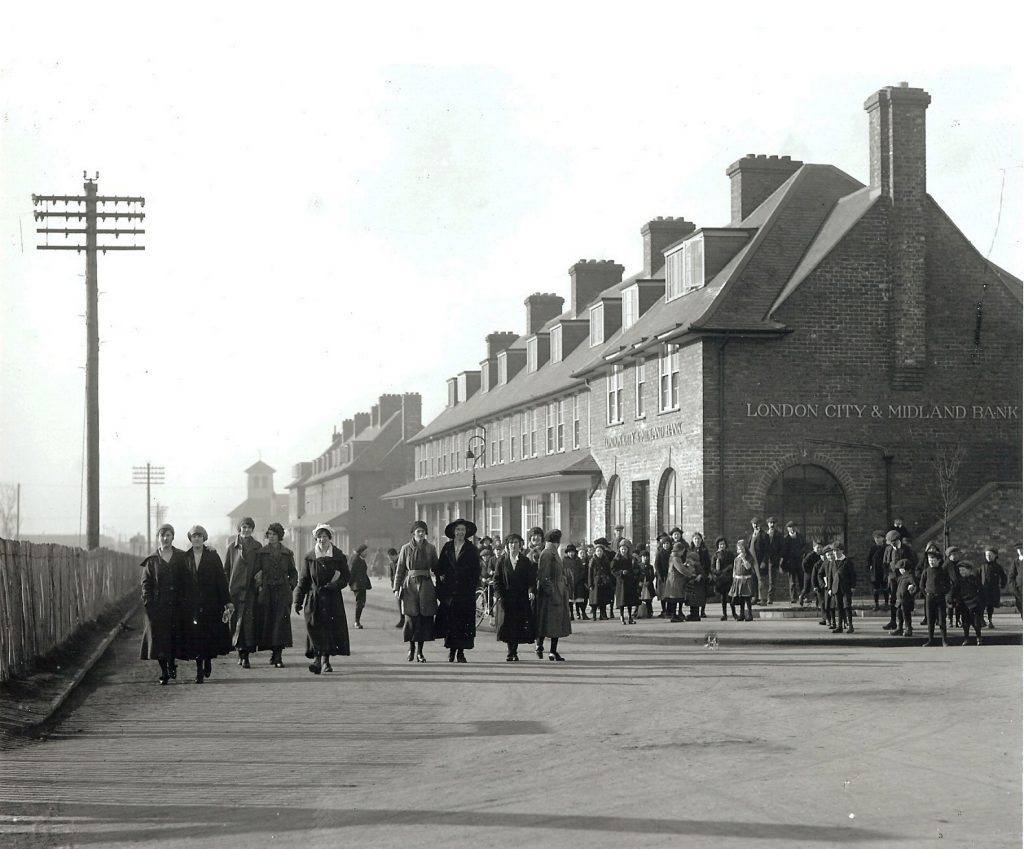
Gretna or Eastriggs in the past.

Free walks and tours for Doors Open Day Weekend

By Archive

The Devil’s Porridge will be taking part in Doors Open Day weekend this September 7th and 8th. The museum itself will be open as normal (entry charges apply) but we will be offering a series of FREE activities throughout the weekend.

Please email: manager@devilsporridge.org.uk to book your place, phone 01461 700021 or message us through Facebook. Please book (don’t just show up) so we can plan for numbers. Please specify Gretna walk 1 (10.30 am), Gretna walk 2 (1.30 pm), Eastriggs Walk or visit to the pumping house when you book. You are welcome to come to more than one activity.

Saturday 7th of September

Guided walks around Gretna: a chance to find out about the World War One buildings still in existence with an expert guide. Hospital, doctors house, cinema, maternity unit, hostels, barracks and more!

Starts and finishes at St Andrews Church, Central Avenue.

Walk 1: starts at 10:30am

Walk 2: starts at 1:30pm

Walks will last an hour and a half

Sunday 8th of September

10:30am

Guided walk around Eastriggs: ‘the commonwealth village’: find out about the different World War One hostels and the workers who lived in them. See where the tennis courts were, the staff houses, the fire brigade, the cinema, the dance hall, the dairy, the police-cells and more!

Walk starts at The Green, Eastriggs and ends at The Devil’s Porridge museum. The walk will last one and a half hours.

1:30pm

A chance to visit the Pumping House with an expert guide. This is one of the only original World War One factory buildings left. We have been given the permission of the land owner to visit inside this building (which is not usually open to the public). Take a look inside the pumping house which was built to supply the Factory and its power station with the water it needed (5 million gallons a day!)

Where to meet,

If you are approaching the Pumping House from Gretna, travel along the A6071 towards Longtown. Turn left at the junction with the A7.

Travel along this road until you see the Pumping House on your right and then park in the layby nearest to the field on your right. Full images and maps will be published on this page nearer the time of the event.

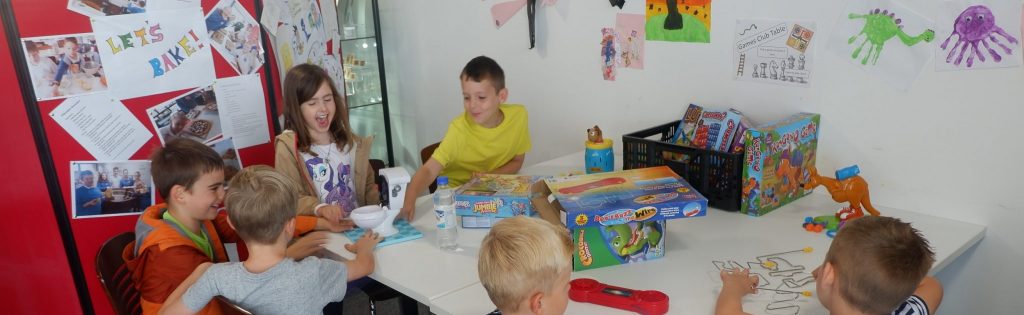
young people playing board games in The Devil's Porridge Museum at Games Club.

Termtime Clubs

By Archive

After the success of our summer of fun we have decided to run a number of clubs during term time from the 24th of August until the start of the October holidays. We will be running a variety of clubs some of which are new and some of which are continued from our Summer of Fun.

Here is a list of the clubs which will be running and what dates and times they will be running from:

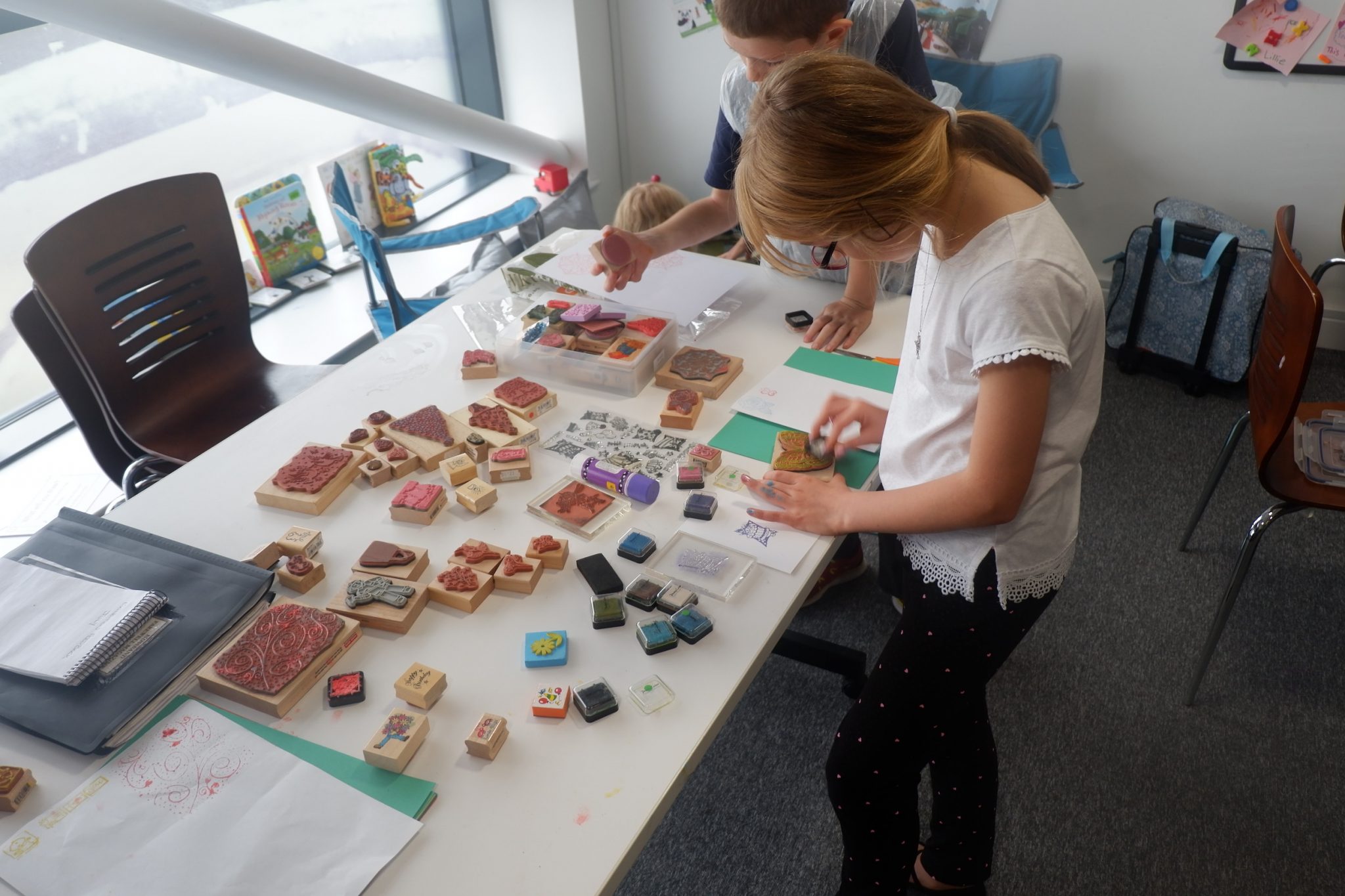
Arts and Crafts Club

Every Monday from the 26th of August from 3.15 PM to 4.15 PM, The Devil’s Porridge holds an Arts and Crafts club. With expert help, from Wendy and Alison, young people can learn new skills, develop their talents and make fantastic craft projects to take home with them. All resources are provided, and all sessions are free! No need to book.

Arts and Crafts Club

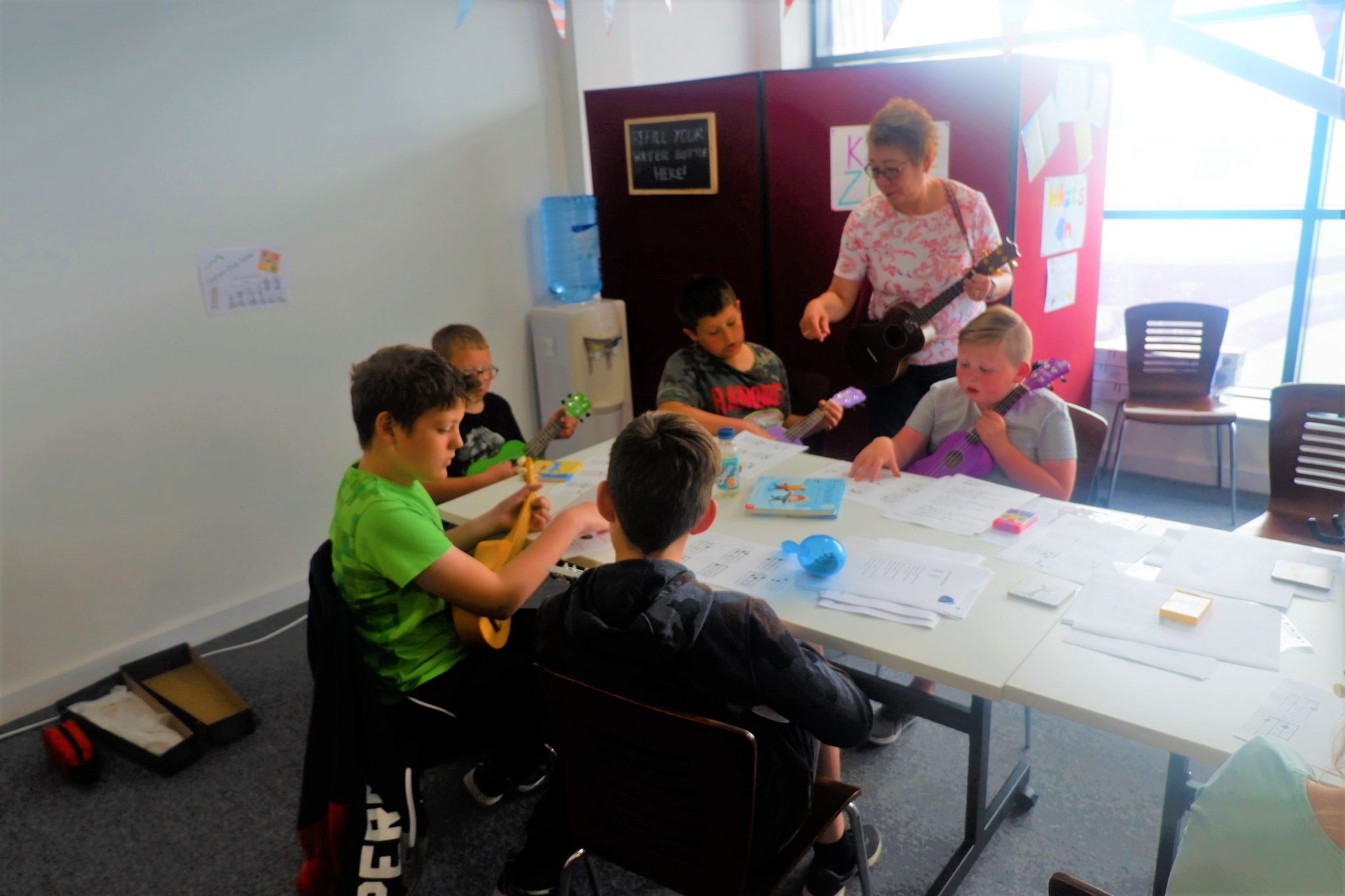
Learn the Ukulele

Learn the Ukulele will take place every Tuesday from the 27th of August from 4.00 PM to 5.00 PM. The ukulele is an incredibly social  instrument because its not intimidating at all and can be played by anyone, young or old, musician or non-musician. Its happy, joyful tone make it a delight to play and accessible for everyone. Our learn the ukulele sessions are aimed at beginners of all ages. Join Stephen Oswald for a 7-week block of exciting lessons and learn to play this fun and enjoyable instrument. Ukulele’s are provided, and all sessions are free. Booking is essential please contact: steven@devilsporridge.org.uk

Ukulele Club

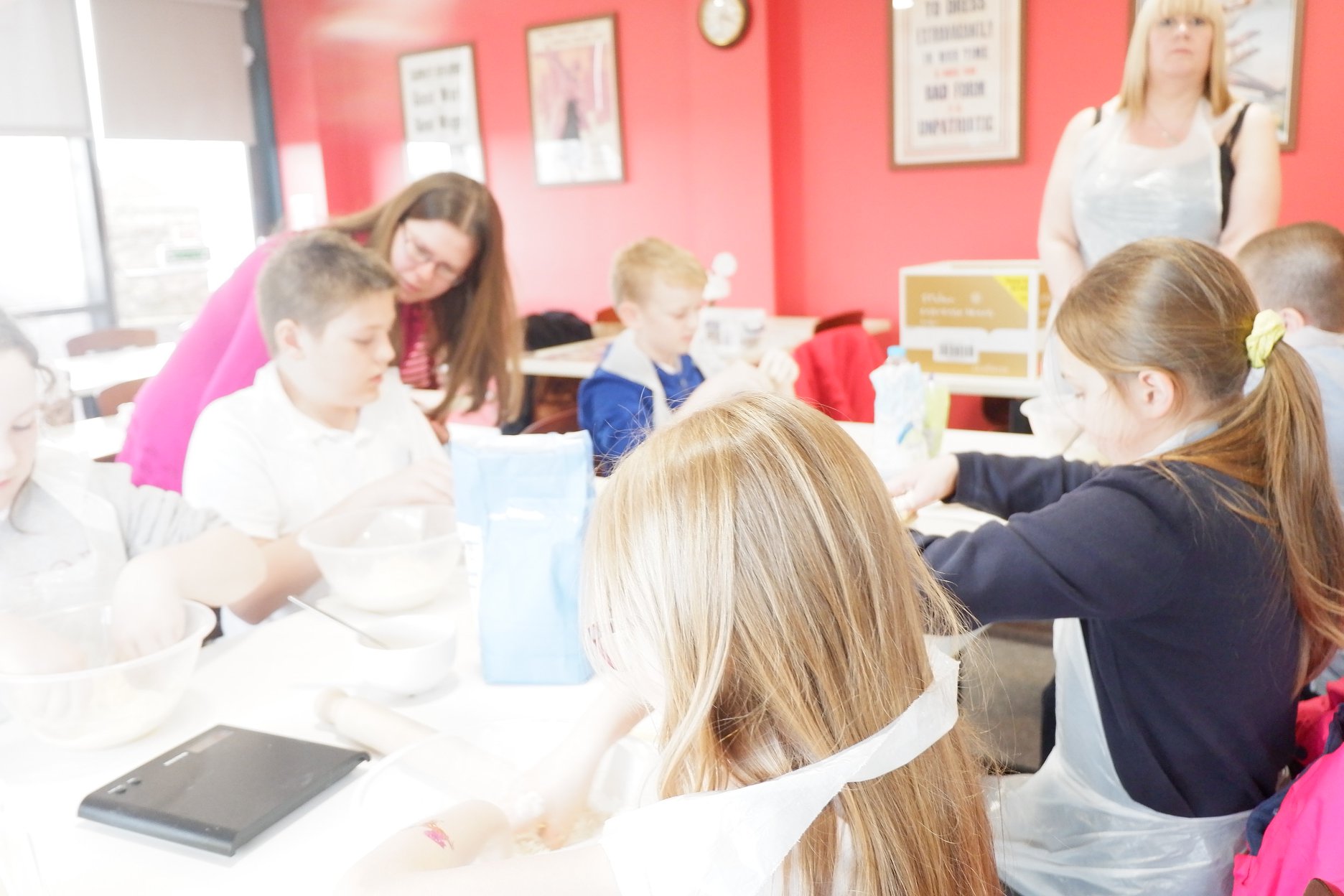
Let’s Bake

Let’s Bake will take place from Wednesday the 28th of August from 3.15 PM – 4.30 PM. Have fun in the kitchen learning some new skills and try out some exciting recipes. Over this 6-week block of Let’s Bake we will be exploring The Great War Bake Off Recipe Book. All ingredients are provided, and all sessions are free. Booking essential, contact: steven@devilsporridge.org.uk

Lets Bake

Young Historians Club

Young Historians Club will be taking place from Thursday the 29th of August from 4.00 PM – 5.00 PM. A club designed for budding young historians. Join our young historians and take part in fun activities and projects all based around historical time periods and themes. We are going to start exploring Animals in War as part of the museums upcoming Animals in War pop-up display within the museums education room. All resources are provided, and all sessions are free! No need to book.

History books

Creative Colouring

Creative colouring will take place from Friday the 30th of August from 3.15 PM – 4.15 PM. The relaxation and therapeutic benefits of colouring are well documented. So, what better way to finish the week than spending an hour indulging in this simple pleasure. Bring your colouring book from home or use one of ours, along with our stock of coloured pens, pencils and crayons. This is an intergenerational activity and the whole family is welcome to come along and have fun! All resources are provided, and all sessions are free! No need to book.

Colouring in books

Also join us for some of our other clubs including Pokémon Club which takes place every Saturday starting on the 24th of August from 11 AM – 12 noon.  Games club which also takes place every Saturday starting on the 24th of August from 2.00 PM – 3.00 PM. Gardening Club also takes place every Sunday starting on the 25th of August from 11 AM – 12 Noon. These clubs do not need to be booked.

New object of the month in August 2019.

New Object of the Month

By Collections blog

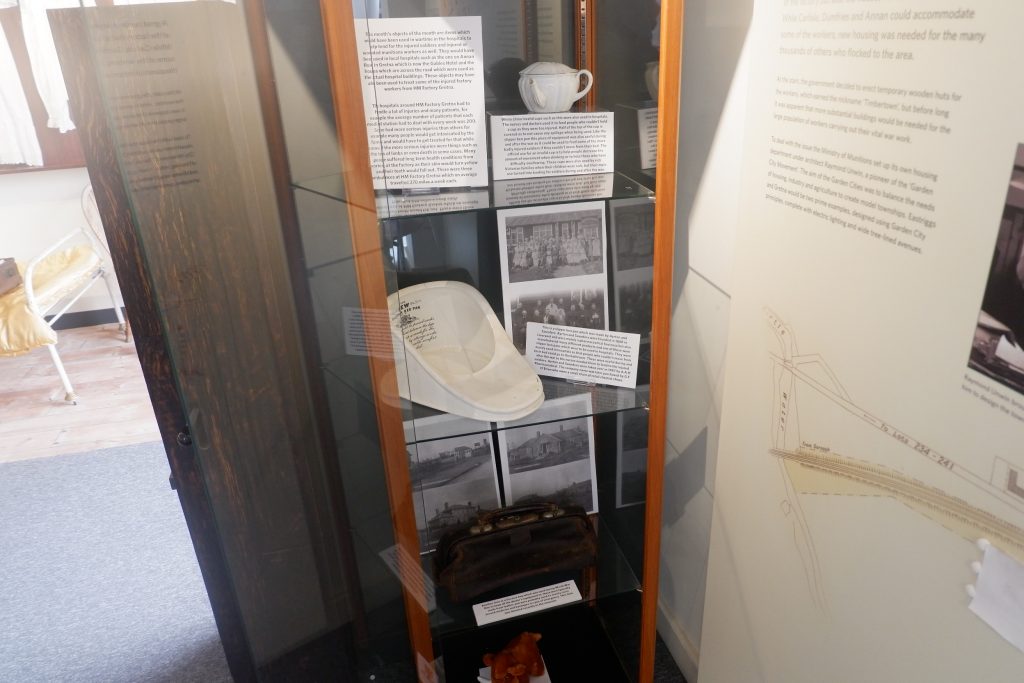
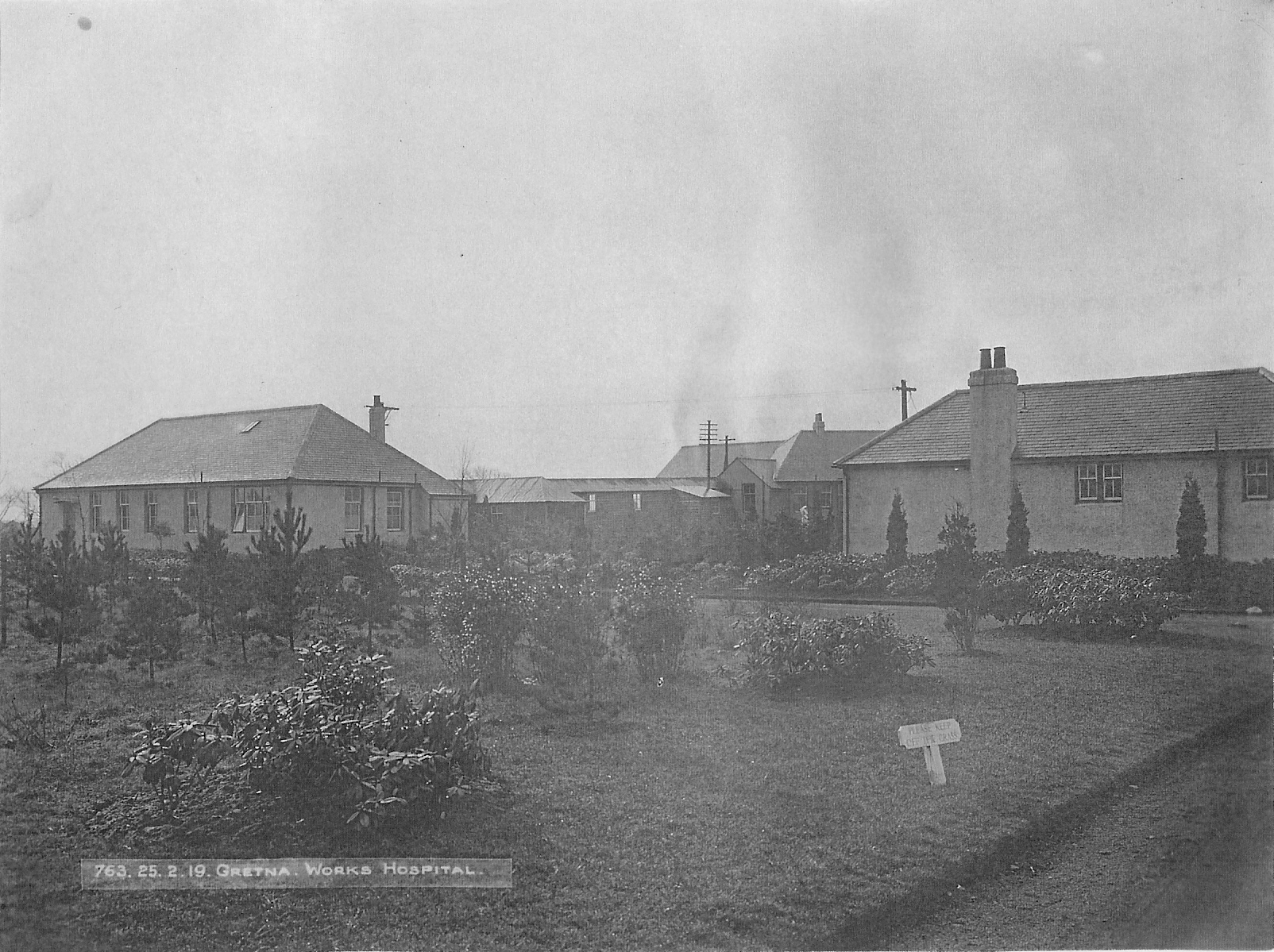
This month’s objects of the month are items which would have been used in wartime in the hospitals to help tend for the injured soldiers and injured or wounded munitions workers as well. They would have been used in local hospitals such as the one on Annan Road in Gretna which is now the Gables Hotel and the houses which are across the road which were used as the actual hospital buildings. These objects may have also been used to treat some of the injured factory workers from HM Factory Gretna.

Gretna Hospital

The hospitals around HM Factory Gretna had to handle a lot of injuries and many patients, for example the average number of patients that each medical station had to deal with every week was 200. Some had more serious injuries than others for example many people would get intoxicated by the fumes and would have to get treated for that while some of the more serious injuries were things such as the loss of limbs or even death in some cases. Many people suffered long term health conditions from working at the factory as their skin would turn yellow and their teeth would fall out. There were three ambulances at HM Factory Gretna which on average travelled 370 miles a week each.

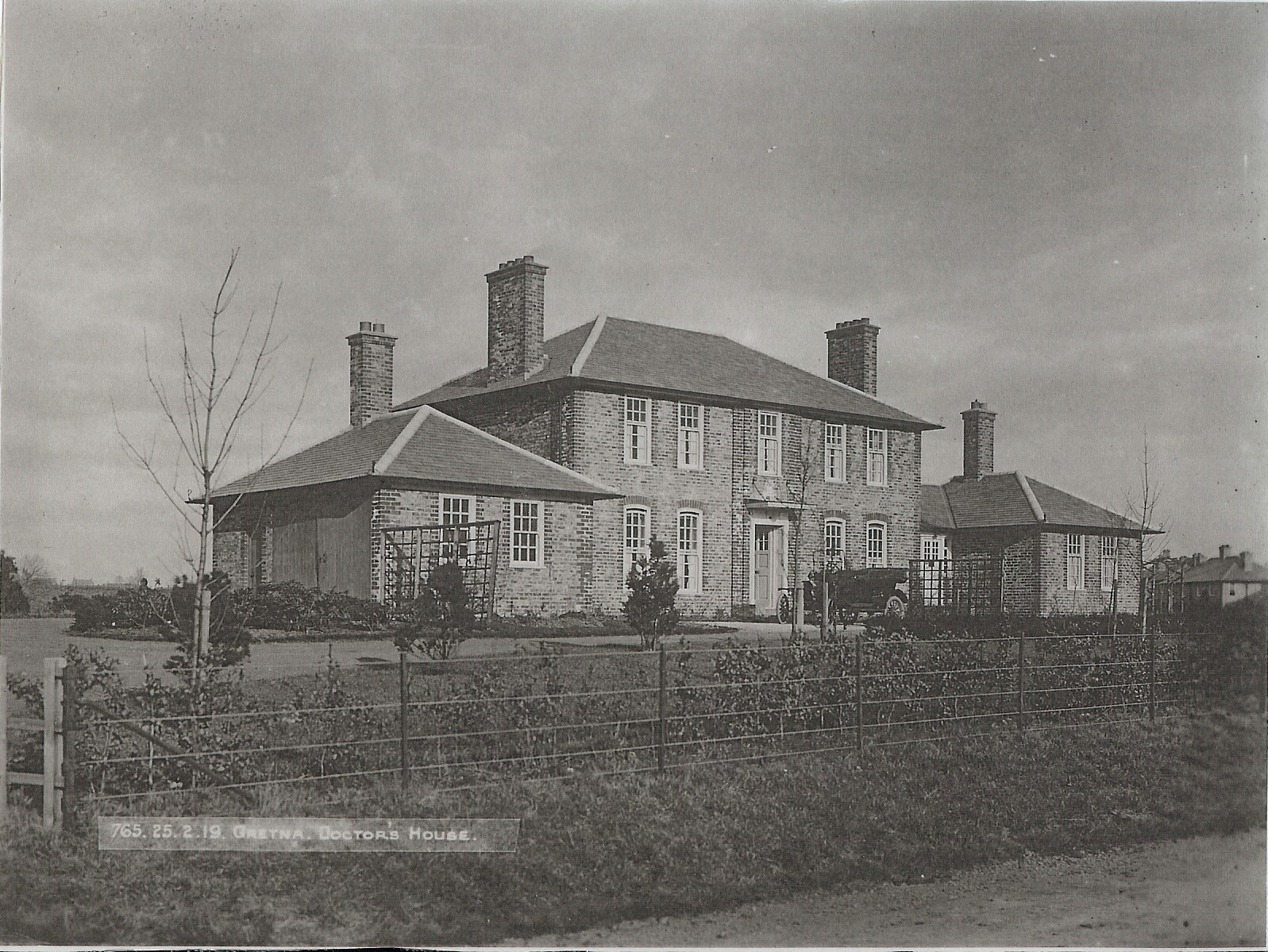
Doctors house in Gretna

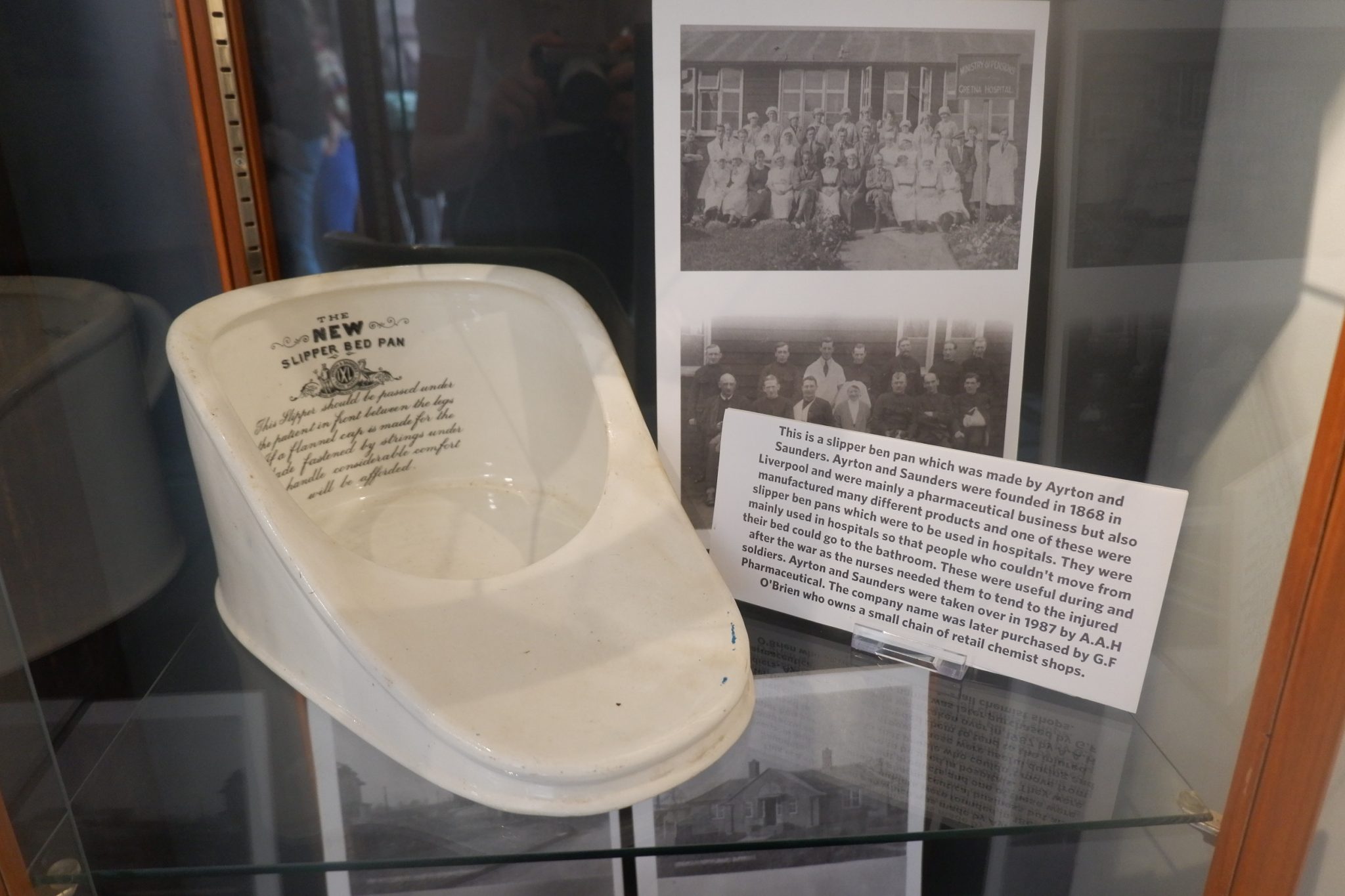
This is a slipper bed pan which was made by Ayrton and Saunders. Ayrton and Saunders were founded in 1868 in Liverpool and were mainly a pharmaceutical business but also manufactured many different products and one of these were slipper ben pans which were to be used in hospitals. They were mainly used in hospitals so that people who couldn’t move from their bed could go to the bathroom. These were useful during and after the war as the nurses needed them to tend to the injured soldiers. Ayrton and Saunders were taken over in 1987 by A.A.H Pharmaceutical. The company name was later purchased by G.F O’Brien who owns a small chain of retail chemist shops.

Slipper Bed Pan

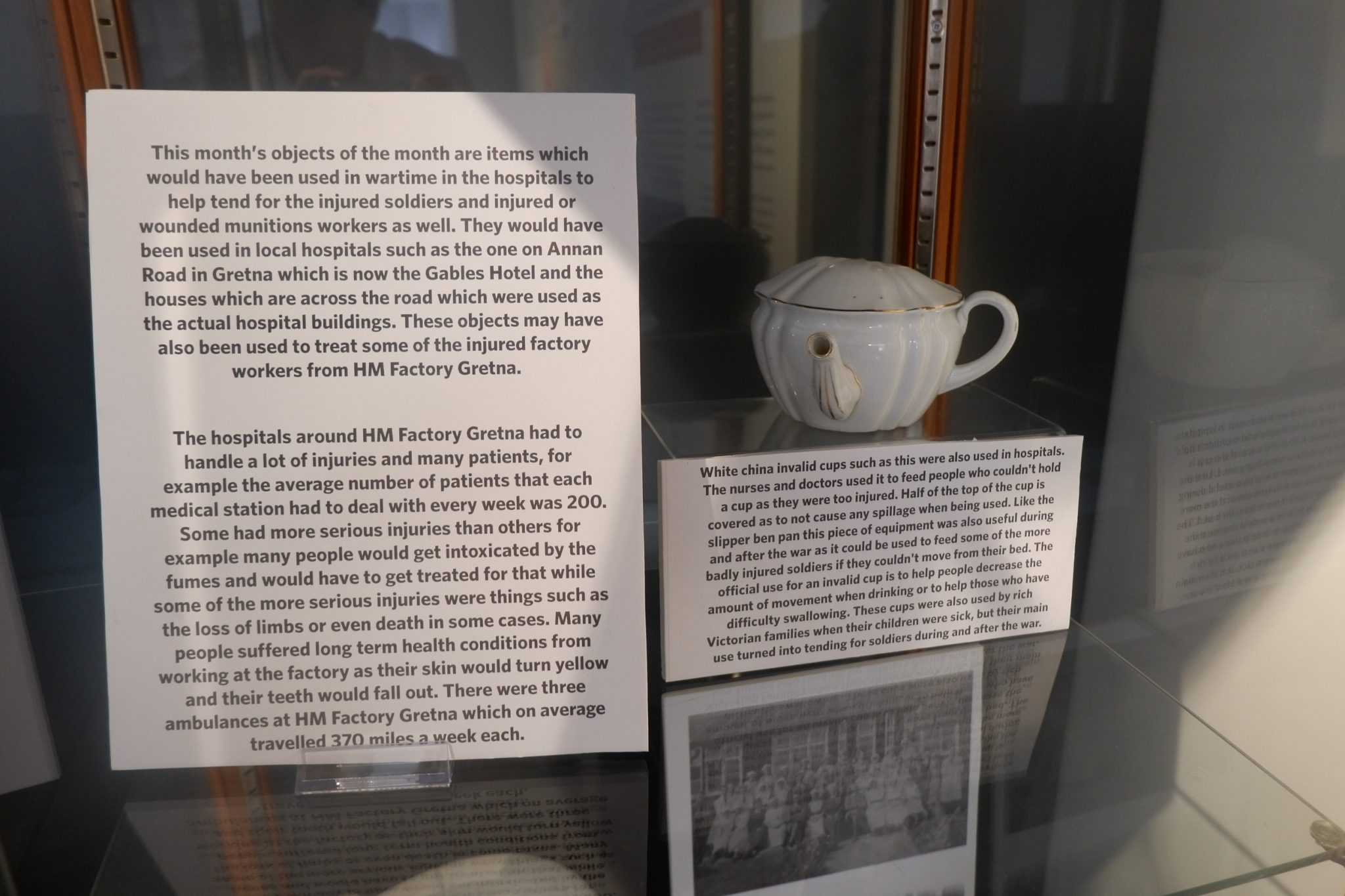
White china invalid cups such as this were also used in hospitals. The nurses and doctors used it to feed people who couldn’t hold a cup as they were too injured. Half of the top of the cup is covered as to not cause any spillage when being used. Like the slipper ben pan this piece of equipment was also useful during and after the war as it could be used to feed some of the more badly injured soldiers if they couldn’t move from their bed. The official use for an invalid cup is to help people decrease the amount of movement when drinking or to help those who have difficulty swallowing. These cups were also used by rich Victorian families when their children were sick, but their main use turned into tending for soldiers during and after the war.

Invalid cup

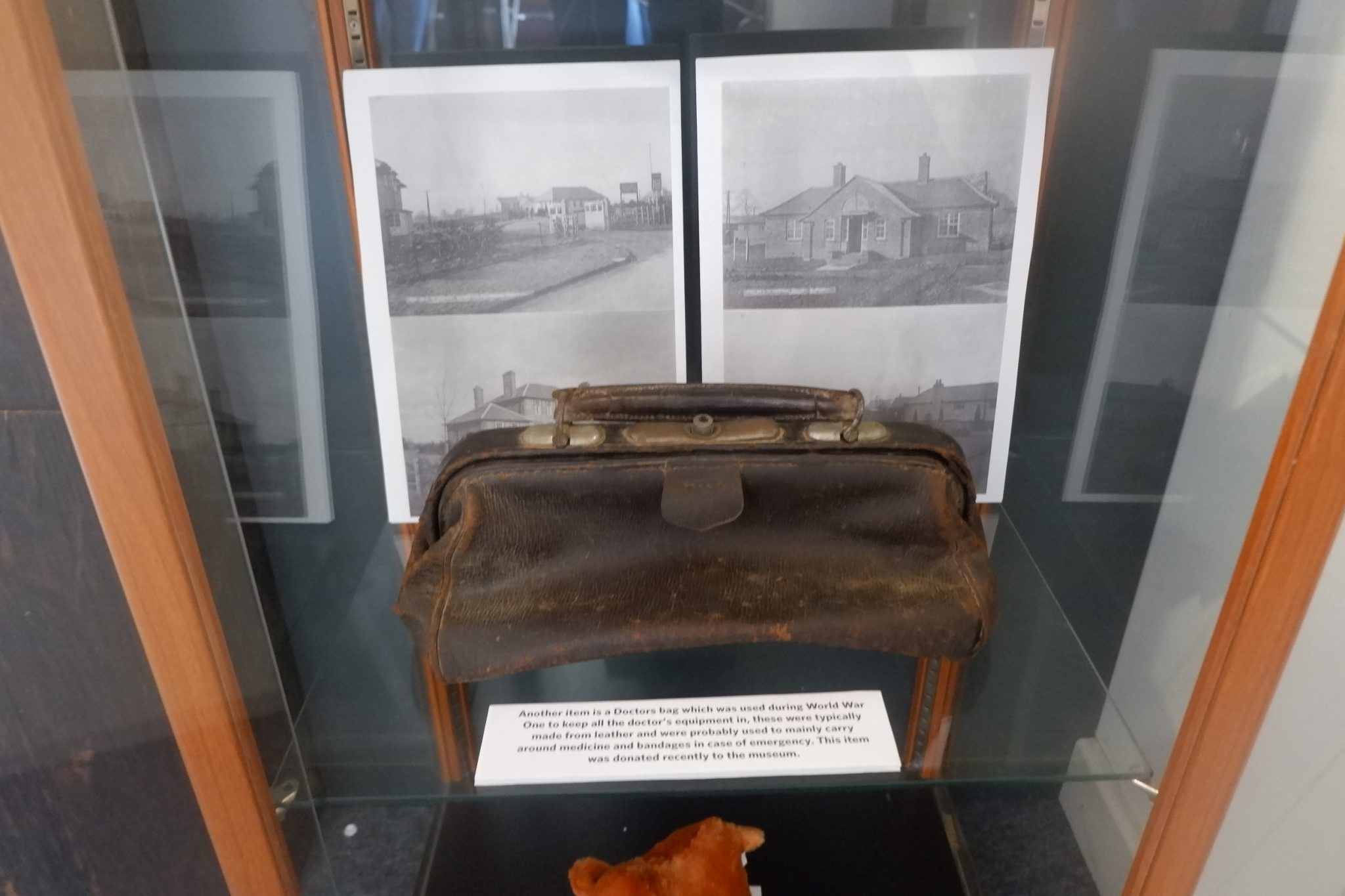
Another item is a Doctors bag which was used during World War One to keep all the doctor’s equipment in, these were typically made from leather and were probably used to mainly carry around medicine and bandages in case of emergency. This item was donated recently to the museum.

Doctors bag

HM Factory Gretna Worker

Gretna Girls

By Collections blog

HM Factory Gretna

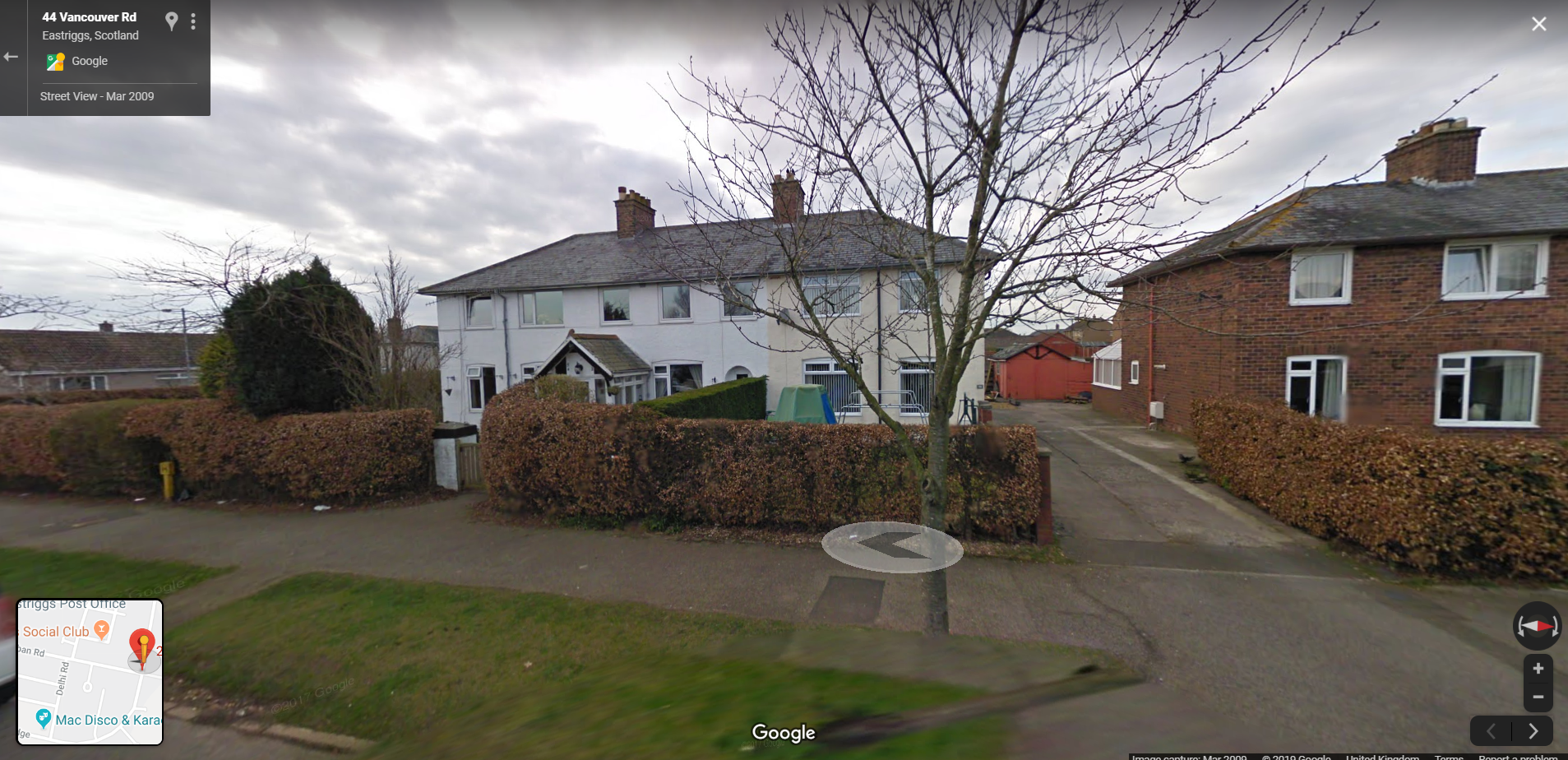
A very kind gentleman has recently sent some photos of people who worked in HM Factory Gretna and has provided us with most of their names. We also know where one of them stayed and what her badge number was, she lived in Scott House in Eastriggs which still stands today but as 25 Vancouver Road. The photo below is of 25 Vancouver road in 2009. The hostel has been split up into 2 houses after it was sold off when World War One finished.

25 Vancouver Road

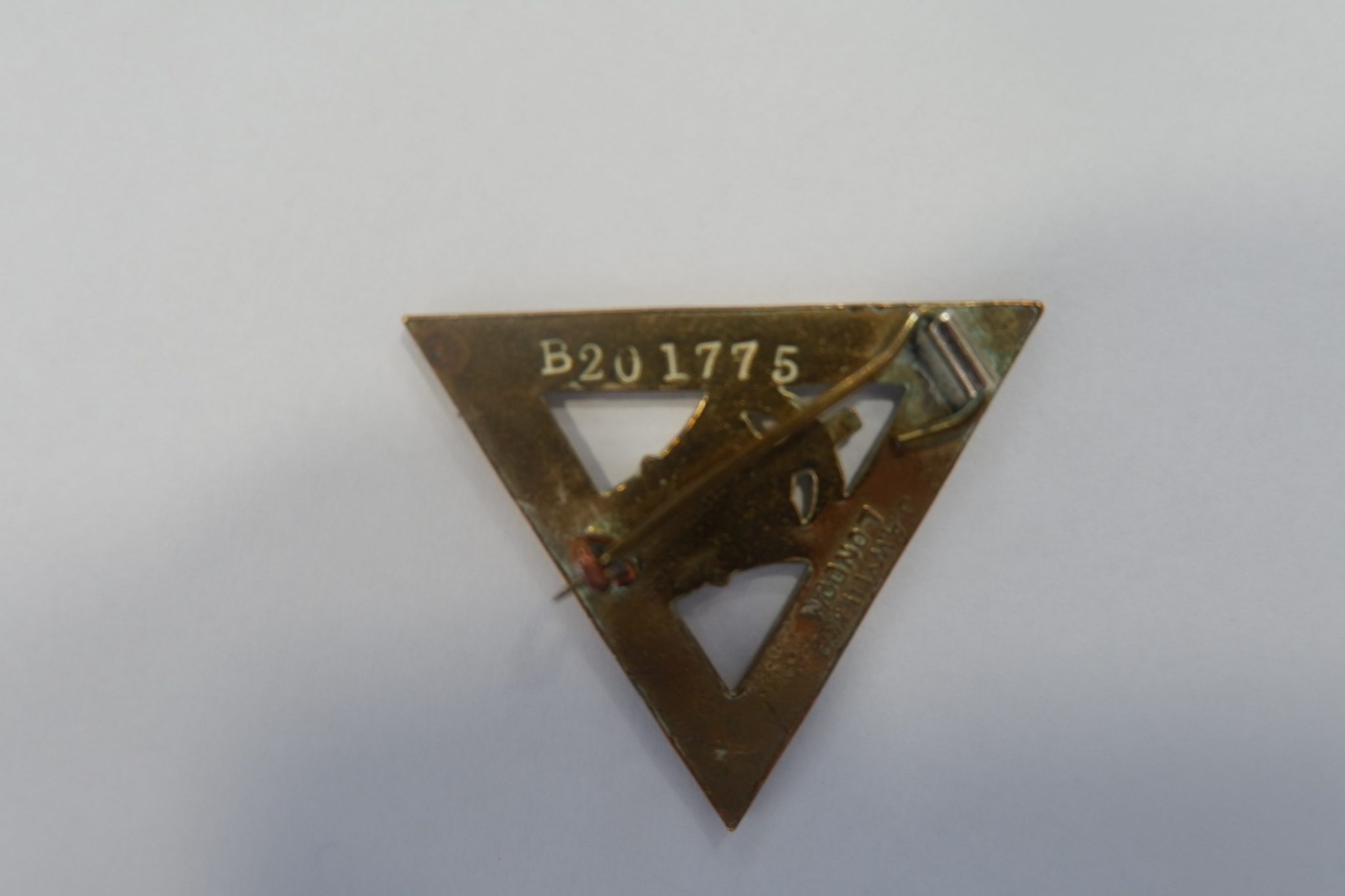
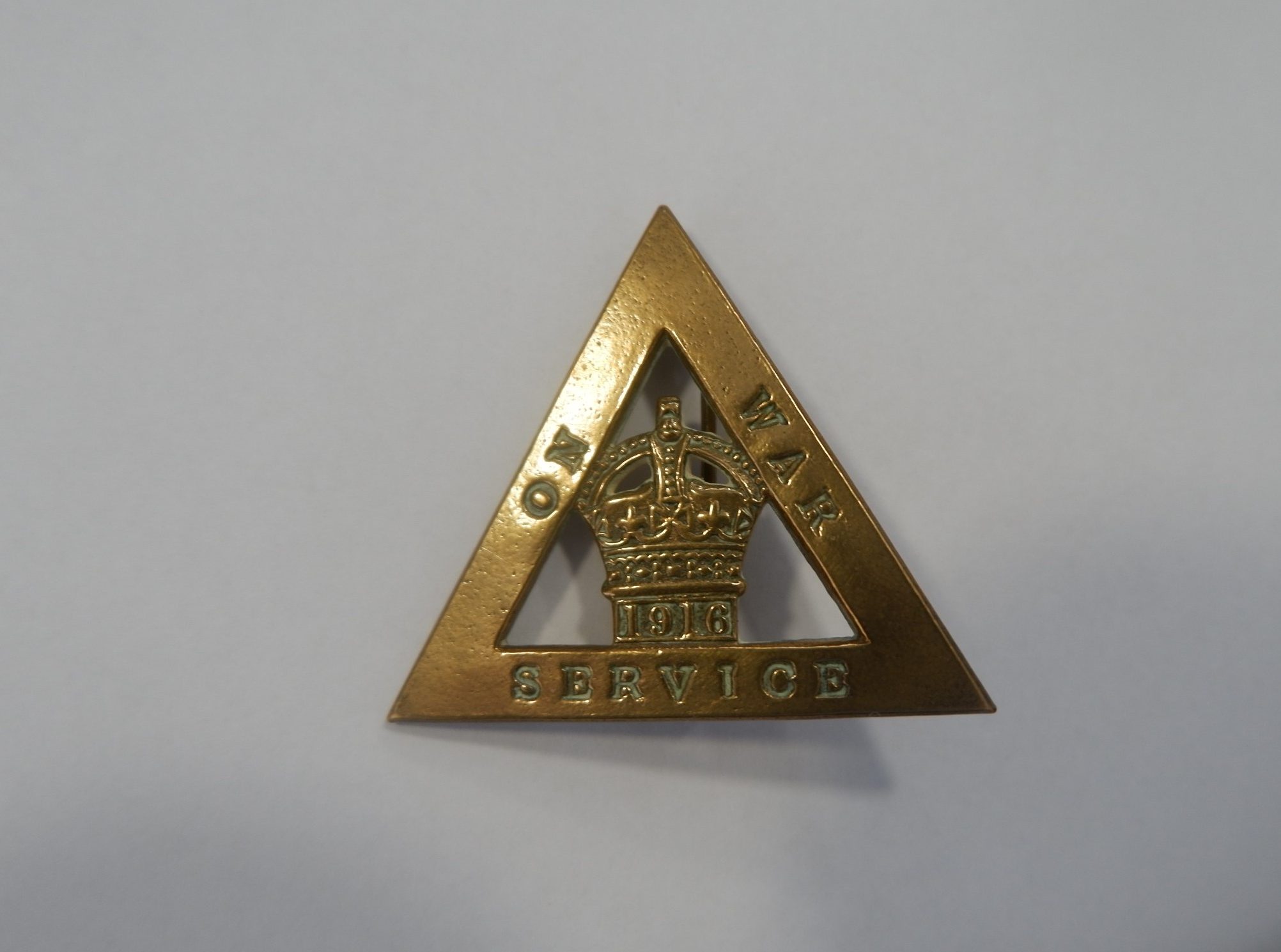
Many of the photos of people who used to work at the munition’s factory look like they were done in the same photography studio which must have been local to the factory. Everyone who worked at the factory was also given a badge to show they were working there this was mainly for the men as people would question them on the street as to why they were not overseas fighting, they could then show them their munitions badge which reads “on war service”. Women were also given the badges and around 270,000 were handed out in 1916 with their own unique ID number engraved into it. If the workers wanted a badge, then they would have to complete two months of job training.

These badges are also used as the Museums logo and we have a display inside the Museum with some of the badges on display and we also have some more in our store which are not on display as there were many from the local area as 12,000 women worked here. These badges were also a sense of pride for the workers in the factories and also gave them priority boarding and concessions fare on public transport.

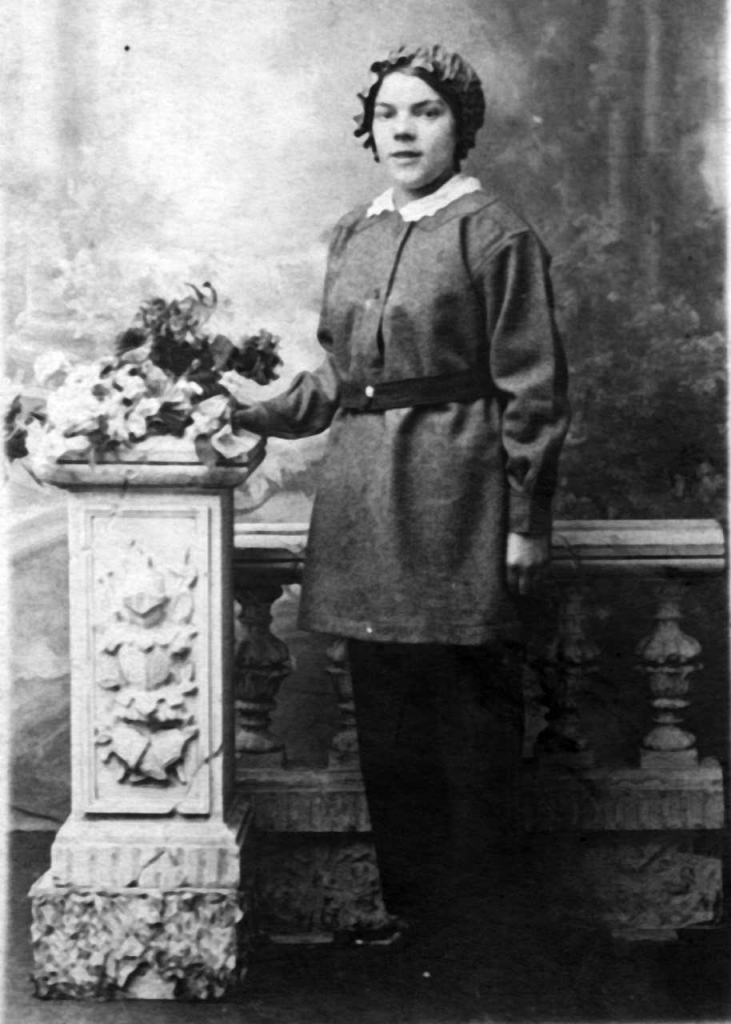
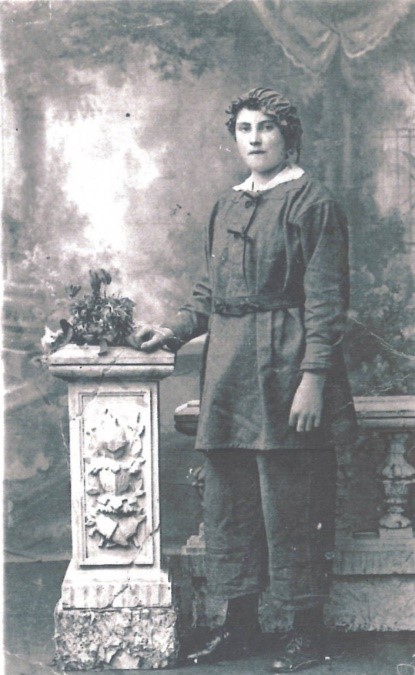
Here is a photo of one of the women we already knew worked at HM Factory Gretna, this photo is of a woman called Barbara Stewart who was born in 1900 and worked at HM Factory Gretna from 1917 – 1918 she then married William Dalrymple of Annan in September 1918.

HM Factory Gretna Worker

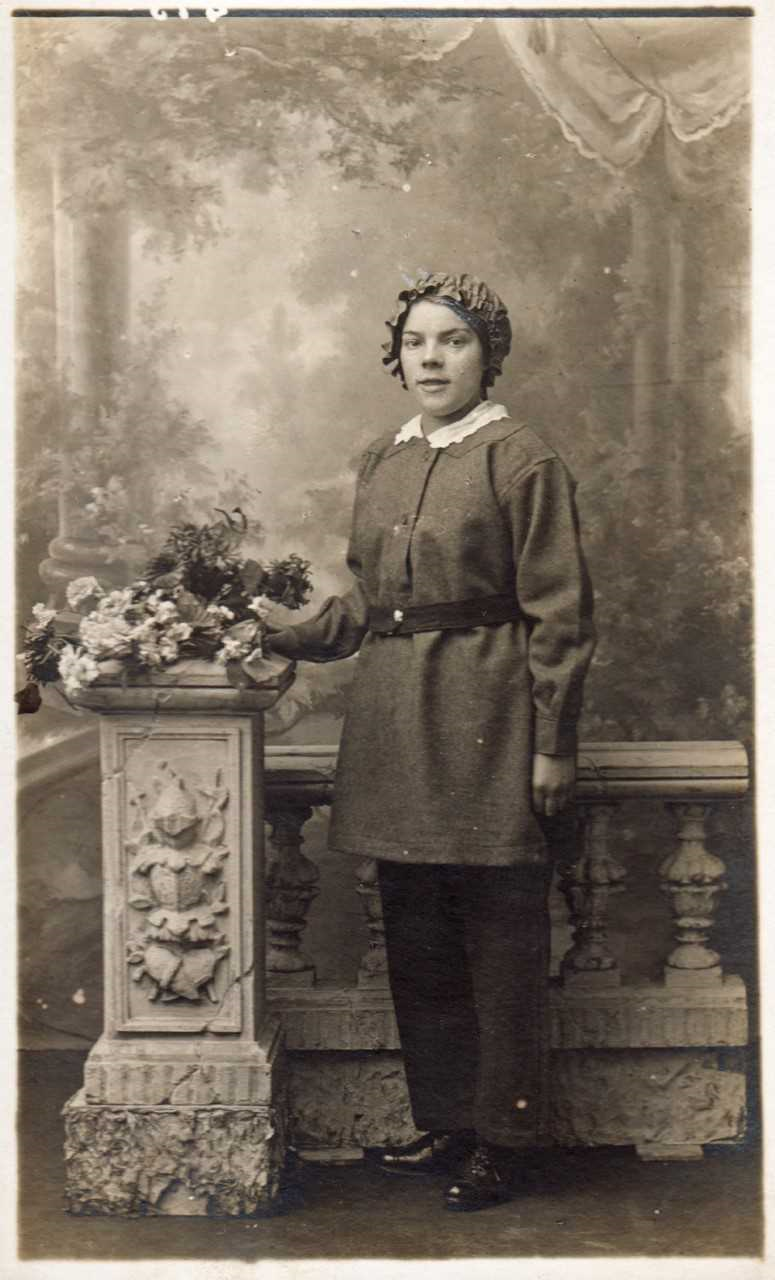
If this photo is compared to one which was sent to us recently then you can see the similarities in the setting of the photo. This is a photo of Sarah Jane Bell who was born in 1895 and then married in 1923 to Robert W Johnston.

HM Factory Gretna Worker

The backdrops of the photos are the same. This means that the photos which were donated are ones of people who worked at HM Factory Gretna.
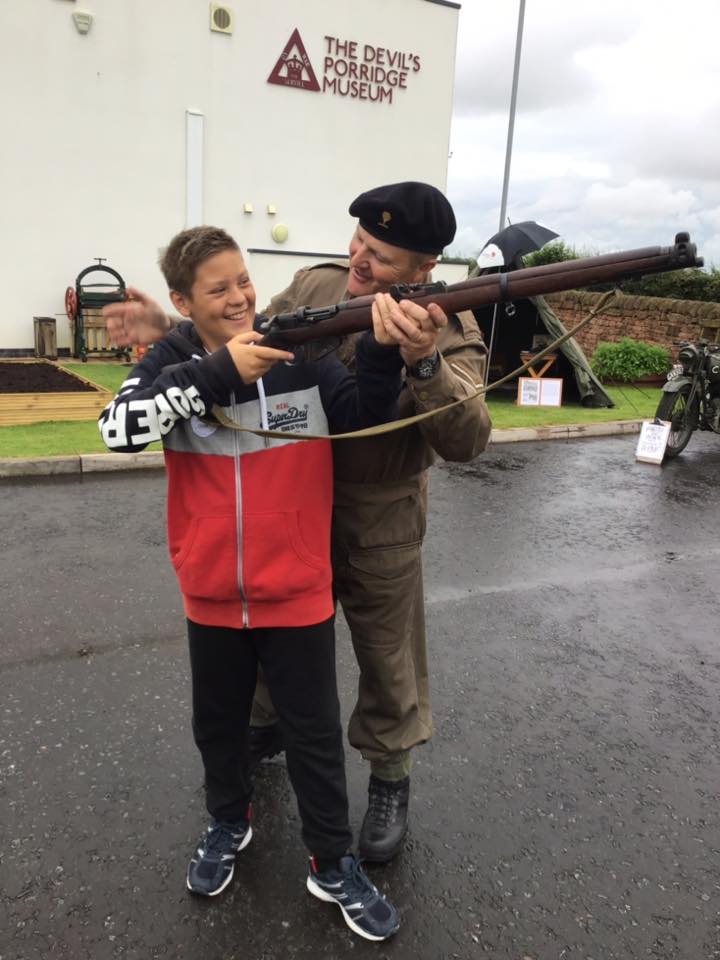
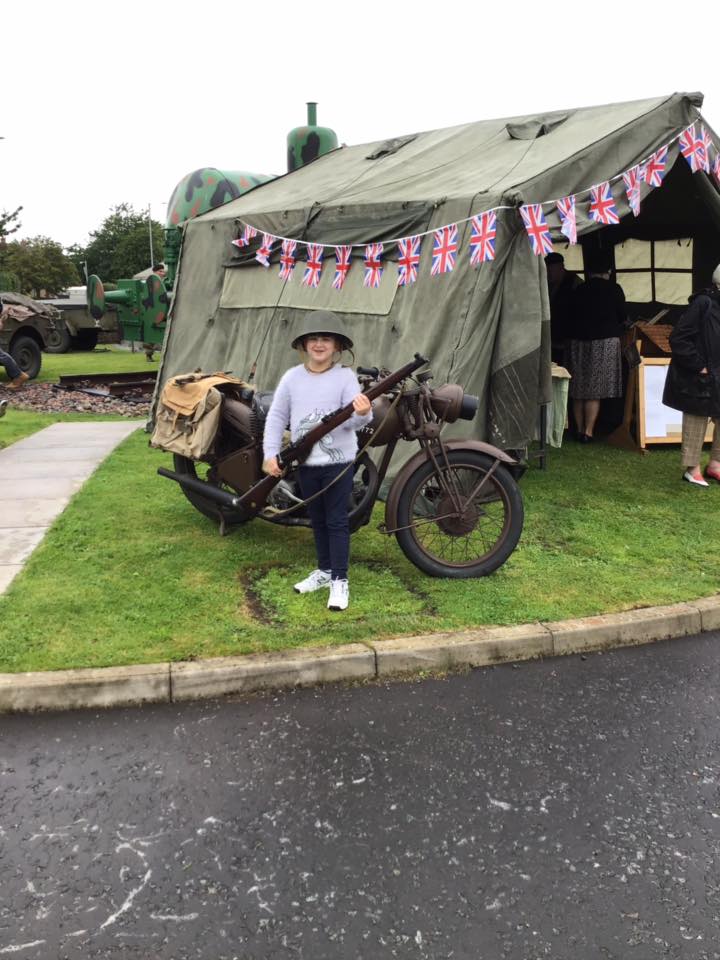
A living history reenactor stands beside a child holding a replica gun. They look happy.

Military vehicle weekend and social media takeover

By Archive

Military Vehicle Weekend and Social Media Takeover.


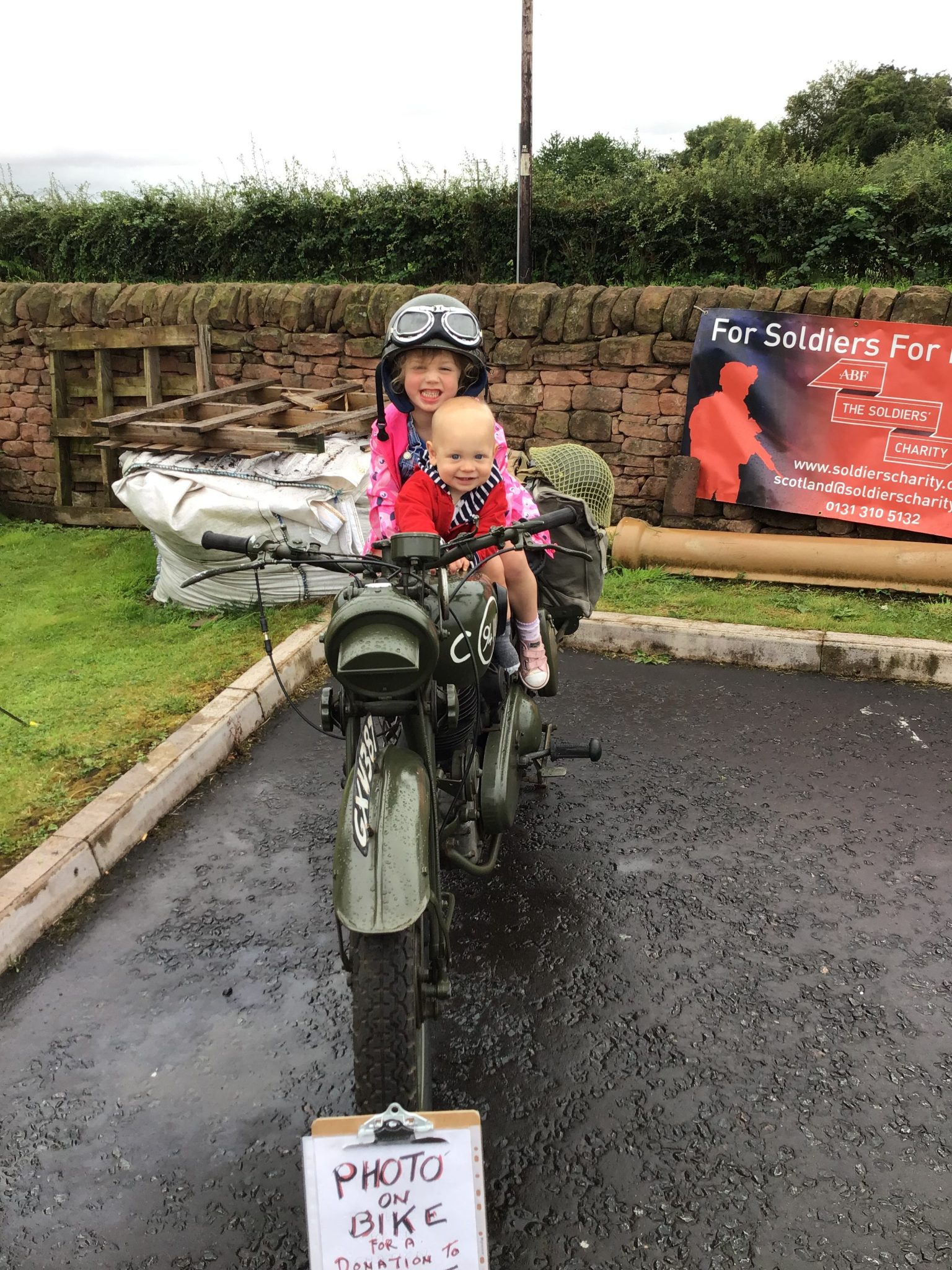
A military vehicle weekend took place at the Devil’s Porridge museum last weekend laid on by the Scottish Homefront Living History Society featuring vehicles and artefacts from World War One and Two. Despite the wet weather everyone enjoyed themselves and had great fun interacting with some of the different objects there such as a gun from World War One which many people enjoyed having their photograph taken with.

Military vehicle weekend 

But the military vehicle wasn’t the only exciting thing going on at the museum this weekend. For the first time ever the staff and volunteers at The Devil’s Porridge handed control of their social media over to a group of keen young volunteers.

Military vehicle weekend 

The Museum Manager, Judith Hewitt had the following to say about the social media takeover. “We’ve been putting young people at the heart of our museum for the past couple of years and this weekend they completely took over (our social media!)  It’s great to communicate ideas about the past in this modern medium and to connect with a younger audience.  Our young volunteers were wearing ‘I’m taking over stickers’ all day and took some great photos and videos to upload online.  Thanks to Morgan, Jake and Elliot for taking part and taking us over!  It’s going to be an exciting few months at the museum as we wait to hear whether we have won the “Most Family Friendly Museum in the UK” award and also take part in a full-on museum takeover day in November.”

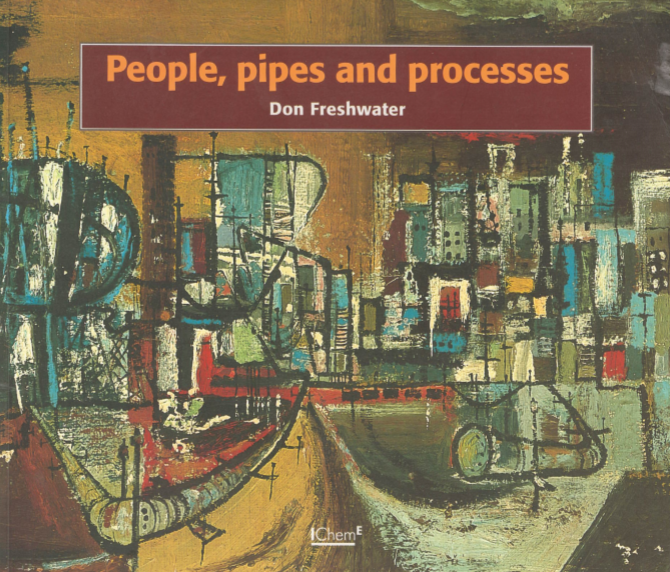
People, Pipes and Processes by Bon Freshwater. Book front cover.

People, Pipes and Processes

By Collections blog

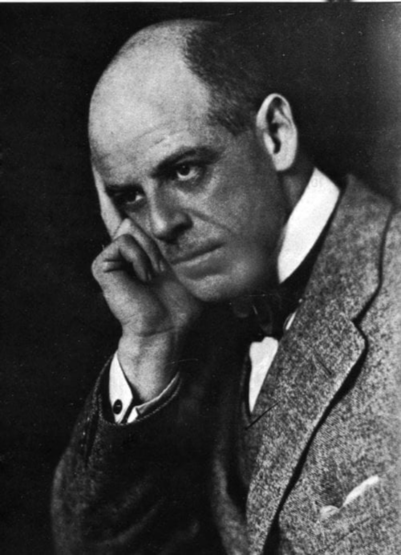
Kenneth Bingham Quinan

KBQKBQ was born in New Jersey in 1878. KBQ had a normal schooling but no higher education. He spent some time aboard a sailing ship and then joined his uncle in 1890 at an industrial explosives factory in Pinole, California. He spent 10 years there learning on the job with his uncle.
From 1909 to December 1914 KBQ was general manager of Cape Explosives works. This factory had 1000 native employees and 350 Europeans.

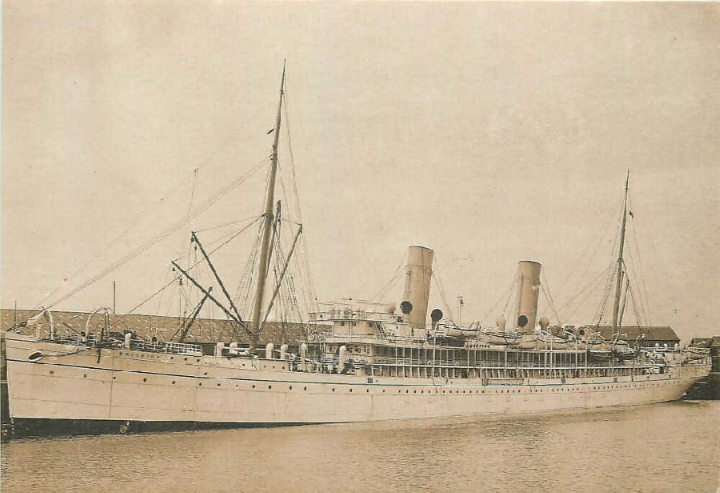
On December 19th 1914 a cable sent from the high commission for South Africa in London stating that K B Quinan was urgently required in Britain. It is said that the steamship that KBQ boarded to get to Britain delayed its departure for an hour to enable that the man of the moment could board (this was a  very unusual occurrence and suggests how important KBQ was to the British).

SteamboatQuinan was put in charge of the Factories Branch of the Ministry of Munitions (about 20 factories in total). He worked seven days a week throughout the War and was mainly based in London in his offices at Storey’s Gate.
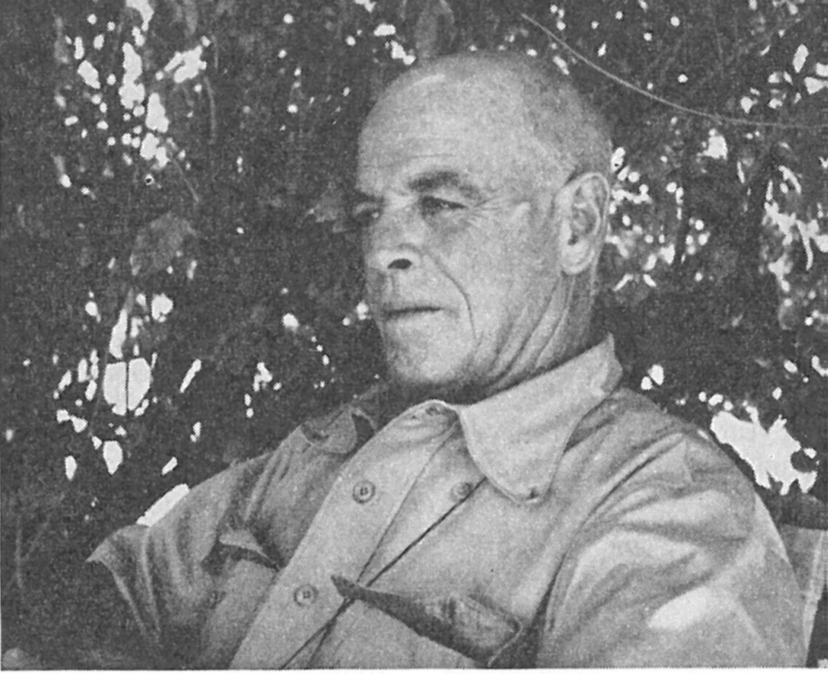
Quinan’s approach was meticulous. He created over 300 technical manuals and he demanded his staff create similar exemplars. These were then circulated throughout the factories so everyone could learn from each other and understand what processes were effective.

At the end of the war Quinan was 40 years old. He was offered a knighthood which he turned down (as an American, he didn’t think it was appropriate). He also received official thanks from the House of Commons and a gift of £10,000. And in 1919 he returned to South Africa.

On the 31st of December he married Jean Pargiter and they had two sons. He then retired on his fruit farm in Somerset West where he built a laboratory and dedicated himself to grape production. Then in 1942 he was invited by the British Government to be Senior Representative in South Africa for Chemical Defence Matters, he worked tirelessly in munitions manufacture again. Unfortunately then on January 26th at 11am 1948 he collapsed and died at his desk in his office.
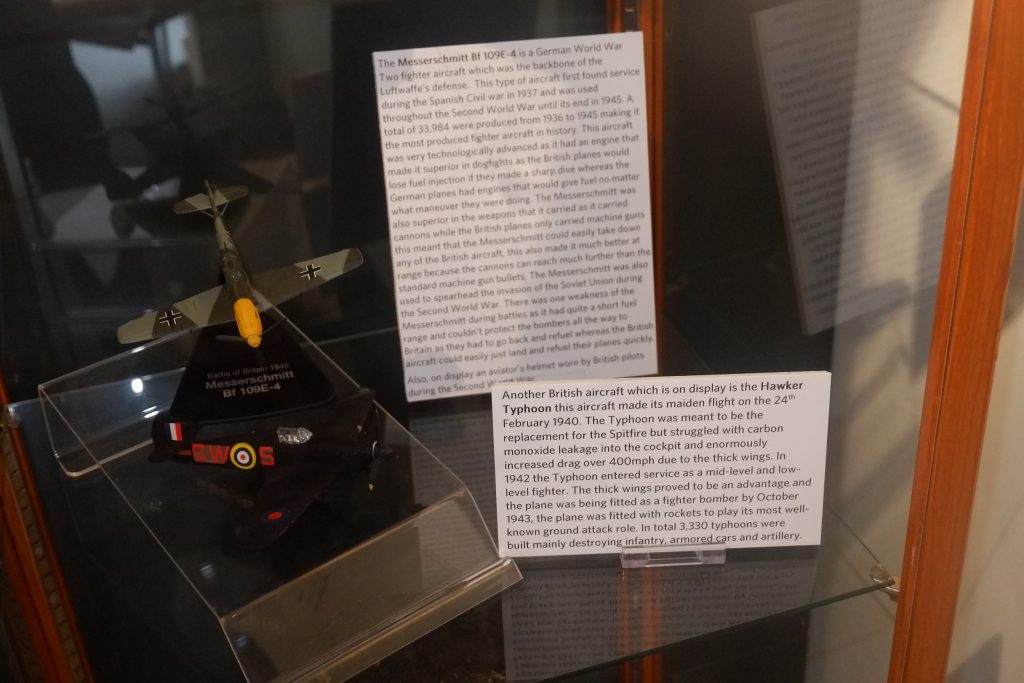
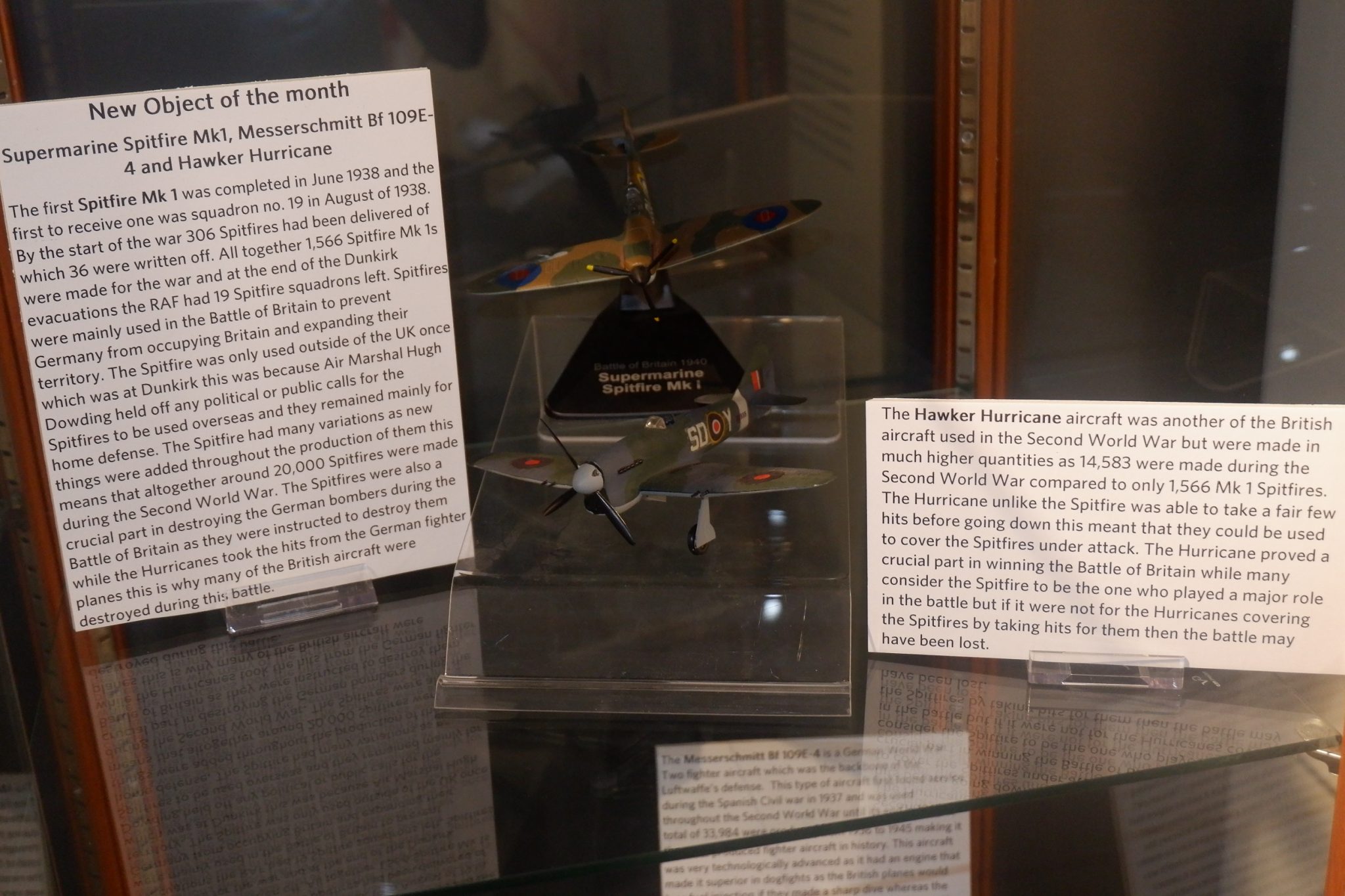
 

Devil's porridge object of the month for July 2019. A model plane.

New object of the month

By Collections blog

New Object of the month

Supermarine Spitfire Mk1, Messerschmitt Bf 109E-4, Hawker Hurricane and Hawker Typhoon


Devil's porridge object of the month

The first Spitfire Mk 1 was completed in June 1938 and the first to receive one was squadron no. 19 in August of 1938. By the start of the war 306 Spitfires had been delivered of which 36 were written off. All together 1,566 Spitfire Mk 1s were made for the war and at the end of the Dunkirk evacuations the RAF had 19 Spitfire squadrons left. Spitfires were mainly used in the Battle of Britain to prevent Germany from occupying Britain and expanding their territory. The Spitfire was only used outside of the UK once which was at Dunkirk this was because Air Marshal Hugh Dowding held off any political or public calls for the Spitfires to be used overseas and they remained mainly for home defense. The Spitfire had many variations as new things were added throughout the production of them this means that altogether around 20,000 Spitfires were made during the Second World War. The Spitfires were also a crucial part in destroying the German bombers during the Battle of Britain as they were instructed to destroy them while the Hurricanes took the hits from the German fighter planes this is why many of the British aircraft were destroyed during this battle.

The Hawker Hurricane aircraft was another of the British aircraft used in the Second World War but were made in much higher quantities as 14,583 were made during the Second World War compared to only 1,566 Mk 1 Spitfires. The Hurricane unlike the Spitfire was able to take a fair few hits before going down this meant that they could be used to cover the Spitfires under attack. The Hurricane proved a crucial part in winning the Battle of Britain while many consider the Spitfire to be the one who played a major role in the battle but if it were not for the Hurricanes covering the Spitfires by taking hits for them then the battle may have been lost.

Another British aircraft which is on display is the Hawker Typhoon this aircraft made its maiden flight on the 24th February 1940. The Typhoon was meant to be the replacement for the Spitfire but struggled with carbon monoxide leakage into the cockpit and enormously increased drag over 400mph due to the thick wings. In 1942 the Typhoon entered service as a mid-level and low-level fighter. The thick wings proved to be an advantage and the plane was being fitted as a fighter bomber by October 1943, the plane was fitted with rockets to play its most well-known ground attack role. In total 3,330 typhoons were built mainly destroying infantry, armored cars and artillery.

The Messerschmitt Bf 109E-4 is a German World War Two fighter aircraft which was the backbone of the Luftwaffe’s defense.  This type of aircraft first found service during the Spanish Civil war in 1937 and was used throughout the Second World War until its end in 1945. A total of 33,984 were produced from 1936 to 1945 making it the most produced fighter aircraft in history. This aircraft was very technologically advanced as it had an engine that made it superior in dogfights as the British planes would lose fuel injection if they made a sharp dive whereas the German planes had engines that would give fuel no matter what maneuver they were doing. The Messerschmitt was also superior in the weapons that it carried as it carried cannons while the British planes only carried machine guns this meant that the Messerschmitt could easily take down any of the British aircraft, this also made it much better at range because the cannons can reach much further than the standard machine gun bullets. The Messerschmitt was also used to spearhead the invasion of the Soviet Union during the Second World War. There was one weakness of the Messerschmitt during battles as it had quite a short fuel range and couldn’t protect the bombers all the way to Britain as they had to go back and refuel whereas the British aircraft could easily just land and refuel their planes quickly.

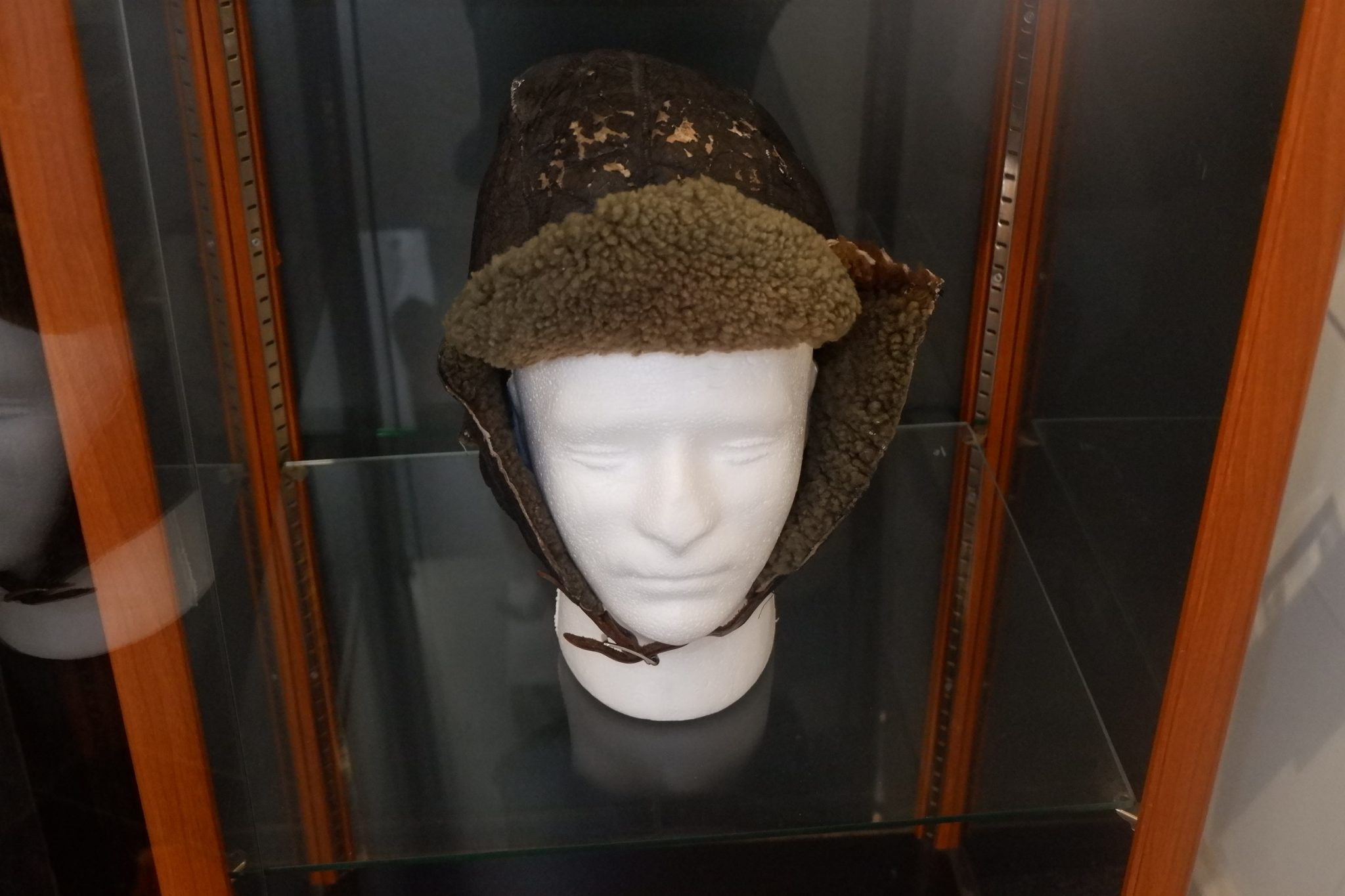
Aviator hat

Also, on display an aviator’s helmet worn by British pilots during the Second World War.

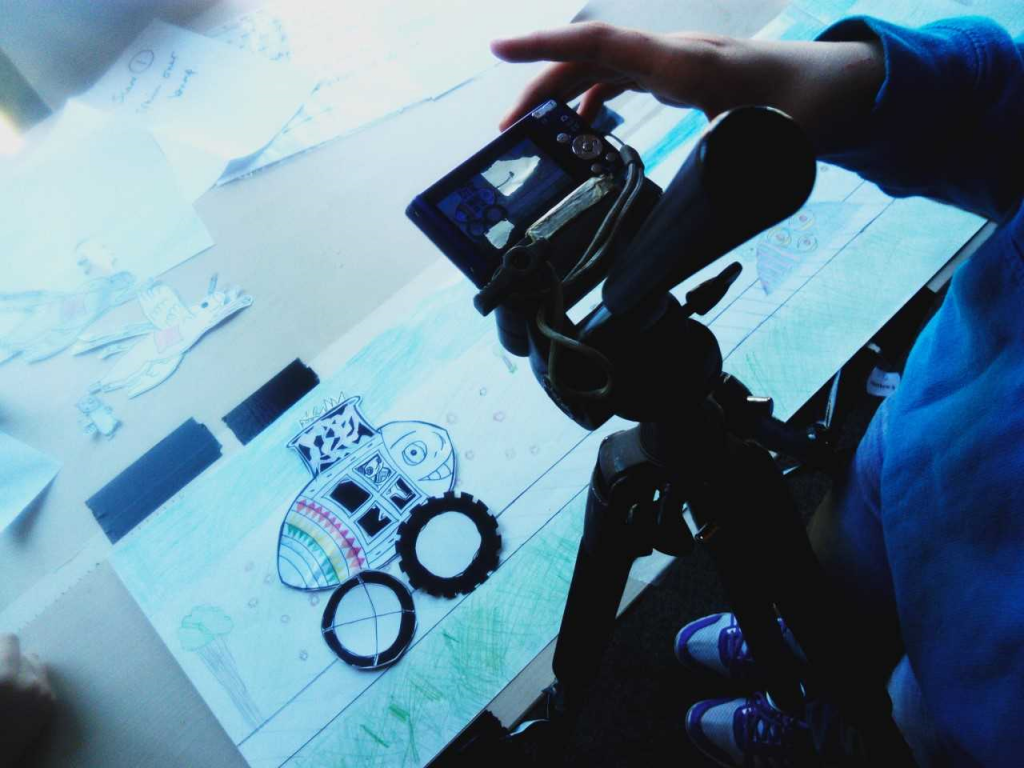
A person making an animation.

Stop motion animation workshop

By Archive

A chance to work with a professional film company on a stop motion animation featuring stories from World War 2.

The completed film will be played in the museum.

This will take place on the Saturday 28th and Sunday 29th of September from 10.00 to 16.00.

Young people must be 12 and over.

Booking is essential as there are only 10 spaces.

If you would like to book a space then you can email us at manager@devilsporridge.org.uk or phone at 01461 700021

Kids in Museums logo.

Kids in Museums Manifesto Day 2

By Archive

The Devil’s Porridge Museum has pledged to put families and young people at the heart of our museum through the Kids in Museums Manifesto!

Kids in Museums Manifesto pledge number 2:

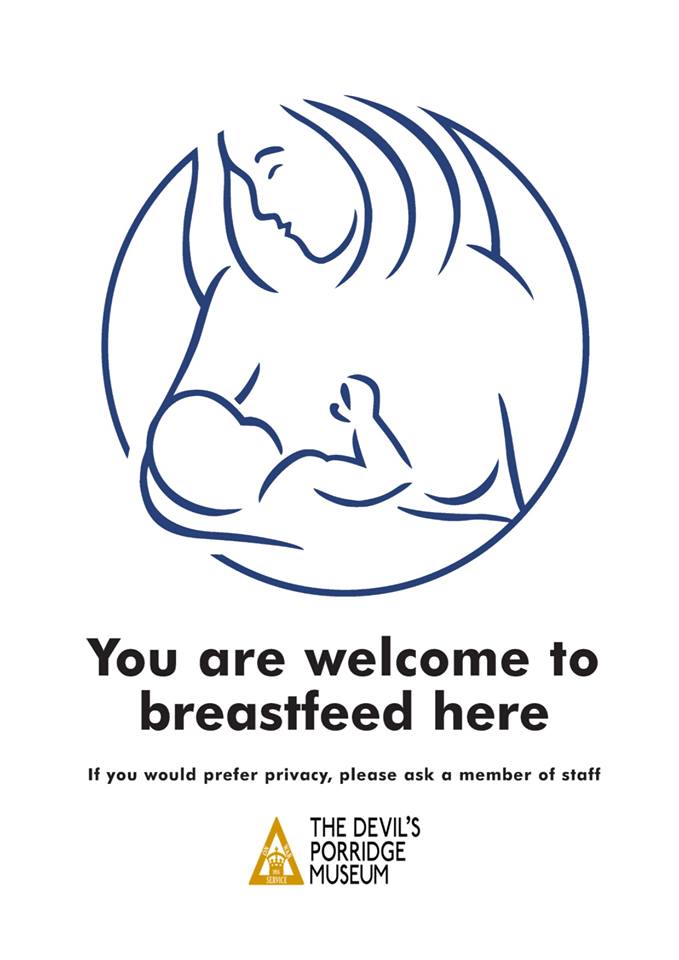
Make it easy and comfortable. Think about your facilities and spaces from a family’s perspective. Have seating for all generations to enjoy a rest. Can you provide a picnic area, make your café family friendly or direct people to reasonably-priced eateries nearby? Having baby changing facilities, a breastfeeding welcome attitude, booster steps in your toilets and somewhere to keep buggies is important for those with younger visitors.

Breastfeeding Welcome Poster

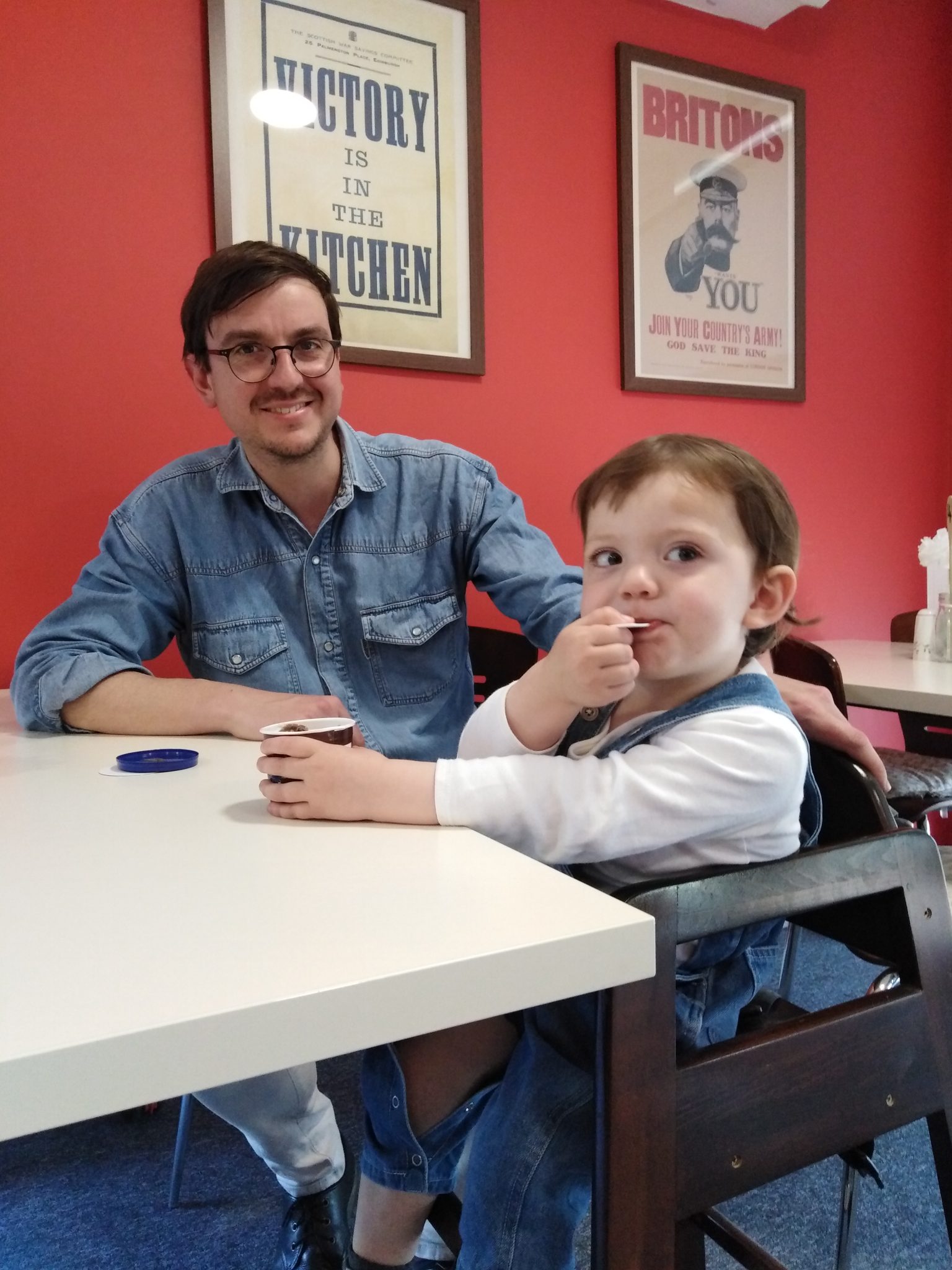
At The Devil’s Porridge we strive to make the experience as easy and as comfortable as possible for visitors of all ages. For those with young children we have space to leave your buggy next to the front door, booster steps in all our toilets and baby changing facilities in our disabled toilet, making it accessible to either mum or dad. Lift access between each floor of the museum and no steps within galleries or at our front door makes accessing the museum easy for everyone. When it’s time for a break we have high chairs and a children’s menu in our café, as well as a welcoming attitude to breastfeeding. We also have picnic tables outside which are free to use. And if you need a rest as you explore the museum at your own pace, there is always a chair on hand and a friendly volunteer to assist you or beguile you with tales of HM Factory Gretna!

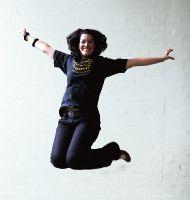
A person jumping up in the air.

‘Back yourself’ drama project

By Archive

This review was written by Alastair, who attended the ‘Back yourself’ drama sessions organised at the museum for local young people and run by Becky Crawley (photographed below) of the Helen O’Grady drama school.

First Entry

After first being introduced to Becky, who stated she was going to have us go through a drama exercise. The exercises included:

Throwing a ball around, when you passed the ball the person who caught it had to say a word beginning with letter that was stated at the beginning

Also did “state a fact” is the best name I have, where you turn to the person or your right. You say two things about you and they say two things about themselves, then you both say what you have just heard to the wider group

Breathing exercises and basic body language were included

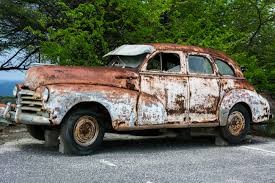
The last part of the actives was role-playing. First you would role-play either a person selling a bad (total rubbish) car or you were the one buying it.
Also there was a situation where we predated that we were at a expensive French restaurant and that one of us has cockroach in their soup at which point someone had to be a waiter who was nice or more confrontational.

Personal note: Alright here is where I talk to you or a computer screen in this instance, well I found the session rather interesting the role-playing was rather quite enjoyable as I haven’t done that without a teacher before.


  1. The other members of the group were the best part, Harriet did sell me that car. To be entirely honest looking around that room I felt like I had been in everyone’s place at some point, I certain have been in Sharon’s, which did give me an odd feeling. Boy that was deep but there you go, though I have never been like Kelly as I really don’t like pizza.

Second Entry

The second session comprised many activities from the first session, include steady breathing exercises, saying single words as you go around the circle and working on body language. But the exercises were taken to the second stage as…..

Breathing actions had counting to ten (really) loudly and then trying to count in a very presentable way

The single words were no longer random but had to be woven into a cohesive sentence, which did go down a odd route. The short of the story is that Wolverine needed mental help, but it was all in his head or was it?

The new role-play exercise being that me and Harriet both sat in front of Becky and act like we were both employed by her and competing for a promotion. It started so well but there was money on the line (image money but still) as such the incrimination were soon flying, I said she would stop talking about scones and how great she made them, but wait for this, she accused me of leaving the safe open when the shop was shut (total out of nowhere but effective). In the end neither of us got anywhere as Becky couldn’t stop laughing

The final part of the session involved presenting a little talk to the group. My was all about Spider-wick the characters, plot, ending and why I like it so much even now. Harriet was all about a horror movie with a lot (we talking like 5 to 6) sequels all staring Freddy Kruger.

Personal note: The session was actual efficient, for the first time in a  while I didn’t think of every word I was saying, or looking around for problems or analysis (yes I do that). Lastly as this is a personal note I did get a good group, Harriet is a really interesting person and nice to go through the exercises with. Coming up with a short talk for next time with be interesting have to decide either go for a rant on the dark tower or a long talk on something historical, decisions.

P.S I know there are a lot of brackets in these just my thing

 

Last Entry

So how was the final session?

Well it was very heavy on the creating a front or putting on a performance of someone your not.

First we played two truths and a lie, well that didn’t end well for me Harriet worked it all out, all from the little bits of information I had given during our conversions, (dam it) still pretty clever. I was also the only one that got found out.

Next me and Harriet enacted three silent scenes that consisted of us playing a video games, being tourists somewhere(my guess is Paris I could pull of my French waiter) and lastly we posed as two people arguing over the directions on a map, though Becky thought we looked my like a couple bickering, that was my fault should have gestured with my hand more.

Then it was on to role-playing (again I know drama duh) so what was it this time, well it was the two of us creating conflict and then finding resolution’s. In this case Harriet played a person fed up with a group member over a assignment and I get to play her friend but I’m also a friend to the girl she is upset, by the end we had pretty much got into a conflict but hadn’t got out, yeah the acting and the argument I guess got a bit to real (but serious what kind of crazy person gets in the middle of two girls fighting uhhh). After that exercise was concluded the next scene to created was two interviews one good and one bad, in this case someone who wanted the post of librarian but was loud, flirty and came across as sneaky. In the other case a vet who feared dogs and was very nervous, stressed and figed. Then we both did normal interviews as ourselves or the straight back “I am very professional” selves.


 

Well that’s it we didn’t get to do are second presentations as we ran out of time. We were given out certifies saying we had completed the drama course “Back yourself” and Becky mentioned our full assessments had been sent out to our work coaches.
 

  1. S I would like to thank Harriet for staying with the course all the way through unlike the others, doing it alone would have been boring and for a girl with little confidence she really was clever and very interesting to do exercise with a kind of get to know.
  2. S though I probable wasn’t as great I do feel like I have improved my social skills and have gotten I little more relaxed in interviews.

Characters Devils Porridge

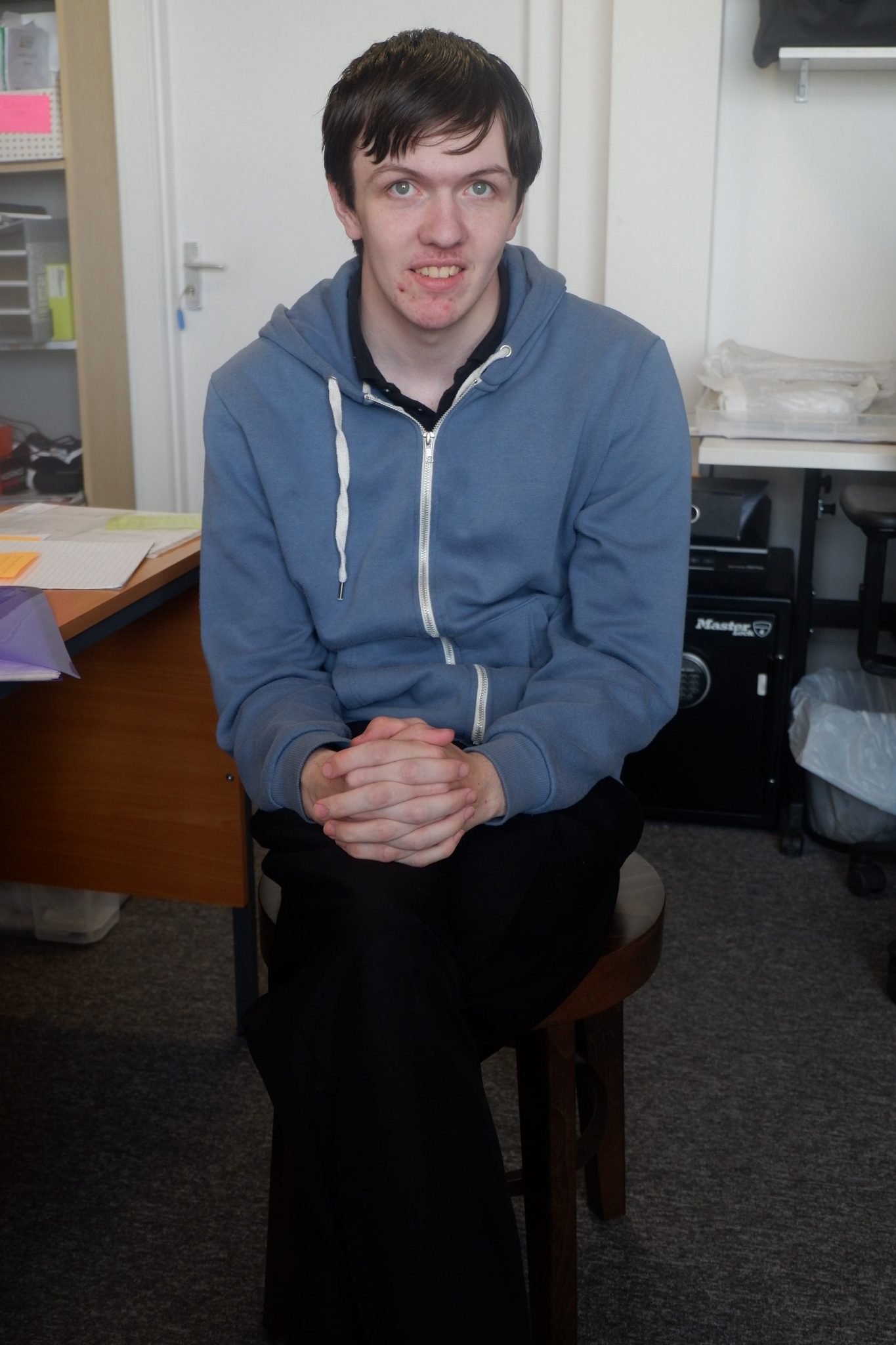
Thanks to Alastair for writing this report (and for letting us take his photo as well!)
Translate »
BOOK NOW