Category

Collections blog

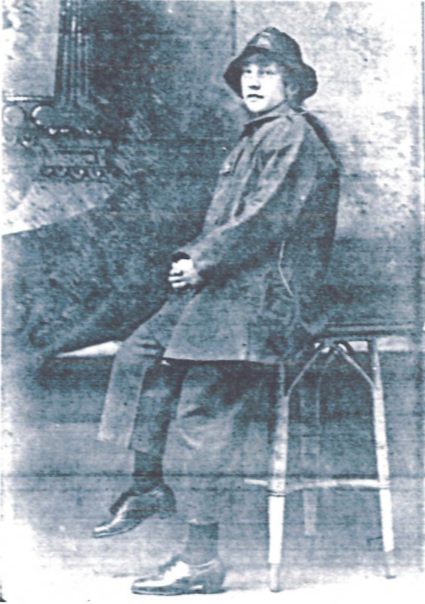
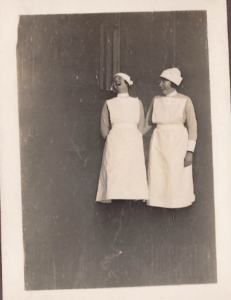
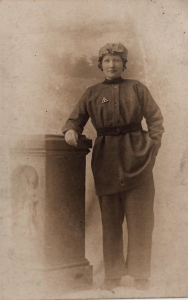
Annie Corrin sat on a chair. This is a black and white photo from the past.

Annie Corrin – Gretna Girl

By Collections blog

Annie Corrin left Port S. Mary in the Isle of Man, and went to work at the Gretna plant when she was 19. She remained there from August 1917 until early 1919. She received roughly 15/- per week, after board and lodging had been deducted. Despite the fact that these wages were considered to be high for the period after she had sent money to her home she couldn’t afford to go to the cinema or dances in Carlisle or Dornock.


Eventually she was billeted in the Central Hotel, near Carlisle station, which had been commandeered for the munition workers. However, about six months later the hotel became a hospital for the war wounded and the girls were sent to the hostels in the Gretna township. These hostels were usually newly erected wooden huts, and the one she was sent to was called “Florence Nightingale Hostel”.


Work at the plant as based on a three shift system 7.00am – 2.00pm, 2.00pm – 10.00pm and 10.00pm – 7.00am.


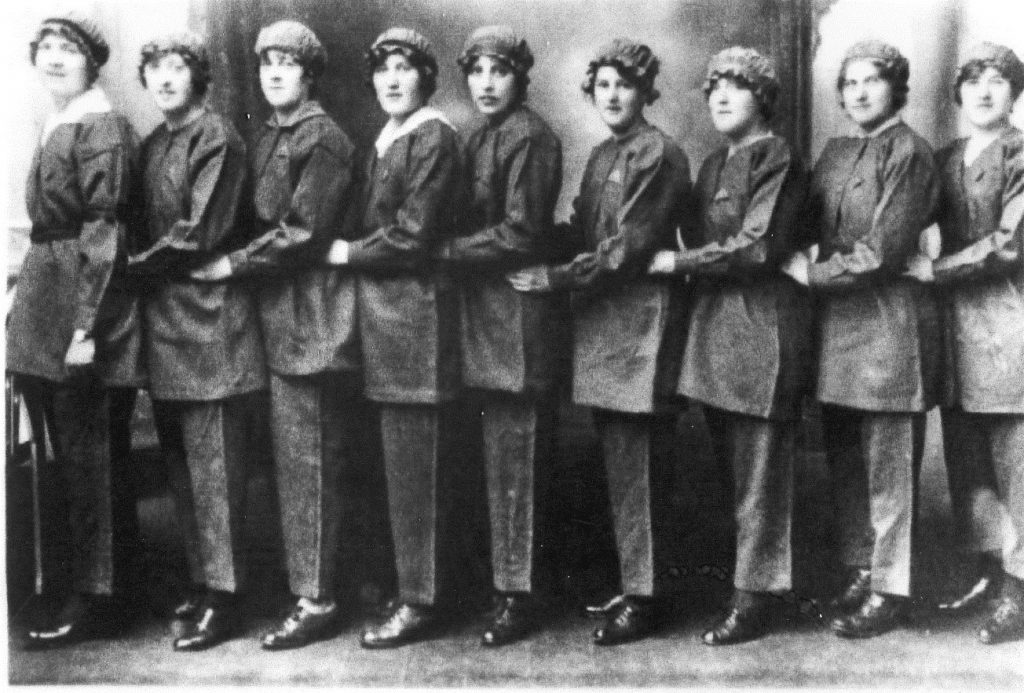
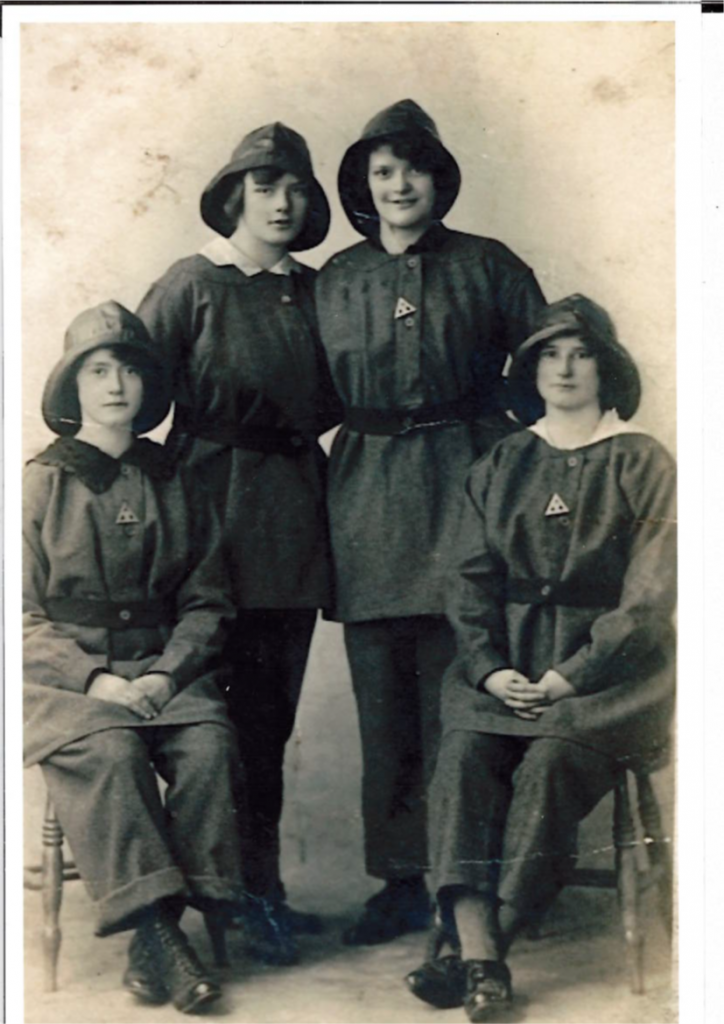
Annie had initially been sent to work in the Cordite Section, and was provided with a mop cap, tunic and trousers. Her job was to separate large trays of Cordite, by taking a small handful and smashing the end, to separate the strands. The strands were then put into boxes, similar to fish boxes and weighed. After this procedure had been completed, the boxes were provided with lids which were then nailed down.


After six months, she was transferred to outside work in the Loading Sheds. She was provided with an oilskin coat, and sou’wester hat, for this work. She was instructed by a man called ‘Geordie’ into the best methods of lifting and loading the boxes of cordite sticks on to the trucks. The girls then pushed these trucks outside on rail tracks, for about a mile to another shed. Although she never found out what happened in these sheds she does remember that there were usually a couple of girls lying outside in  what appeared to be a drunk state, cause by exposure to cordite.


Early in 1919 Annie left the Gretna Plant and returned to the Isle of Man.

Group Gretna girls in World War One.

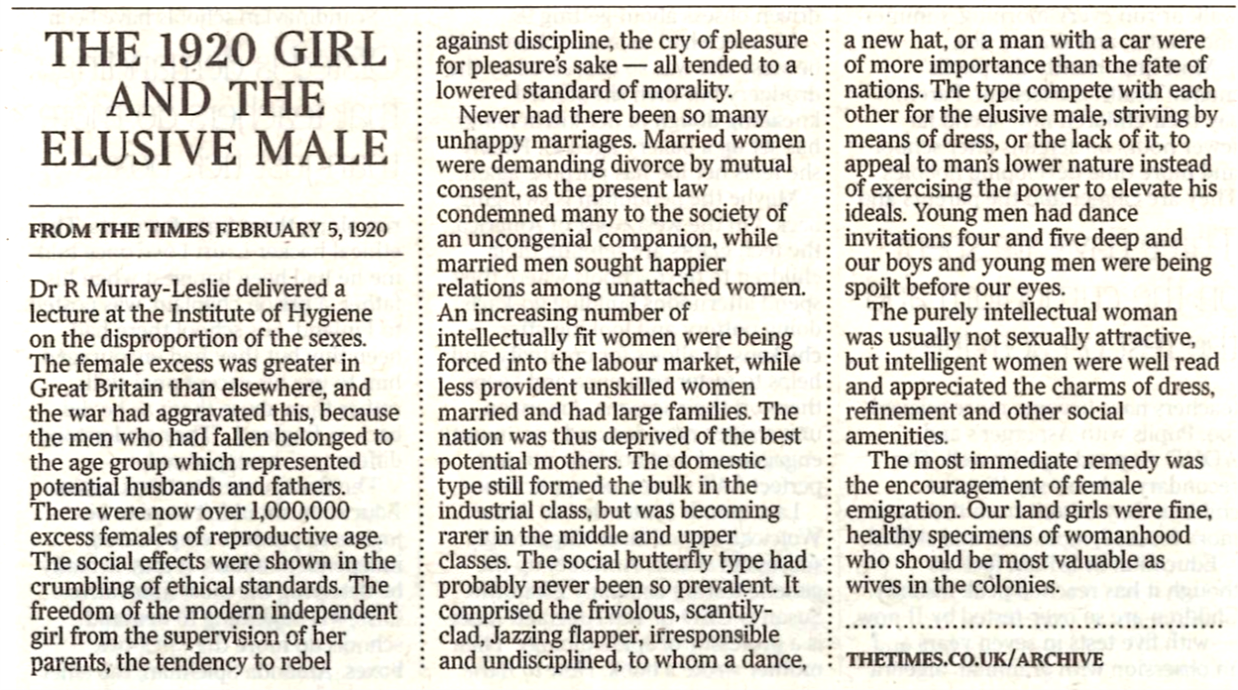
“The female excess”: the ‘problem’ of too many single women after World War One

By Collections blog

The Devil’s Porridge Museum’s main focus is on HM Factory Gretna, the greatest factory on earth in World War One.  It employed 30,000 people in the production of cordite (aka the devil’s porridge).  12,000 of these workers were women.

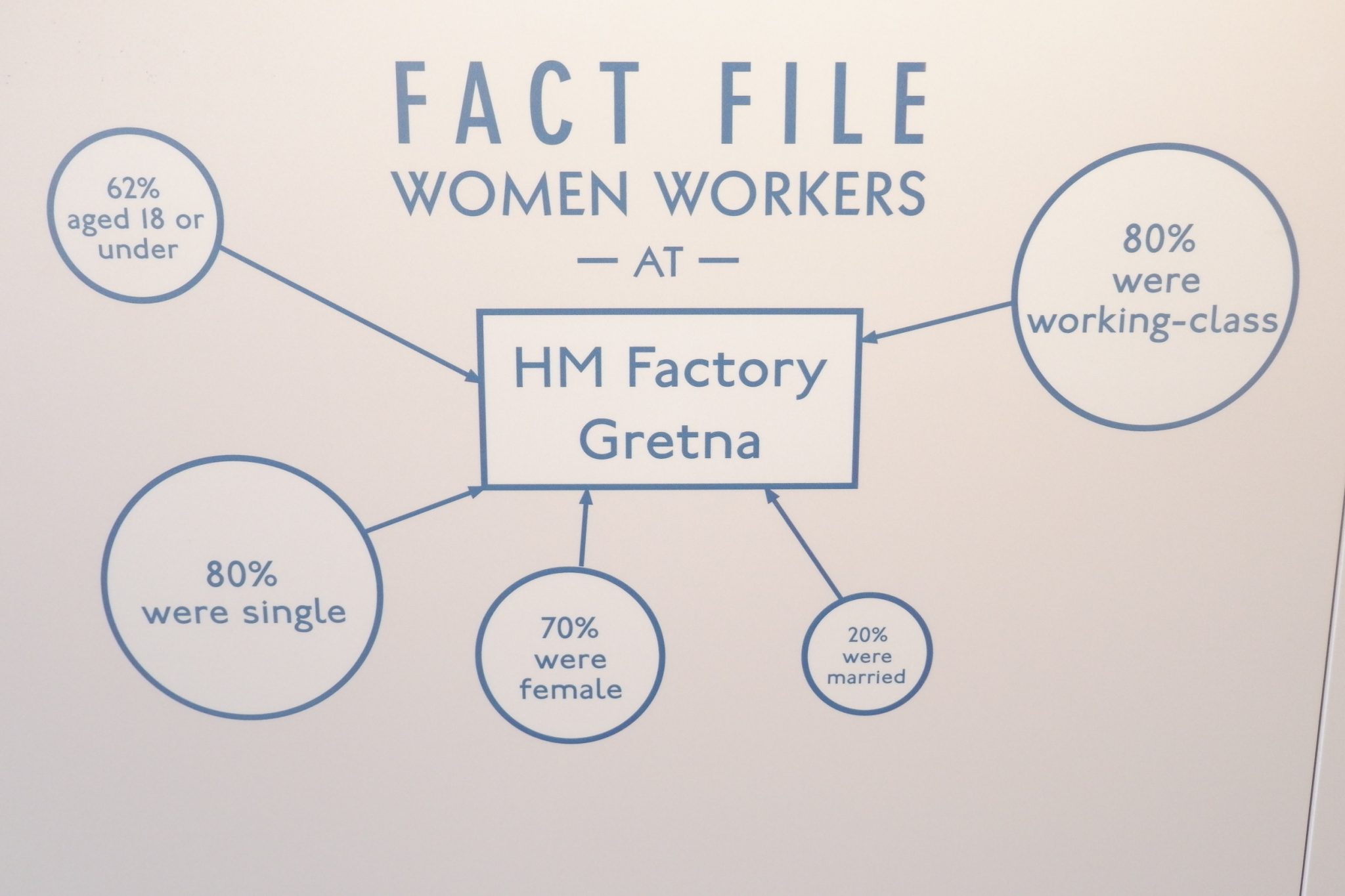
women who worked at hm factory gretna

A display within the Museum.

The majority of female workers were single and young.  We know that some women married while they working at Gretna and there were married women and those who had been widowed due to the War working at the Factory but the majority of the girls were probably affected by the post-War shortage of men.  The ‘lost generation’ i.e. the young men who died in the War meant that a lot of women remained unmarried and single women were perceived as a ‘problem’.

This article from the Times Newspaper in 1920 (published recently in their archive section), makes the point clear.  One cannot help but think of the 12,000 ‘Gretna Girls’.  They did so much to help win the War and it continue to impact on their lives in the decades to come.

1920s girl and the elusive male

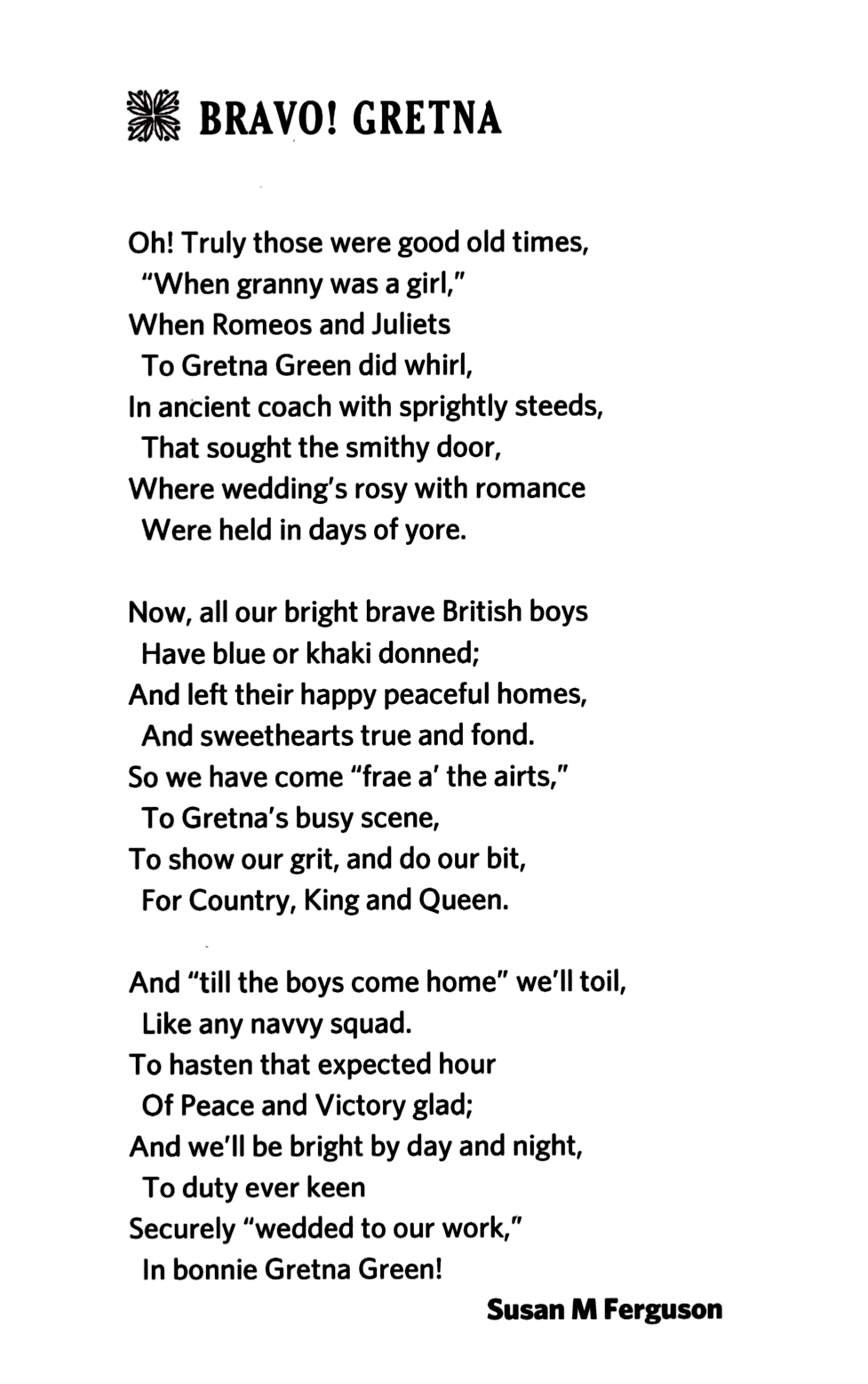
This poem, written during the War by one of the female workers sums up how many of the girls may have felt: they were doing their duty, waiting for the boys to come home.  Sadly, many of the boys never did return and the course of the girls’ lives did not run in the way they had anticipated.

bravo gretna poem

If you would like to know more about the Lives of some of the Gretna Girls who made munitions at HM Factory Gretna in World War One, you might like this booklet (available from our online shop):

Lives of Ten Gretna Girls booklet

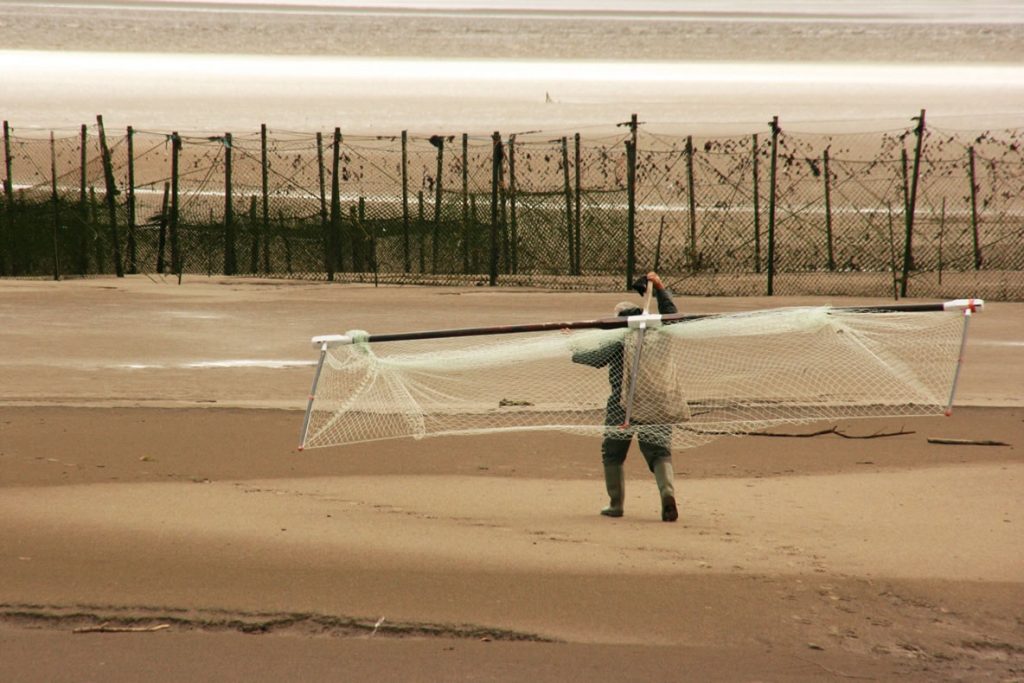
Someone carrying a haaf net down a beach.

February objects of the Month: Haaf nets

By Collections blog

This month’s object of the month display was created by Łukasz, from Annan Academy, who does work experience at the Museum every Thursday.
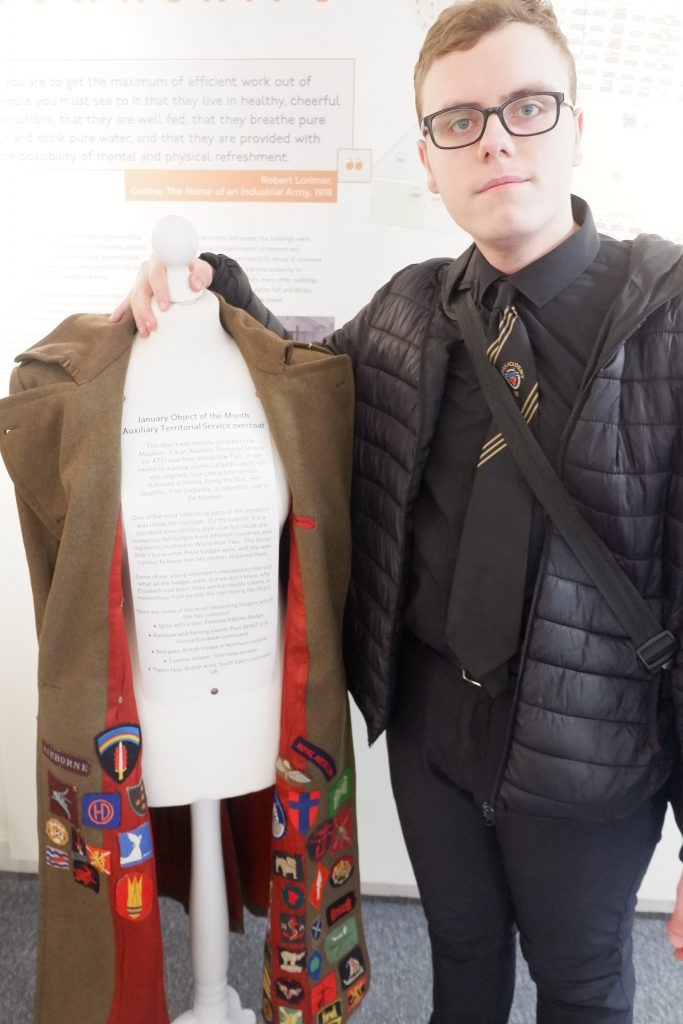
Lukasz removing the old object of the month from the cabinet ready for the new display.

Object of the Month – February

Haaf net fishing objects

The Museum’s current exhibition (running until March 31st) is on Haaf Net Fishing.  These objects have been loaned to the Museum by local haaf net fishermen.  We also have several other objects on loan in the exhibition including a full sized haaf net, a cleaning stick for stake nets (used to clean the nets when the tide was ebbing) and a fish storage box (a type used in Annan to transport fish packed in ice to London on the 6am train every morning except Sunday).
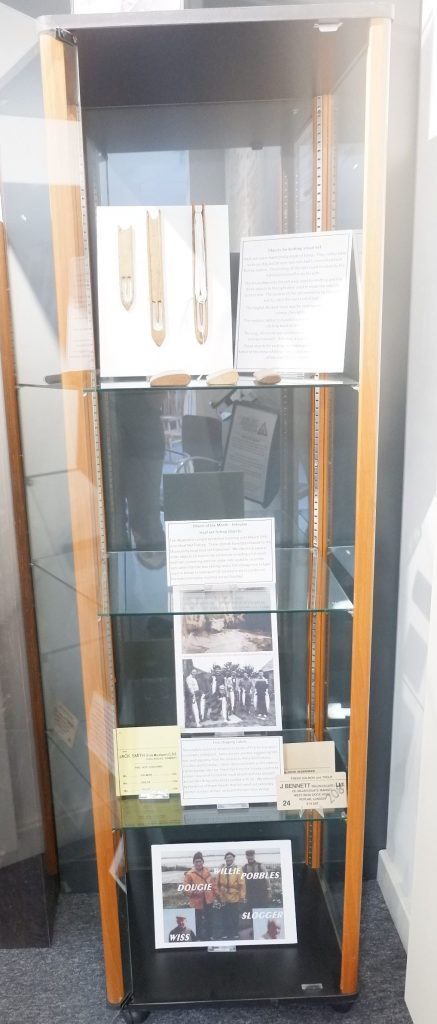
Object of the month cabinet

Fish Shipping Labels

These labels would be attached to boxes of fish for transport to markets in England.  Some are pre-printed, suggesting fish was sent regularly from the Solway to these destinations (London and Grimsby).  Other labels are blank so the address can be handwritten on.  Fresh fish from the Solway used to be a major source of income for local people and was shipped across the UK by rail in boxes packed with ice.  We were told by the donor of these objects that fish went out every day (except Sunday) at 6am on board the train from Annan.
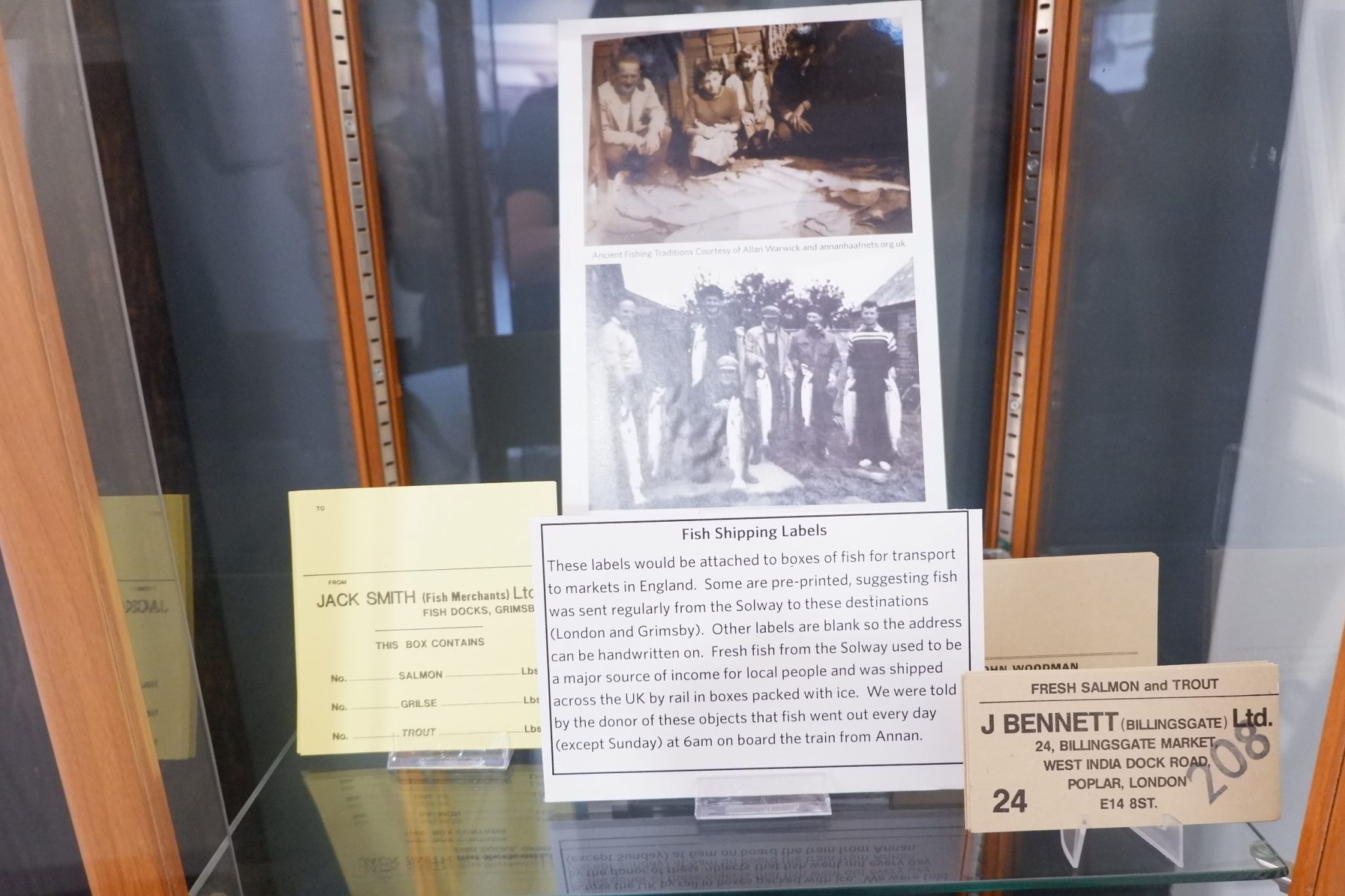
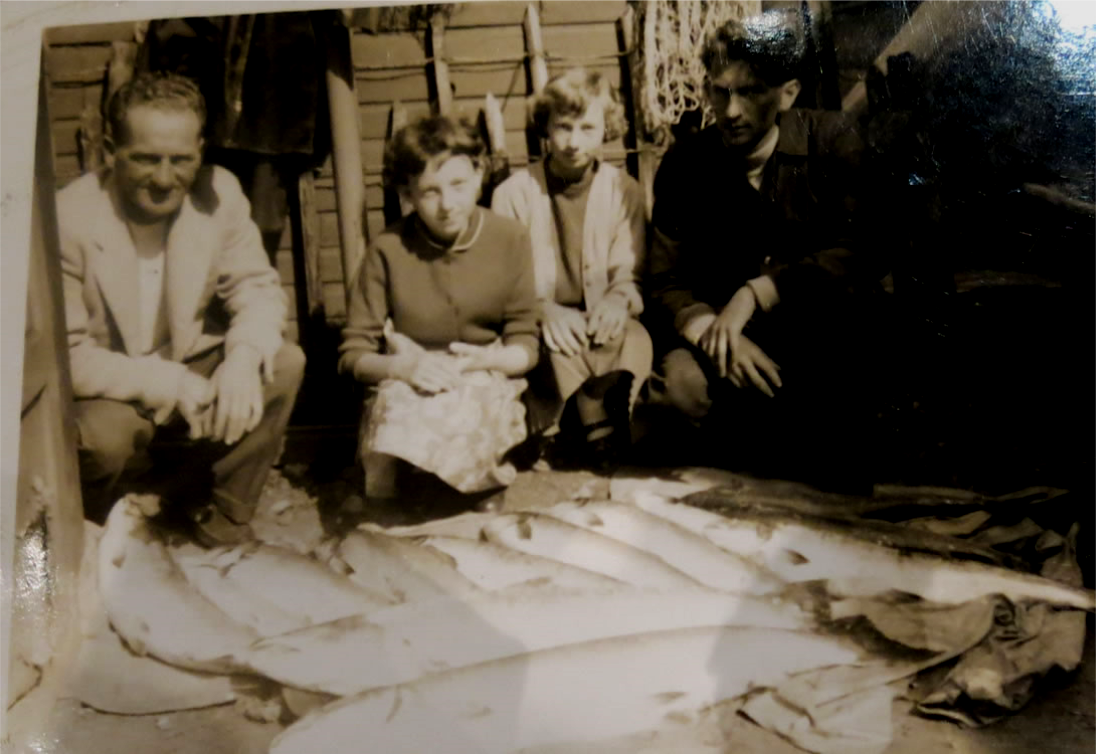
Ancient Fishing Traditions photo courtesy of Allan Warwick and annanhaafnets.org

Objects for knitting a haaf net

Haaf nets were traditionally made of hemp.  They rotted away quite quickly and at least two nets had to be knitted each fishing season.  The knitting of the nets could be done by the fisherman himself or by his wife.
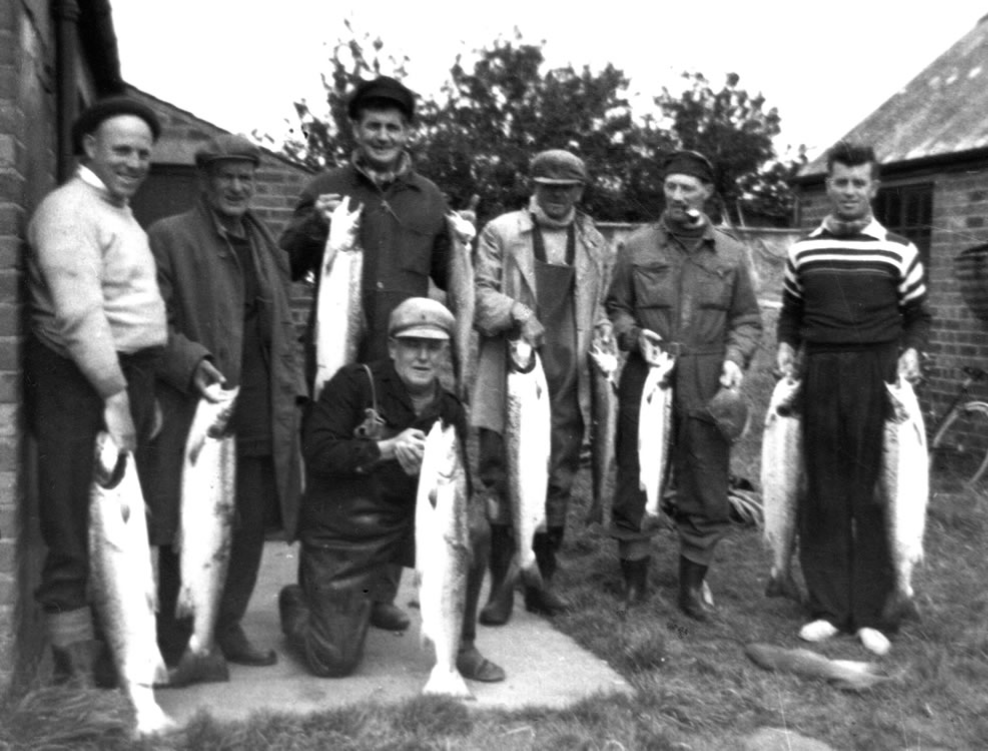
Ancient Fishing Traditions courtesy of of Allan Warwick and annanhaafnets.org.uk

The three objects to the left were used for knitting and the three objects to the right were used to make the nets the correct size.  The squares of the net needed to be the right size to catch the right kind of fish.

The largest, thickest block was for making nets to catch salmon (far right).

The medium, lighter coloured block was to make a net for catching trout (in the middle).

The long, thin block was used to make a net for catching herling (nearest).  A herling is a one year old trout.
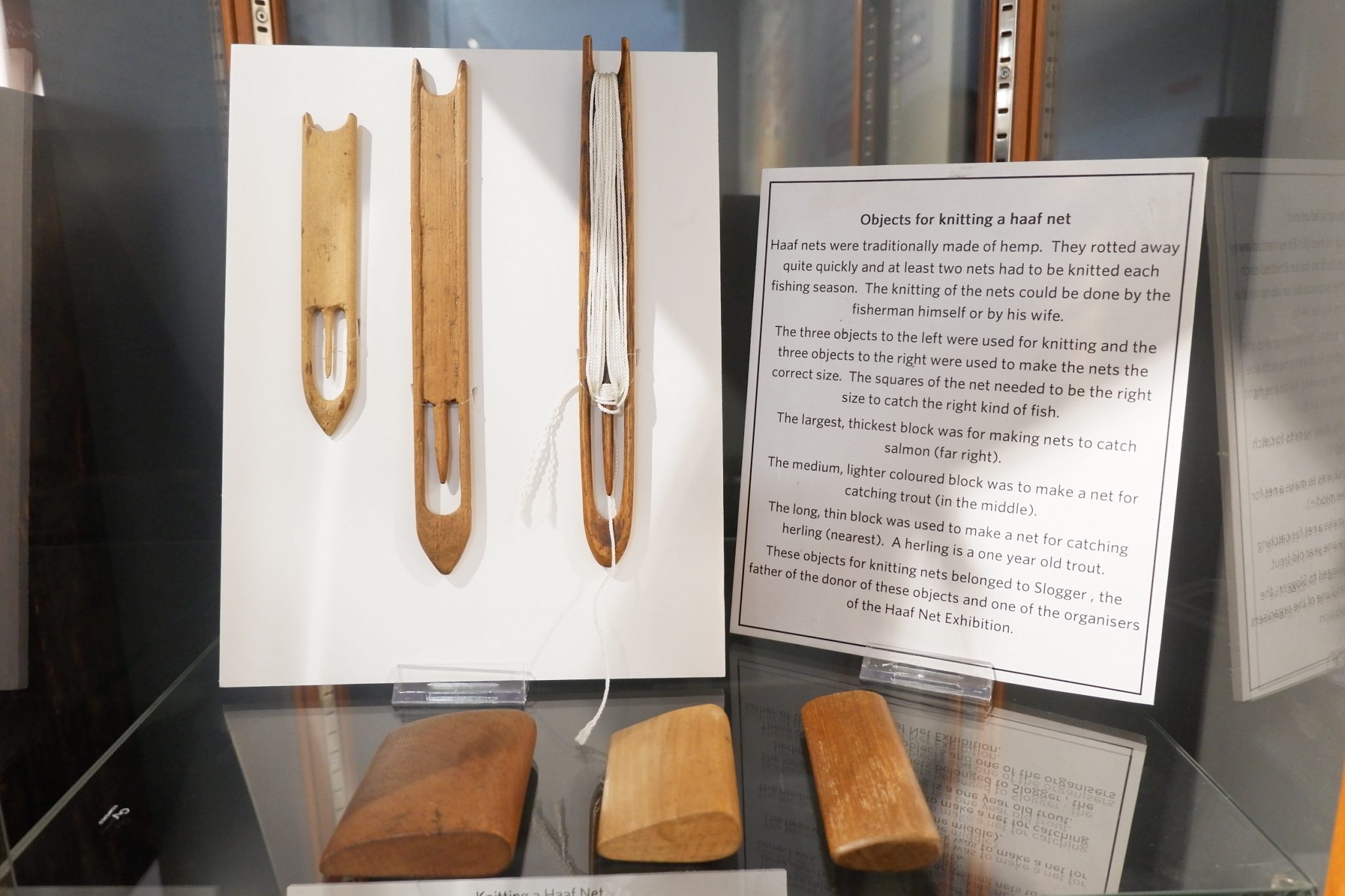
These objects for knitting nets belonged to Slogger , the father of the donor of these objects and one of the organisers of the Haaf Net Exhibition.
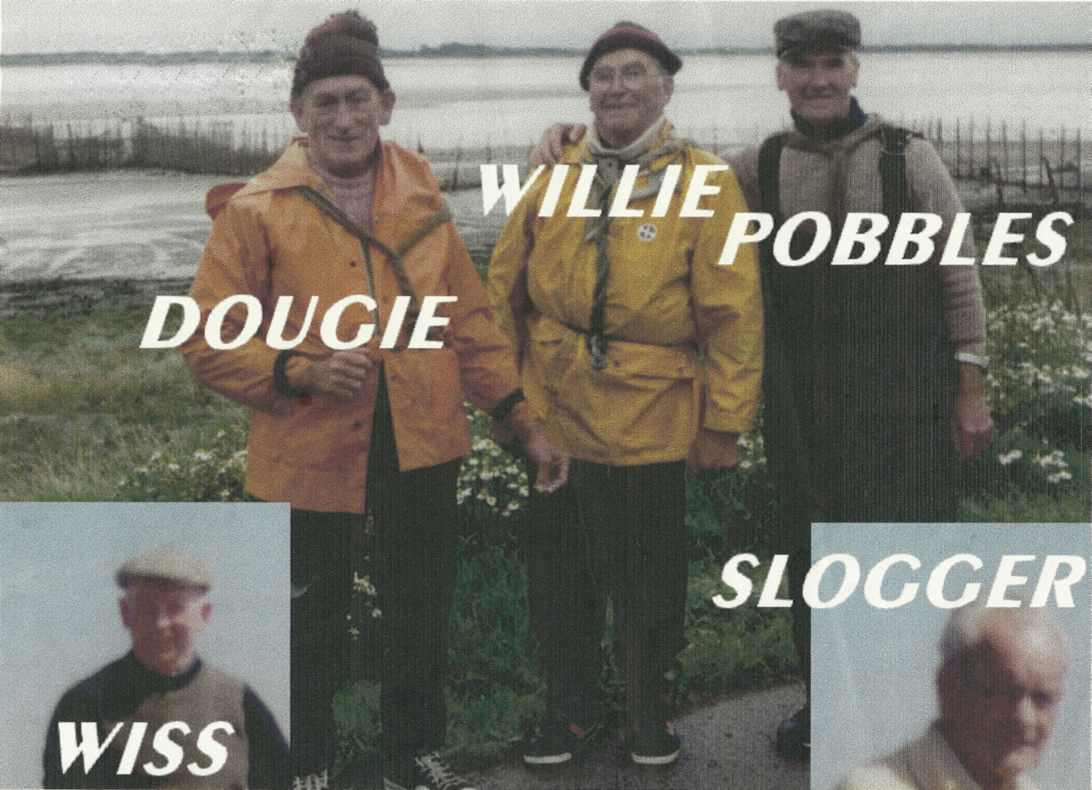
Courtesy of annanhaafnets.org

For more details on our current exhibition see:

Haaf Net Fishing

To purchase items relating to Haaf Net fishing from our online shop:

https://www.devilsporridge.org.uk/shop-online

For more details about Haaf Net fishing see (photographs of haaf net fishing used in this article, courtesy of this website):

http://www.annanhaafnets.org/

A selection of historic images can be seen here:

https://www.scran.ac.uk/database/results.php?QUICKSEARCH=1&search_term=haaf+net



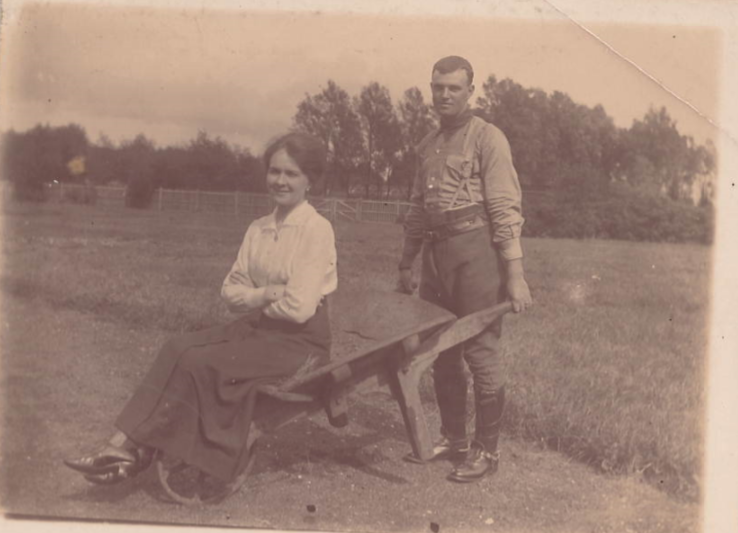
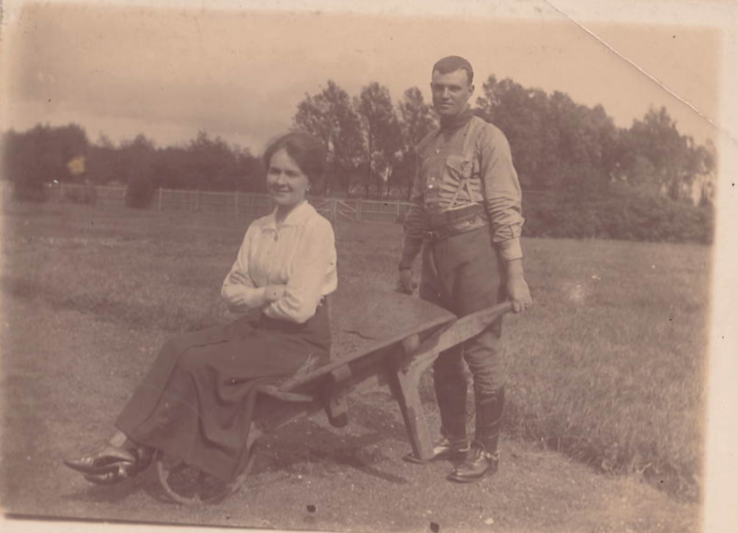
A lady sitting in a wheelbarrow with a man pushing it. This is an archive photo.

Mystery Photos 2

By Collections blog

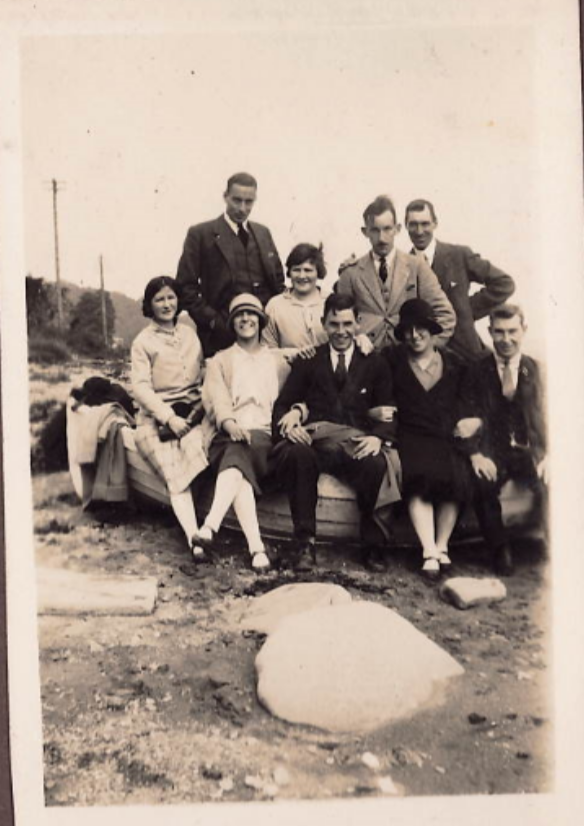
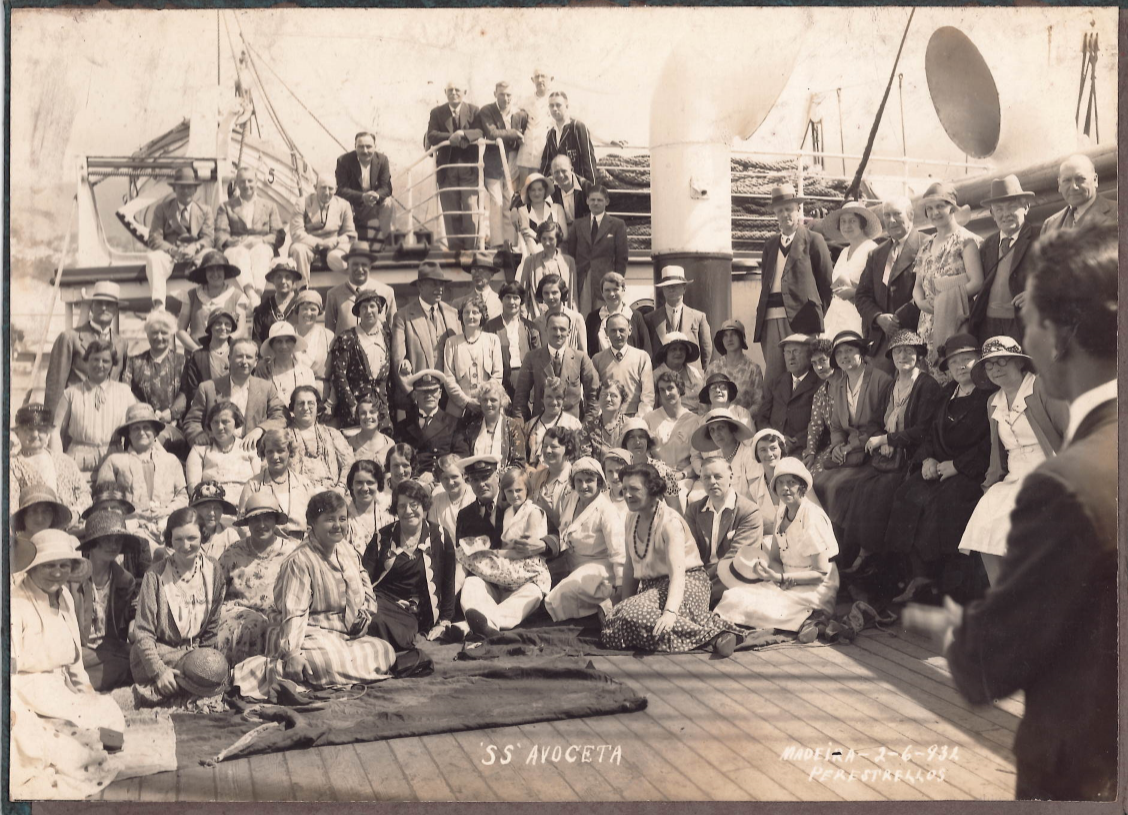
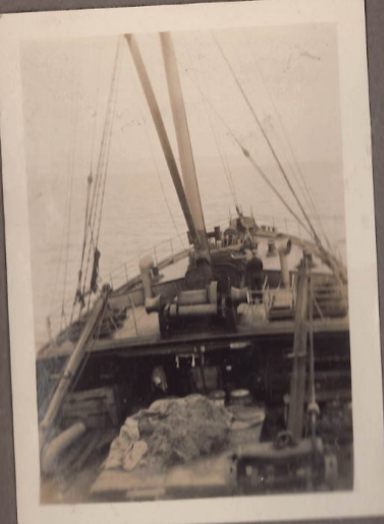
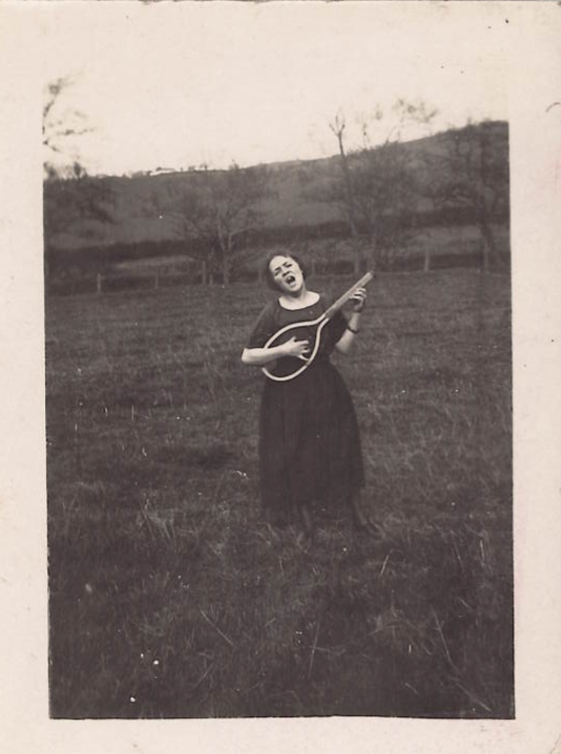
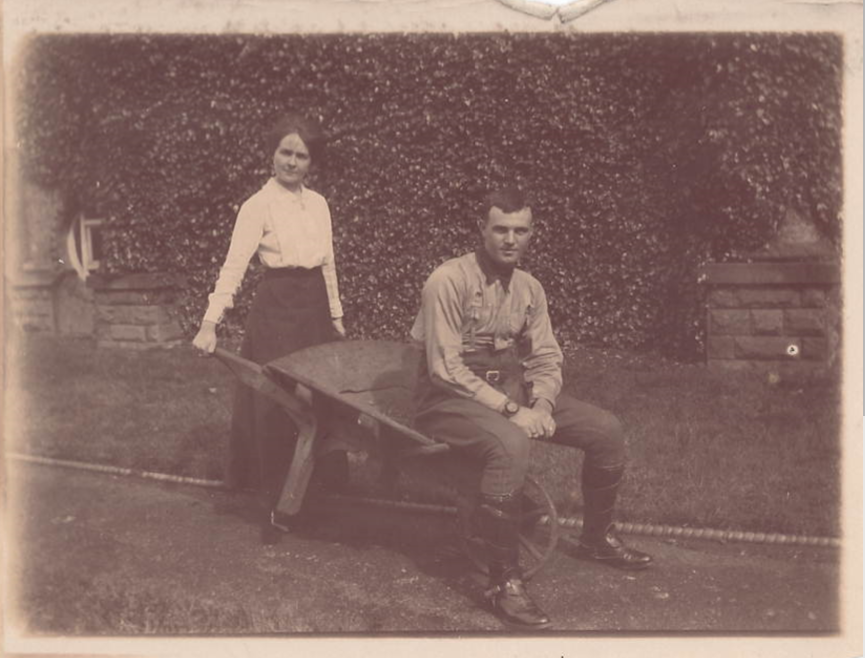
This is the second part of the mystery photos which the Museum has in its store which we know nothing about as we don’t know who is in the pictures or where they came from. The only thing we know about the photos is that the boat which they are occasionally pictured on is called the SS Avoceta.


One of our Volunteers Desray found these photos interesting while she was adding them to the Museums collections database. Desray chose this selection and said “They must have meant a lot to someone as they were put into an album and they are very nice”.


If you would like to see the last group of photos we made an article on see: https://www.devilsporridge.org.uk/mystery-photos

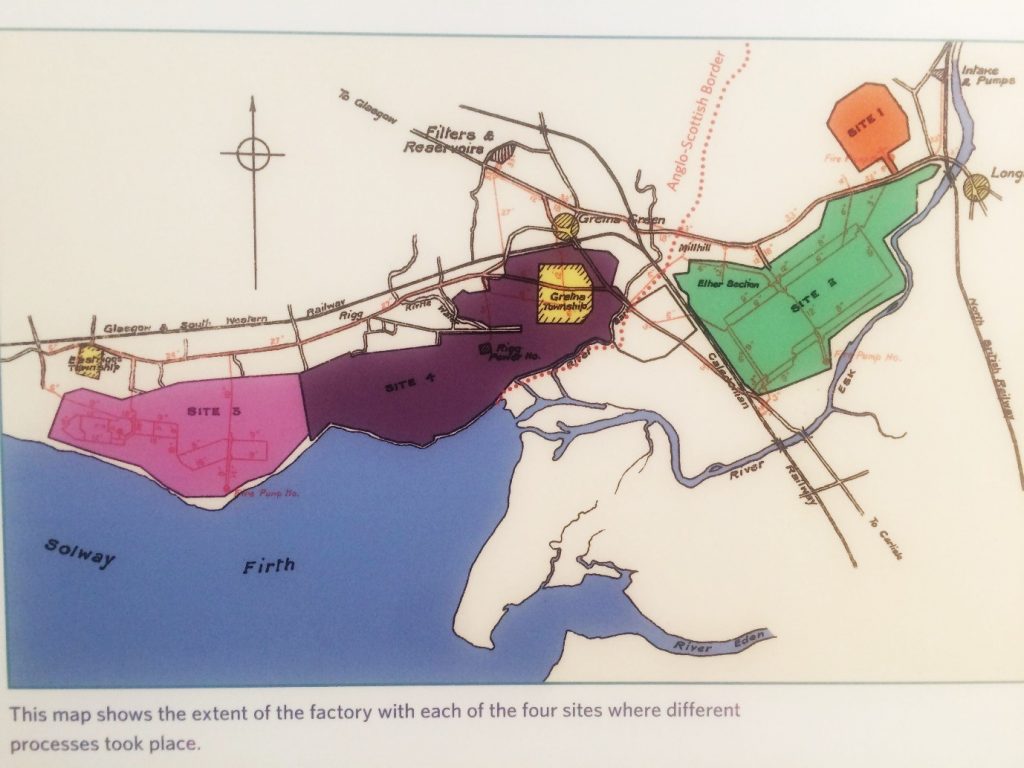
HM Factory Gretna map

Kenneth Bingham Quinan Part 2

By Collections blog

Kenneth Bingham Quinan  “The great KBQ.”

1878-1948

KBQ was probably the most important person behind the construction and successful operation of HM Factory Gretna (the greatest munitions factory in World War One, The Devil’s Porridge Museum tells its story).

Part 2: KBQ goes to war

“There is Q an American by nationality, a South African in experience, a man with a drive like a steam piston.”  Sir Arthur Conan Doyle wrote this after visiting HM Factory Gretna

On December 19th 1914 a cable sent from the High Commission for South Africa in London stating that K B Quinan was urgently required in Britain.

The High Commissioner immediately cabled De Beers in Kimberley.

“Quinan required urgently in London – can he catch mail steamer leaving Cape Town this afternoon?”

Quinan cabled back, “Yes.”  He packed up his life, made arrangements for the management of the factory and steamed out of Cape Town at 4.30pm that same day.  He was 36 years old, a bachelor and said to have ‘an arresting personality.’

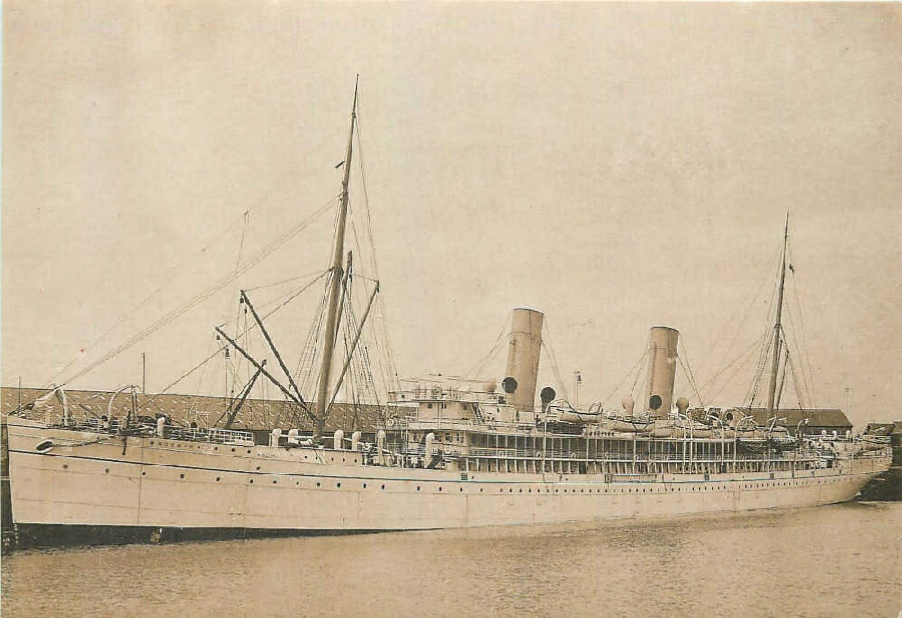
Steam ship Norman

It is said that the steamship, Norman (pictured left), delayed its departure for an hour to enable the man of the moment to board (this was a very unusual occurence and suggests how valuable KBQ was to the British Government).

“For the next four years Quinan’s inspiration, personality and indefatigable labour earned him a wide reputation as one of the greatest organisers and men of genius who had worked in Britain during the War.”  Quote from an article in The Chemical Engineer Journal, 1966.

Quinan was put in charge of the Factories Branch of the Ministry of Munitions (about 20 factories in total).

He worked seven days a week throughout the War and was mainly based in London in his offices at Storey’s Gate.

KBQ brought several of his colleagues with him from South Africa and trained many people who went on to become key figures in the teaching of Chemistry and in Chemical Engineering.

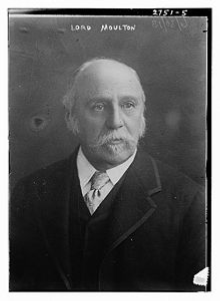
Lord Moulton

Above: Lord Moulton was the Chairman of the Committee on High Explosives.  He observed that British explosives experts were working 16 hours a day and that help was needed from the Empire.  He reached out to KBQ.

He oversaw all the munitions factories in World War One including:

3 Ammonium nitrate factories

2 Calcium nitrate factories

1 Ammonium perchlorate factory

1 Synthetic Phenol factory.

Quinan was also involved in several notable projects including:

the design and construction of a plant for the production of TNT near Chance & Hunt works, Oldbury

the dismantling of distillation units at Rotterdam and for their re-erection at Barrow in Furness and near Avonmouth, Bristol

In 1918, KBQ was put in charge of the Experimental Chemical Warfare and was involved in the building of a phosgene plant in Calais.  Phosgene was a poison gas used in World War.

“KBQ then turned his attention to the design and construction of the big factories at Queen’s Ferry, Sandycroft and Gretna.  These were to produce 600 tons of TNT, 15 tons of tetryl, and 800 tons of cordite weekly, and it is doubtful whether any larger factories for these products have ever been built in Europe.  They were completed in astonishingly quick time – Queen’s Ferry and Sandycroft were operating very early in 1916, and Gretna several weeks later.”

Quote from an article in The Chemical Engineer Journal, 1966.

Part 3 coming soon…

If you found this article interesting, you might like:

Gretna’s Secret War
A group of munition workers in there uniforms.

Carlisle Girls

By Collections blog

People may think that The Devil’s Porridge Museum is just about Scotland but it isn’t as the women who worked there (and there were 12,000 of them) came from across Britain especially from Northern England including Carlisle and Cumbria.
A group of girls in their factory uniforms including Jane Jackson born 1899 from Carlisle

We have dozens of accounts and photos of the so-called ‘Gretna Girls’ mainly provided by family members. Lots of friends and sisters seem to have travelled to HM Factory Gretna to seek work together. Two such sisters were Grace and Margaret Hodgson from Carlisle.

Grace Hodgson aged 21 from Morton Street Carlisle

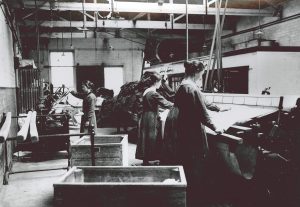
In 1916, Grace worked in the laundry at HM Factory Gretna. She would have cleaned the uniforms of the girls but also their bedding, towels and other household items. The Factory didn’t just provide work, it also housed many of the girls in purpose built hostels in Eastriggs and Gretna.

Girls working in the laundry at HM Factory Gretna

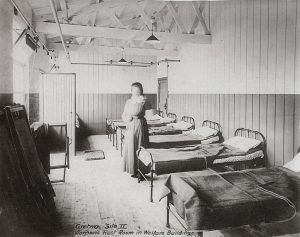
Grace’s sister, Margaret, aged 19, also obtained a job at the Factory for a number of months. She was employed in the sewing room where she mended the worker’s uniforms. The sewing room also doubled up as a welfare or rest room so Margaret would have seen girls passing out as a result of the toxic fumes they inhaled. One writer described girls rolling around on grass as though drunk because of their exposure to the chemicals needed to produce cordite (also known as the devil’s porridge).

A rest room for the female workers in the factory

In later years, Margaret spoke of seeing girls working at the Factory who had yellow skin, sometimes their skin was a very bright yellow which is why they came to be nicknamed ‘The Canary Girls’.

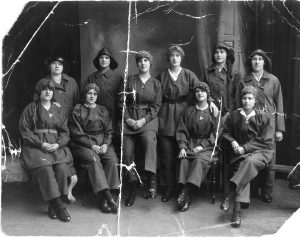
Group of female factory workers including Ada Annie Thompson from Carlisle

At the start of the War, Margaret had worked at The Atlas Works in Carlisle. She was employed to make shirts for the army. She and fifteen of her friends left after a dispute about pay. They left to work at HM Factory Gretna as it was offering higher wages. The owner of the Atlas works had to increase the wages he was paying because he couldn’t fulfil orders – so many girls were leaving to work at the Factory just a few miles away. This is just one of the fascinating accounts the Museum has.

A lot of women were attracted to munitions work for the pay and because they were patriotic

If you would like to find out more about the lives of women working at HM Factory Gretna, this publication is available from our online shop:

Lives of Ten Gretna Girls booklet

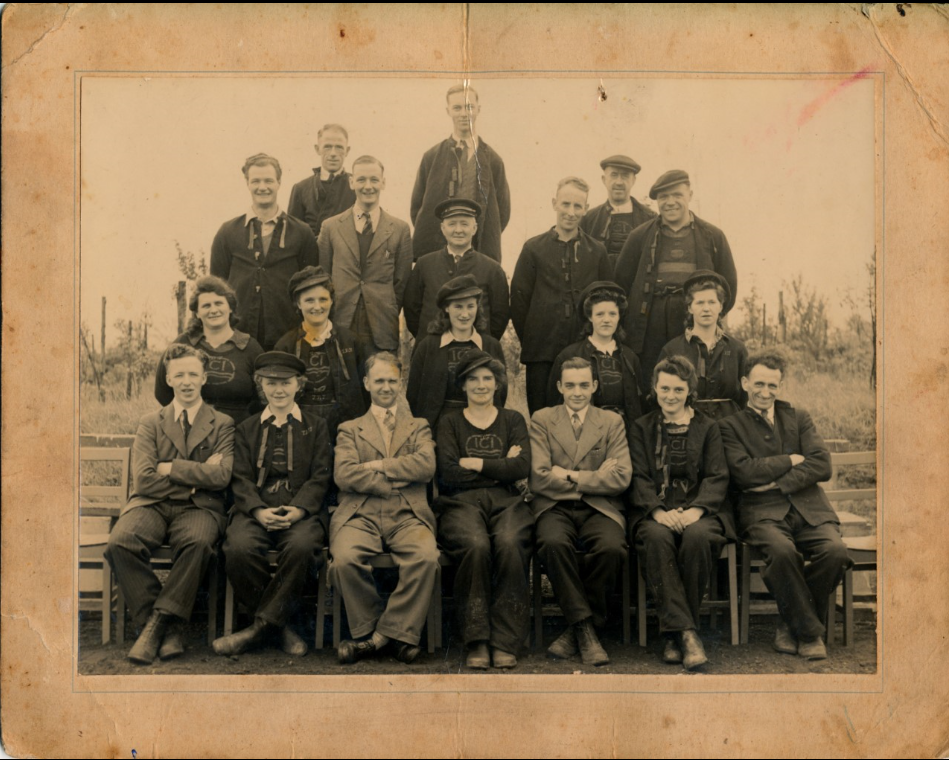
ICI Powfoot group photo.

World War Two photo of ICI Powfoot

By Collections blog

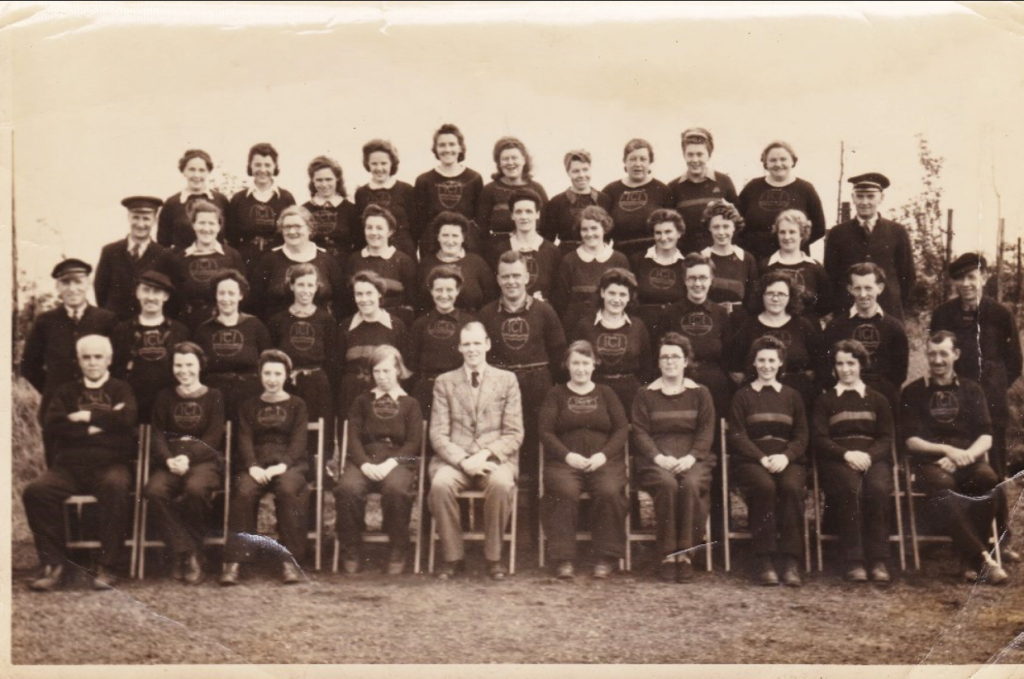
A couple (Ron and Morag) recently contacted the Museum and sent us a photo of Morag’s mother who worked at ICI Powfoot during the Second World War.  She is pictured in the photograph below (front row, second from left) with other people who also worked in the Factory.

Morag’s mother was Mary Taylor Napier (maiden name Dirom) who worked at ICI Powfoot during the Second World War.  She was born on the 11th May 1921 in Templand, Dumfriesshire. She then married on 2nd February 1940 at Dryfesdale, Lockerbie to James Ross Napier (who was on leave from the army). She lived in Lockerbie during World War Two.

After the War, James and Mary moved to Templand in a ‘prefab’ where they had their first child Morag (who gave us this information). Mary and James, with three children and a fourth on the way, emigrated to Australia in 1956 and this is where they lived until Mary passed away on the 16th July 2000 in Murwillumbah, New South Wales, Australia.

The couple would also be very interested to know if anyone  knew any of the other people in the photo and see if they can identify them. They don’t really know much more information about the photo or who is in it which is why they would like some more information if anyone can help.  Please email: manager@devilsporridge.org.uk if you have any information you would like to share with us.  We have a large collection of objects and material relating to the Second World War in our region and are always keen to know more.

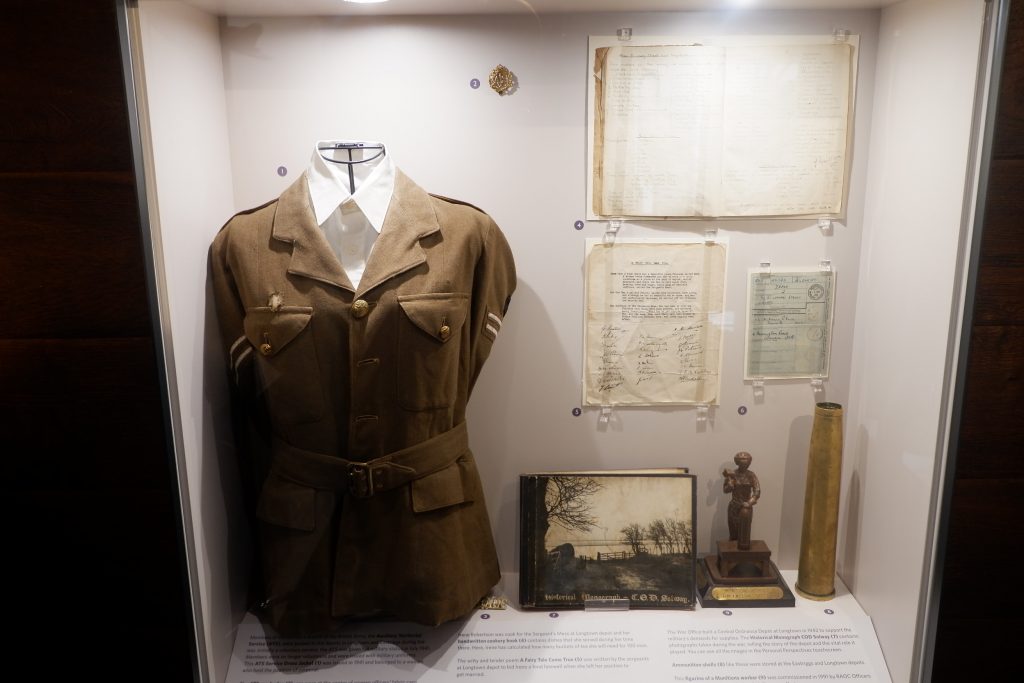
Photo on display of ICI Powfoot workers

This display (photographed below) is on the First Floor of the Museum and focuses on the work done at ICI Powfoot.

A few years ago, the Museum researched and published a book called ‘The Solway Military Coast.’  It contains lots of information about World War Two in Dumfries and Galloway and can be purchased from our online shop (and shipped worldwide): https://www.devilsporridge.org.uk/product/the-solway-military-coast-book

A women sat in a wheelbarrow with a man pushing it. This is an archive photo.

Mystery Photos

By Collections blog

Desray, one of our digitalisation volunteers has been adding these photos to our database and we found them interesting. Desray chose this selection and said “They must have meant a lot to someone as they were put into an album and they are very nice”.


These photos are currently being kept in the Museum’s store but we have no idea where they came from or who any of the people in the photos are. The only information we have about the family is that they had links to the SS Avoceta which was a boat that they were pictured on.  We think they show a different side of life in the early 20th Century. We will share some more of these photographs soon.


The front cover of a book titled "The Premier's Clarion Calls to Courage" with an illustration of Winston Churchill.

World War Two Donation to the Museum

By Collections blog

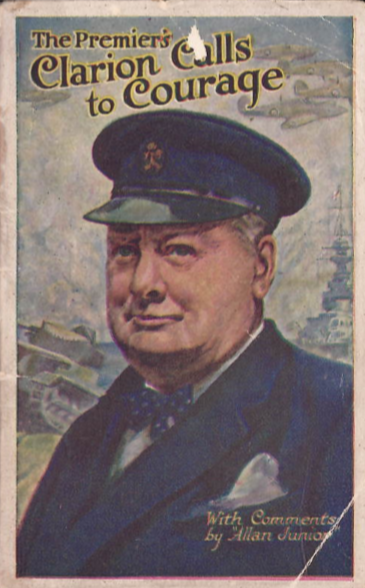
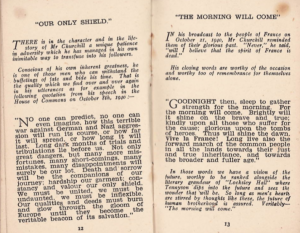
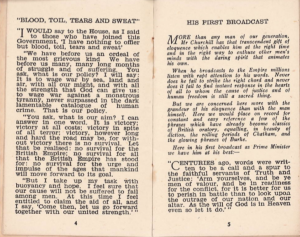
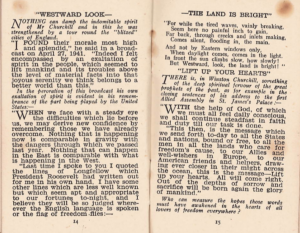
We don’t know much about this recently donated booklet. It was printed in 1941 and contains some of Churchills most inspiring speeches. It is pocket sized so could have been taken anywhere in World War Two. You can imagine soldiers, airmen, sailors, air raid wardens, ATS workers and anyone involved in the war either in service or in the public reading it to raise their morale in their darkest hours. We hope this pamphlet brought the courage it was intended to stir and that you are enjoying reading it.

The booklet was made by a company called Valentine and Sons who were a printing company founded in Dundee in 1851 and grew to become Scotland’s leading manufacturer of picture postcards. The company was then purchased by John Waddington Limited in 1963 who then sold it to Hallmark Cards in 1980. Operations at the Dundee factory ceased in 1993.

The Devils Porridge Museum has two floors. The ground floor focuses on World War One and the first floor focuses on World War Two and the Cold War in our area. Hope you can visit us soon to explore both galleries. To find out more about what’s in the Museum before visiting check out the Guidebooks which we have in our shop: https://www.devilsporridge.org.uk/product/the-devils-porridge-museum-guidebook

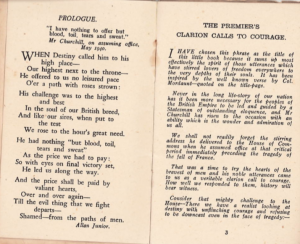
Here are a couple of pages from the book below:

J C Burnham

John Charles Burnham

By Collections blog

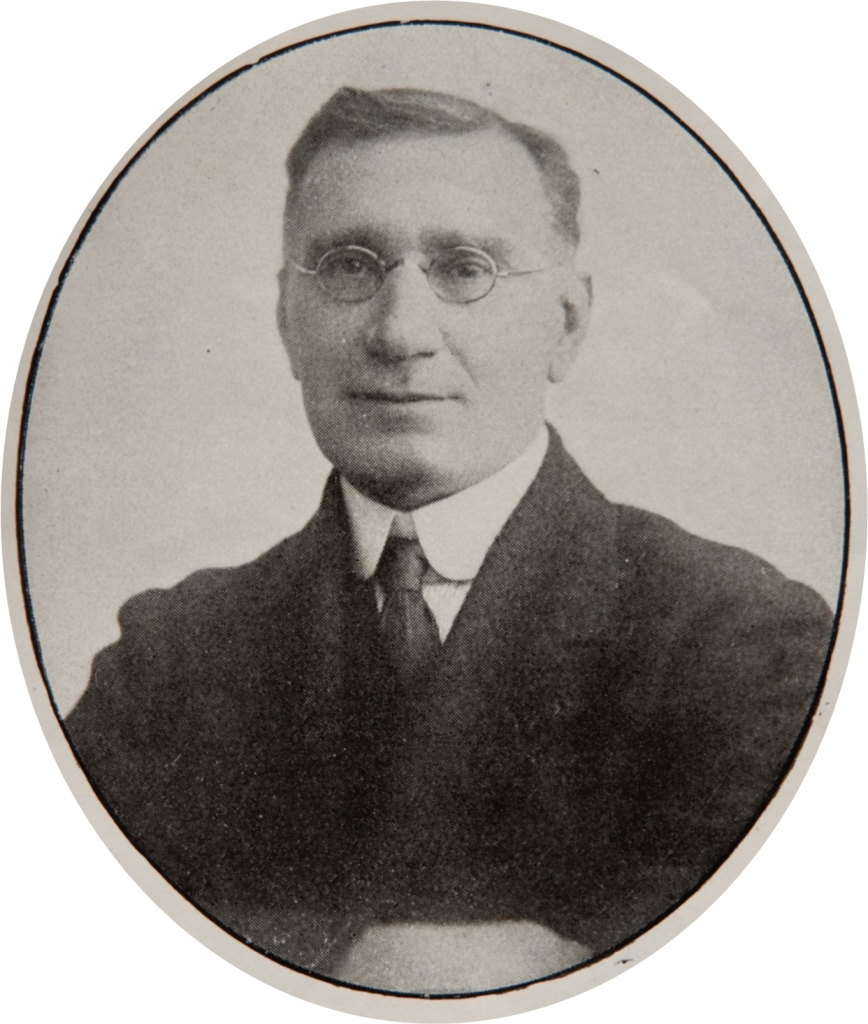
John Charles Burnham was responsible for keeping the greatest factory in the world operating smoothly which he accomplished every day he was there as the factory helped Britain win the war by producing the most cordite out of any factory in the whole world. When leaving the Factory Burnham left behind a meticulous record of his work in the form of a Factory Manuel which is now in the National Archives.

The picture above shows Burnham walking behind the two men, one being King George when he visited HM Factory Gretna.

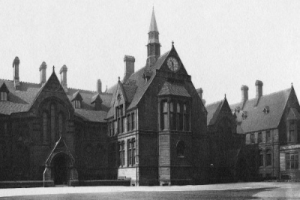
Owens College, Manchester

J C Burnham studied at Owens College in Manchester from 1885 – 89 and graduated in 1888 with a Bachelor of science, in the first class and was elected an Associate of the College in the same year. In 1889 he became an assistant chemist under Kellner at Woolwich, Arsenal and while holding that position also acted for some years as Assistant Chemist to the Special Committee of Explosives, under the Chairmanship of Sir Frederick Abel. In 1894 he proceeded to India, where he was for five years as a chemist in charge of an experimental cordite factory at Kirkke, before he was appointed manager at the Government of India Explosives factory, Nilgiris. His advice was sought by the government on many occasions, and his services were recognised by the award of the C.S.I. In 1915 he was loaned to the Ministry of Munitions and became Director of the Board of Management and Superintendent at HM Factory Gretna, a post which he held until 1921. In the following year he was appointed General Works Manager of British Dyestuffs Corporation, Manchester and retired in 1924.

This is one of the factories which Burnham worked in before being moved to HM Factory Gretna


We’re not sure what Burnham’s role was in the invention of cordite but he did work under Sir Frederick Abel who was one of the people credited as the inventor of cordite. Cordite was the propellant which was made in HM Factory Gretna and that was used in the shells which were made in WW1 and was invented in 1889 by Sir James Dewar and Sir Frederick Augustus Abel and later saw the use as the standard explosive of the British Army.

Translate »
BOOK NOW