Category

Collections blog

Broom Lassies in World War Two

By Collections blog

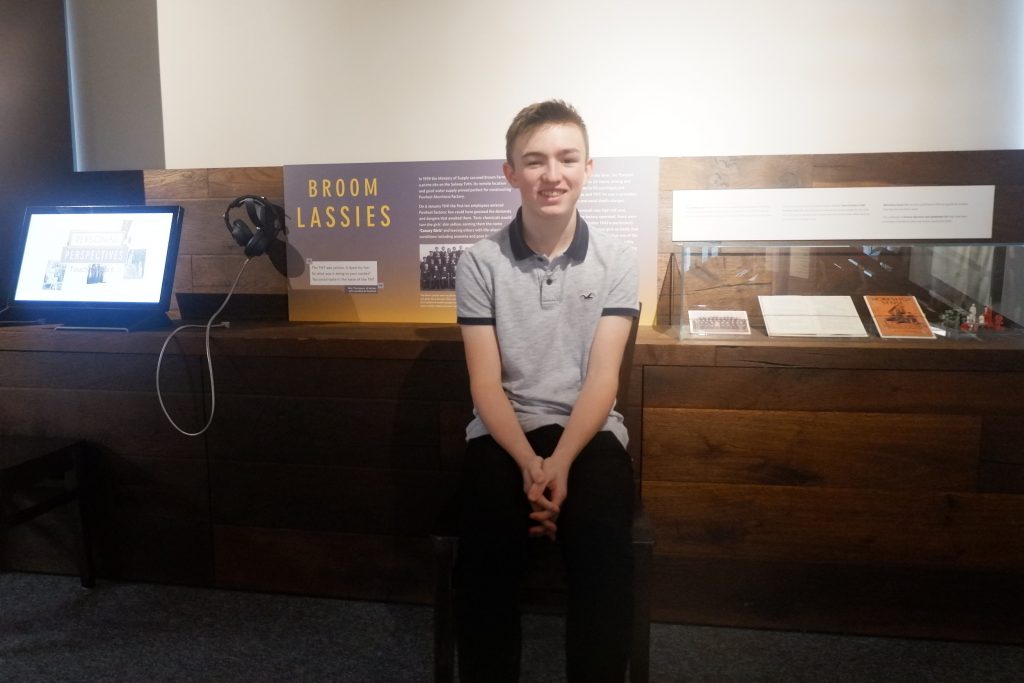
Jake Mitchell, is one of our Duke of Edinburgh volunteers.  He comes in at the weekend for a couple of hours to help in the office and with other tasks and activities.  Today, he has chosen a display within the Museum which interests him.  Here, Jake explains what the display shows and why he chose it…

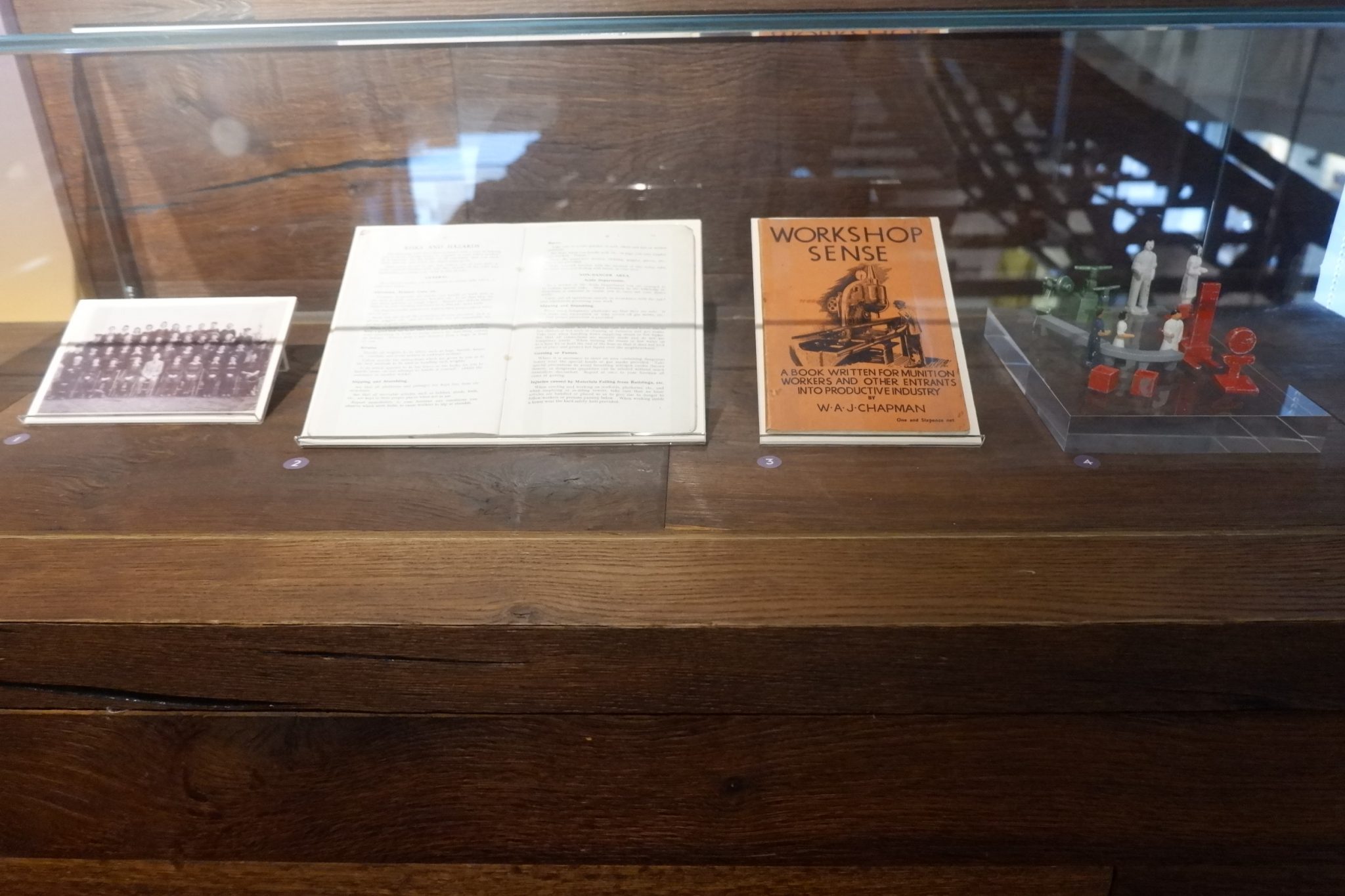
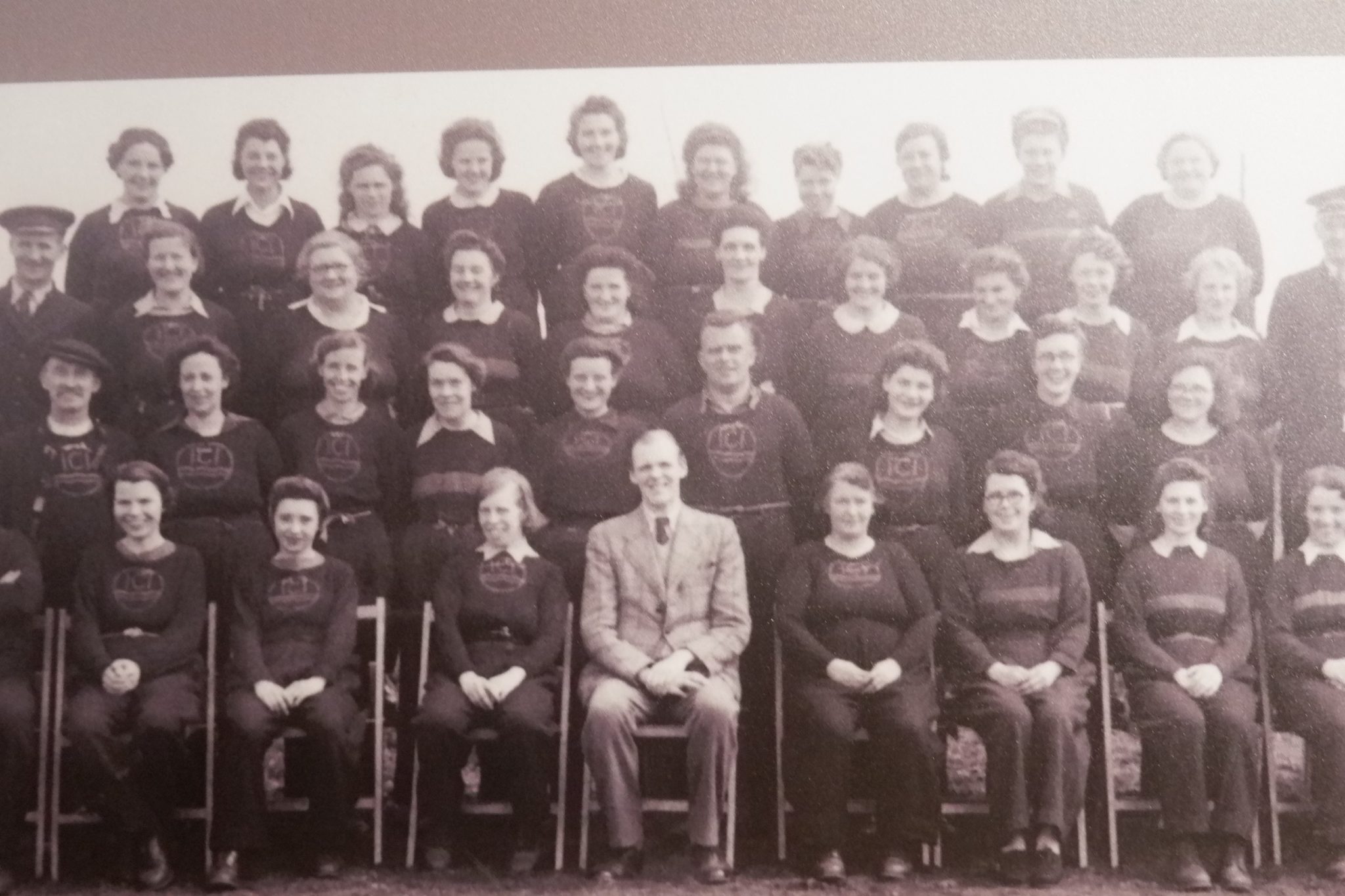
“I had a look around the Museum to find an exhibition which really interested me and I started reading about the Broom Lassies. The Broom Lassies were a group of women who worked in the Powfoot Munitions Factory. The Factory was built on Broom Farm, leading to the women working there being known as the Broom Lassies. The workers had to deal with cordite, TNT and other harmful and toxic chemicals. These chemicals turned the women’s skin and hair yellow, so we can only imagine what it would do to their insides. Many women suffered from anemia and poor liver functions as a result of working with these harmful chemicals. This lead to the women gaining the nickname the Canary Girls because of their yellow skin and hair.

The Factory was open during World War 2 and employed 4000 workers at its peak. The Factory, along with the rest of Dumfriesshire, made 1/3 of the British Cordite during World War 2. The Factory closed in June 1945 as it was no longer needed. However it re-opened again to help with the demands of the Korean and Falklands War.

This was dangerous work as the chemicals were highly explosive. This led to several incidents at the Factory including one very fatal one in October 1943 when there was a big explosion resulting in 5 women losing their lives. A woman called Euphemia Pringle had to be held back as she tried her hardest to get into the factory and save her friends from the blaze. As it was so dangerous the women had to wear a specific uniform as any man-made fibres could cause a spark and lead to an explosion. The uniform consisted of a woolen jumper, heavy black trousers and thick rubber soled shoes, all for safety reasons.

The reason I chose this exhibition was because I found it very interesting, especially with all the health hazards and dangers the women had to face. I also think it is interesting because if people had to do this in the modern day, it would be so much more safe. I find the women who worked in the factory very brave to do something so dangerous when they know an explosion could happen at any given moment. I also think it is amazing that a place so small could help so much during World War 2.”


Kenneth Bingham Quinan Part 4

By Collections blog

Quinan’s later life

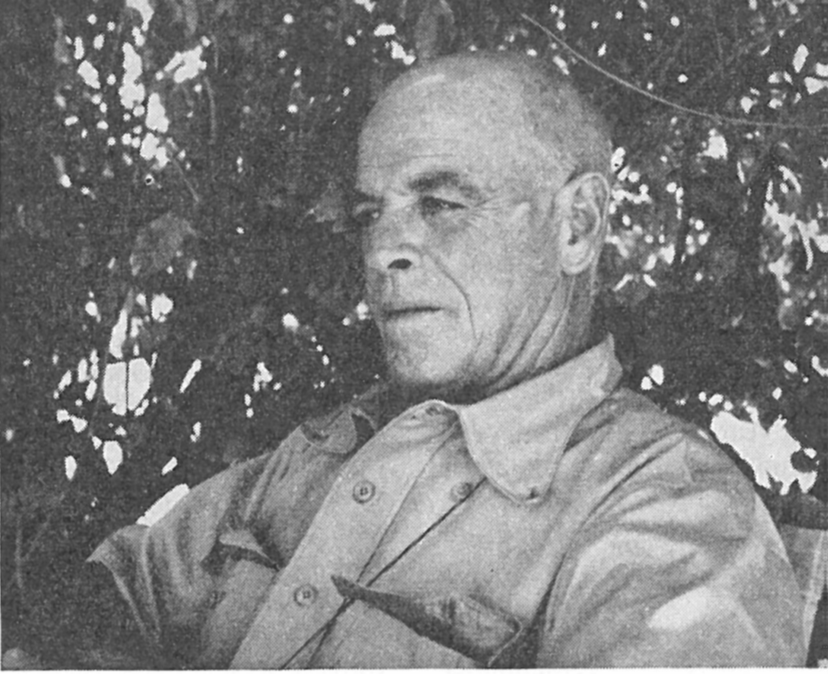
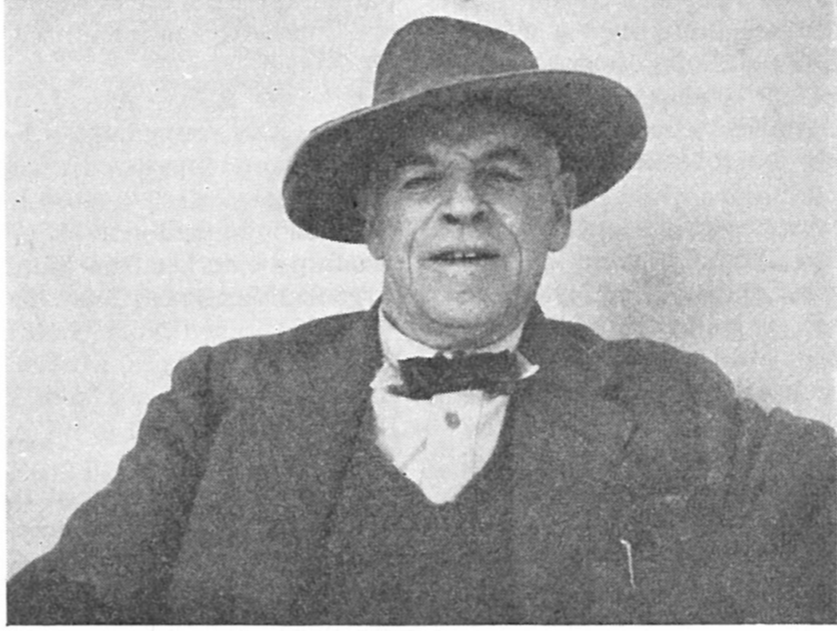
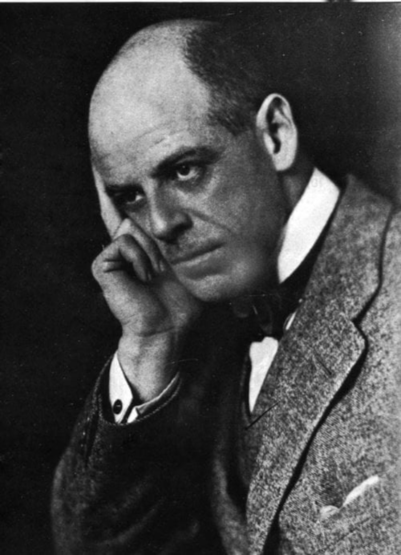
At the end of the War, Quinan was 40 years old. He was offered a knighthood which he turned down (as an American, he didn’t think it was appropriate). He was made a Companion of Honour on the same day as General Smuts. He also received official thanks from the House of Commons and a gift of £10,000. In 1919, he returned to South Africa. His work was clearly held in the highest estimation and praise was showered upon him as can be seen below. Photograph below shows Quinan in later life.

“The unique professional knowledge derived from many years of technical experience, the unremitting work of a powerful and vigorous mind, and the irradiating influence of a great, genial and unselfish personality were unreservedly put at the disposal of the British Empire. An atmosphere of good fellowship and of equal comradeship in work pervaded every branch. Everyone who came under the influence of Mr Quinan was stimulated to put forth his best in the general cause.” – Article in Nature Journal, 1920


“It would be hard to point to anyone who did more to win the war than Kenneth Bingham Quinan.” – David Lloyd George


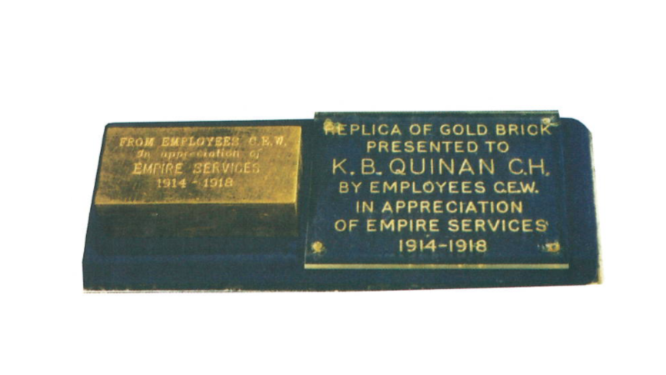
Below: Quinan was given a solid gold brick on retiring along with the words “from one old brick to another”.

KBQ’s timeline after the war

In 1917 Quinan was appointed to the Commission of Chemical Trades after the War. Churchill offered him a position in the Ministry of Munitions but he declined this offer and many others.


In 1919 he returned to his old farm in South Africa as a consultant


In 1922 he helped found and became the first Vice President of the Institute of Chemical Engineers (now the Royal Institute of Chemical Engineers). The main aim for this was to disseminate the information gathered during the War.


31st December 1923 married Jean Pargiter. They had two sons


In 1924 KBQ retired to his fruit farm ‘Bizweni’ in Somerset West where he built a laboratory and dedicated himself to grape production. He also enjoyed big game hunting (especially lions).


In 1942 KBQ was invited by the British Government be Senior Representative in South Africa for Chemical Defence Matters. He worked tirelessly in munitions manufacture again.


11am 26th January 1948 KBQ collapsed and died at his desk in his office at the age of 69.


You can read the first three parts here:

Part 1: https://www.devilsporridge.org.uk/kenneth-bingham-quinan-the-great-kbq

Part 2: https://www.devilsporridge.org.uk/kenneth-bingham-quinan-part-2

Part 3: https://www.devilsporridge.org.uk/kenneth-bingham-quinan-part-3

Planning Maps for HM Factory Gretna

By Collections blog

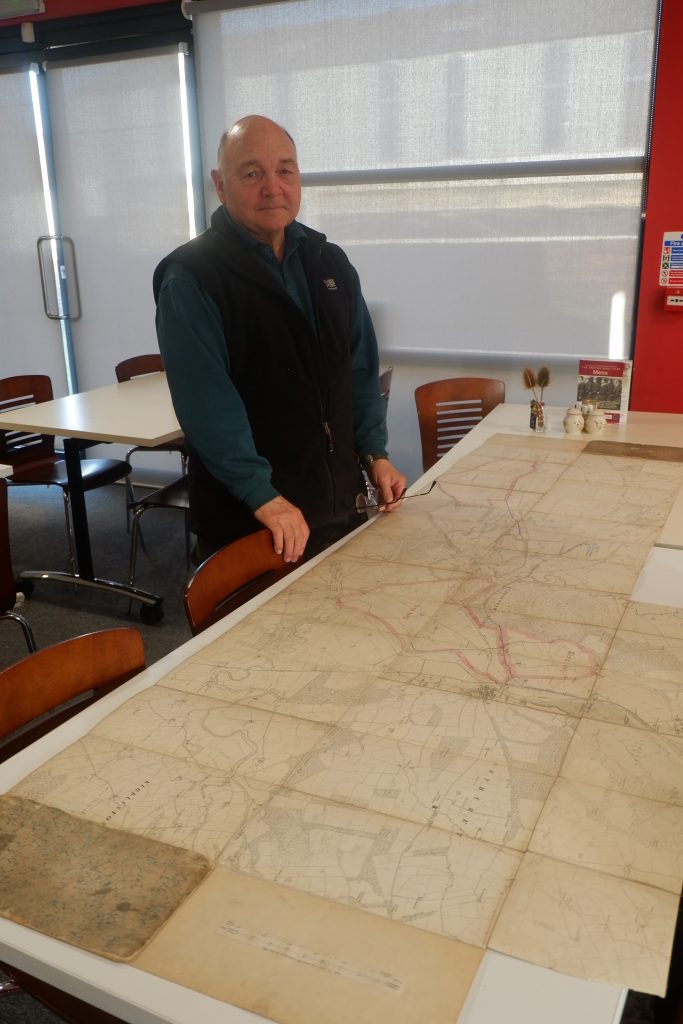
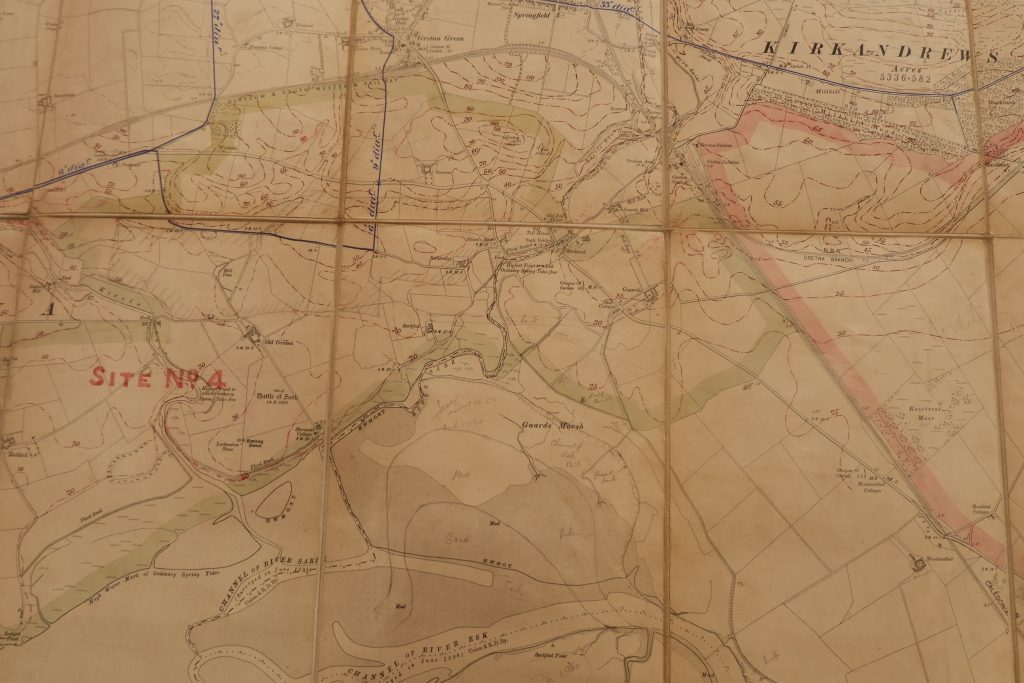
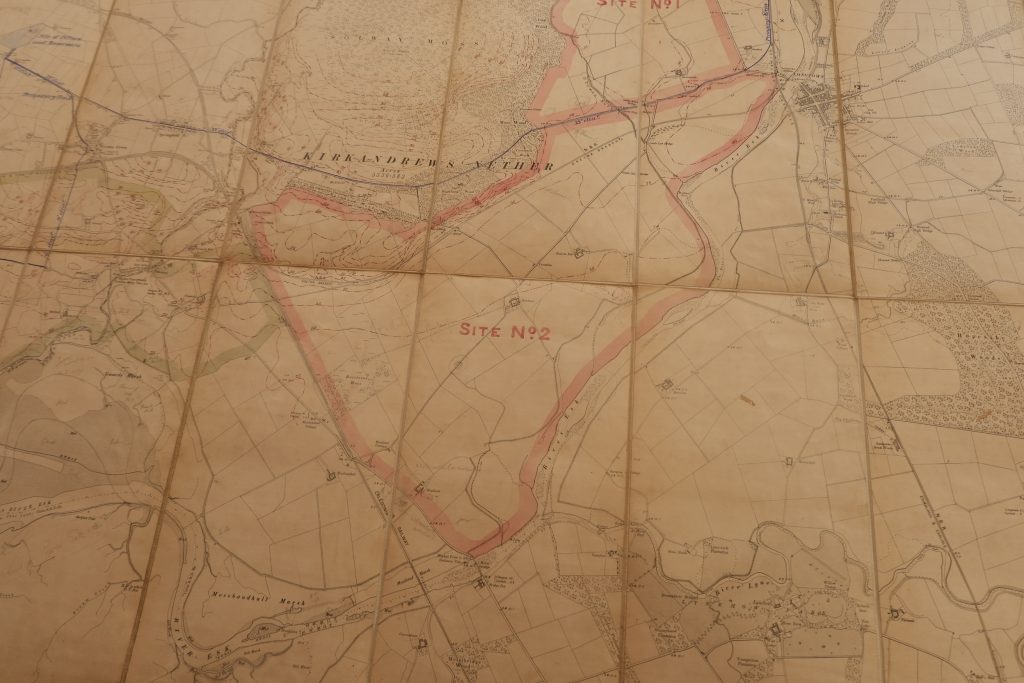
A local gentleman visited the Museum the other day to share some wonderful items with us. He has a map of the local area (stretching from Dornock to Longtown). It appears to be an ordnance survey map from 1898 and on it someone has drawn plans for HM Factory Gretna (the greatest munitions factory on earth during World War One, The Devils Porridge tells it story and the story of the 30,000 workers, 12,000 of whom were women). You can clearly see the Factory sites 1-4 labelled on the map and contours have been drawn on the main intended Factory locations as an aid for planning. Two townships were built for the Factory (Gretna and Eastriggs) and neither appears on the map – there are just open fields and farms – as they weren’t constructed until after 1915. It is quite strange to see a map without these two significant local towns on it.  The map also shows plans for a temporary pumping station and the pipelines that would be built for the movement of millions of gallons of water used by the Factory each day. Fascinating stuff and amazing to see a glimpse into the planning of the construction of the Factory.

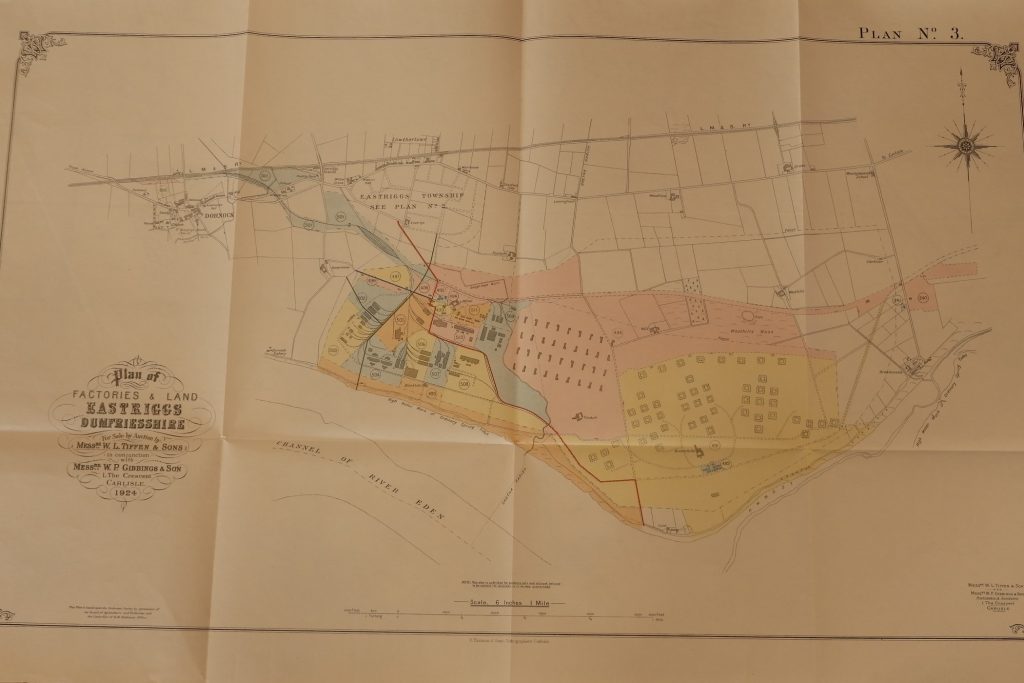
Our visitor also brought in an auction catalogue from 1924. At the end of the war, the Factory plant, site and the houses in the townships were auctioned off and this catalogue was produced (we have one on display in the Museum). What was particularly interesting about this gentleman’s copy of the Auction Book was that it had all five maps inside it (and they were in excellent condition). We have some of the maps but not all of them so it was really interesting to see all the maps together.

We are very grateful to this gentleman for sharing these documents with us and for letting us take photographs of the items in question for our records.

Kenneth Bingham Quinan Part 3

By Collections blog

Kenneth Bingham Quinan “The Great KBQ”

1878 – 1948


KBQ was probably the most important person behind the construction and successful operation of HM Factory Gretna (the greatest munitions factory in World War One, The Devil’s Porridge Museum tells its story).

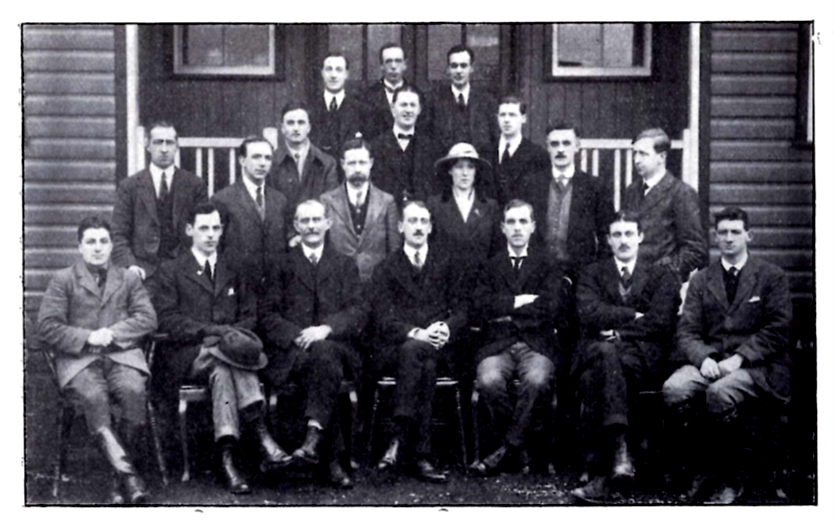
This photo shows all of the senior staff from the Dornock section of HM Factory Gretna.

Part 3: KBQ’s Management style

Quinan’s approach was meticulous. He created over 300 technical manuals and he demanded that his staff create similar exemplars. These were then circulated throughout the factories so everyone could learn from each other and understand what processes were effective. Many of them were published after the war to help spark what Quinan called “…the renaissance of chemical industry in England”

Quinan regularly met with all the technical senior staff and knew many of them well. Monthly meeting were held which all Superintendents of the Factory and Managers were expected to attend. One of the main aims of the meetings was motivation and morale, it was a chance for “…for them (the managers) to receive stimulation and encouragement which everyone who worked for him (KBQ) experienced”.

These meetings generated many documents including a twice yearly document comparing the efficiency and output of the different plants. KBQ was also looking for ways to make the munitions factories more effective.

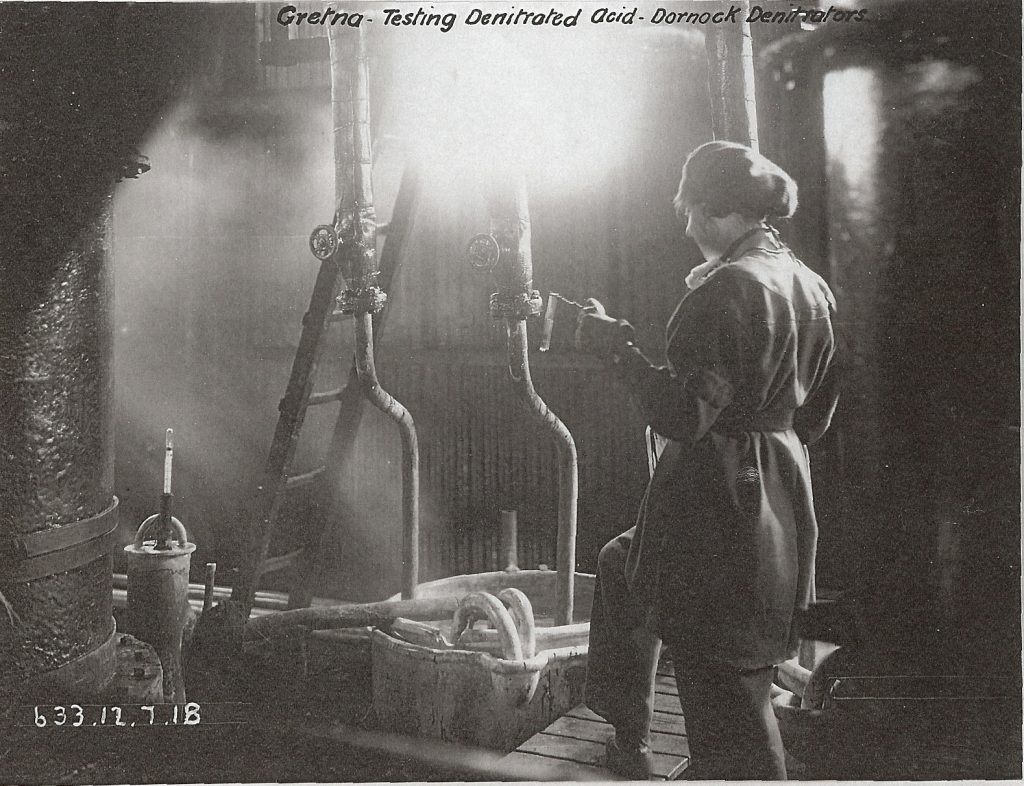
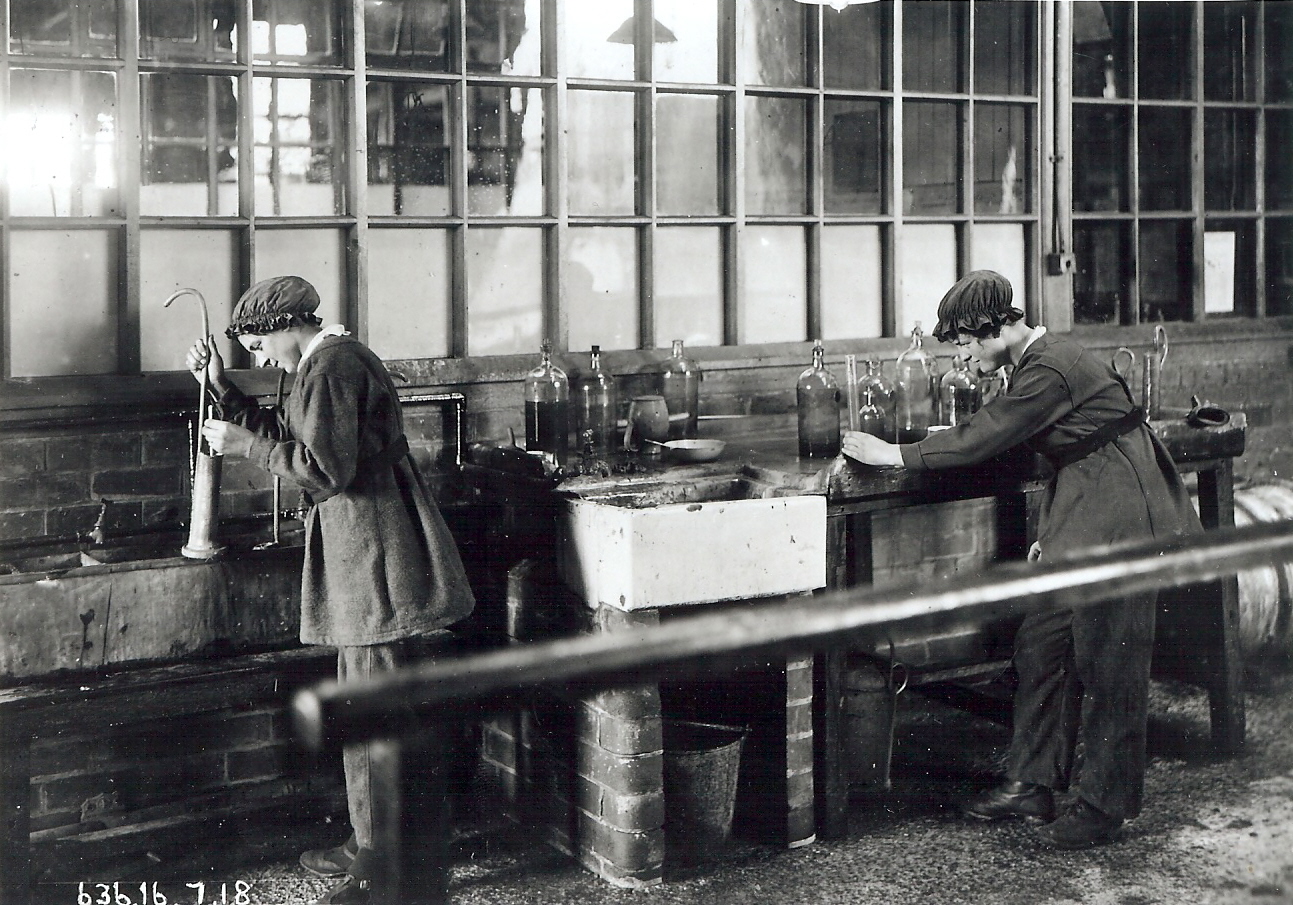
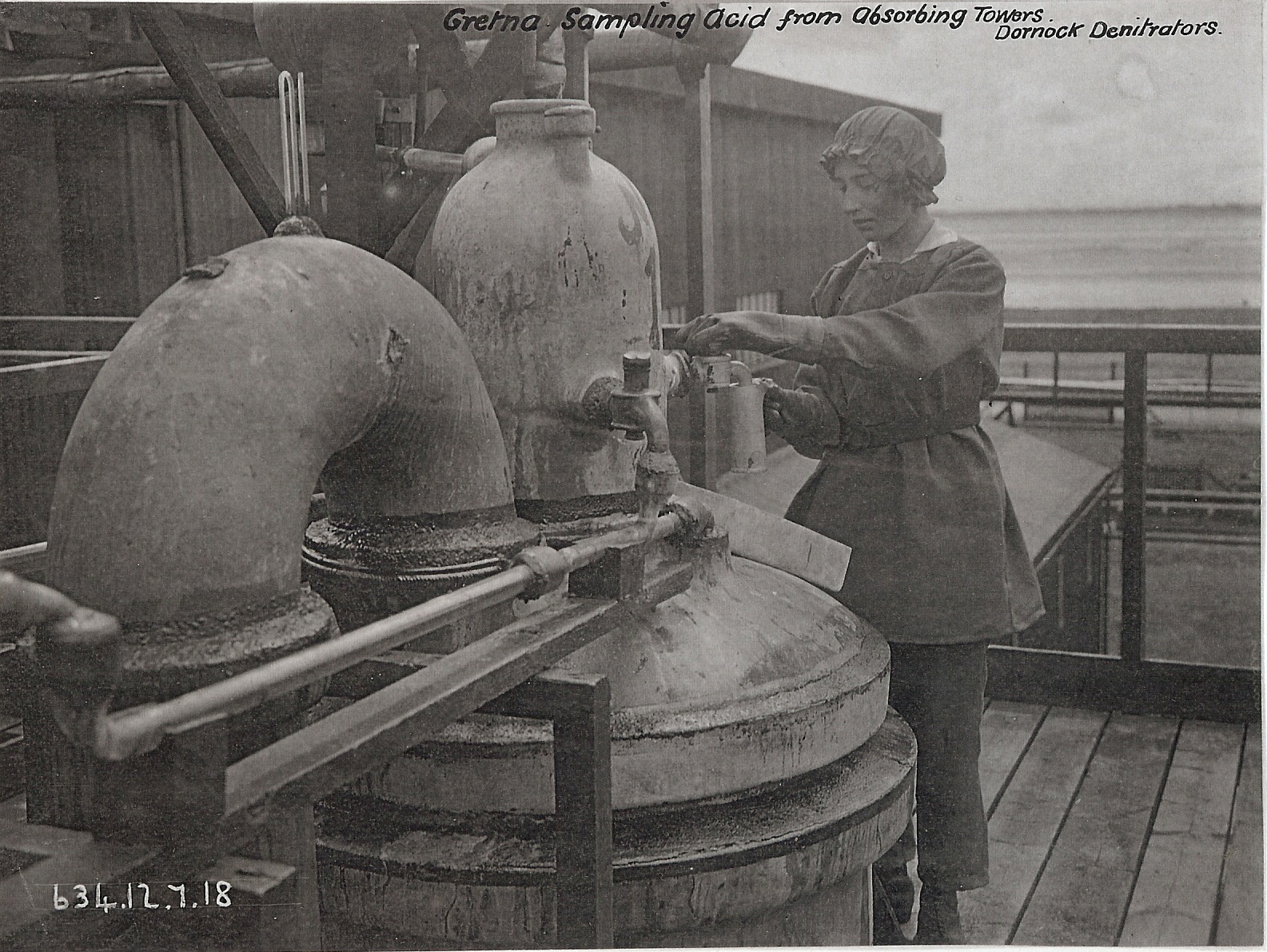
Most of the Chemistry work at the Factory was overseen by male chemists but sometimes female workers were given some of the jobs to do as you can see in the photos above.

We have previously done two other articles about KBQ if you would like to read them as well see below;

Part 1: https://www.devilsporridge.org.uk/kenneth-bingham-quinan-the-great-kbq

Part 2: https://www.devilsporridge.org.uk/kenneth-bingham-quinan-part-2

Wartime Gardening

By Collections blog

Recently the Museum received a donation of a few items from World War Two to do with the Dig For Victory gardens which was a very successful campaign during the Second World War which involved encouraging citizens to grow their own food to try and combat rationing. The Dig For Victory campaign was very successful and encouraged many people to start growing their own food during wartime.

The Museum has its own garden outside which we have called the ‘Dig For Victory’ Garden which we use to grow some of the vegetables used in our cafe. The Museum uses the Garden through the Summer and will start to plant vegetables in it soon (if the weather clears up).
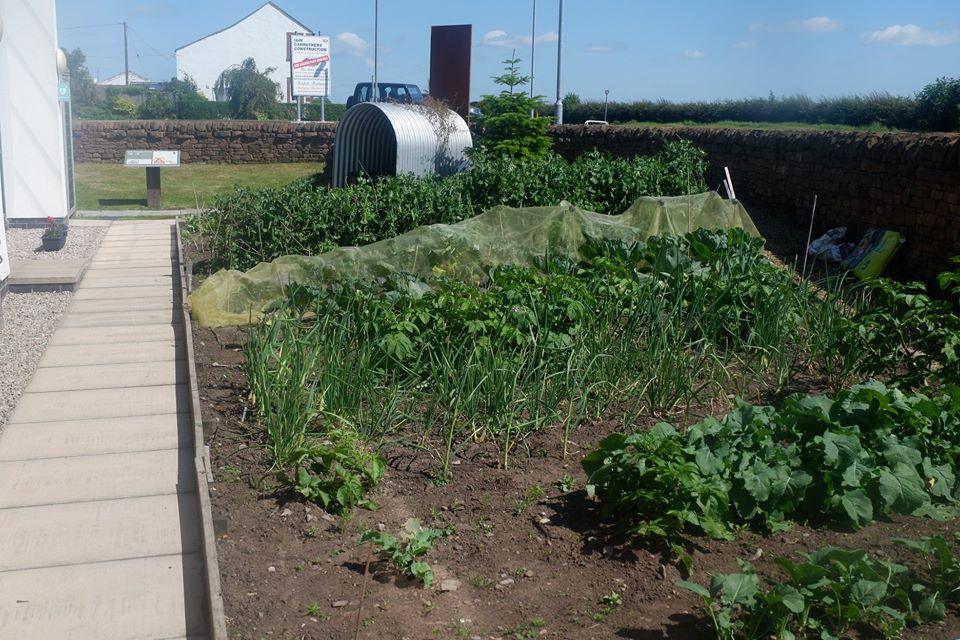
 

This is what our Garden looks like during the Summer when in use.
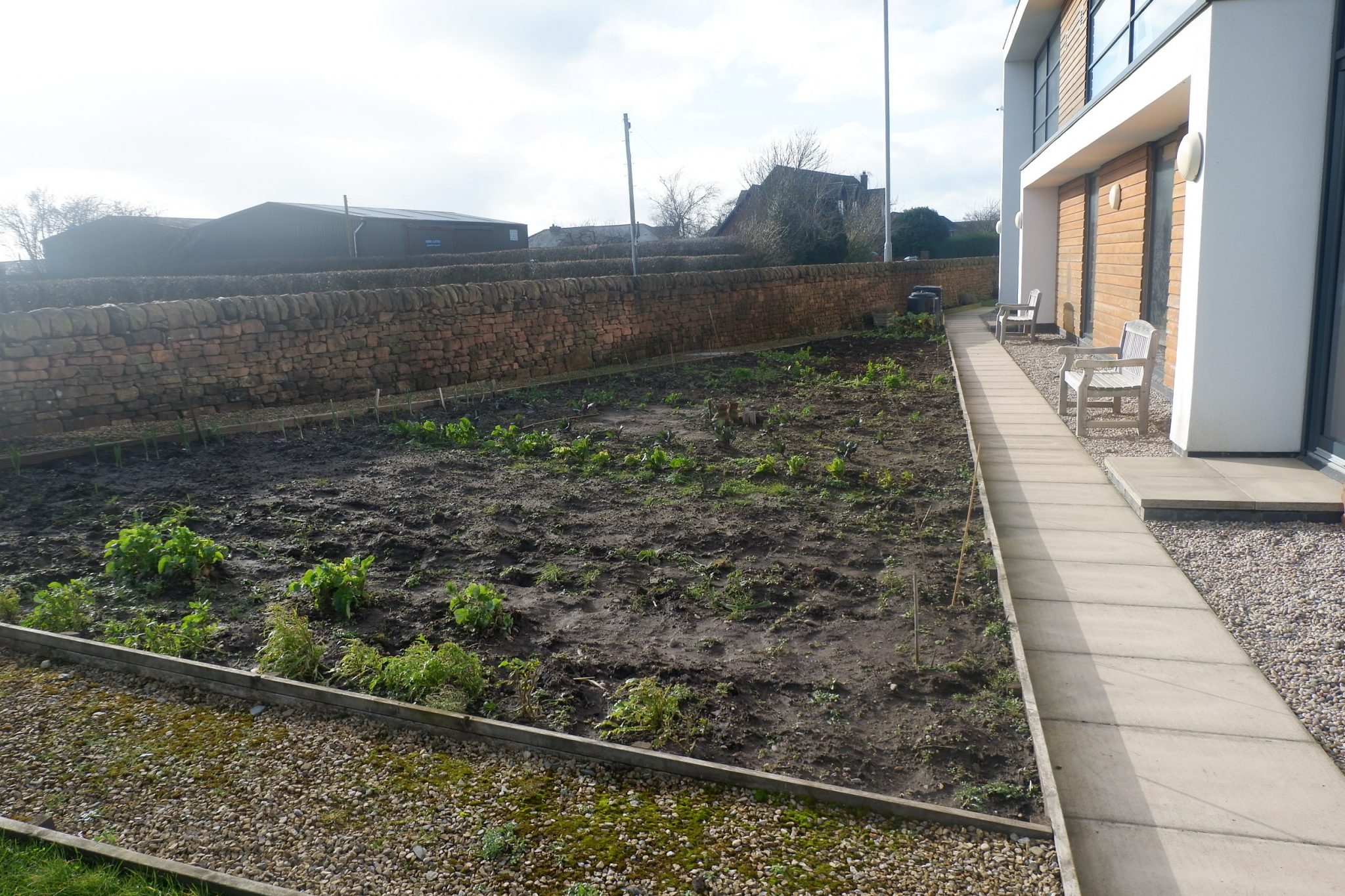
This is what it currently looks like. Hopefully we can start planting things soon!

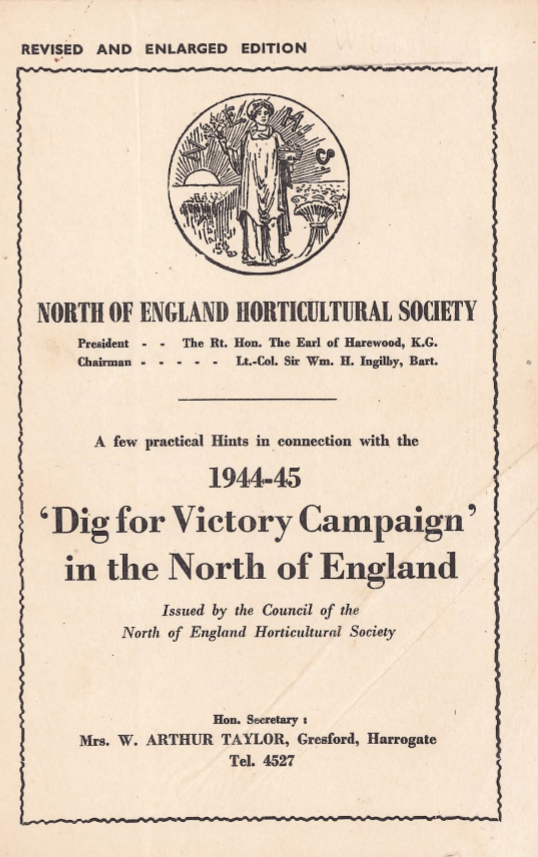
The items which were donated to us include an informational booklet from the North of England Horticultural Society which included hints about how best to grow some of the plants.
 

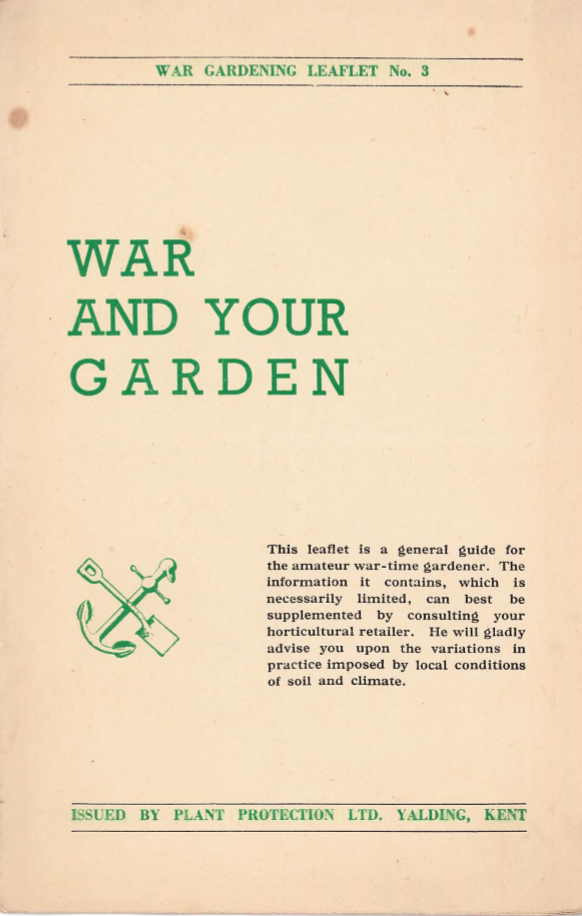
Another one of the items which was donated is also a guide but a slightly shortened down one. This guide is titled ‘War and Your Garden’ and has many tips about growing crops in every different month of the year.
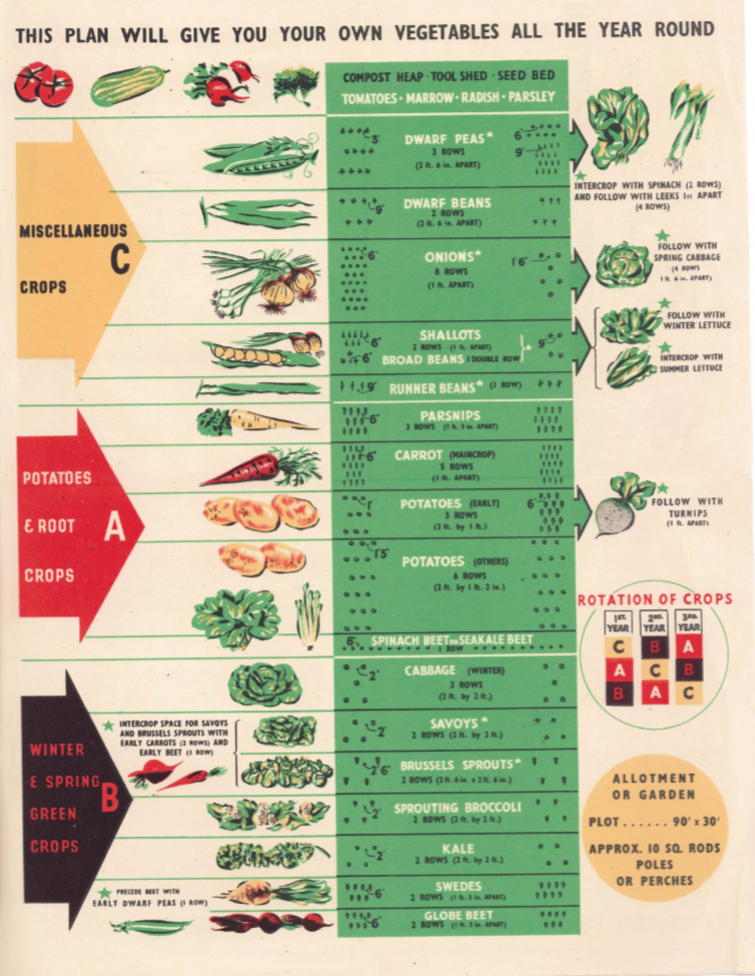
The last item is a plan on how people can grow vegetables all year round and includes information about the best time of year to plant certain crops and also the distance which should be left in between each one when planting.

 

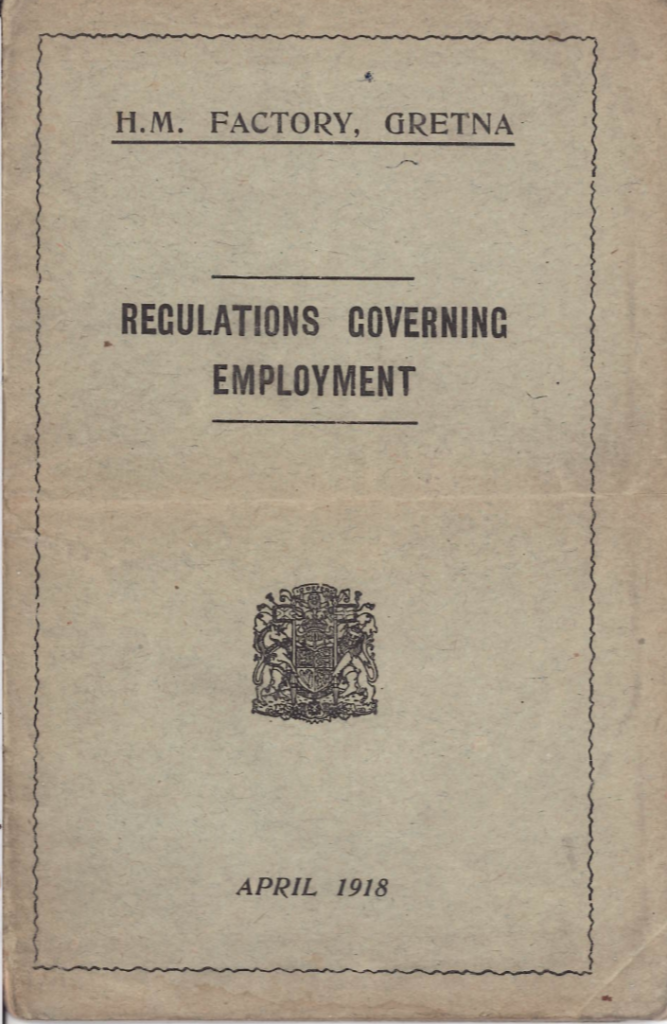
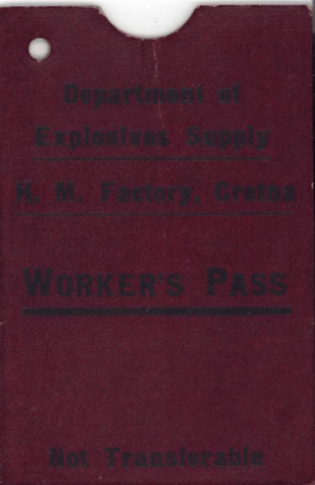
The front cover of H.M. Factory Gretna Regulations Governing Employment.

Recent Donation to the Museum

By Collections blog

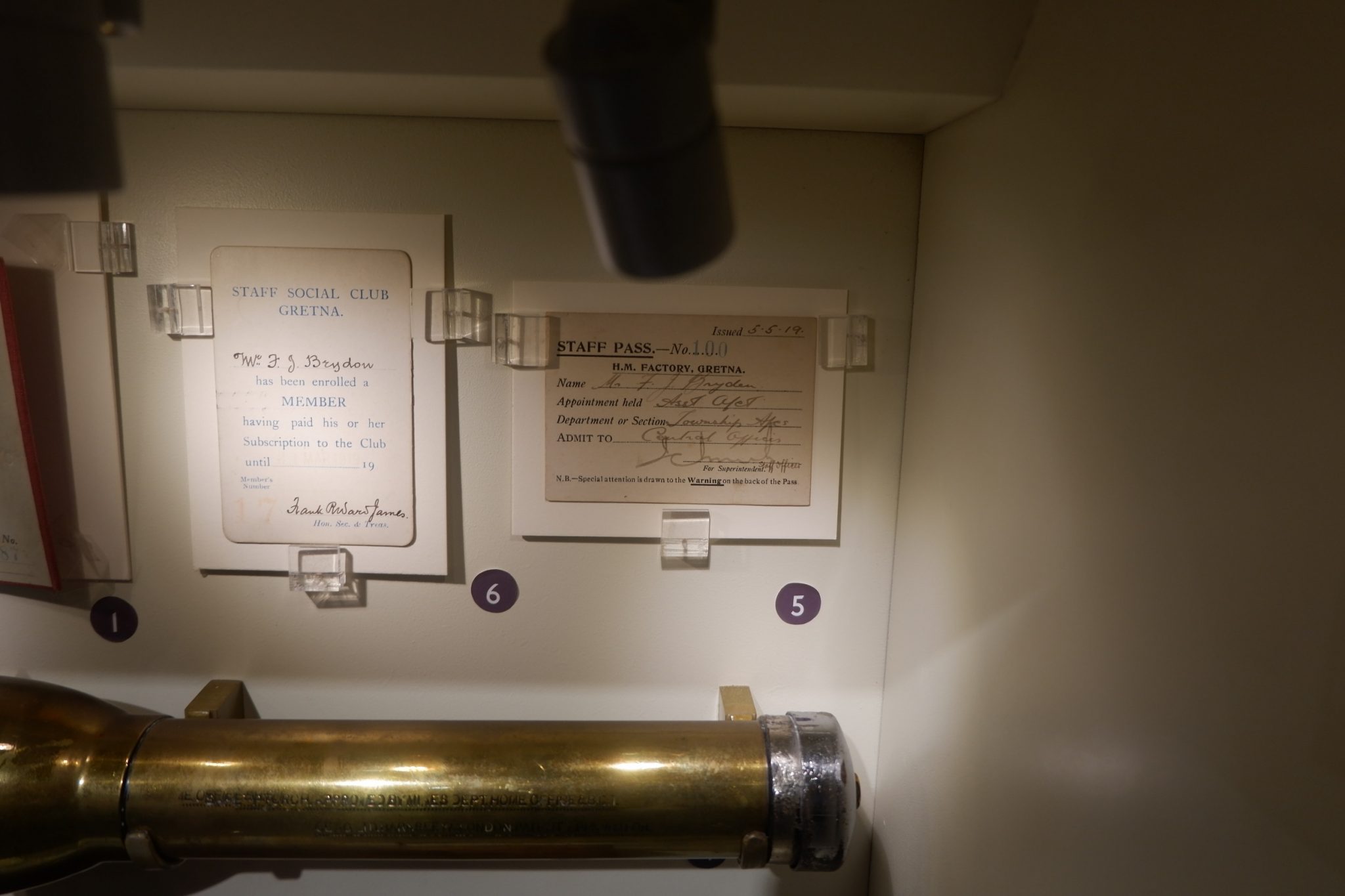
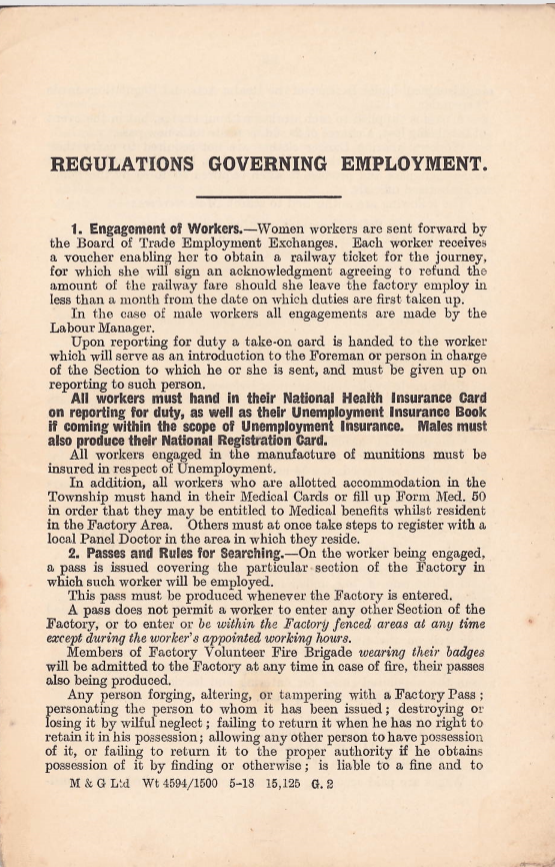
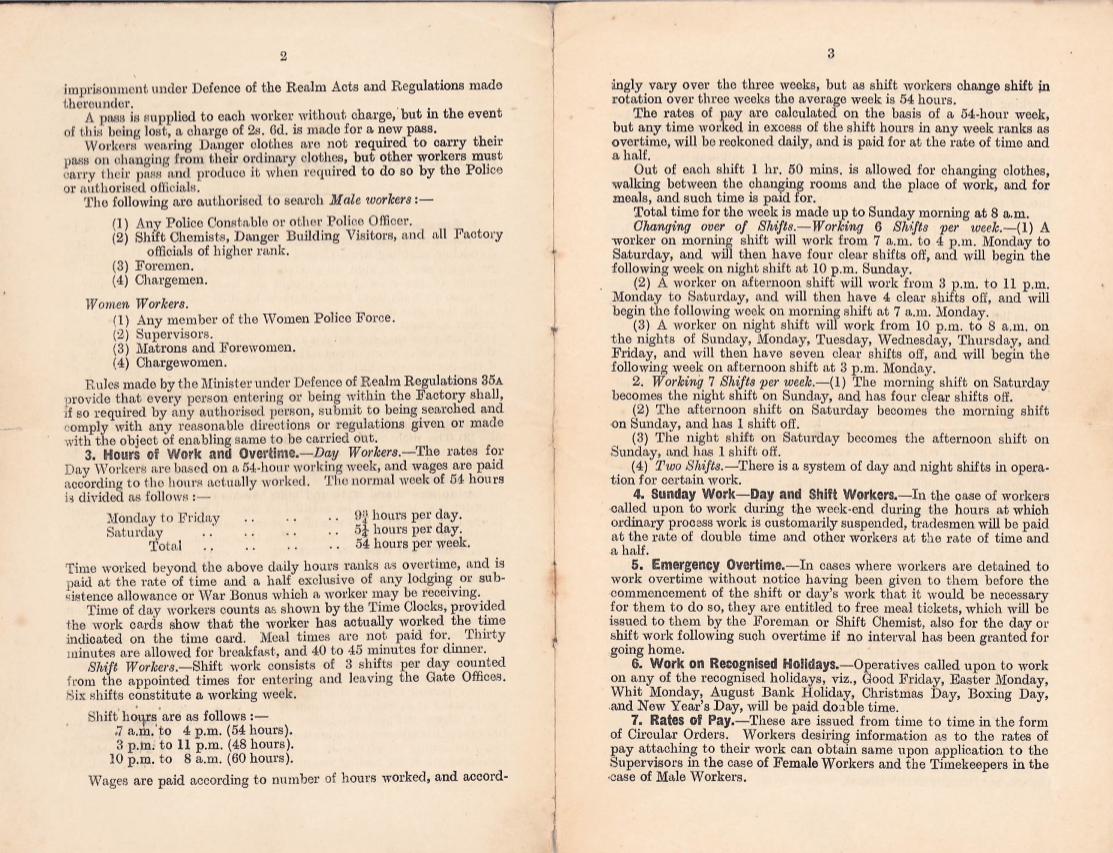
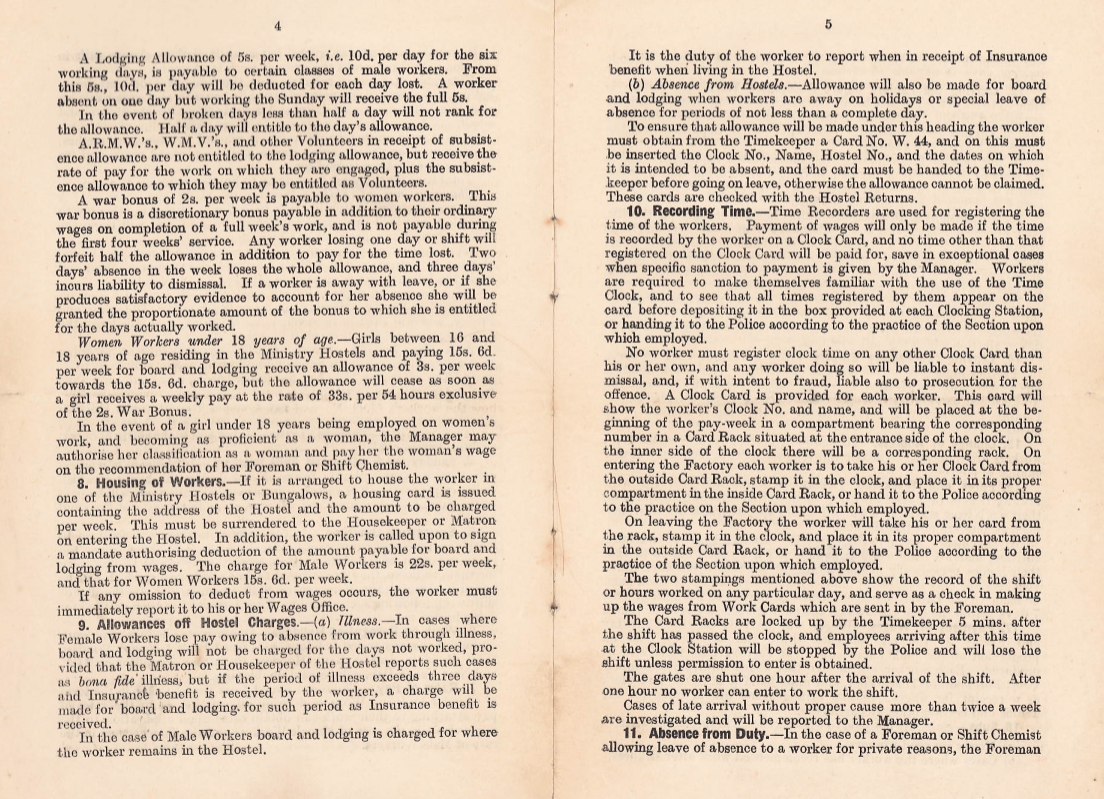
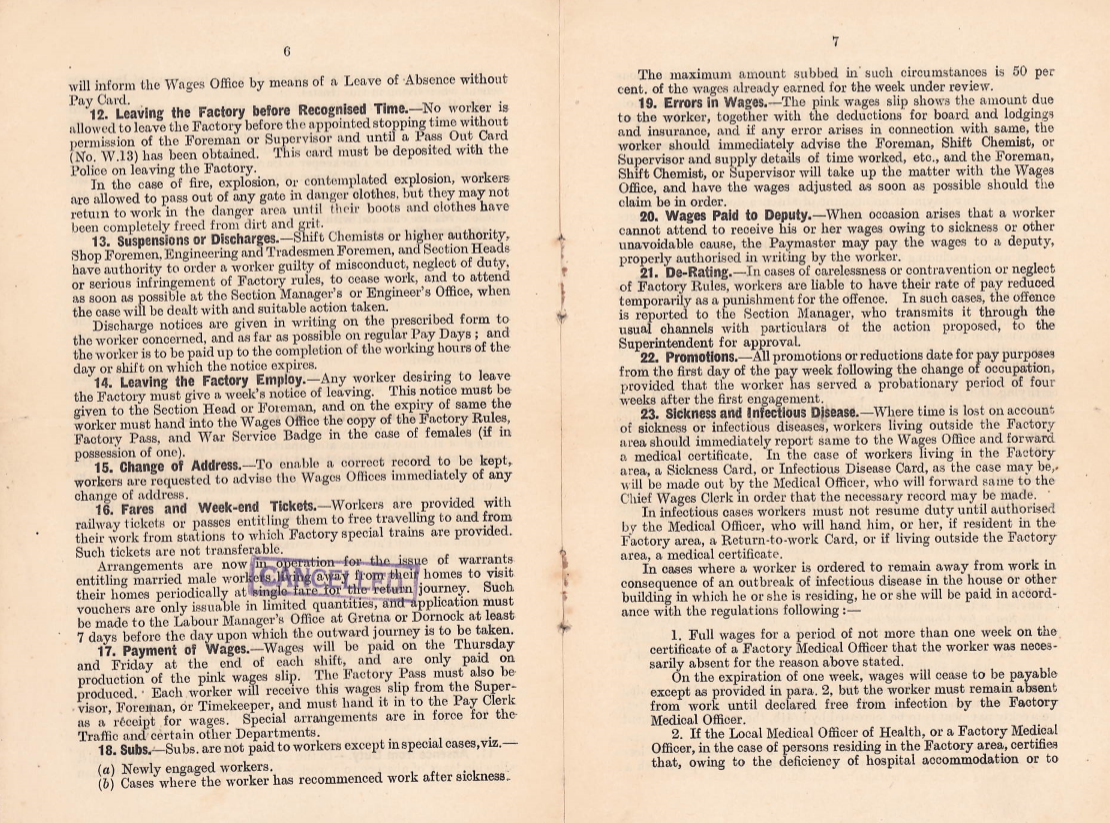
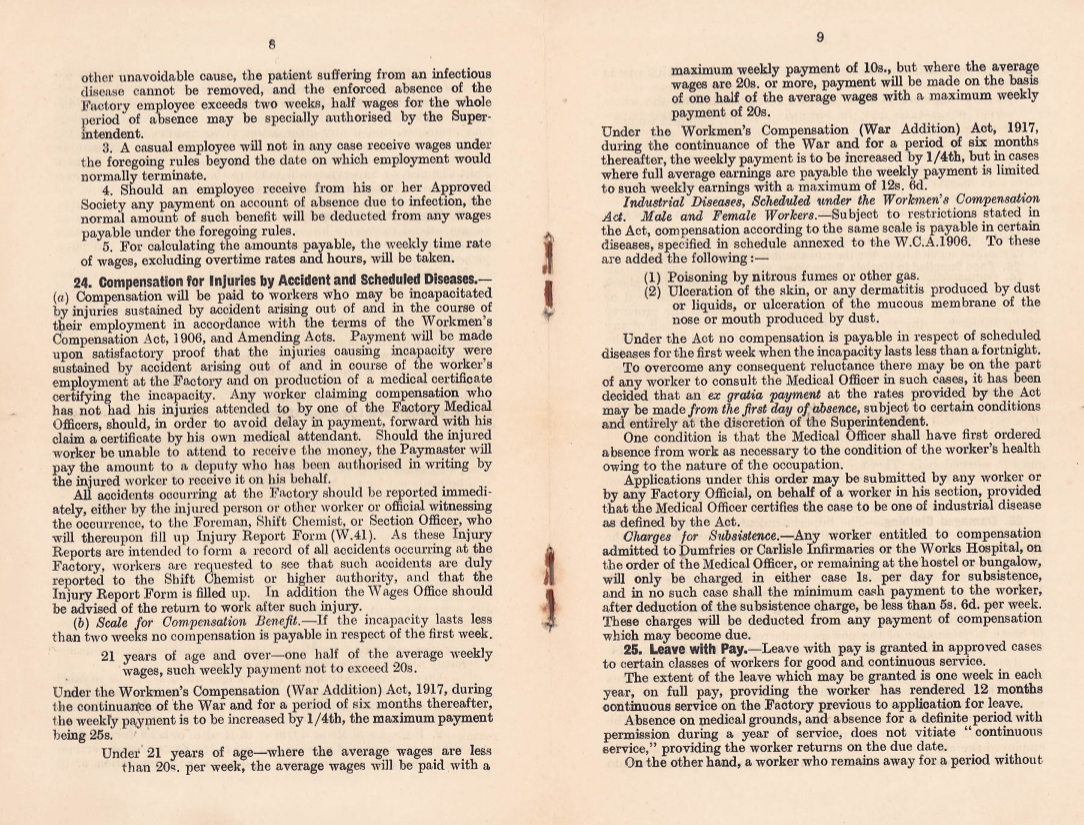
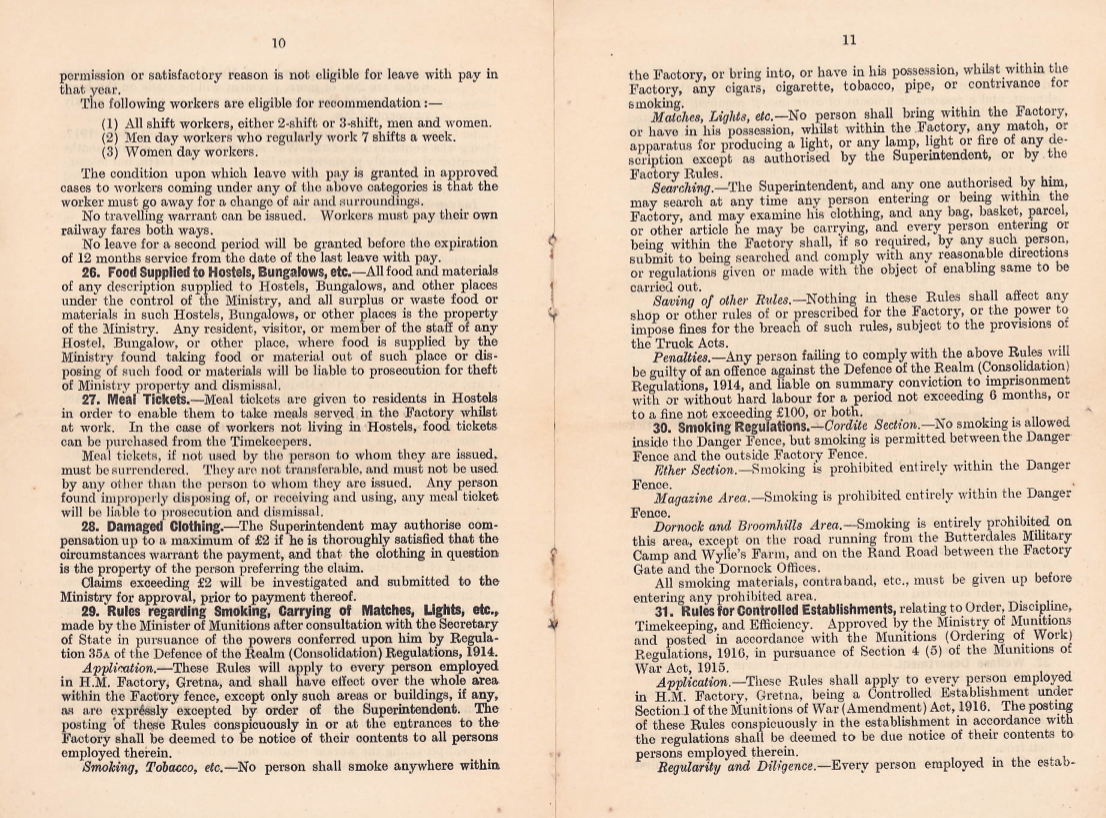
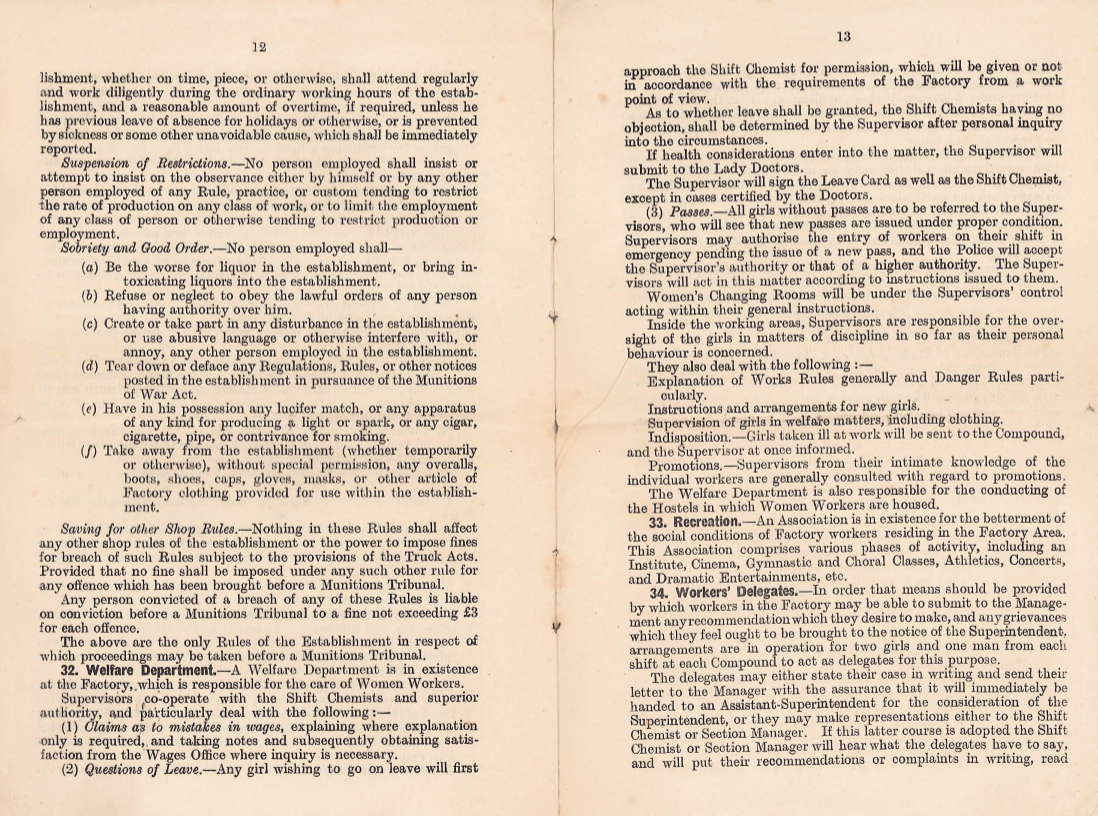
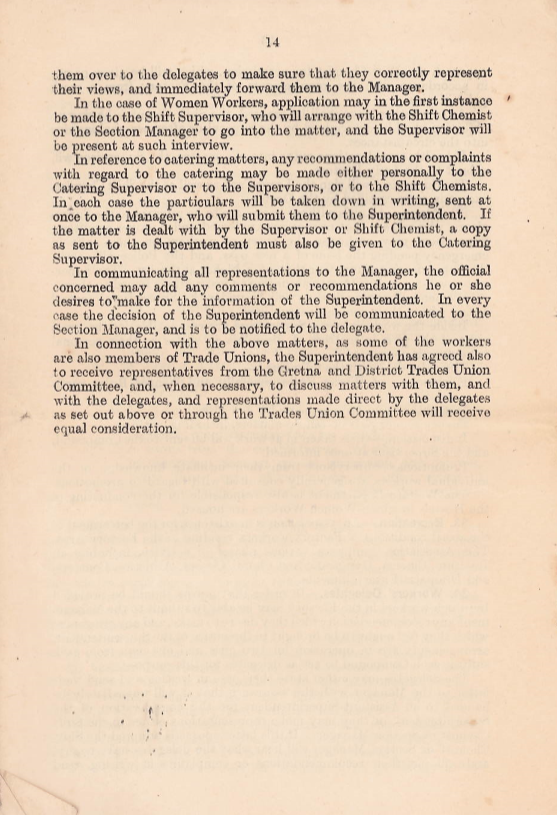
We had a very interesting recent donation to the Museum which was donated by someone with family connections to HM Factory Gretna (The Devils Porridge Museum tells the story of this Factory and the 30,000 workers who were employed there during World War One). The objects in question date back to World War One and are: a Factory pass and a booklet with the title “Regulations Governing Employment. The Factory pass it particularly interesting as we have not seen one before. It looks like it could be attached around the neck via a cord and it would hold something inside it (some paperwork). This pocket is empty but we believe we have an example of the sort of thing that would go inside on display in the Museum.

The text is quite difficult to read but it says: Department of Explosives Supply, H. M. Factory, Gretna, Workers Pass, Not Transferable


We have scanned all of the pages of the booklet for you to read – hope you find it interesting!


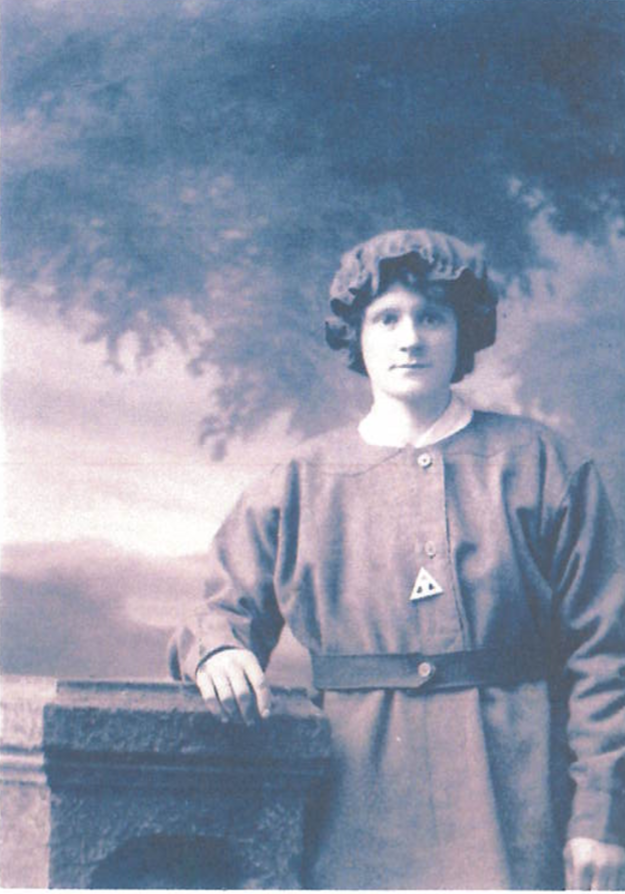
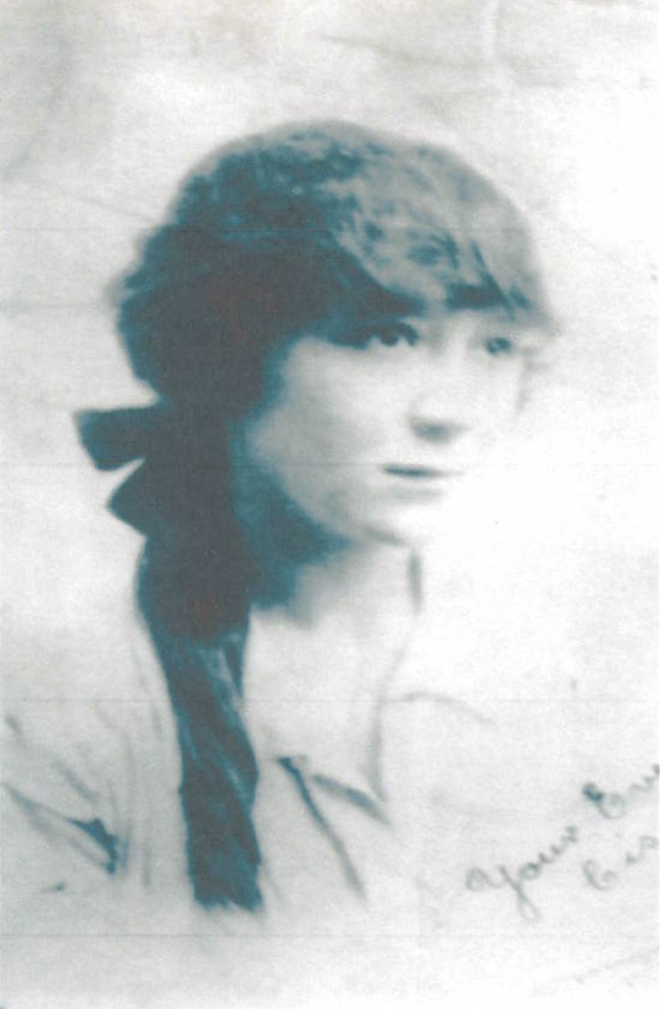
Elizabeth Hunter in her munitions uniform.

Elizabeth Hunter – Gretna Girl

By Collections blog

Elizabeth (Lizzie) Hunter

Born 28 November 1893 died 20th October 1969

Worked at HM Factory Gretna 1916 – 1919

Badge No. B201047


Elizabeth originally trained as a dress maker in Carlisle, then began work at the factory. She commuted from Carlisle to work.


She had a souvenir autograph book, which was addressed to the girls in the stove room so she could have potentially worked there. Included in this autograph book was a poem written by one of the other girls.


Once she had finished working at the Factory, she worked at Carrs Biscuit Works in Carlisle before marrying a Presbyterian Minister in 1927 and moving around the country.


She had three brothers who served during WW1; two were part of the Argyle and Sutherland Highlanders with one killed in 1918 and the other wounded four times. Her third brother was part of the Royal Garrison Artillery and was awarded the Military Cross; he had been a prisoner of war, where he had a Bible and wrote in code with a pin details of the awful living conditions he faced in the camp. Unfortunately he died a month after the Armistice; the Bible was returned to his father but upon reading of his experience burned the copy so no-one else could read it.


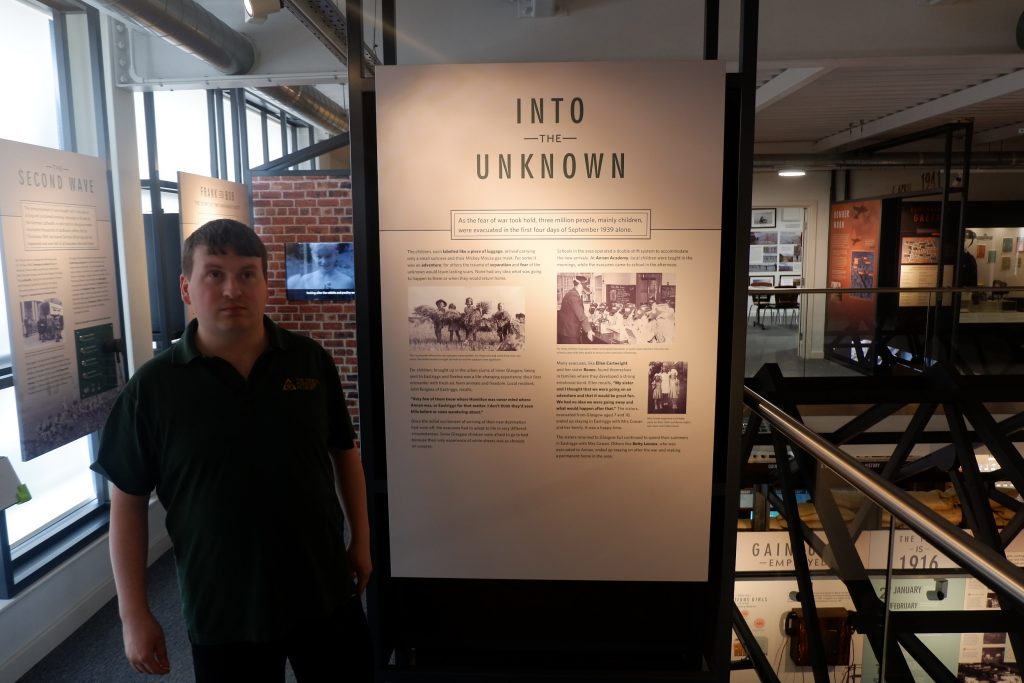
Museum volunteer stood in the evacuee section of The Devil's Porridge Museum.

Barnardo’s child evacuees

By Collections blog

This part of the Devil’s Porridge Museum is the place I find most interesting.


This part of the Museum tells us about the children who came from Barnardo’s orphanages to escape the war. Some came inner city slums and found this as an adventure and a glimpse of a better life. Some had never seen hills or cows and enjoyed the fresh country air.


Barnardo’s was founded by Thomas Barnardo in 1866, to care for vulnerable children. As of 2013 it has raised and spent around £200 million each year running around 900 local services, aimed at helping these same groups. It is the UKs largest children’s charity in terms of charitable expenditure. Its headquarters are in Barkingside in the London Borough of Redbridge.


This part of the museum tells us the story of how some of these children came to Eastriggs, Gretna and the surrounding areas. If you visit the museum you can hear audio accounts from some of the children who have recalled their memories and shared them with us as adults.


Of all the historical events that I can learn about at the Museum I find this section the most interesting.

By Andrew Dill (Devil’s porridge Museum volunteer)

Susan Summers

Gretna Girl – Susan Summers

By Collections blog

These are the accounts of Susan Summers when she worked in HM Factory Gretna during World War One. The article is written by her and about what her roles were at the Factory and what life was like working there.


When war was declared I decided to help the war effort and get a job at HM Factory Gretna. We were met at the station and taken to a large hut which was to be our home from home during our stay.


Our first job was stocking furnaces with sulphur. One day, a week later, we were hurried outside. I understand there was a leak of some kind and we were never sent back.


I was then sent to take charge of the Drying Shed. The gun-cotton was in blocks, packed in bags to be put into the drying machines. They were loaded onto a conveyor belt upstairs to the screening shed where it was ground to a powder.


I can remember the shed was bitterly cold and one night we had an alert. The lights in the shed went out and we were plunged into darkness. We heard afterwards that a Zeppelin had got through to Annan.


Then I went on a more dangerous job which was underground and there too we had an alert. Our chemist dashed in shouting, “Run girls! Run for your lives!” we did and I know I only stopped when my breath gave out.

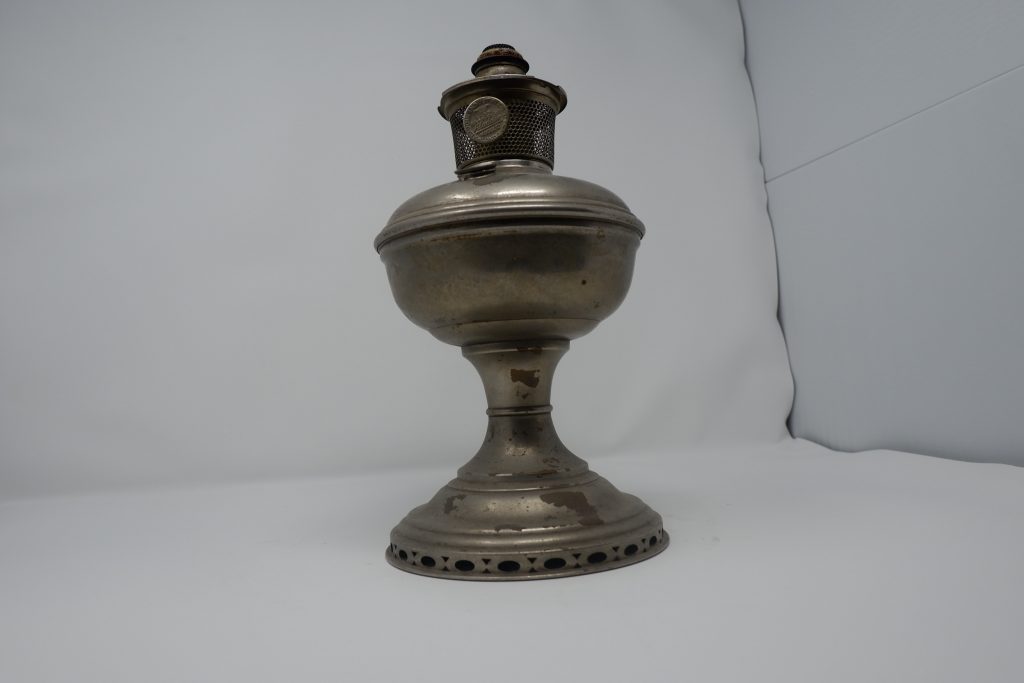
A gas lamp.

1930’s Gas Lamp

By Collections blog

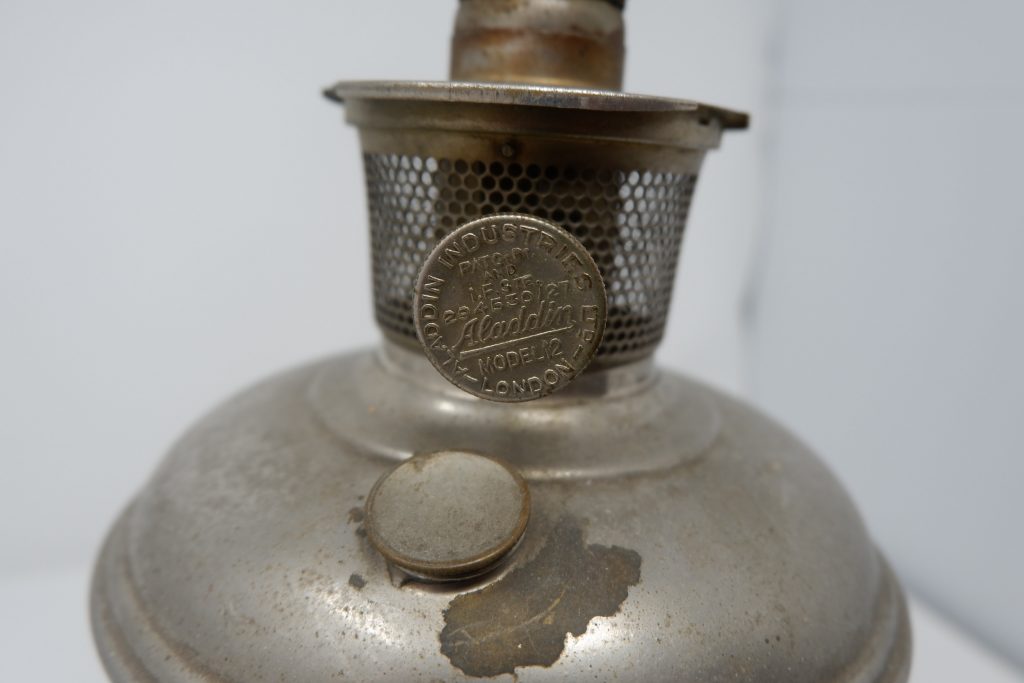
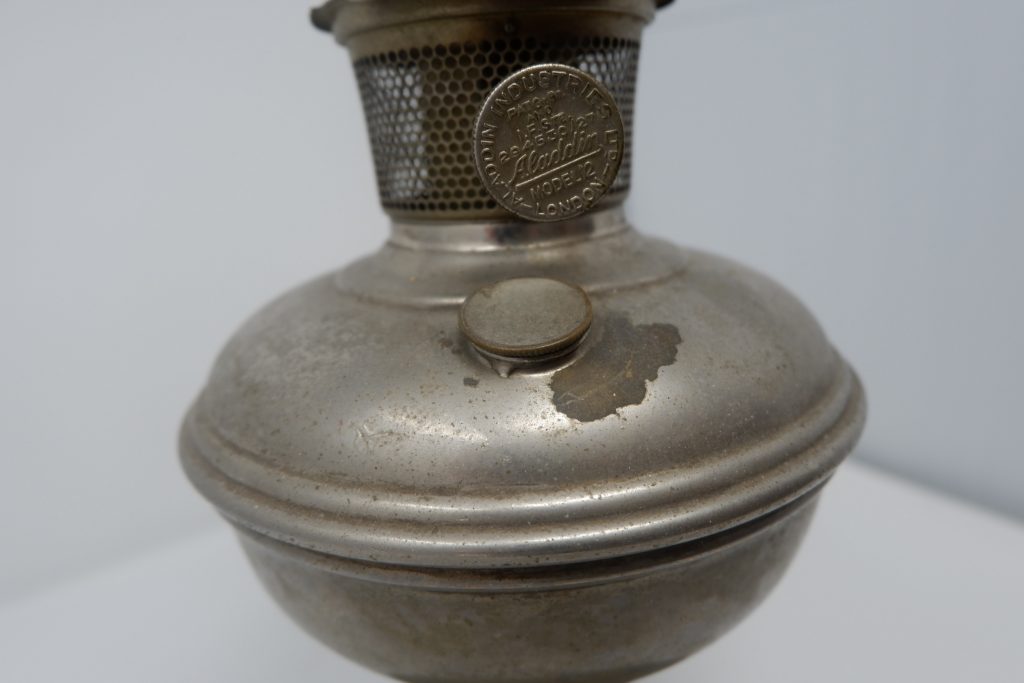
These types of gas lamps would have been typically used by people inside their houses from around 1928 to 1935 and were sold in America, the UK, France, Australia and Argentina. This lamp is a table lamp but there were also one which would be hung from the ceiling. Aladdin Industries (the maker of the model 12 gas lamp) also made vase lamps which would be used as a more decorative item than the traditional table lamp.

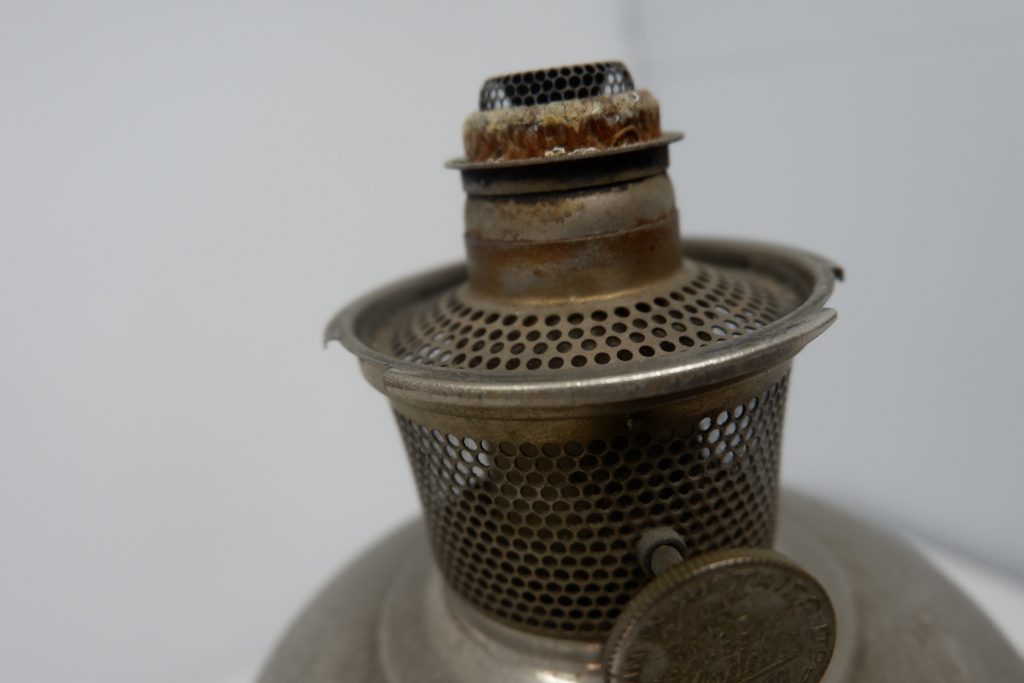
This is a gas lamp which was made from 1928 to 1939 in the UK and is a model 12 Aladdin gas lamp. The model 12 was a completely new model from the ground up. The model 12 lamp was the first to have optional paper shades as well as glass shades. The model 12 brought decorative glass shades into common usage.

The model 12 burner stayed in production until the early 1950’s to repair model 7 through 12 lamps for sale overseas. Aladdin Lamps were established in 1908 and are still making lamps today, now based in New Braunfels Texas

Translate »
BOOK NOW