Category

Collections blog

KB Quinan

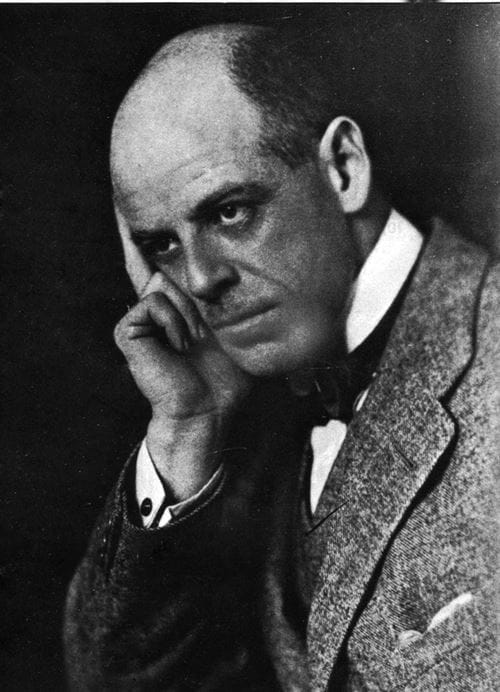
Kenneth Bingham Quinan ‘the great KBQ’

By Collections blog

Kenneth Bingham Quinan  “The great KBQ.”

1878-1948

KBQ was probably the most important person behind the construction and successful operation of HM Factory Gretna (the greatest munitions factory in World War One, The Devil’s Porridge Museum tells its story).

An American by birth but a resident in South Africa at the start of the War, he was described as having energy like a ‘steam piston’.  He was integral to the construction of the Factory site (nine miles long and two miles wide in total), recruited the chemists and technical experts necessary for the production of cordite and compiled over 300 technical manuals at the end of the War to maintain the expertise gathered during the War.  A founding member of the Institute of Technical Engineers, he was the presiding genius of the Factory which employed 30,000 people at its height, 12,000 of whom were women.

This is the first in a series of articles looking at his life and contribution.

In 1878 KBQ was born in New Jersey to parents of Irish and English extraction., their sixth child.  His father and uncle had both been involved in the American Civil War.  KBQ’s father was aide de camp to Stonewall Jackson (a Confederate general) and his uncle, Colonel W R Quinan, was gunnery expert and mathematician at the prestigious West Point Army Academy.
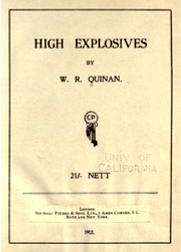
W R Quinan explosives

KBQ;s uncle, W R Quinan published a book on his research into explosives.

KBQ had a normal schooling but no higher education.  He spent some time aboard a sailing ship and then joined his uncle in 1890 at an industrial explosives factory in Pinole, California.  He spent ten years there learning on the job with his uncle.
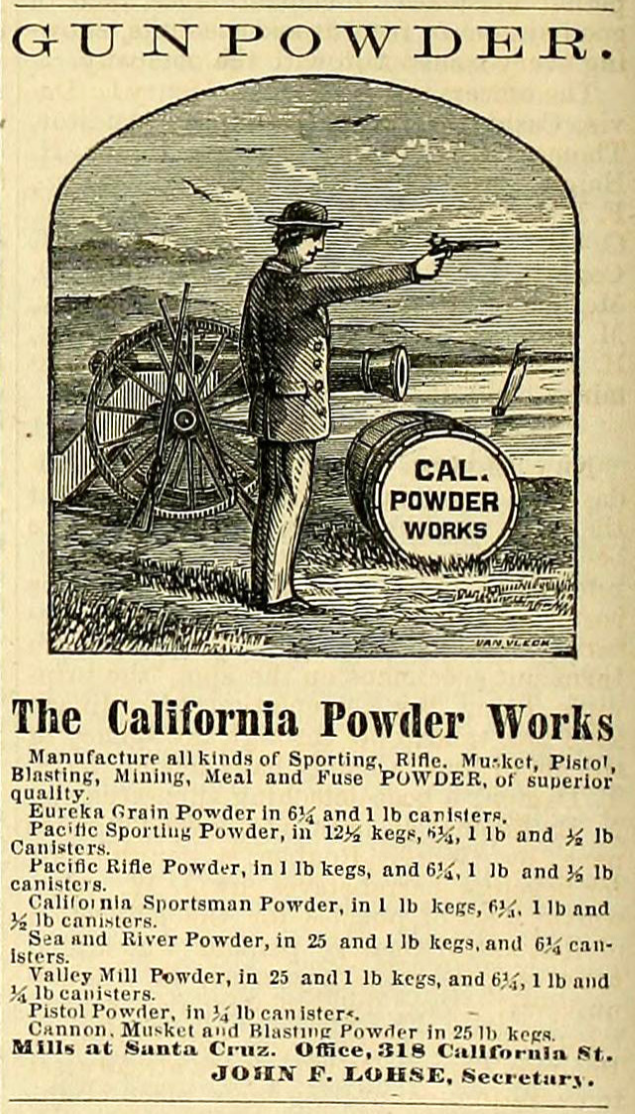
California powder works

W R and K B Quinan both worked at the California Powder Works which mainly made explosives for gold mining.

Cecil Rhodes, founder of Rhodesia and later the Prime Minister of the Cape Colony, invited W R Quinan to travel to South Africa to help construct a dynamite factory to break the monopoly of the Nobel Company.  He arrived on board a ship which was also laden with bricks, timber, soda and iron (all items to build the factory).
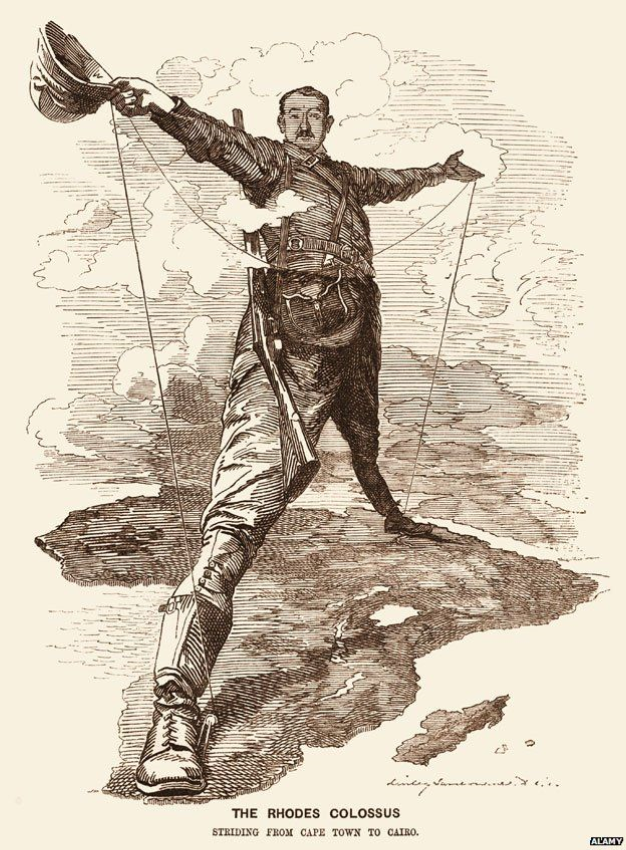
Cecil Rhodes cartoon

Cape Explosives Works was established by Cecil Rhodes. Rhodes added much of southern Africa to the British Empire. He was determined to break the Nobel dynamite monopoly and the Quinans helped him to achieve this.

W R Quinan played an integral part in the creation of the plant at Somerset West.  KBQ joined his uncle in South Africa April 1901, he worked as his assistant for many years becoming General Manager of the Cape Explosives Works in 1909 (his uncle retired at this time due to ill health).  W R Quinan died while in Australia but his body was returned to Somerset West for burial.

KBQ in South Africa

“…a unique preparation for the task he was to undertake for Britain throughout the First World War.”

From 1909 to December 1914, KBQ was General Manager of Cape Explosives Works.  This factory had 1000 native employees and approximately 350 Europeans.

“…both Quinans were Americans and introduced the less conventional equipment, processes and methods prevalent in the USA….The underlying idea was to facilitate a system of planned inspection and maintenance in strict rotation.  This was essential for plant carrying explosive risk but a somewhat similar system operated throughout the factory and KBQ insisted on its rigid application.”  All quotes from an article in the Chemical Engineer Journal, 1966.
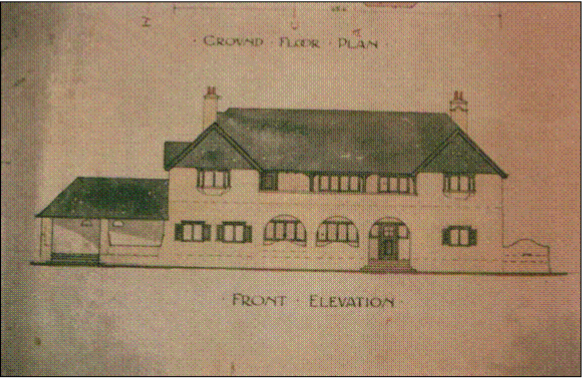
Quinan house

This house in South Africa is called Quinan House. It was built in 1901 for the General Manager of the De Beers Explosive Works. It was declared a National Monument in 1973.

There are two streets with the name Quinan in Somerset West: W R Quinan Boulevard and Quinan Road.  Our next article will focus on how and why Quinan came to Gretna to join the British War effort.
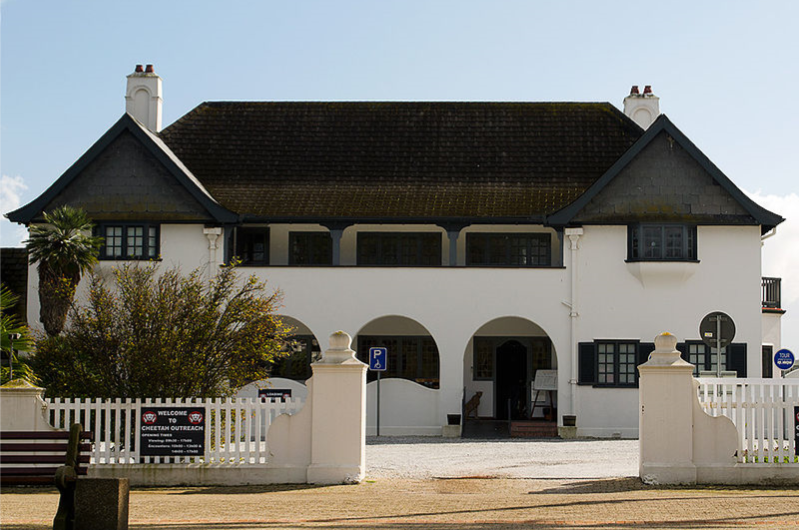
Quinan house

Quinan House today.
A haaf netter carrying a net across a beach.

Objects for Haaf Net fishing

By Collections blog

This post was written by Lukasz, who volunteers with us every Thursday from Annan Academy.

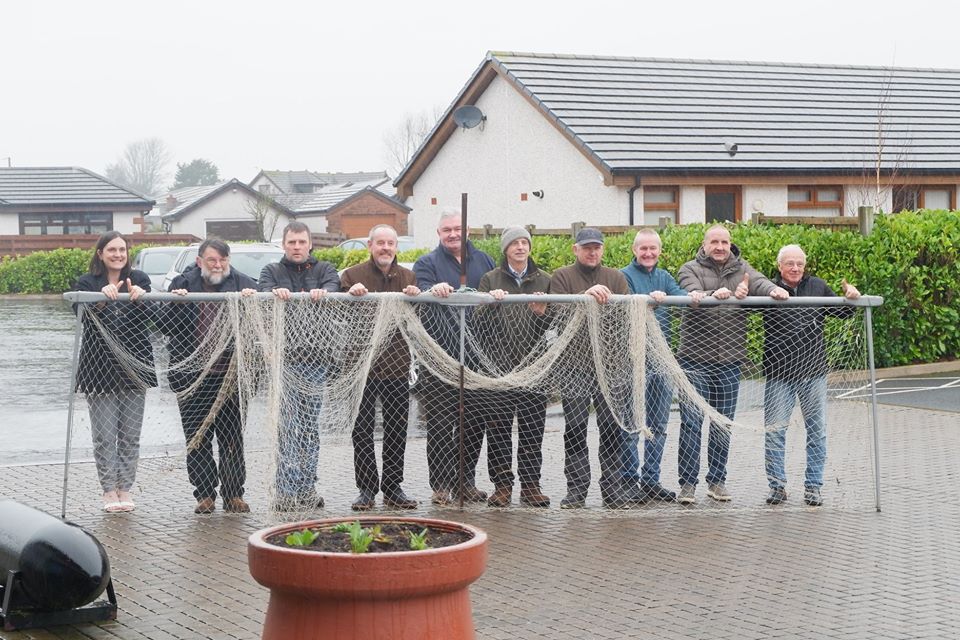
The Museum currently has an exhibition on display which shows Haaf Net Fishing. On Monday 13th of January 2020, several fishermen visited the museum (see photographs below) one of them loaned us this interesting objects which we aim to put on display soon.  These items belonged to his father and we are delighted to have them on loan.

haaf netters at the devils porridge museum

Haaf Net Fishing is a Norse style of fishing that was adopted by the people of this local area of Solway Firth after Viking settlements and it involves the person going to the middle of the body of water with a big net than the person would place the net under the water then when a fish is caught the net is taken out of the water.

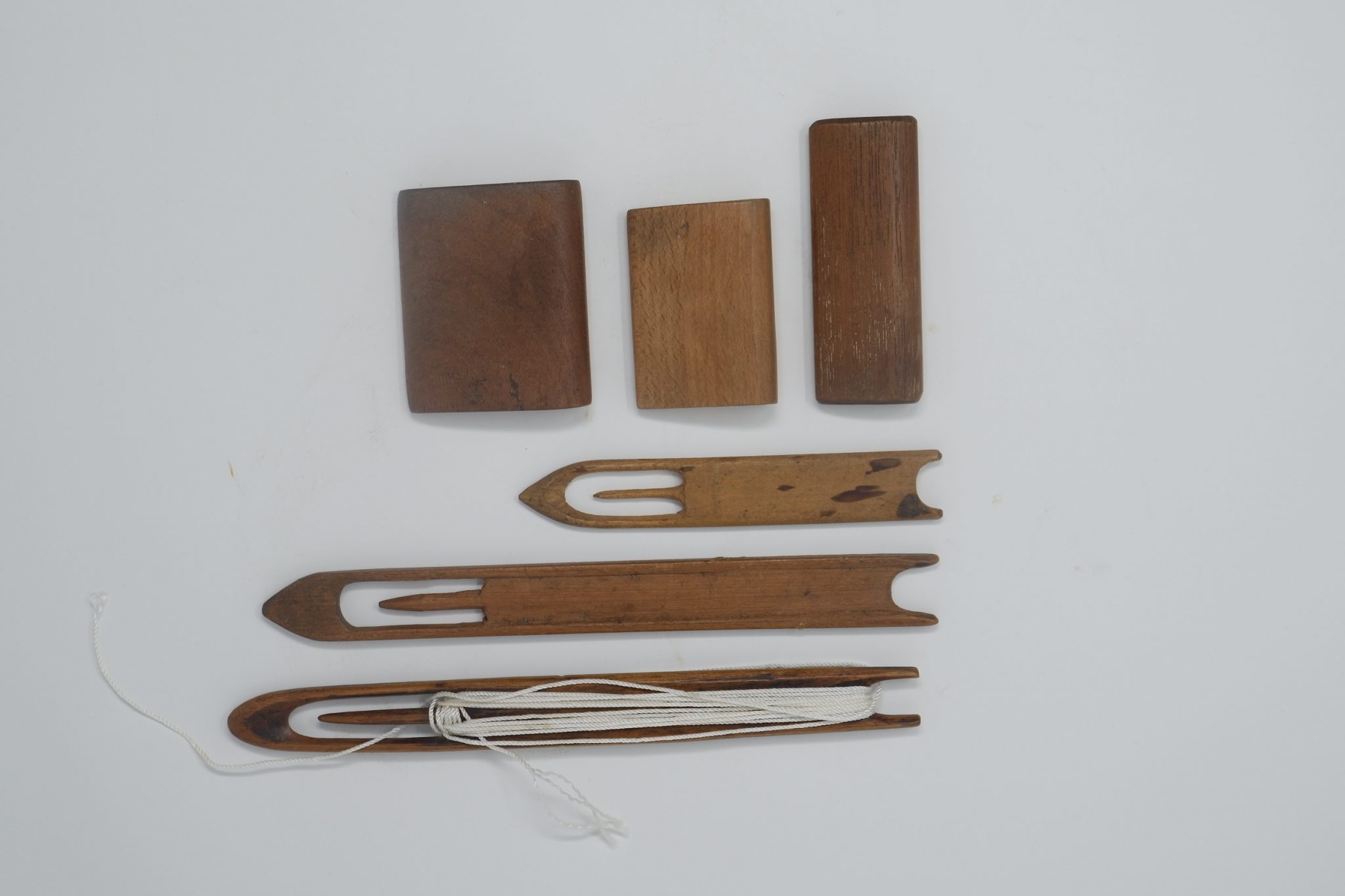
haaf net fishing needles

These objects (photographed above) are what was used to ‘knit’ the net used for this style of fishing because the people of the area had to make their own net out of hemp.  The net would be knitted by the fisherman and his wife. This six objects are three knitting needles (bottom of photo) and three measures (top of the photo).  One measure to make nets catching salmon (top left), one for nets for catching trout (middle top) and one for nets catching baby trout (top right).

For more information on haaf netting, see: http://www.annanhaafnets.org/

WW1 Bugle from Quintinshill

By Collections blog

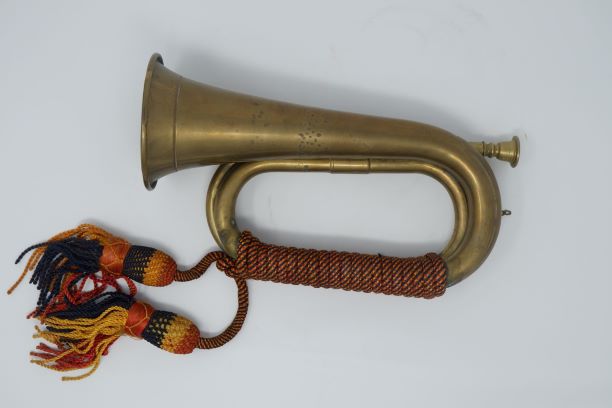
 WW1 Bugle

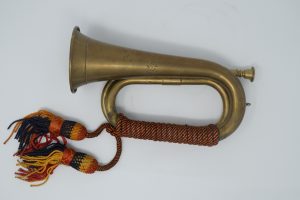
This Bugle belonged to John Malone who died in the train crash at Quintinshill in 1915

At only 16, he was too young to go into active service at Gallipoli (the age limit was 17) but he was travelling as part of the regimental band which would play a musical farewell to the troops at Liverpool.

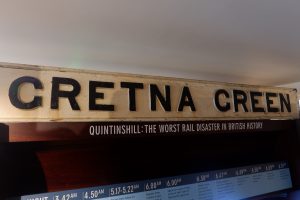
We have a display within The Devil’s Porridge Museum of objects and information relating to the Quintinshill rail disaster and in December (when the Museum was closed), we added two new objects to it. One is a seven foot long sign which formally stood at Gretna Green station and the other is a Signal Box showing the route of the trains involved in the fatal collision at Quintinshill at 6.49am on May 22nd 1915.

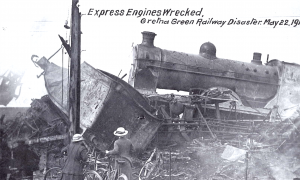
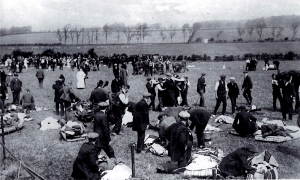
On that fateful day, a troop train carrying Royal Scots soldiers destined for Gallipoli collided with a stationary train at Quintinshill, near Gretna Green. Shortly after the crash the wreckage was struck by an express train from Carlisle, which sparked a catastrophic fire. This horrific accident killed at least 227 people and injured over 200; only seven officers and 57 soldiers survived the crash, of whom five went on to Gallipoli to face the machine guns of the entrenched Turks. This is still the worst rail disaster in British history.

Quintinshill Rail disaster

The Museum has several objects of significance connected to the Quintinshill rail disaster including a rifle which was bent out of shape by the heat of the fire. There are heart wrenching accounts of trapped soldiers in the train begging to be shot because of the excruciating pain caused by the flames.

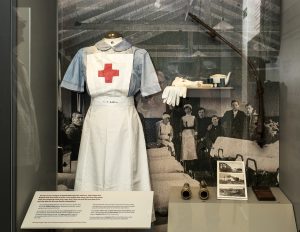
We also have a nurse’s uniform from the time of the crash. Patients were taken to Dumfries and Carlisle Infirmaries and doctors came to the scene to help if they could. There are dozens of photographs in the Museum’s collection showing the wreckage and the crowds that came to help and gaze at the spectacle. Many of these were turned into postcards within days of the event such was the interest in it.

Nurses uniform

Another object we have is a bugle which belonged to John Malone. He was aged just 16 when he died in the train crash at Quintinshill. He was too young to go into active service but he was travelling on the train with the regimental band to play a musical farewell to the troops when they boarded their ship in Liverpool.

WW1 Bugle

Acid recovery section hm factory gretna

A look at some of the dangers of working at HM Factory Gretna

By Collections blog

The Devil’s Porridge Museum is primarily focused on sharing the history of HM Factory Gretna, the greatest munitions factory on earth in World War One; it employed 30,000 workers, 12,000 of them women.  The Museum is situated near one of the main factory sites (which is still owned by the Ministry of Defence today).

The purpose of the Factory was to produce cordite.  One of the main ingredients of cordite is acid and although safety precautions were taken, we know of several accidents that involved contact with acid.

nitric acid retorts

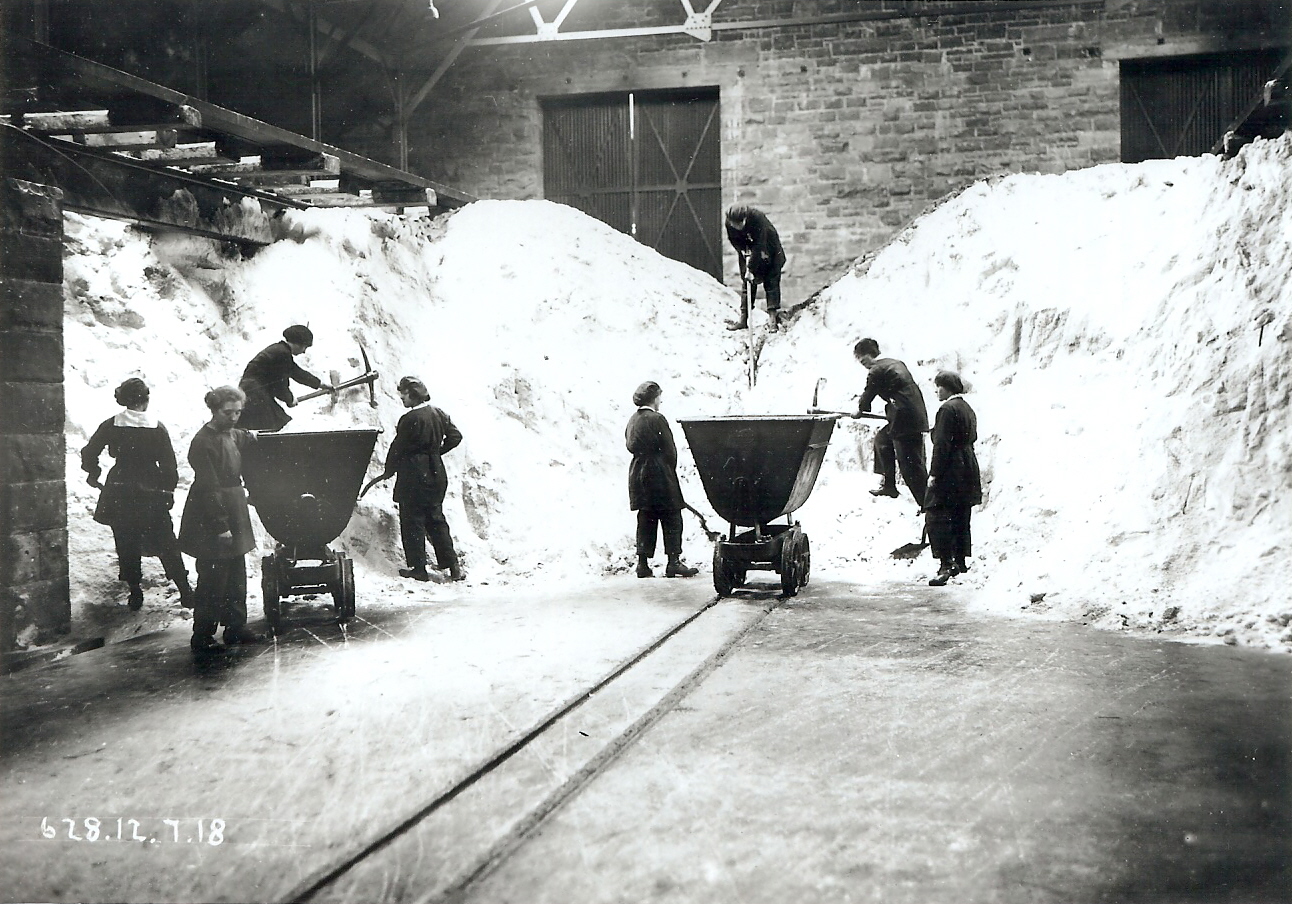
Female workers in the Nitric Acid retorts, the Nitric Acid Store at HM Factory Gretna.

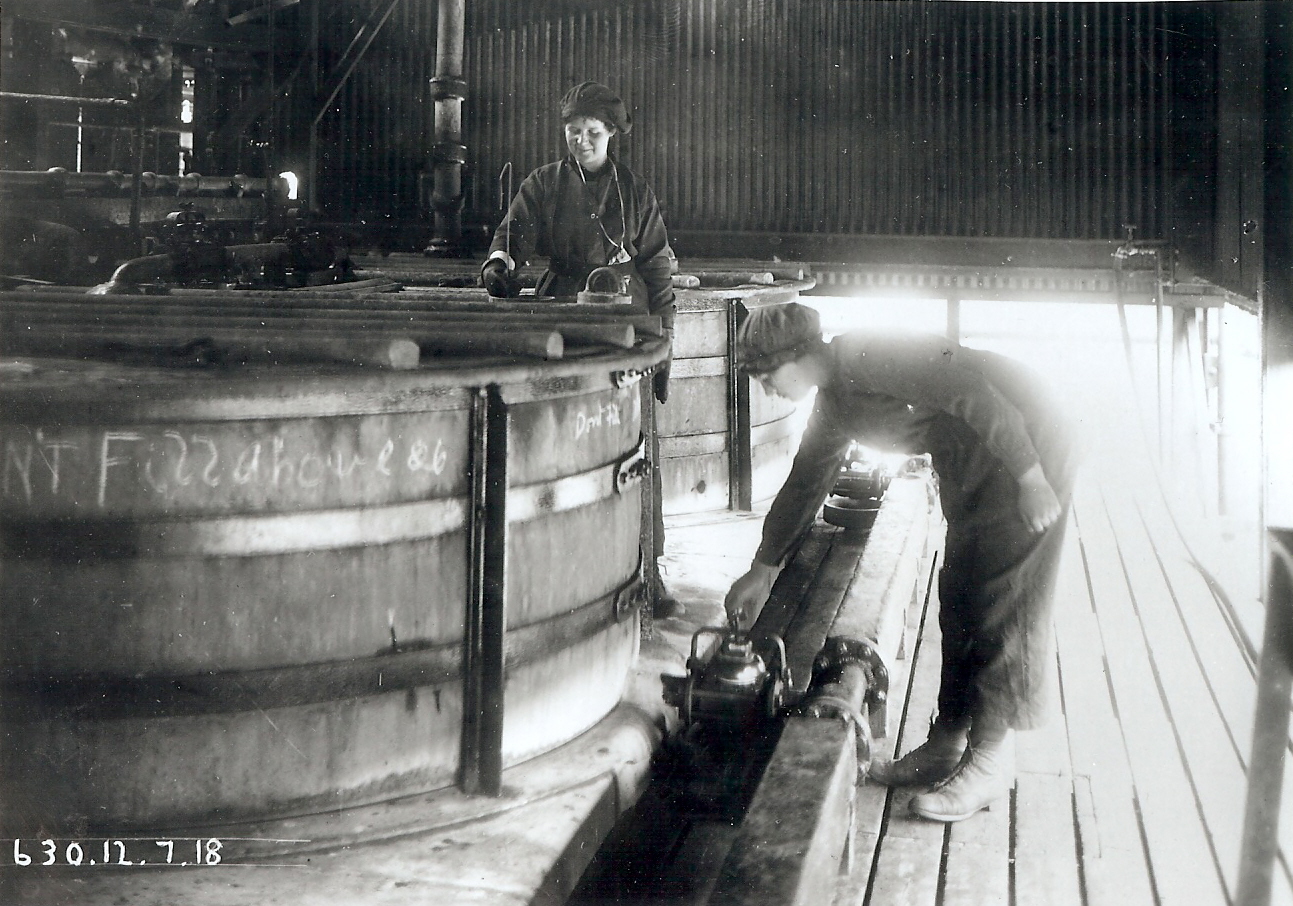
Acid mixing stations at HM Factory Gretna.

Female workers at HM Factory Gretna working in the Acid Mixing Stations – measuring off nitric acid.

We know of the following incidents involving accidents with acid:

In 1917, W G Martin, a charge hand had his “face, head and right arm hurt with acid due to exit valve of pump blowing out.”  Because his right eye was destroyed by the accident, he was offered £300 in compensation.

On 4th January, 1918, Jonathan Leah died.  He had been injured on September 20th 1917 when he was working on pipes in the Factory.  He struck a pipe with a hammer and acid sprayed onto his face.  His left eye had to be removed and he died as a result of this injury.

Arthur Gilliam was working on an acid tank when he was overcome by noxious fumes.  He died in hospital.

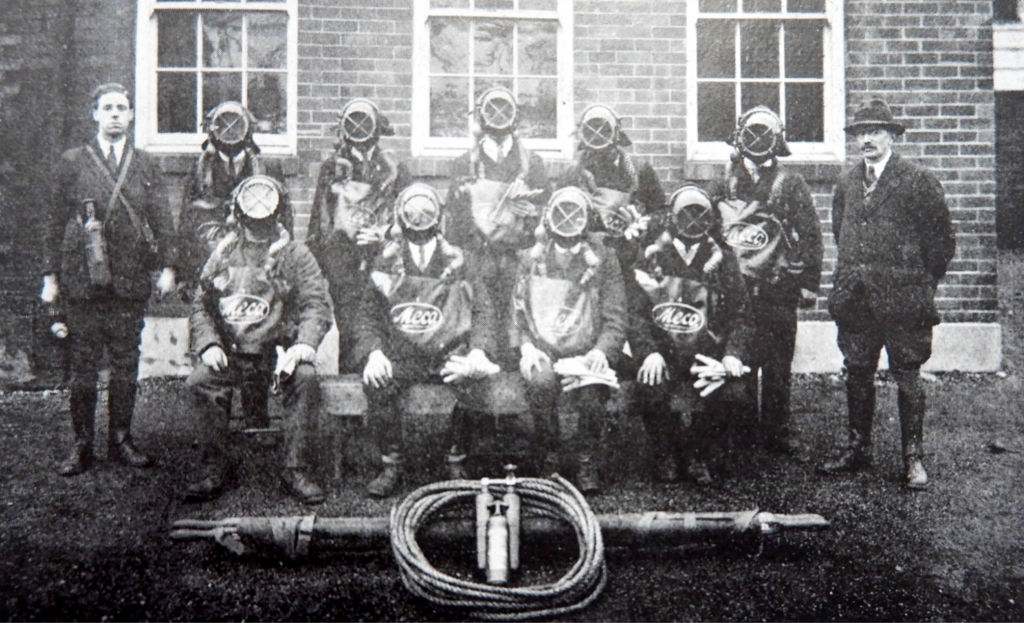
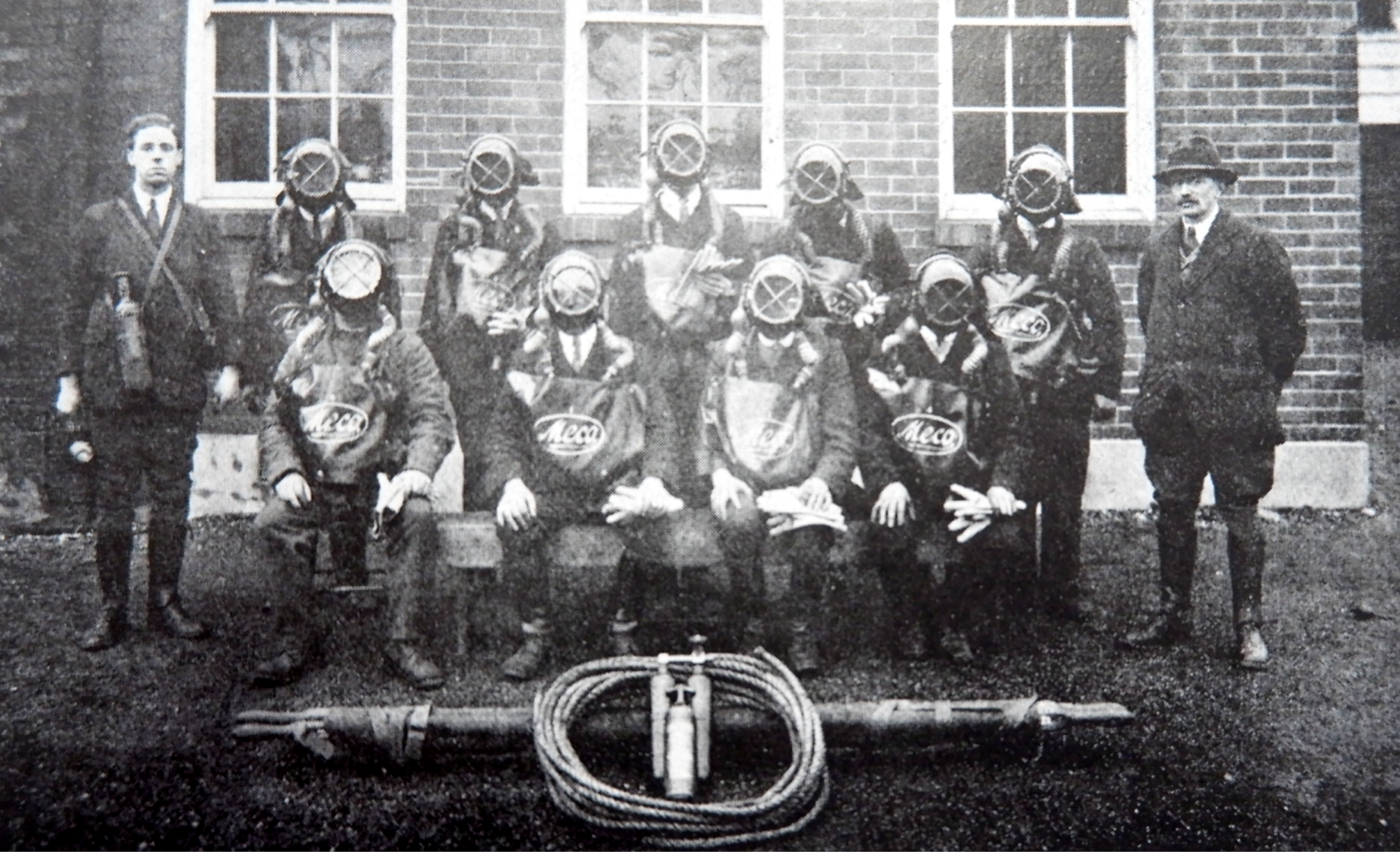
The photograph below shows the Volunteer Rescue Brigade for the Acid Section equipped with protective uniforms and a stretcher.  They would have been sent in had there been a major acid leak or incident, fortunately a large scale leak did not occur.

Acid recovery section hm factory gretna


New Object of the Month

Object of the Month for January

By Collections blog

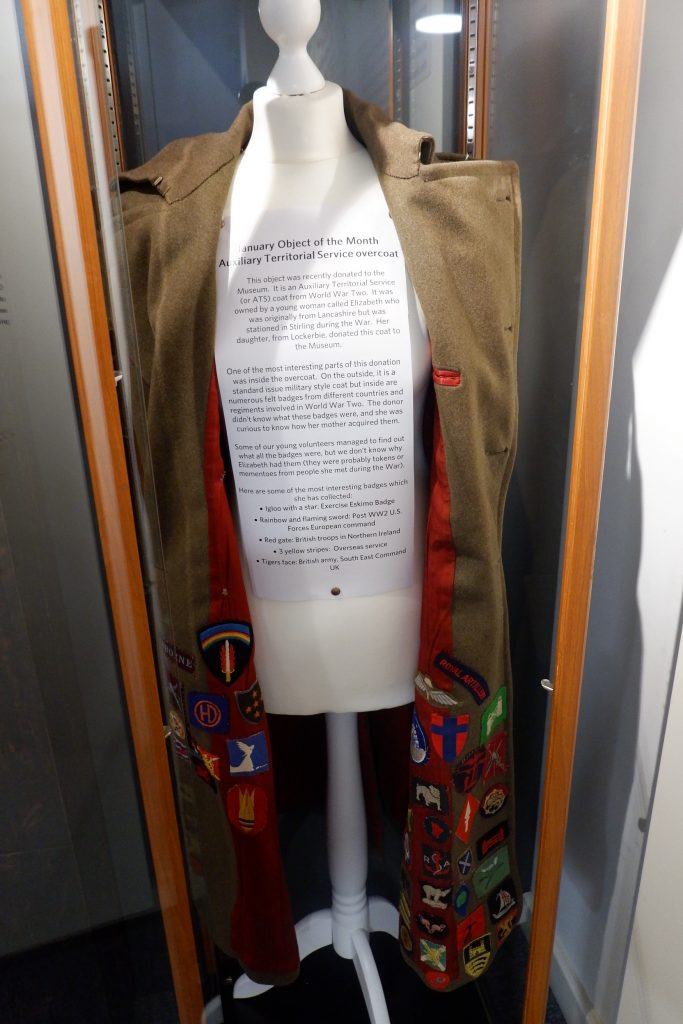
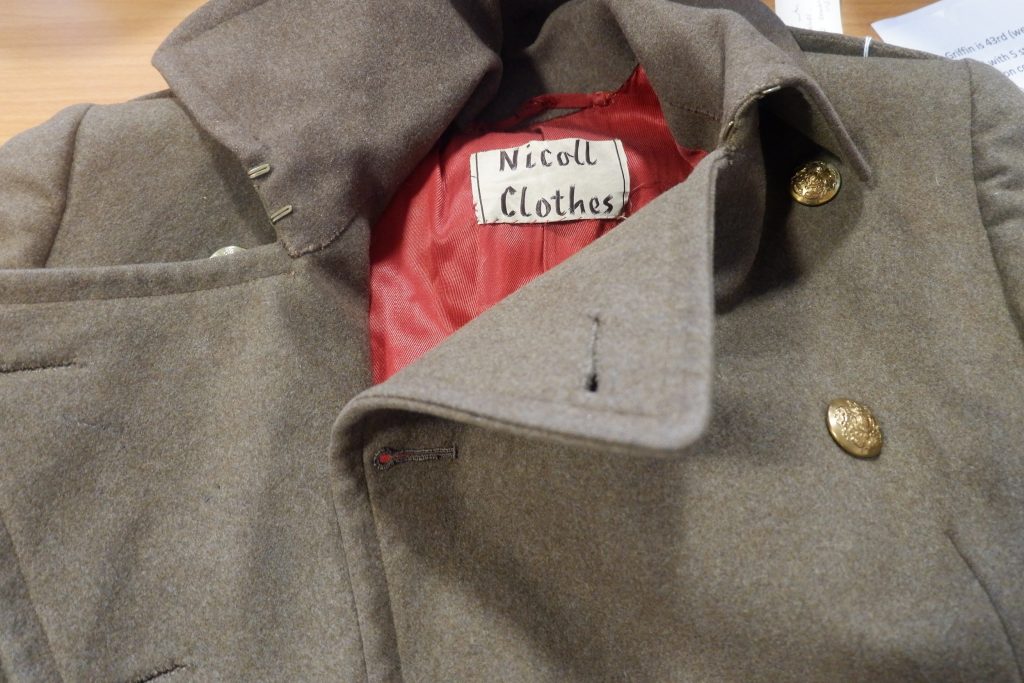
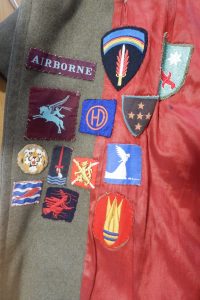
This object was recently donated to the Museum. It is an Auxiliary Territorial Service (or ATS) coat from World War Two. It was owned by a young woman called Elizabeth who was originally from Lancashire but was stationed in Stirling during the War. Her daughter, from Lockerbie, donated this coat to the Museum.

New Object of the Month

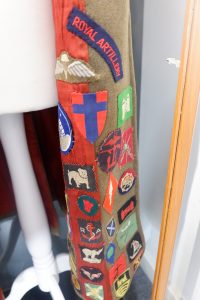
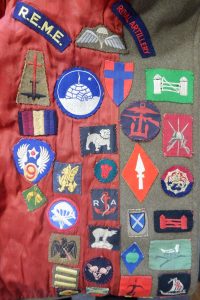
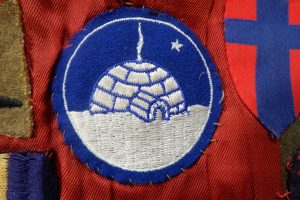
One of the most interesting parts of this donation was inside the overcoat. On the outside, it is a standard issue military style coat but inside are numerous felt badges from different countries and regiments involved in World War Two.  The donor didn’t know what these badges were, and she was curious to know how her mother acquired them.

New Object of the Month

Some of our young volunteers managed to find out what all the badges were, but we don’t know why Elizabeth had them (they were probably tokens or mementoes from people she met during the War).

New Object of the Month

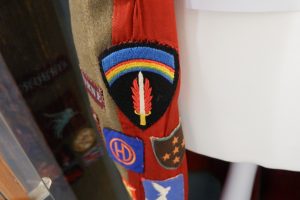
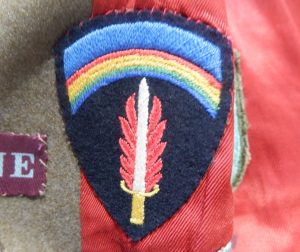
Here are some of the most interesting badges which she has collected:

Igloo with a star: Exercise Eskimo Badge

Rainbow and flaming sword: Post WW2 U.S. Forces European command

Red gate: British troops in Northern Ireland

3 yellow stripes: Overseas service

Tigers face: British army, South East Command UK

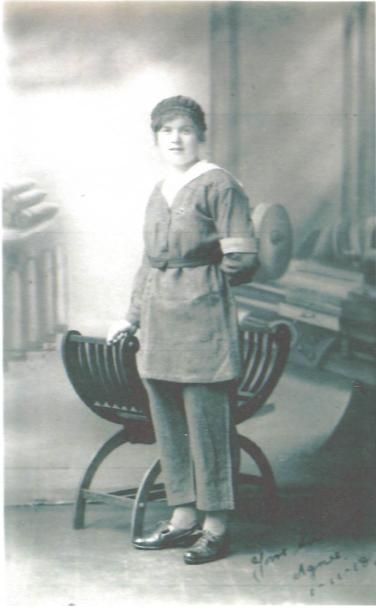
Agnes Helen Webster

Agnes Helen Webster – Gretna Girls

By Collections blog

Agnes Helen Webster was born on 2nd March 1899 at Burnfoot, Biel Estate, East Lothian. Her father was a gamekeeper on the estate. Agnes was one of a family of four girls and one boy.


Agnes attended school at Stenton where she had seven years perfect attendance. Her father the dies when she was 12 years old and her family would have to leave their cottage at Burnfoot.


Agnes would probably enter domestic serve until she went to Gretna. The working conditions would be in stark contrast to her rural upbringing and with running water on the floor to prevent sparks, and being exposed to highly toxic and dangerous chemicals, life at Gretna was quite harsh.


She returned to domestic service at the end of the war and in 1930 met and married Robert Bathgate Denholm from North Berwick. He was  a master cabinet maker and joiner and an accomplished amateur golfer who represented Scotland on numerous occasions. They had a family of four boys.


Agnes died in 1964 having suffered from cancer for many years.


Central laboratory staff H M Factory Gretna

James Carter Spensley

By Collections blog

Eastriggs (where The Devil’s Porridge Museum is based) is known as the Commonwealth Village.  The majority of its street names are derived from places in the Commonwealth (or Empire) such as Vancouver Road, Delhi Road, Singapore Road etc.  The township was built in World War One to house workers at HM Factory Gretna, the greatest munitions factory on earth at that time (the Museum tells the story of this factory and its 30,000 workers).  The workers came from around the world and they left their mark behind in their wartime contribution and in the place names of Eastriggs.  Here we feature one person from the Factory who worked here in World War One with Commonwealth connections.

James Carter Spensley

1886-1918

James was born in Gunnerside in North Yorkshire in 1886.  His family were Wesleyans and his father was the Headmaster of the school.  At some point in the 1890s, the family migrated to Knysna in South Africa.

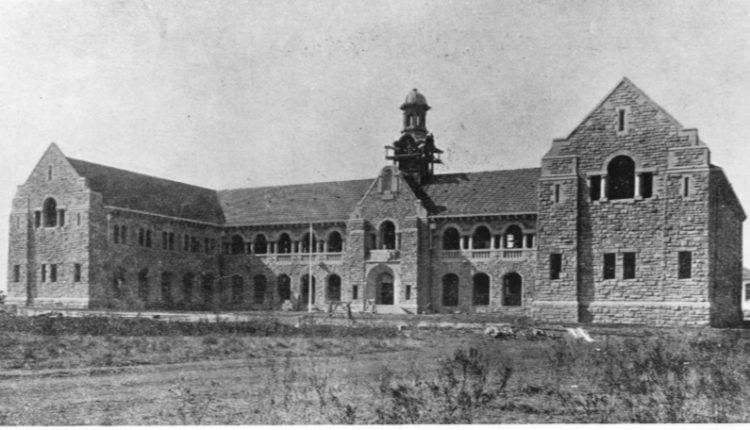
James studied chemistry at the Transvaal University in Pretoria (pictured below) and then became a lecturer there.

transvaal college

He was wounded, fighting against a Boer rebellion which occurred in South Africa at the start of World War One.

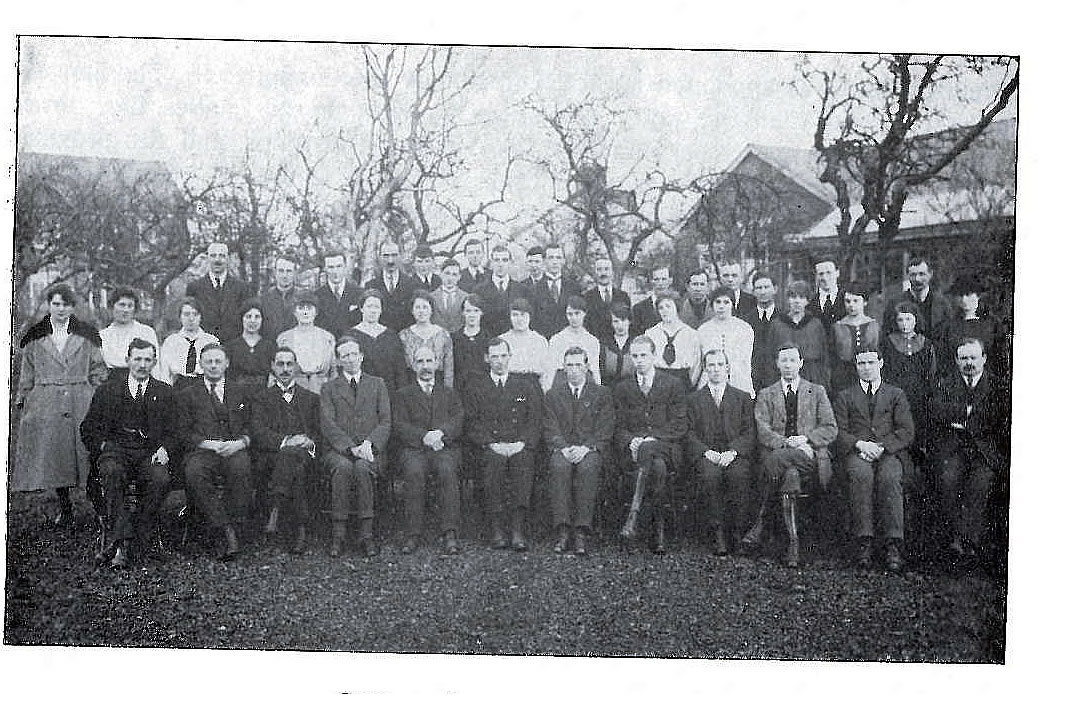
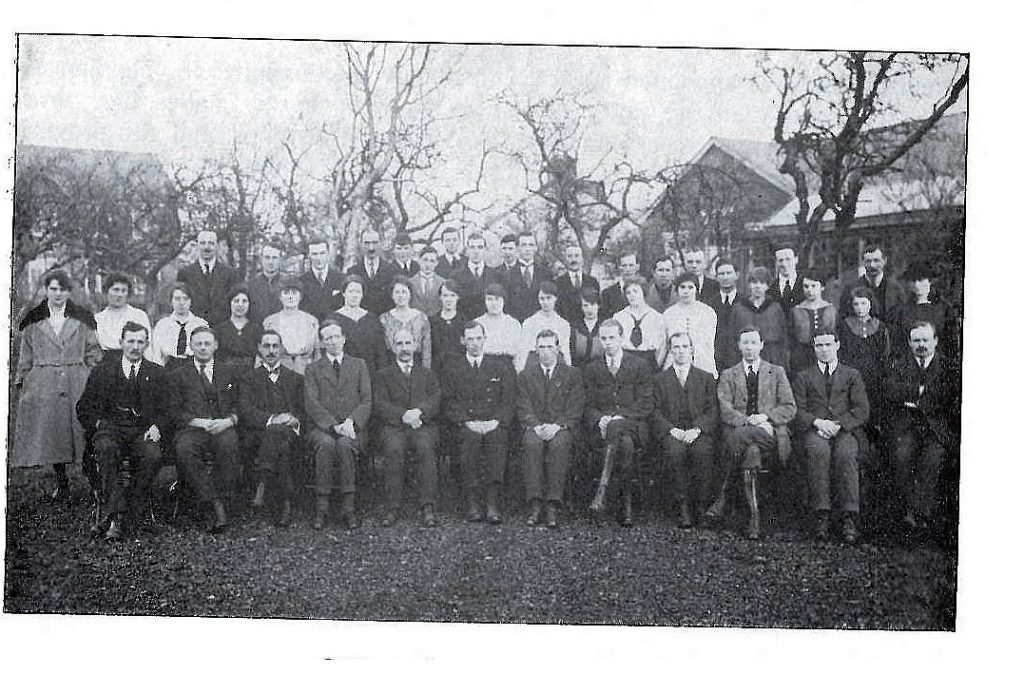
In May 1917, James came to HM Factory Gretna and worked as a  chemist in the Central Laboratory.  This photograph below shows the Central Laboratory staff at the end of the War.  James may be in this picture.

central laboratory staff hm factory gretna

The main focus of his work was on solvent recovery problems and he delivered a talk to the Factory’s Scientific Society  on the subject.

In Spring 1918, an ‘urgent call’ came for chemists to go and work at another Factory.  James went and was badly injured while there.  It is probable that this Factory was at Avonmouth, near Bristol, where mustard gas was made.  James may have been gassed during production (we know of another chemist from HM Factory Gretna to whom this happened).

“The potential dangers of the task did not deter Mr Spensley from undertaking it, and he rendered much valuable service before he succumbed to the dangerous nature of his work and lay at Death’s door for many weeks.”

The death of James Carter Spensley

James returned to Gretna towards the end of 1918.  He had a mild attack of influenza in late 1918.  Sadly, he died on December 16th due to the weakness of his heart following his brush with death at another munitions factory.

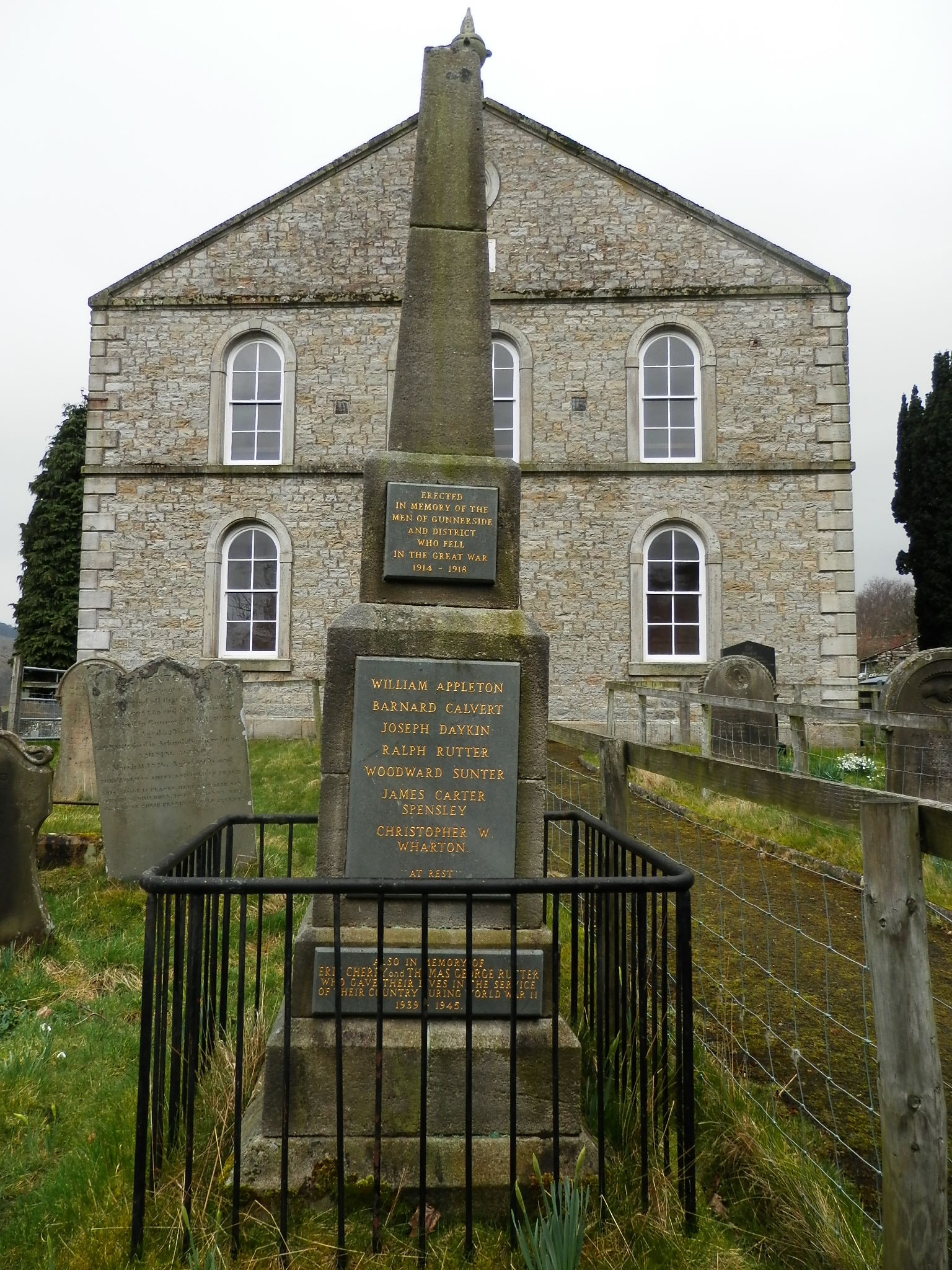
His body was buried in the village of Gunnserside, North Yorkshire where his family had lived in before they emigrated to South Africa.  He is listed on the war memorial in that parish.

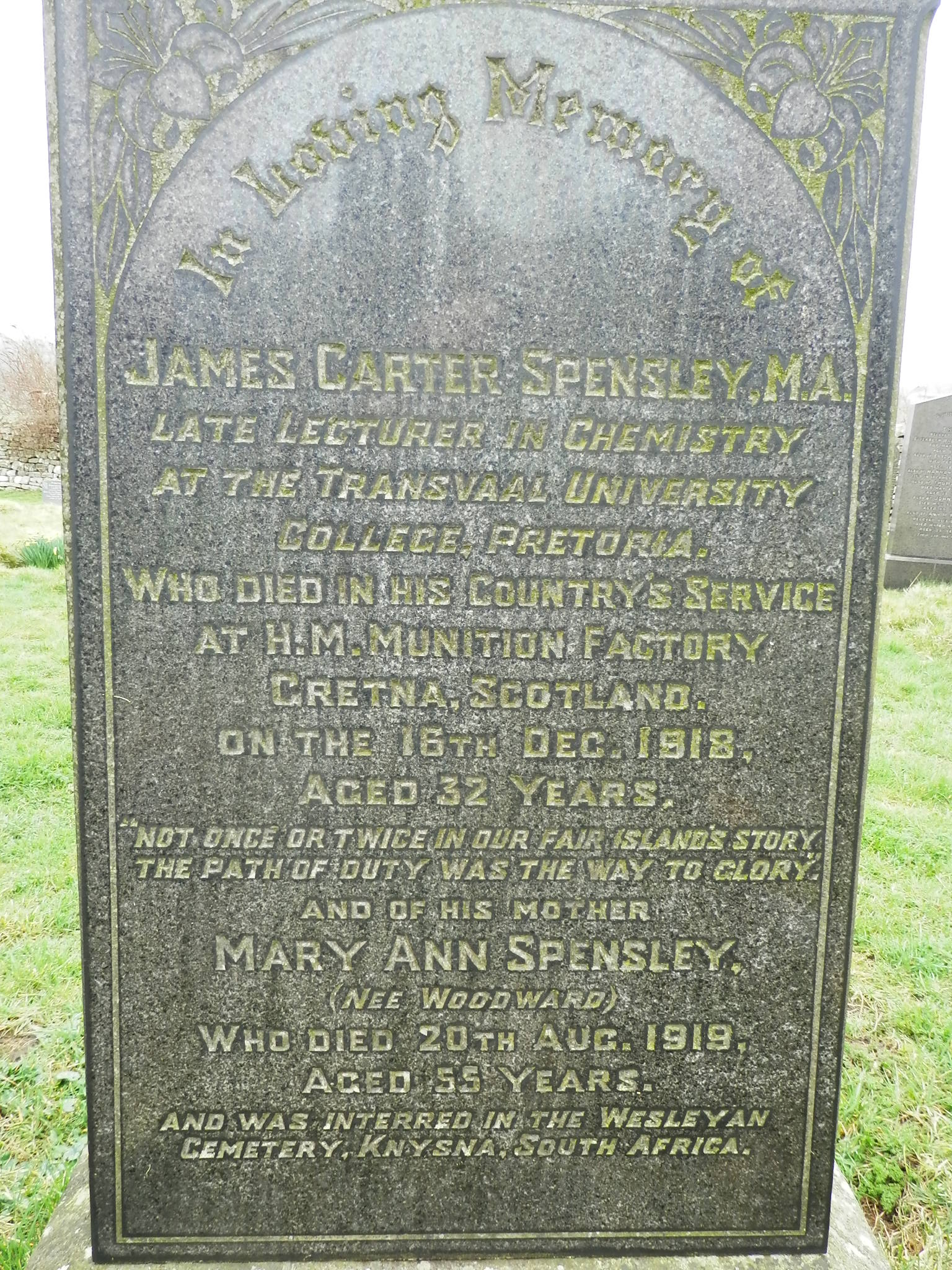
Photograph above shows his grave and below shows the village war memorial.

james carter spensley grave

gunnerside war memorial

He was clearly well liked and valued by his colleagues at HM Factory Gretna as these passages demonstrate:

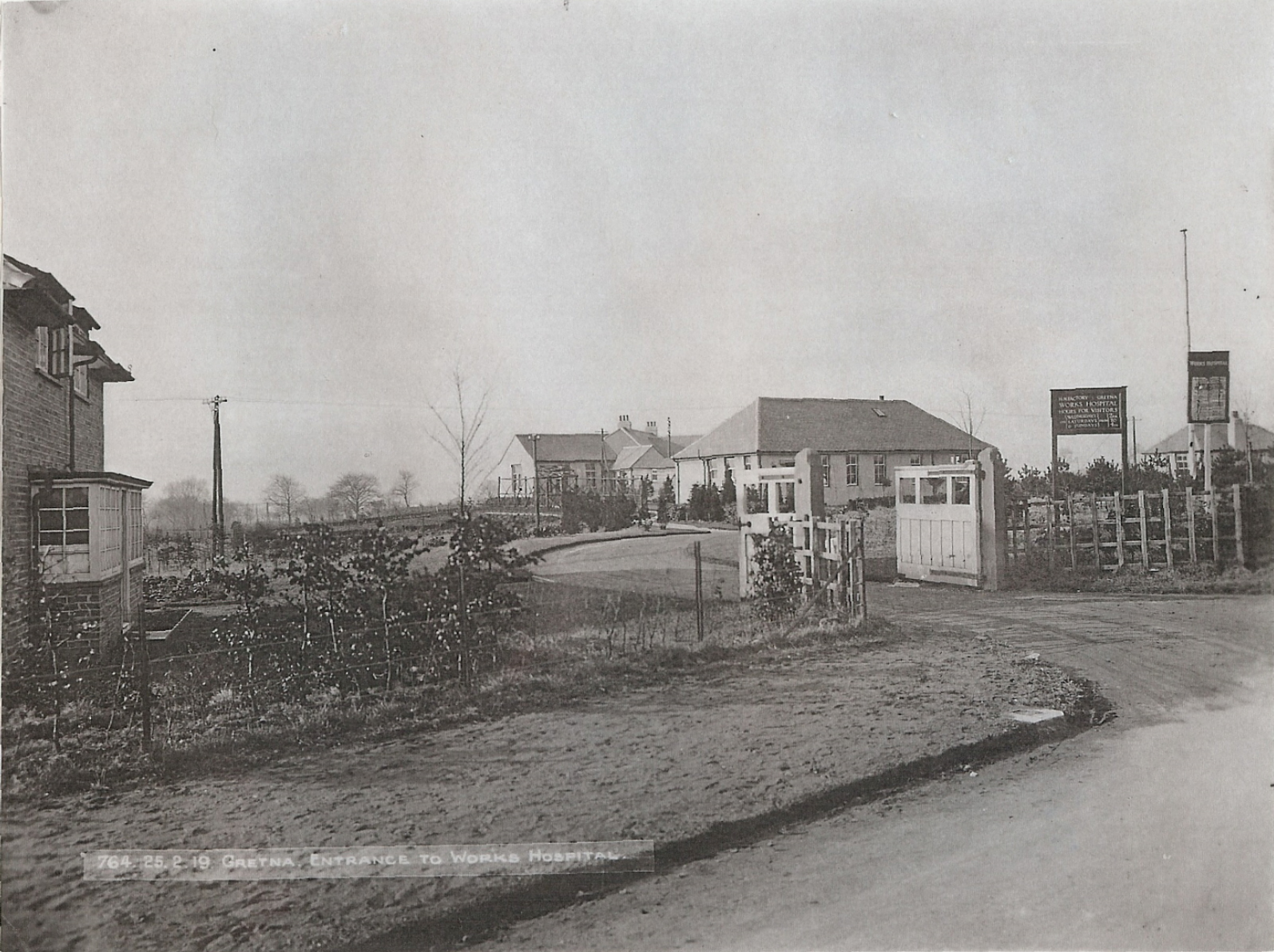
“Widespread sorrow was caused shortly before the Christmas holidays by the news that Mr Spensley had passed away at the Gretna Works Hospital. 

As a result of his attractive personality and cheerful good nature he made a great many friends among the Factory Staff, and all keenly regretted that his young life should have been cut short in this quite unexpected way.”

gretna works hospital

“His death was indeed a great loss to Gretna, and the sadness of the event is only relieved by our pride in his fine record of war service. 

Exerting himself unsparingly, and never shirking difficulty or danger, he served his country valiantly to the end.”

All quotes from Dornock Farewell magazine (in the Museum’s archive).

The following books (available from the Museum’s online shop) may be of interest to anyone wanting to know more about HM Factory Gretna and the people who worked there in World War One:

The Devil’s Porridge Museum Guidebook

Lives of Ten Gretna Girls booklet

Photograph of War Memorial taken from: https://www.warmemorialsonline.org.uk/memorial/217750/

Photograph of James Carters Spensley’s grave taken from: http://www.dalesgenealogy.com/Gunnerside/Gunnerside/index.html


WW2 Coat

WW2 Coat and Badges

By Collections blog

This coat was recently donated to the Museum and has a large number of badges on it from WW2. It was owned by a land girl during the Second World War and was very kindly donated to the Museum by her family. Many of our young volunteers have been researching all of the badges and trying to find out what each one of them was for.

WW2 Coat

This is a photo of two of our young volunteers Calum and Finn researching some of the badges on the coat.

Young volunteers with WW2 Coat

We have now found out what all but two of the badges were for. The coat is in very good condition as are most of the badges (some are slightly discoloured).

WW2 Badges

WW2 Badges

Here are some of the most interesting badges:

Rainbow and Flaming sword: Post WW2 U.S. forces European command

WW2 Badge

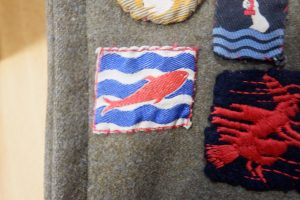
Red Fish: WW2 British Army 2 corps badge

WW2 Badge

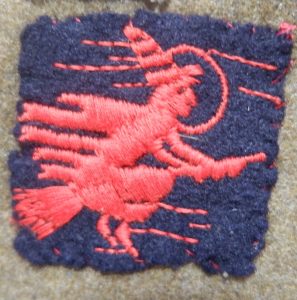
Red Witch: 2nd Anti-Aircraft division badge

WW2 Badge

Igloo with a star: Exercise Eskimo Badge

WW2 Badge

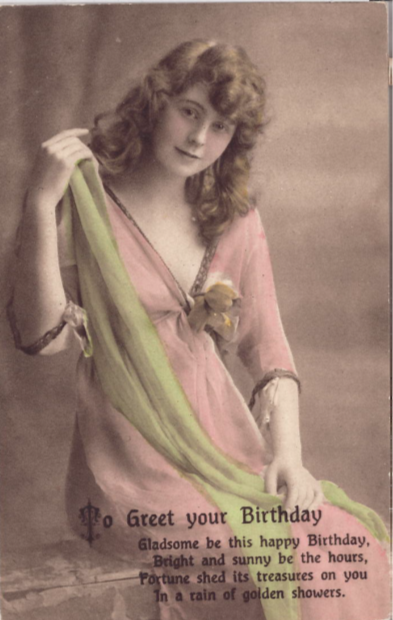
The front of a postcard with a photo of a lady and a Birthday poem.

Postcard sent during World War One

By Collections blog

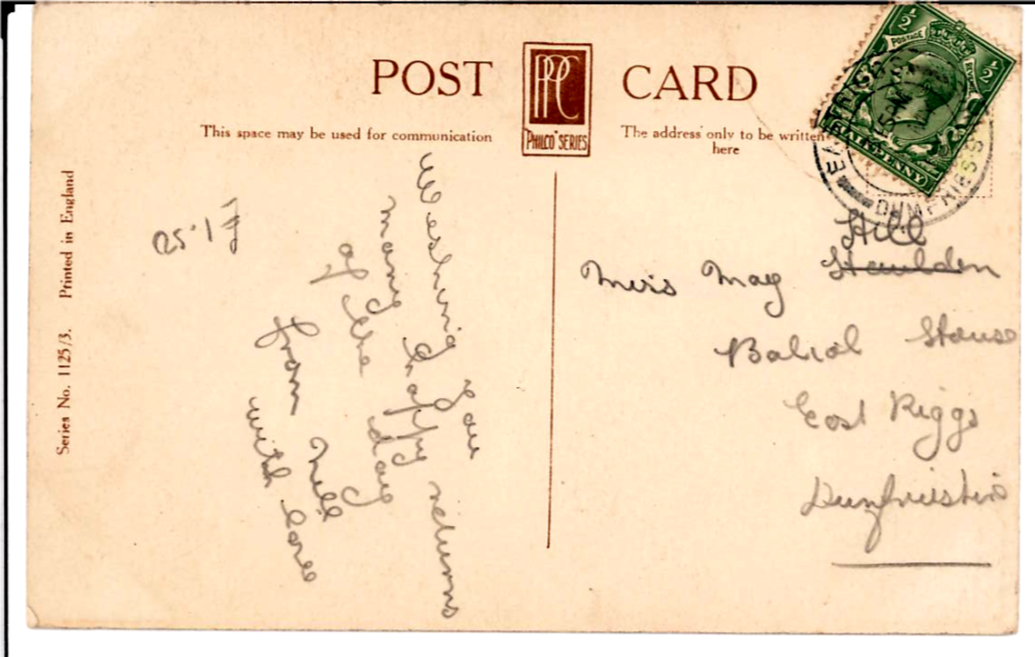
We are always on the look out for items that relate to HM Factory Gretna and its 30,000 workers (12,000 of them women) in World War One.  The Museum recently acquired this postcard which was sent with Birthday wishes to a worker staying at one of the hostels in Eastriggs during the War.

eastriggs gretna munitions girl postcard

As a complete list of all the munitions workers doesn’t exist just knowing the name of another girl and which hostel they stayed in is interesting.  This is also a sentimental card which shows that friendships and Birthday celebrations continued even during the dark days of War.

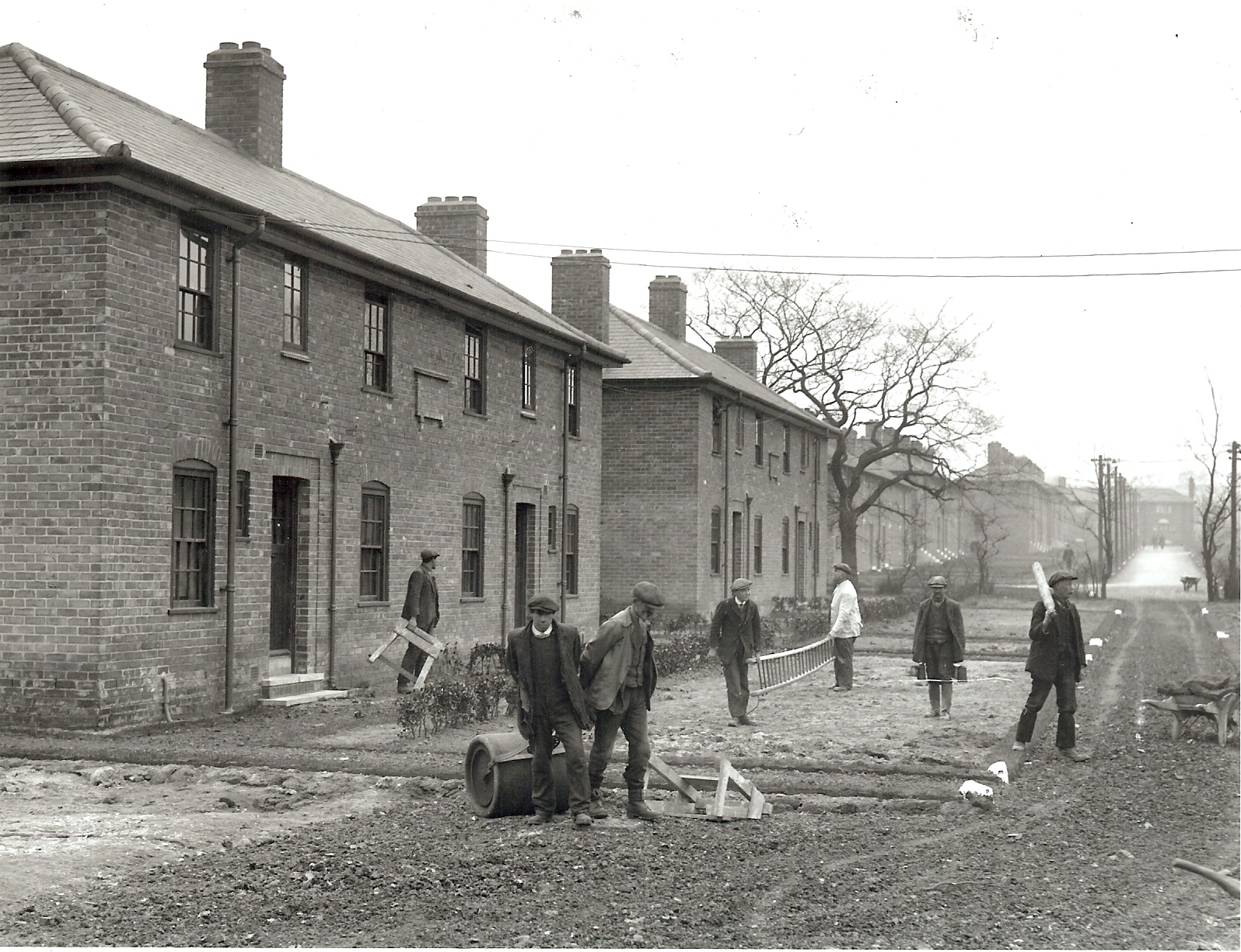
Brick hostels were built to house the workers in Eastriggs and Gretna.  Each one was superintended by a matron and they were named after famous people, many of them from Scotland’s history (such as Mary Queen of Scots, Robert Bruce and Walter Scott).  Balliol House (where the recipient of this postcard lived) was on Pretoria Road in Eastriggs.  John Balliol was King of Scotland.   The photograph below shows hostels being constructed in Gretna in World War One.

building hostels in gretna world war one

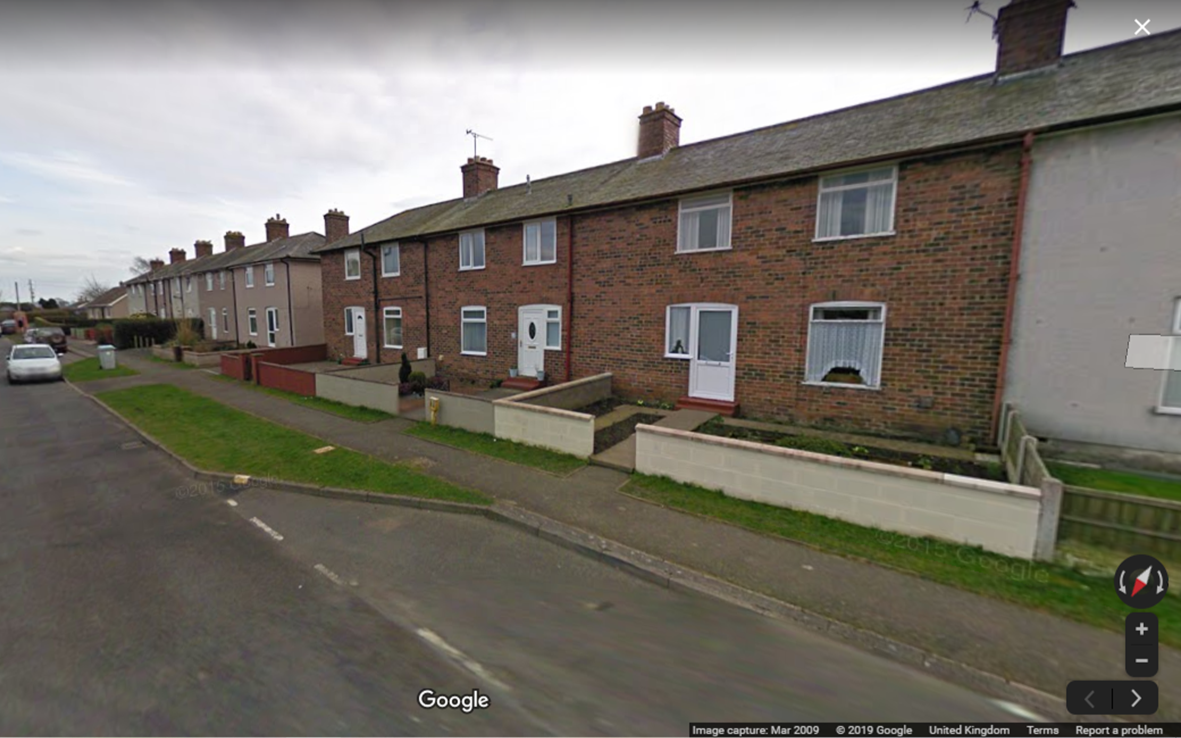
The street name is also interesting, street names in Eastriggs are primarily names of places from the Empire/Commowealth (such as Sydney Road, Auckland Walk, Delhi Place and Singapore Road).  This is a lasting legacy of World War One and demonstrates how people came from all over the world to work at HM Factory Gretna.  Many of their descendants visit us today from Australia and South Africa (for example) to share their family history.   The photograph below shows Pretoria Road today.  Balliol Hostel can be seen on the right.  At the end of the War, the hostels were converted into houses and many of these original World War One buildings are still standing and lived in today.
pretoria road

If you would like to know more about HM Factory Gretna and the townships of Eastriggs and Gretna in World War One, we have many interesting publications in our online shop:

https://www.devilsporridge.org.uk/shop-online


Salter Scale

Old Set of Scales From Storage

By Collections blog

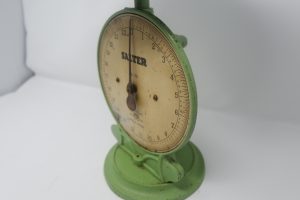
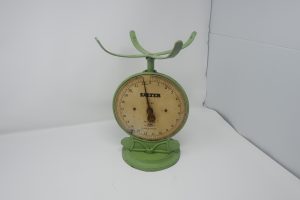
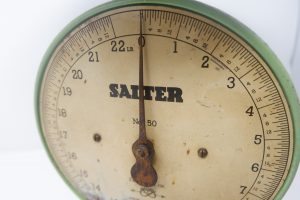
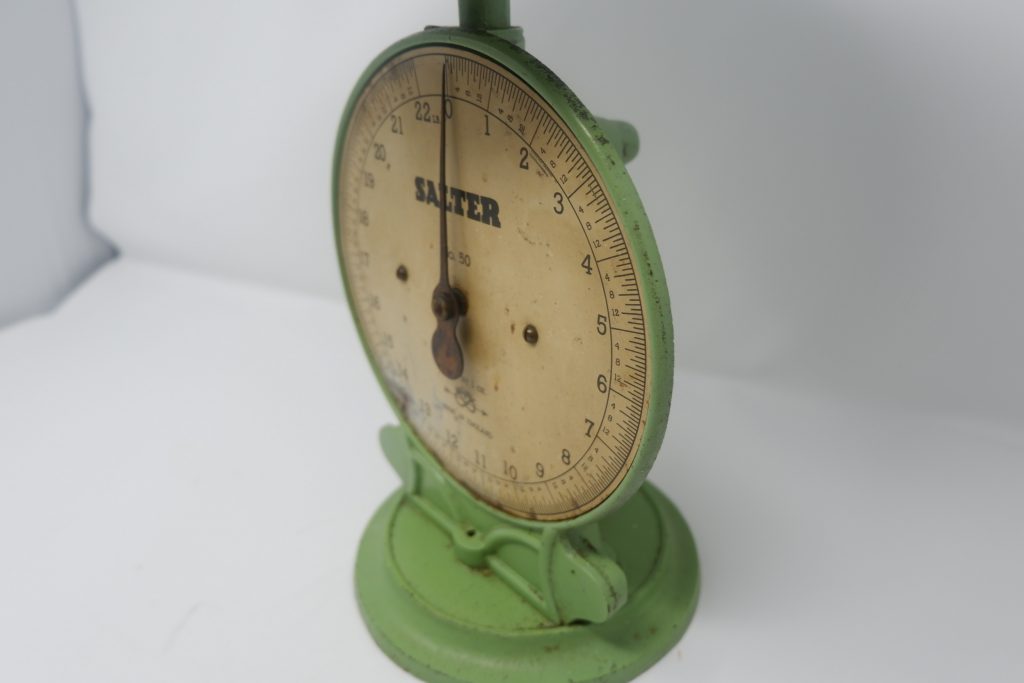
This item is a scale from around the 1940’s or 50’s and has been sitting in the Museums store for a while.

Salter Scale

It is a Salter No.50 scale which was made by Salter Housewares which was formed in 1760 in the village of Bilston, England. At this time Richard Salter, a spring maker, began making ‘pocket steelyards’, a scale like the fisherman’s scale of today.
Salter Scale

The business thrived throughout the 1900’s and by the 1950’s employed over 2000 people, still owned by the same family in the same area. Then in 1972 the company was purchased by Staveley Industries Plc and was split into separate subsidiaries, housewares, industrial etc. relocating as required.

Salter Scale

In the late 80’s and early 90’s Staveley was purchasing more businesses worldwide from a new ‘weighing group’ which became the Weigh-Tronix Corporation. The focus of the new corporation however was increasingly towards industrial or commercial weighing, so in February 2002, the management team at Salter Housewares Ltd, backed by Barclays Private Equity, bought the company out from the group, to concentrate on its consumer businesses.

Salter Scale

The company then grew rapidly over the next two years and was then acquired in March 2004 by US based HoMedics company, leaders in the “personal wellness” product category. In 2006, Salter Housewares USA and Taylor Precision Products Inc (also owned by HoMedics) merged together to combine sales, marketing and distribution efficiencies to be more reactive to their changing retailer environment.
Translate »
BOOK NOW