
All Posts By

The Devil’s Porridge Museum Podcast

By Archive

Welcome to the Devil’s Porridge Museum Podcast!

The Devil’s Porridge Museum Podcast has been created as part of an inter-generational oral history project. This project is now available for you to listen to online.

Through conversations and interviews, our volunteers and others from the local community will be sharing their personal stories and memories with the Devil’s Porridge Museum Podcast team.

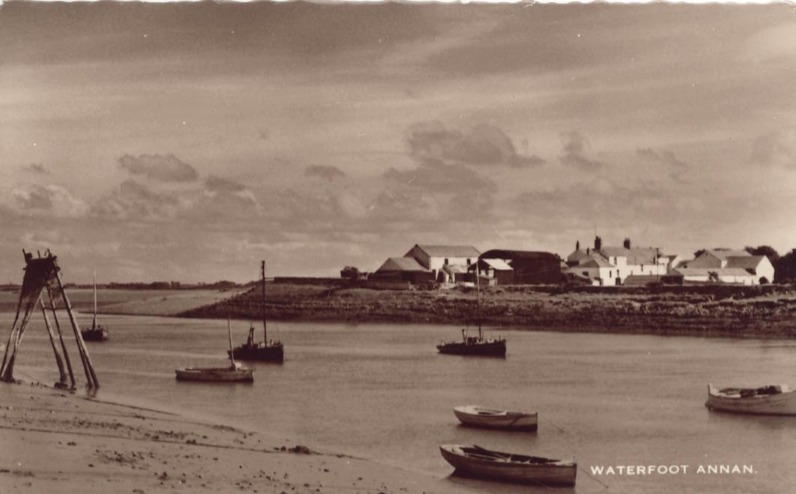
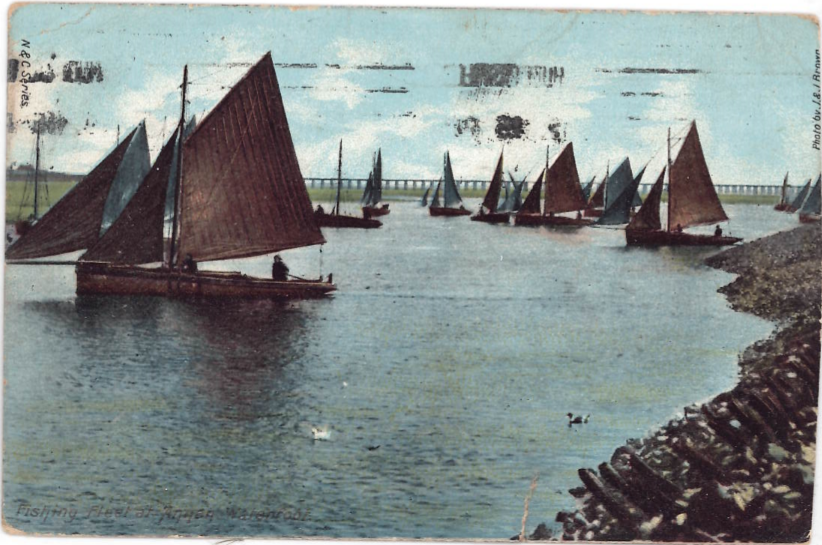
This podcast features museum volunteer Tony Tuner in conversation with our Access and Learning Officer Steve Bogle, discussing Haaf Net fishing on the Solway. More episodes will follow over the coming weeks, so please come back and listen to more instalment throughout the summer.

If you would like to get involved with the project to share your own stories and memories or if you would like to find out more about joining our production team please contact Steven@devilsporridge.org.uk

You can listen to the Podcast below:

More information on Haaf Net fishing can be found on the Annan Haaf Nets page of the Annan Online website:

https://www.annan.org.uk/haaf-netting/index.html
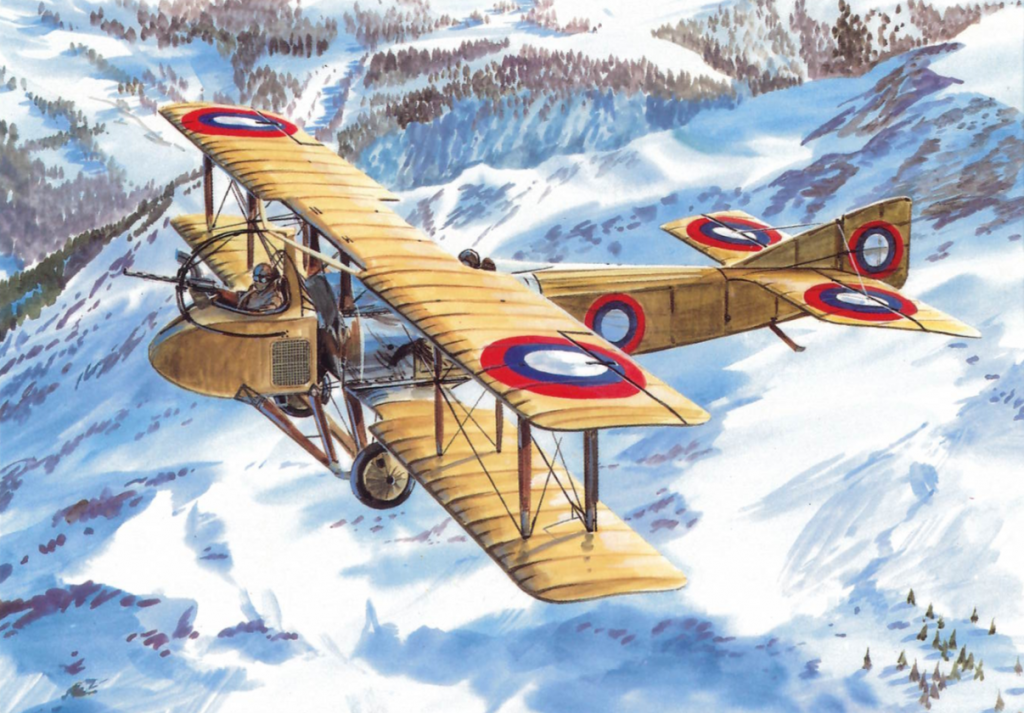
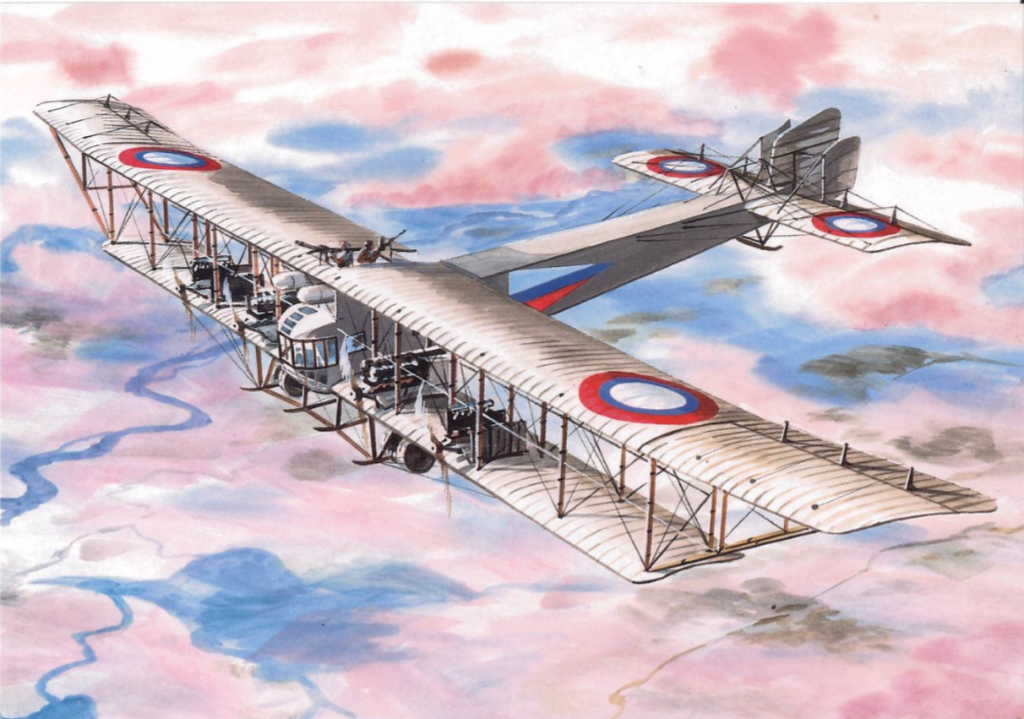
An illustration of a SPAD A2 plane.

WW1 Plane Postcards

By Collections blog

Sikorsky Ilya Mourometz

The worlds first 4-engined aeroplane, Russkii Baltiski was designed and flew in 1913. From this was developed the Ilya Mourometz flown early in 1914 and was capable of carrying 16 passengers to an altitude of 2000m, at a speed of 62mph and able to remain airborne for 5 hours. Ten examples were ordered for the Imperial Russian Air Service at the outbreak of war and, eventually 80 aircraft were built. The first operational sortie was made on 15th February 1915 over East Prussia and, up to the time of the Russian Revolution of 1917, some 400 bombing raids were made over German and Lithuanian territory for the loss in action of only one aircraft.


SPAD A2


Before the days of the introduction of interrupter mechanism for Allied fighter aeroplanes to enable a machine gun to be fired between the revolving blades of the propeller., British and French designers chose to develop aircraft with pusher engines armed with a machine gun which could be operated from the front cockpit by either the pilot or the gunner. An interim solution which used the more efficient tractor biplane was the complicated SPAD A2 with a pointed front nacelle placed directly ahead of the of the propeller containing a gunner and Lewis Gun. The pilot sat in a cramped cockpit behind the propeller. Designed by M. Bechereau of the Societe pour les Appareils Deperdussin  the aeroplane first flew on 21st May 1915 powered by an 80hp Le Rhone 9c. 96 SPAD A2’s were constructed; 42 for the French Aviation Militaire and 57 for the Imperial Russian Airforce, now engined with the 110hp Le Rhone 9j. The A2’s operational life with the French was brief as faster and lighter aircraft were now coming into service equipped with guns firing through the propeller. The Russian Air Force with a general shortage of equipment retained the SPAD A2 much longer and used it with limited success in most battle areas.


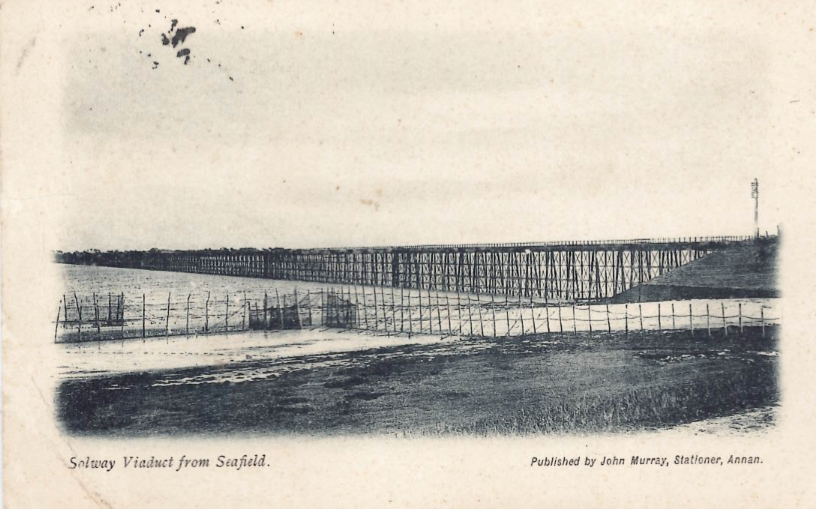
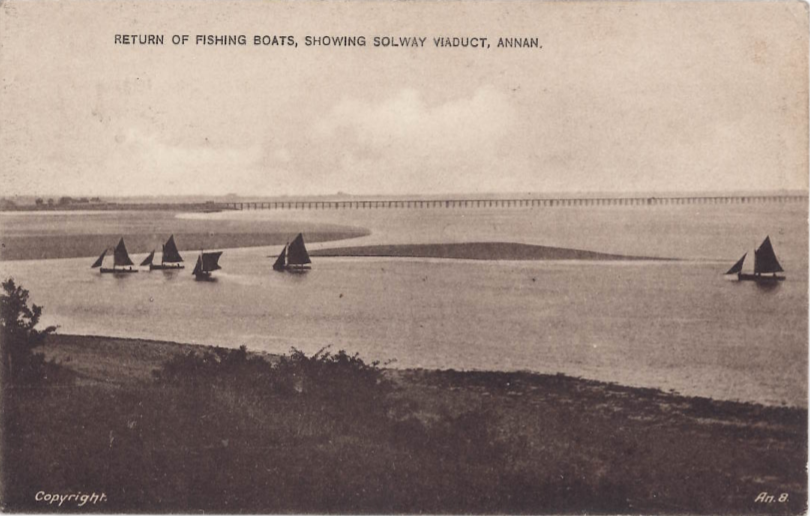
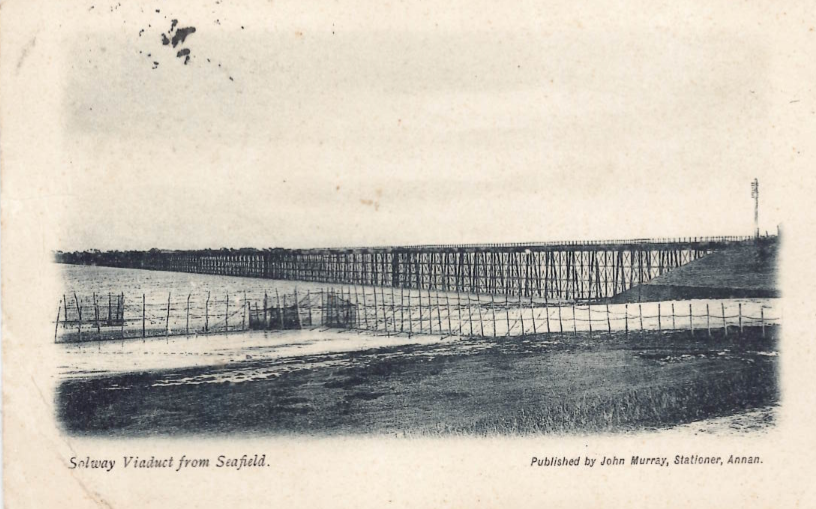
Postcard of the Solway Viaduct with a photo from the past.

Solway Viaduct Postcards

By Collections blog

Some old postcards in the Museums store inspired us to research the Solway Viaduct in more detail. The bridge and its railway line used to connect England and Scotland, it was also used in WW1 to supply HM Factory Gretna and its former site is located about 6 miles from The Devils Porridge Museum.


The Solway Junction Railway was built by an independent railway company to shorten the route from ironstone mines in Cumberland to ironworks in Lanarkshire and Ayrshire. It opened in 1869, and it involved a viaduct 1 mile 8 chains (1.8 km) long crossing the Solway Firth, as well as approach lines connecting existing railways on both sides.


Reconstruction of the viaduct began in the summer of 1882: in the rebuilt viaduct, the three inner columns in each pier were still cast-iron, but the two outer ‘rakers’ were each a single wrought-iron tube filled with concrete and provided with timber ice fenders.


In 1914 an assessment of the maintenance needs of the viaduct was carried out. The long metal structure exposed to a marine atmosphere had deteriorated and £15,500 would need to be expended in maintenance work. The work was suspended on the outbreak of World War I, which saw increased use of the viaduct for iron-ore and pig-iron traffic from West Cumbria to Scotland. It was announced that stations south of the viaduct were to be closed from 1 February 1917 but this decision was promptly rescinded. The creation of a large munition works at Eastriggs, to the east of Annan, gave the line additional traffic; including (in May 1917) the Royal Train, carrying King George and Queen Mary on a four-day tour of that and other munitions factories.


Any future use of the viaduct was impossibly expensive, and after a period of dormancy, in 1933 arrangements were made to demolish it. Arnott, Young and Company purchased the bridge and dismantled it; much of the material found a second use, and some of the metal was used by the Japanese forces in the Sino-Japanese War. During the work three men lost their lives when attempting extraction of one of the piles; the men were inexperienced in boat work and their boat was caught in strong currents and capsized. The dismantling of the viaduct was completed by November 1935, but sections of the pier foundations remained in the bed of the estuary. The section of railway between the south end of the viaduct and Kirkbride Junction was dismantled as part of the process.

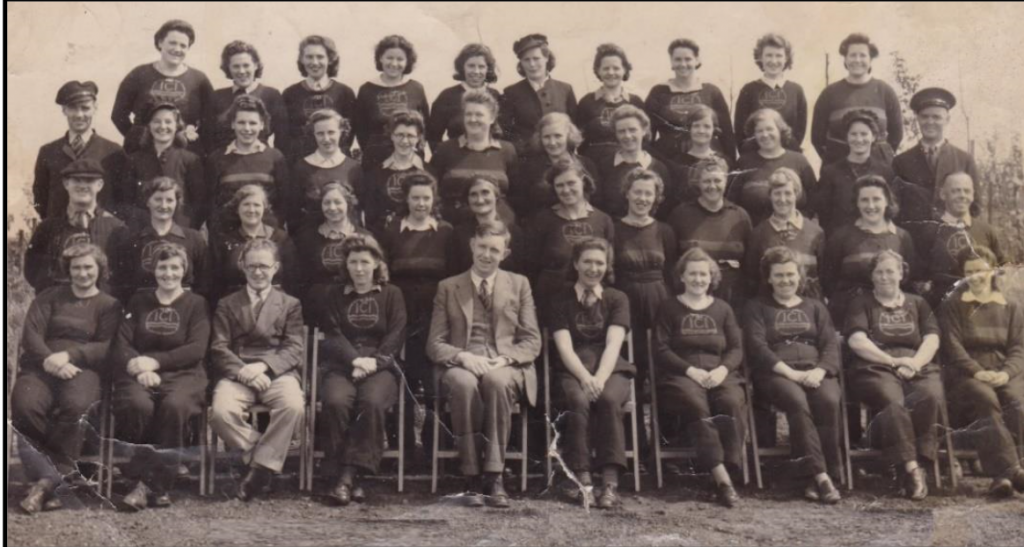
Group of Broom Lassies.

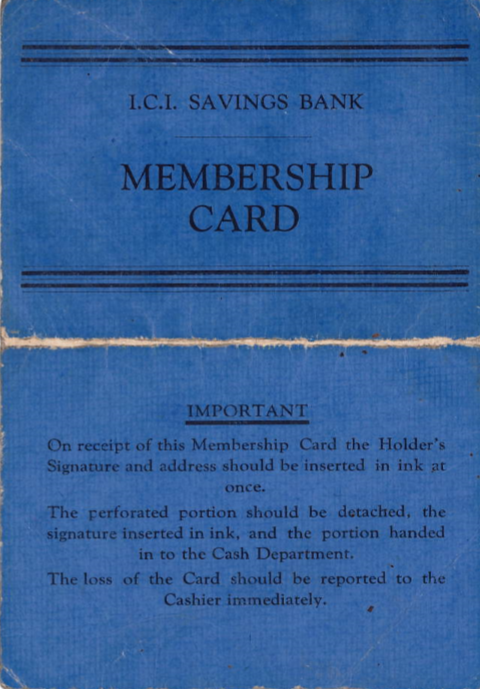
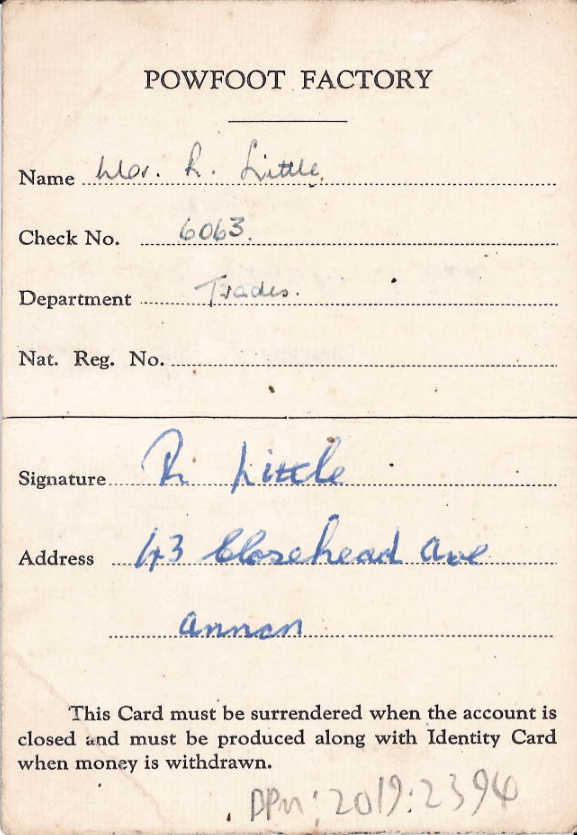
ICI Powfoot Membership Card

By Collections blog

This card was issued to a worker at ICI Powfoot which was built during the Second World War. The worker which the card was given to lived in Annan. The Museum has a display within it all about ICI Powfoot and the Broom Lassies who worked there during the Second World War.


This is the front of the Membership Card which was given to all of the workers at ICI Powfoot.

In 1940 the government were looking for somewhere to build a munitions factory, they once again looked towards the Solway as an area to build their factory due to the easy access to water and good railway access to transport munitions to other parts of the country. The Ministry of Supply was responsible for ensuring there were ample supplies of  explosive  propellants  for  filling  guns,  shells  and  rifle  cartridges  at  Royal Ordnance Factories across Britain. Thus, the Ministry worked closely with the experts   of   the   privately-owned   Imperial   Chemical   Industries (ICI)   to manufacture the required propellants and high explosives.


This shows the inside of the Membership Card and the details of the worker who owned it.

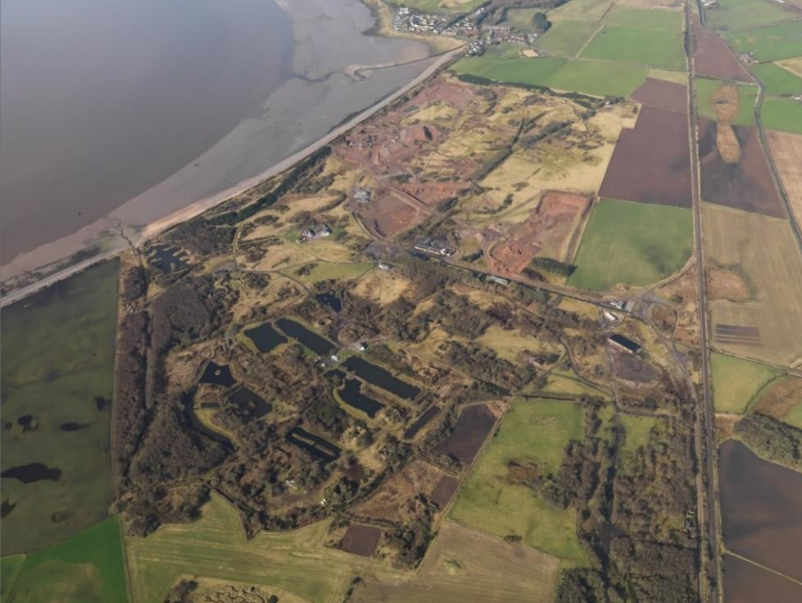
In  early  1940,  the  Broom  Farmhouse  and  outbuildings  near  the  Victorian fishing  village  of  Powfoot,  was  requisitioned  by  the Ministry  of  Supply  to  be used as the site for ICI Powfoot. Construction began in Spring 1940, with Edinburgh based firm A.M. Carmichael contracted to build the factory, drafting in over 600 tradesmen from both sides of the Border to ensure the site was operational by Spring 1941.


This is a photo of ICI Powfoot from above and what it looks like today.

At its peak the factory employed over 4000 people, most of which were female. The female workers at ICI Powfoot became known as the Broom Lassies as the factory was built on Broom Farm. almost  90%  of  single women and 80% of married women were employed in essential work for the war effort. Many women in the Annan area were forced to leave their jobs in other  industries  and  were  conscripted  to  work  in  local  munitions  factories, predominately ICI Powfoot.


The following books/booklets on this subject are available from the Museum’s online shop:

The Solway Military Coast book


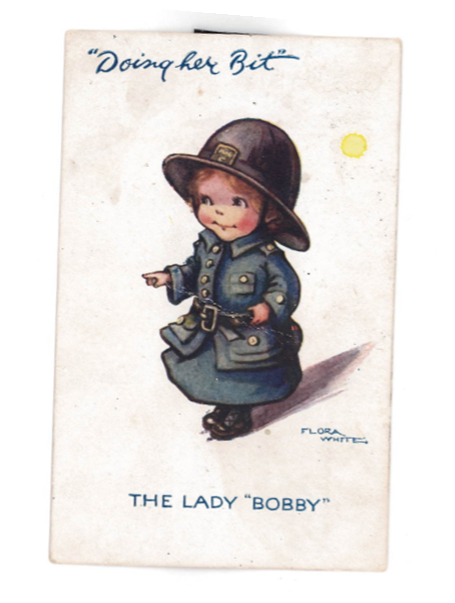
Illustration of a child dressed as a police women on a postcard.

Women’s Police Service at HM Factory Gretna

By Collections blog

Over the next couple of weeks, we’re going to be focusing on one interesting aspect of HM Factory Gretna – the Women’s Police Service.

This first post provides introductory information, then we’re going to take a look in more detail at some of the documents and accounts in the Museum collection.

During World War One, 12,000 women worked at HM Factory Gretna.  They were mainly young, unmarried women and the Ministry of Munitions felt responsible for them, taking several actions which they saw as being for the girl’s own protection. We might now view curfews, searches and the largest women’s police service in Britain as restrictive, but at the time there was a War on and the measures were seen as necessary.

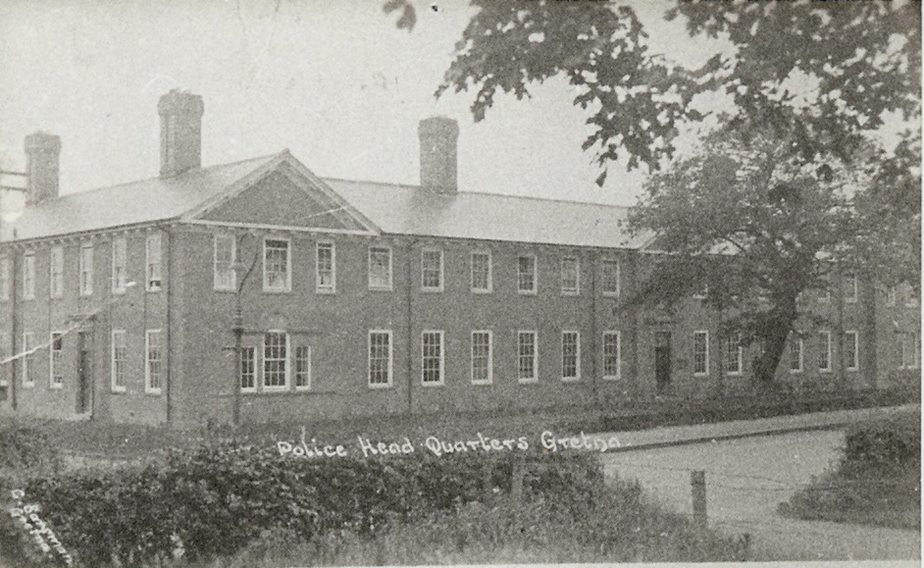
All work at HM Factory Gretna came under the Official Secrets Act. There was large police presence, this building in Gretna was once the police HQ, it still stands and is now converted into flats.

The Devil’s Porridge Museum has several items in its collection and archive which relate to the Women’s Police Service.  There were over 150 members of this unit and they were, on the whole older, better educated middle class women who policed the younger, less educated, working class women who made up the majority of the Factory employees.  These young women were known as the ‘Gretna Girls’ although they came from all over Britain and worked in a Factory which stretched as far as Longtown.  For example, we know one female police officer was born in Braithwaite, Cumbria.

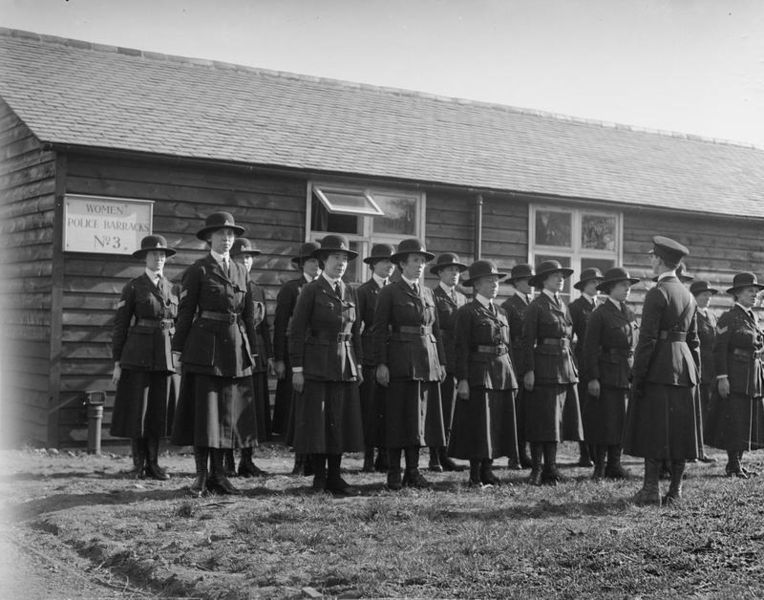
Members of the WPS outside the Women’s Police Barracks, Gretna in World War One.

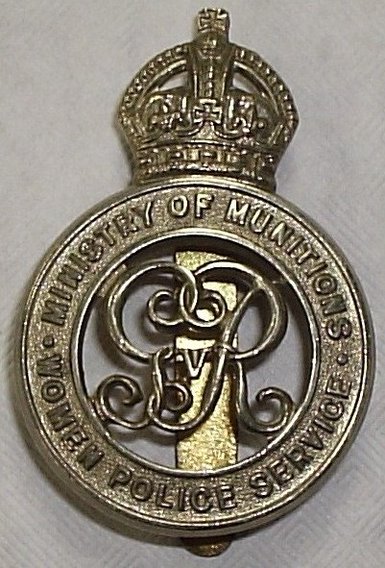
The Museum archive includes documents about the training of the female police force and their uniforms, photographs of them and the buildings associated with them (one of which, the Police HQ in Gretna, still stands and is now flats).  An interesting document is a petition to Winston Churchill for improved pay.  This dates from 1918 when Churchill was Minister of Munitions and includes the signatures of lots of women employed in this role.  We are also fortunate to have a women’s police truncheon and WPS badge on display in the Museum.

Ministry of Munitions WPS badge from the Museum collection.

What did the women police do?  We know they inspected the girls as they entered and exited the Factory (for example one young woman tried to sneak in her knitting, another some cigarettes, one tried to steal some cordite).  They also policed the morals of the girls (breaking up a kissing couple on the railway platform, maintaining the 10pm curfew and inspecting the back rows of the two factory cinemas).  At the end of the War, some women remained in police service while others returned to their families or other employment.

That’s the end of Part One, Part Two coming soon.

If you’d like to know more about HM Factory Gretna and women in World War One, the following items from our online shop might interest you:

Gretna’s Secret War

Lives of Ten Gretna Girls booklet

https://www.devilsporridge.org.uk/product/munition-workers-poems

The Devil’s Porridge Museum Guidebook

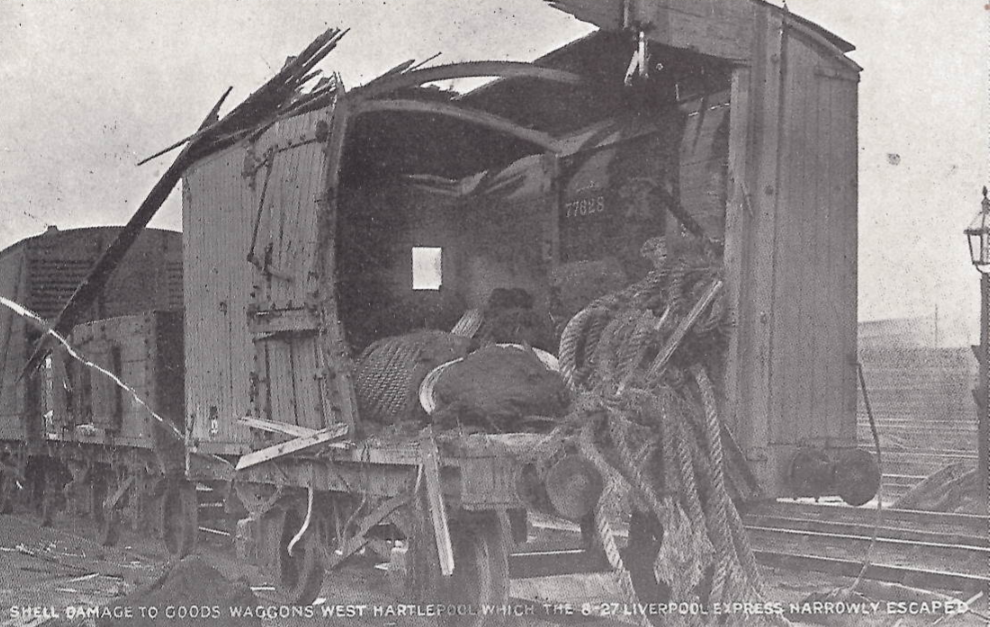
Shell damage to a goods waggon at West Hartlepool.

WW1 Railway Wagon Postcard

By Collections blog

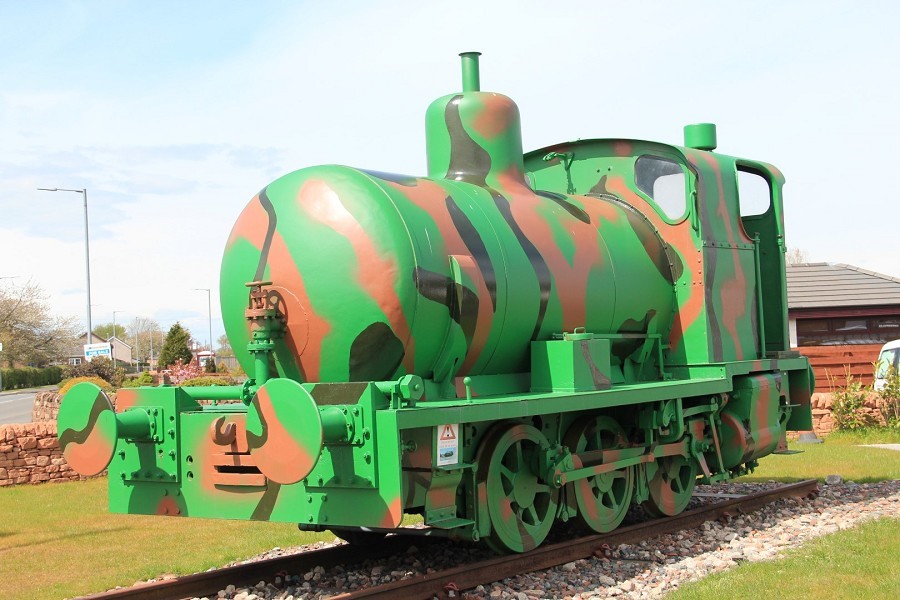
This postcard (from the Museum’s collection) shows an explosion within a railway wagon during World War One.  Transporting munitions by rail was dangerous and at HM Factory Gretna (the factory which is the main focus of The Devil’s Porridge Museum) they took several precautions when transporting cordite including the use of fireless locomotives such as Sir James (now outside the Museum).


Although the railway stations were crowded at this time and both the West Hartlepool passenger station and goods station yard were hit, only rolling stock was damaged with no loss of life.


A fireless locomotive is a type of locomotive which uses reciprocating engines powered from a reservoir of compressed air or steam, which I filled at intervals from an external source. Typical usage was in industrial switching where a traditional locomotive was too noxious or risky, such as in a mine or a food or chemical factory (such as HM Factory Gretna). They were used at HM Factory Gretna as they were less likely to cause an explosion, this means that it was easier to transport the munitions across the Factory site without the risk of a huge chain explosion.


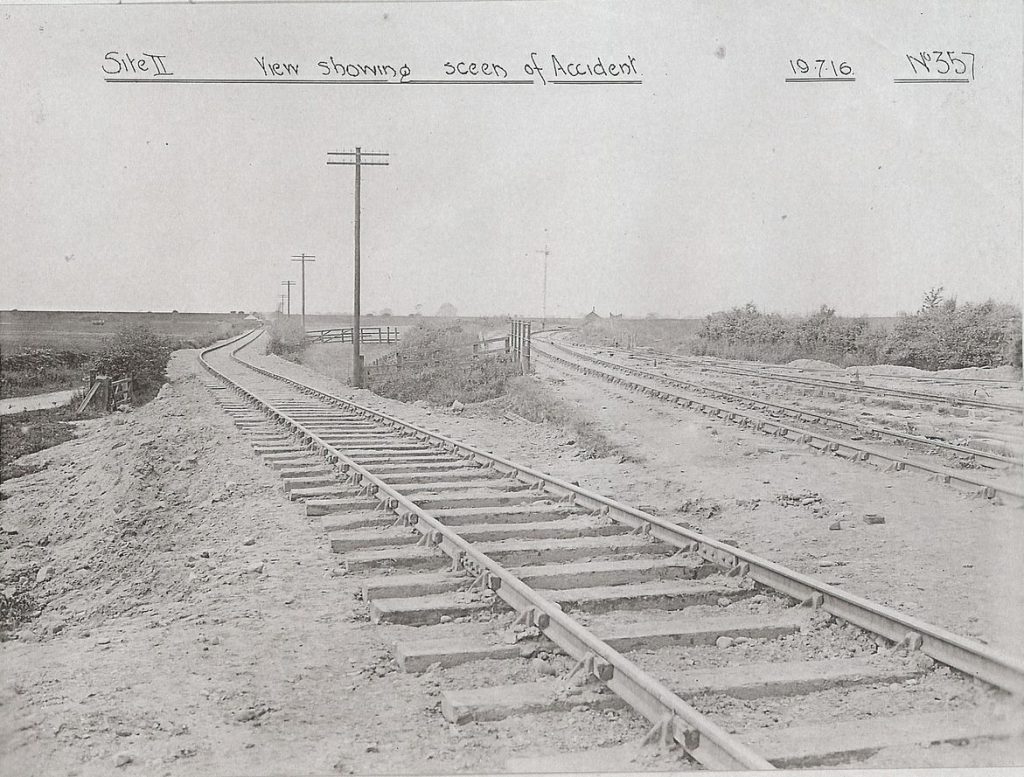
This photo is also from the Museum’s collection and shows HM Factory Gretna during its construction.  It has the title “Site 2 showing the scene of the accident” and is dated July 19th 1916.  It seems there may have been a railway accident at the Factory as well.


If you would like to know more about railways at HM Factory Gretna, you might find the following booklet of interest: https://www.devilsporridge.org.uk/product/hm-factory-gretnas-unique-railway-system-booklet

The Devil's Porridge Museum's podcast logo with a cartoon munition worker and soldier.

New Online Podcast

By Archive

Welcome to the Devil’s Porridge Museum Podcast!


Over the last few weeks museum staff and volunteers have been working on an inter-generational  oral history project. This project is now available for you to enjoy in the form of the Devil’s Porridge Museum Podcast.


Through conversations and interviews, our volunteers and others from the local community will be sharing their personal stories and memories with the Devil’s Porridge Museum Podcast team.


The first podcast features museum Chairman Richard Brodie, discussing the origins of the museum with some young visitors. More episodes will follow over the coming weeks, so please come back and listen to more instalment throughout the summer.


If you would like to get involved with the project to share your own stories and memories or if you would like to find out more about joining our production team please contact Steven@devilsporridge.org.uk


You can listen to the Podcast below:

If you would like to know more about the Museum, its collection and history, you might be interested in our Museum guidebook (just £2.50 from our online shop):

The Devil’s Porridge Museum Guidebook


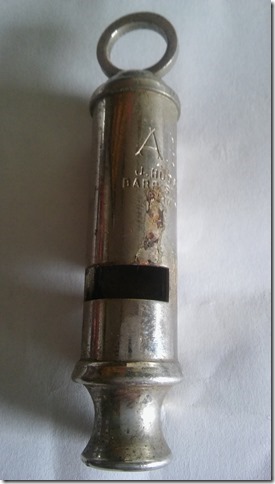
An ARP whistle.

Donation of ARP whistle

By Collections blog

A recent object donation led to the uncovering of a lot of interesting information…

An Air Raid Precaution (or ARP) whistle from World War Two was recently donated to Museum.  It was found in 1964 by the donor, an avid trainspotter, when he was just 14 years old.  He found it at the bottom of a railway wagon (in a pile of old grease).

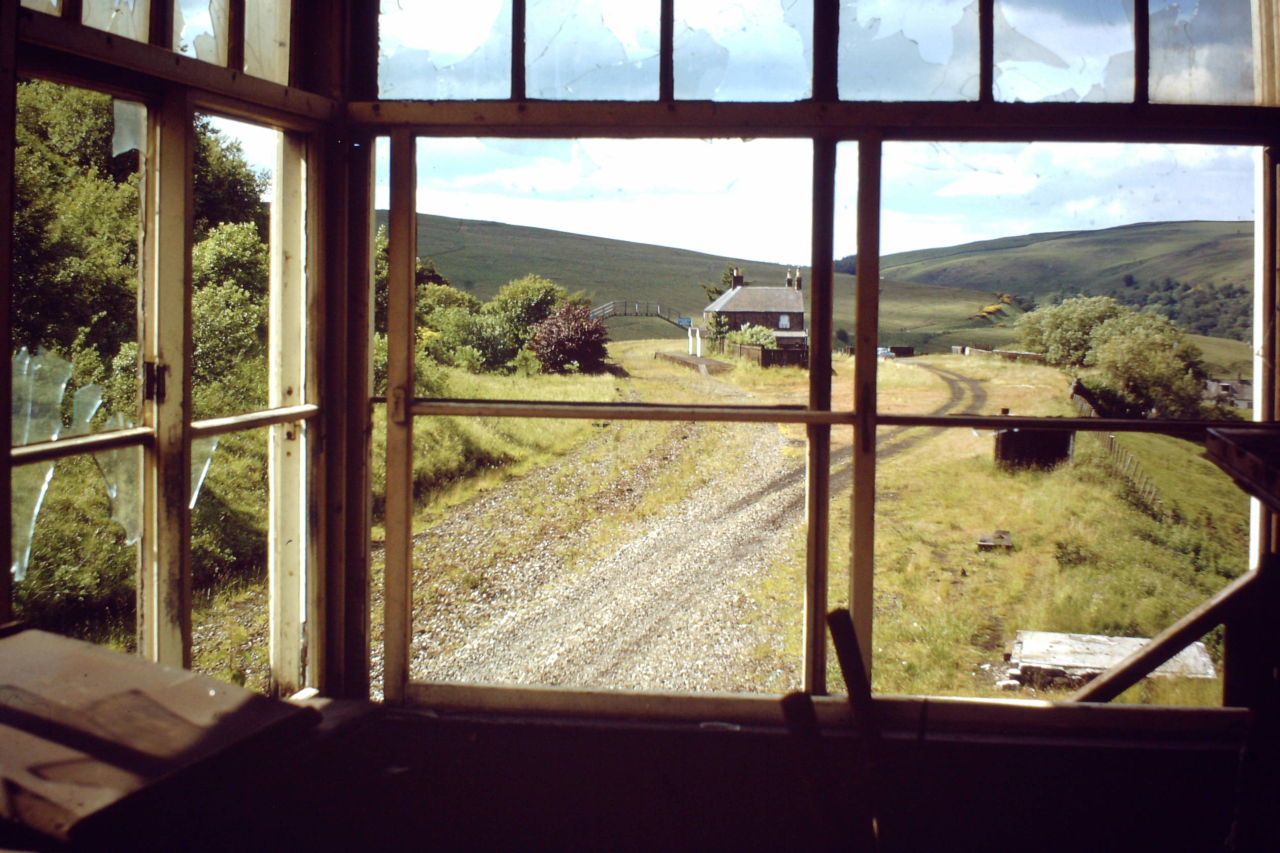
The railway line as seen from the Signal Box (photo courtesy D.Wilson).

The rolling stock had been left on a railway siding near Shankend on the Old Waverley Line, eleven miles South of Hawick and had interesting markings on the side of it which is why he thought the whistle should be donated to The Devil’s Porridge Museum with its focus on the history of Longtown, Gretna, Eastriggs and surrounding areas in both World Wars and beyond.  On the wagon was written “W.D.Ordnance Gretna” with faded red “Explosives” warnings on each side of it.

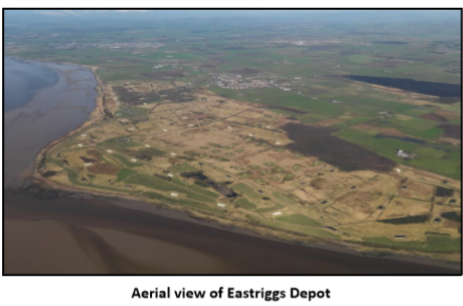
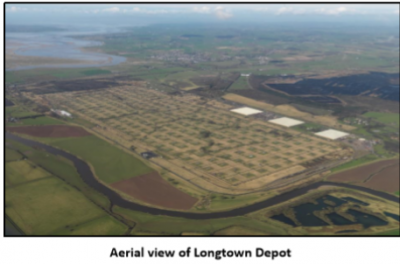
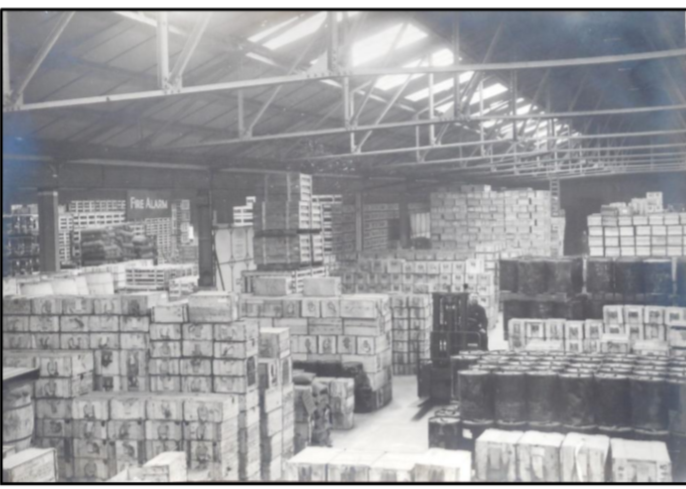
In World War Two, Eastriggs and Longtown were the site of ammunition stores (or depots) and we know munitions were transported from them to the North African Campaigns, to Normandy for D-Day and to the USSR via the Atlantic Convoys.

Munitions storage at either Eastriggs or Longtown depot (photograph probably after World War Two).

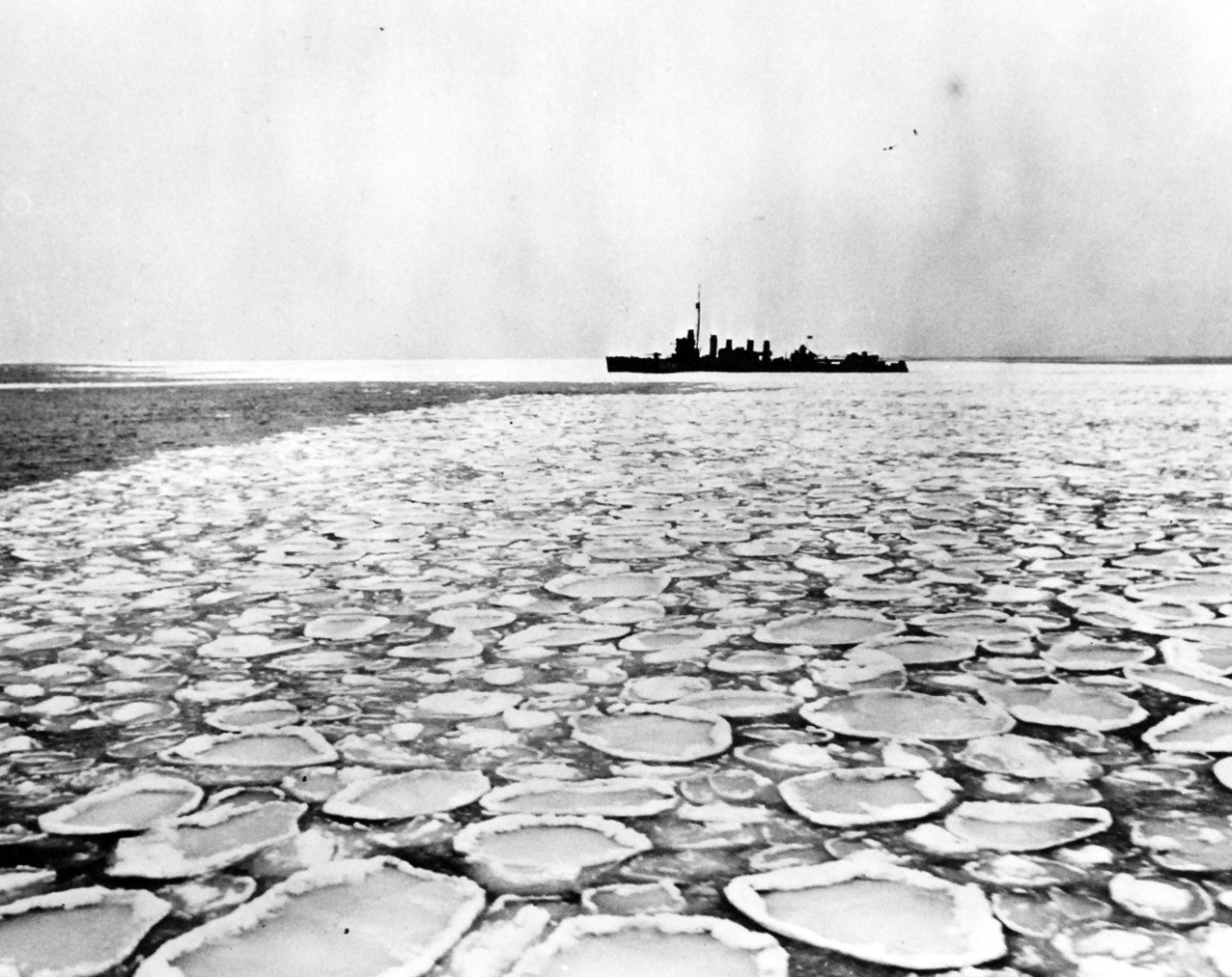
The Arctic convoys transported items to the USSR (including munitions which had been stored at Eastriggs and Longtown).

It seems munitions regularly travelled north from our region as the object donor writes,

“…during WW2, at night freight trains came up from Gretna Munitions Depot, and the wagons full of various Munitions were hidden in the…[mile long] Whitrope Tunnel…to protect them from being bombed…”  The whistle was found in a wagon that had been abandoned after derailing during the War, it may have belonged to one of the workers from Gretna who came to reload the train after the accident.

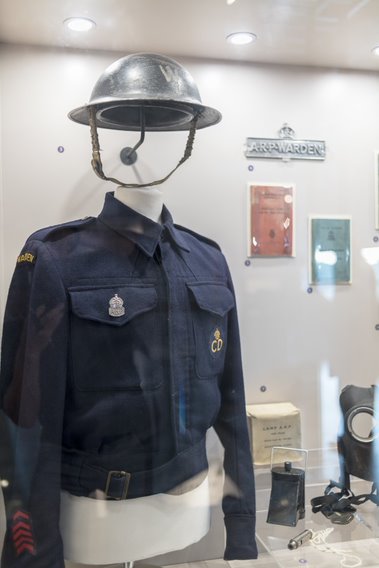
ARP display within The Devil’s Porridge Museum.

We certainly found it interesting to place the work done here in the context of the wider war and one of our volunteers shared another interesting bit of information about this section of railway line.  It is located near Stobs, which was a World War One POW internment camp.  Several years ago, a BBC Sound Recordist went to the railway to record steam engines but when he listened back to his recording he could hear German voices on the tape and was amazed to discover he had been standing near the cemetery where German POWs had been buried all those years ago.

For more on Stobs POW camp see: https://en.wikipedia.org/wiki/Stobs_Military_Camp

If you are interested in the History of World War Two in this region, this book (available from our online shop), may be of interest to you:

The Solway Military Coast book


The royal visit to HM Factory Gretna during WW1 with exicted munitions workers.

John Charles Burnham Part 3

By Collections blog

John Charles Burnham comes to Gretna


In 1915 Burnham was loaned by his employers to the Ministry of Munitions and became Director of the Board of Management and Superintendent at H.M. Factory, Gretna a post which he held until 1921. During his time at Gretna, he was responsible for the smooth operation of the greatest factory in the world. Spanning nine miles across the Anglo-Scottish border and encompassing two purpose built townships, employing 30,000 people and creating over half of all the cordite produced in Britain during the War. Burnham oversaw it all.


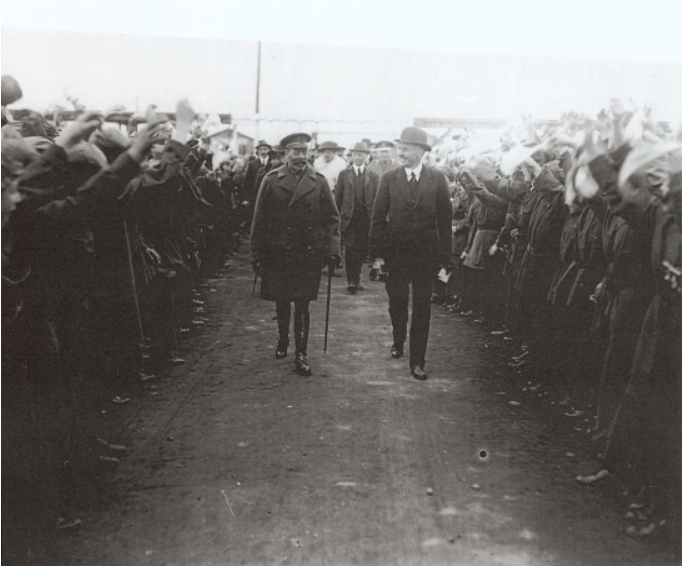
In 1917 the King and Queen visited Gretna and Burnham was an integral part of their experience and can be seen in the photograph below standing in between the King and the other man (he is in the middle, walking slightly behind them).

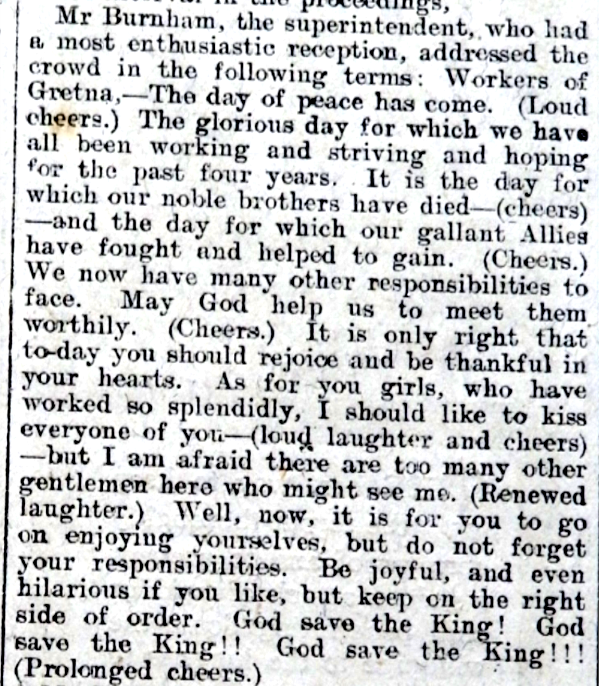
At the end of the War, Burnham was a major part of the Armistice celebrations (his speech on November 11th 1918 was recorded in the local paper, the Annandale Observer as shown below).


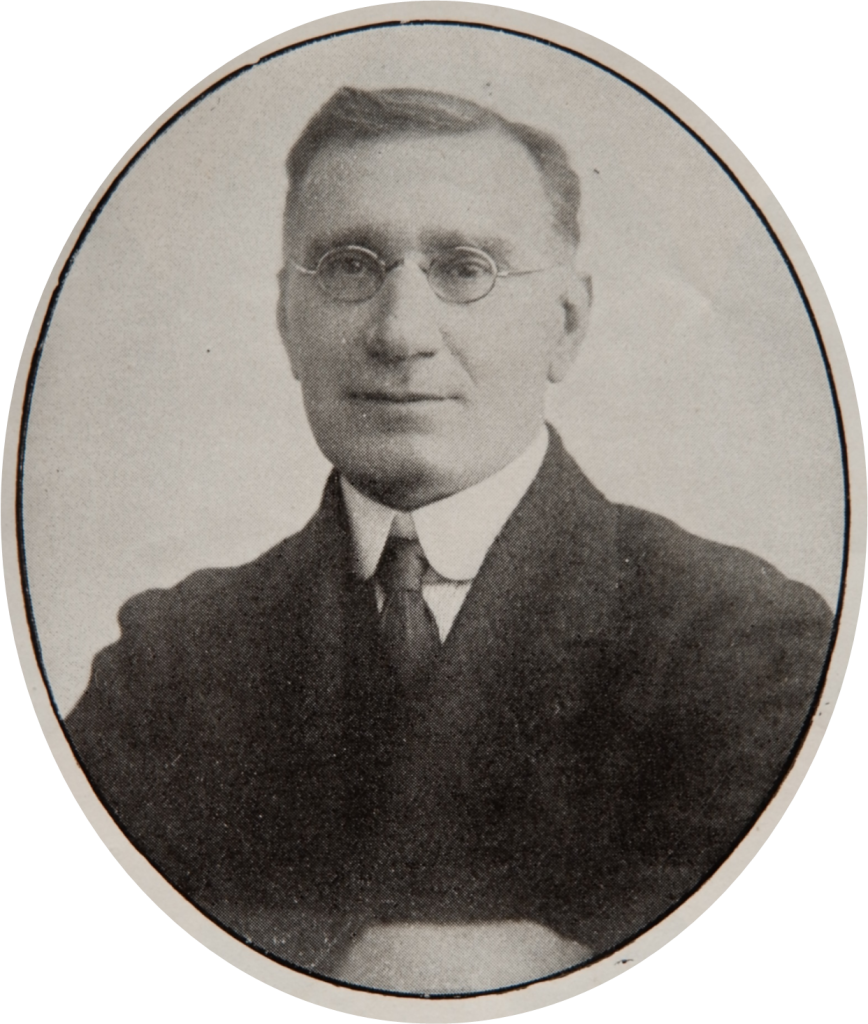
John Charles Burnham.

John Charles Burnham Part 2

By Collections blog

John Charles Burnham in India


1894 – 1899


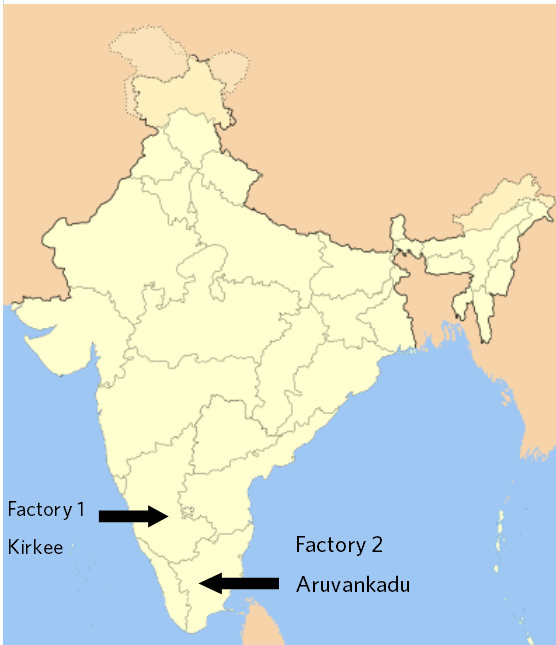
Burnham moved to India to work as Chief Chemist in an experimental Cordite Factory in Kirkee which is in the state of Maharashtra in West Central India (Mumbai is in the same state). The factory was listed as producing small arms and pistol ammunition. It is still there today.


1899 – 1915

Burnham was appointed Manager and Chemist at the Government of India Explosives Factory, Aruvankadu Nilgiris in the state of Tamil Nadu in Southern India. This factory produced Cordite and gun cotton (and still produces explosives today).


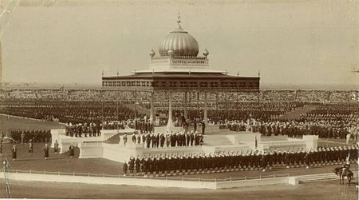
His advice was sought by the Government on many occasions, and his services were recognised by the award of the Companion of the Star of India (CSI) in 1911 at the Delhi Durbar which was hosted by King George V and Queen Mary (photographed below).


You can see our previous article about John Charles Burnham here: https://www.devilsporridge.org.uk/john-charles-burnham


If you enjoyed this article then the following books (available from our online shop) may be of interest to you:

Gretna’s Secret War

The Devil’s Porridge Museum Guidebook

Translate »
BOOK NOW