Category

Archive

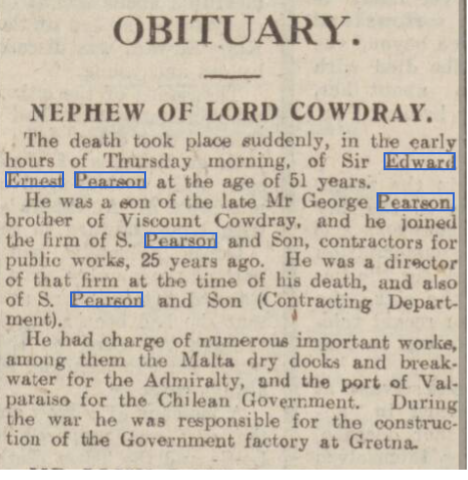
Obituary of Edward Ernest Pearson.

A closer look at our mini-conference: the importance of newspaper research

By Archive


One of the most important sources of information for our Miracle Workers Research project has been newspapers. The newspapers in South Scotland and Cumbria are a rich source for finding out about munitions workers at Gretna–especially when they were caught doing something not entirely legal! One of our researchers, Fiona, has concentrated her volunteering on newspaper research, uncovering some fascinating stories from over 100 years ago.

Learn more about newspaper research by coming along to our ONLINE mini-conference on July 31st from 10-12 and hear Fiona speak about the interesting stories she’s uncovered!

Tickets are FREE and available here!

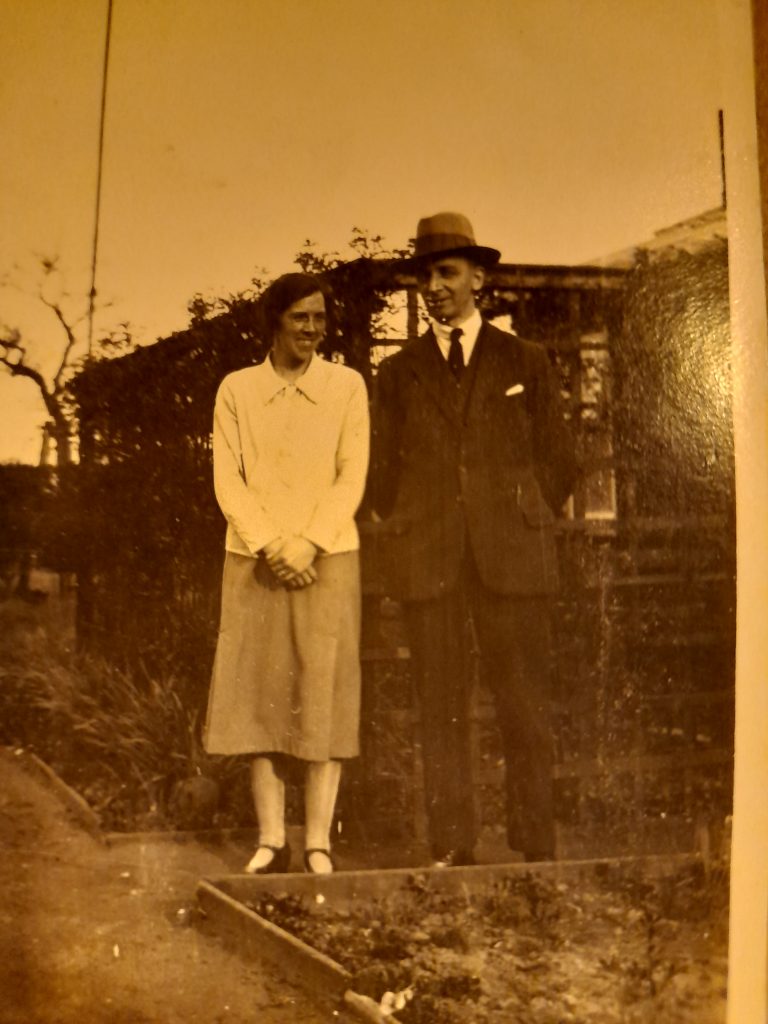
A photo of Fiona’s grandmother, Jane, who worked as a typist at HM Factory Gretna.

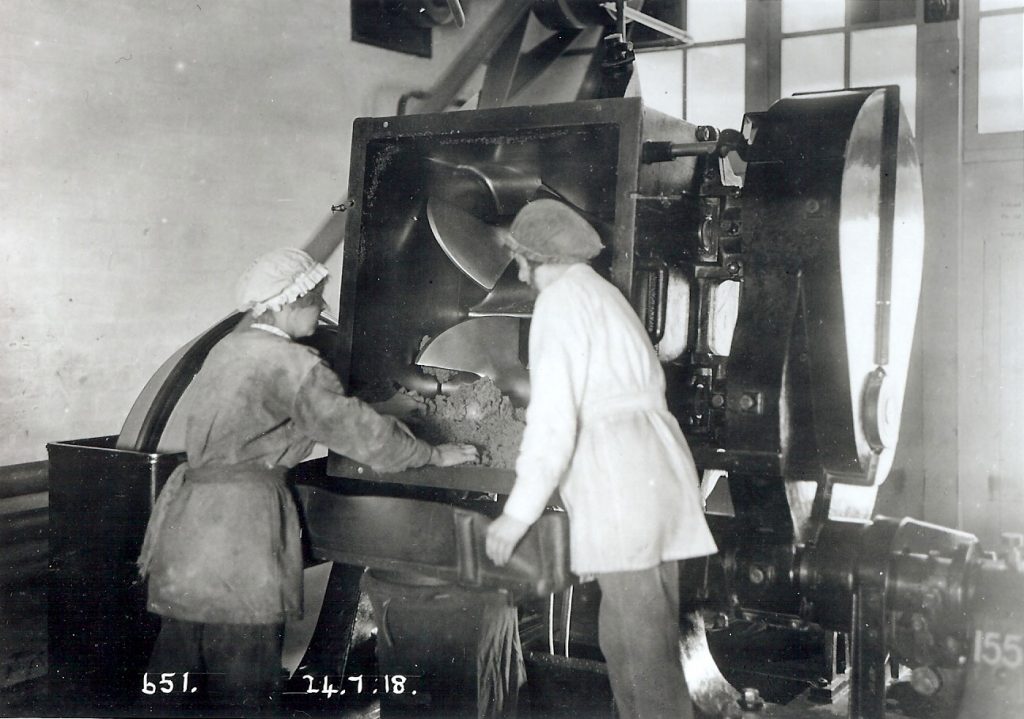
Two munition workers unloading the Incorporator.

A closer look at our mini-conference: Keynote speaker Dr Chris Brader

By Archive

Dr Chris Brader wrote his PhD thesis on women munition workers at Gretna during World War One. He not only delved into the nature of their work, but also how they lived and what they did for fun. It’s an absolutely fascinating read and we’re delighted to have him speak at our mini-conference in July.

Learn more about Chris’ work by coming along to our ONLINE mini-conference on July 31st from 10-12.

Tickets are FREE and available here!


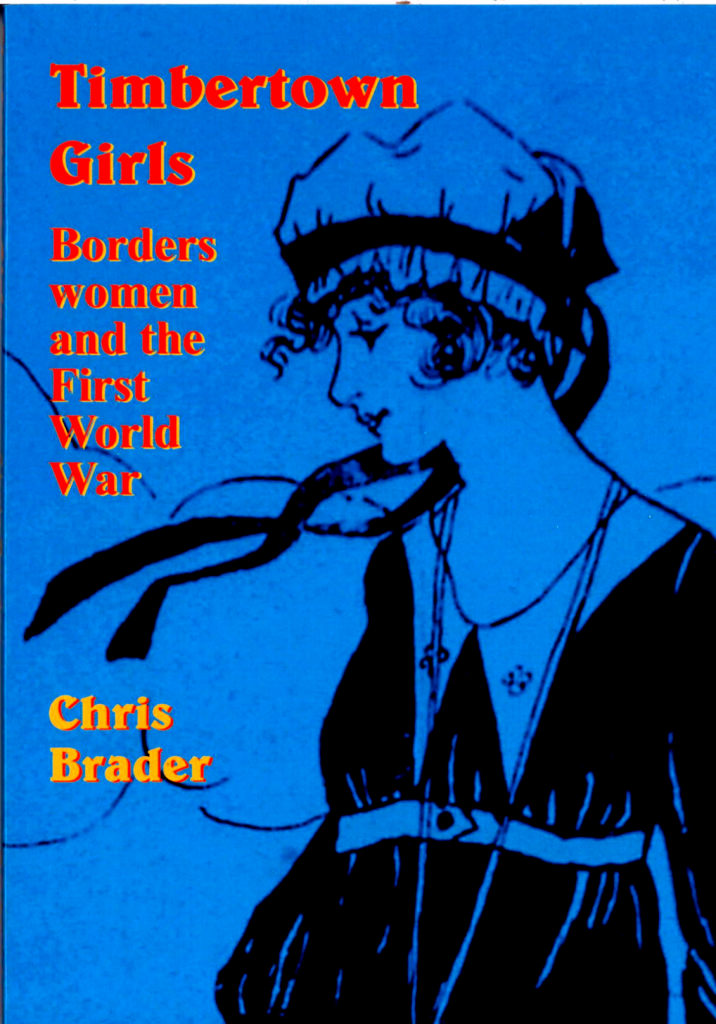
Chris’ excellent book on WW1 and borders women also contains an exploration of munitions workers at HM Factory Gretna

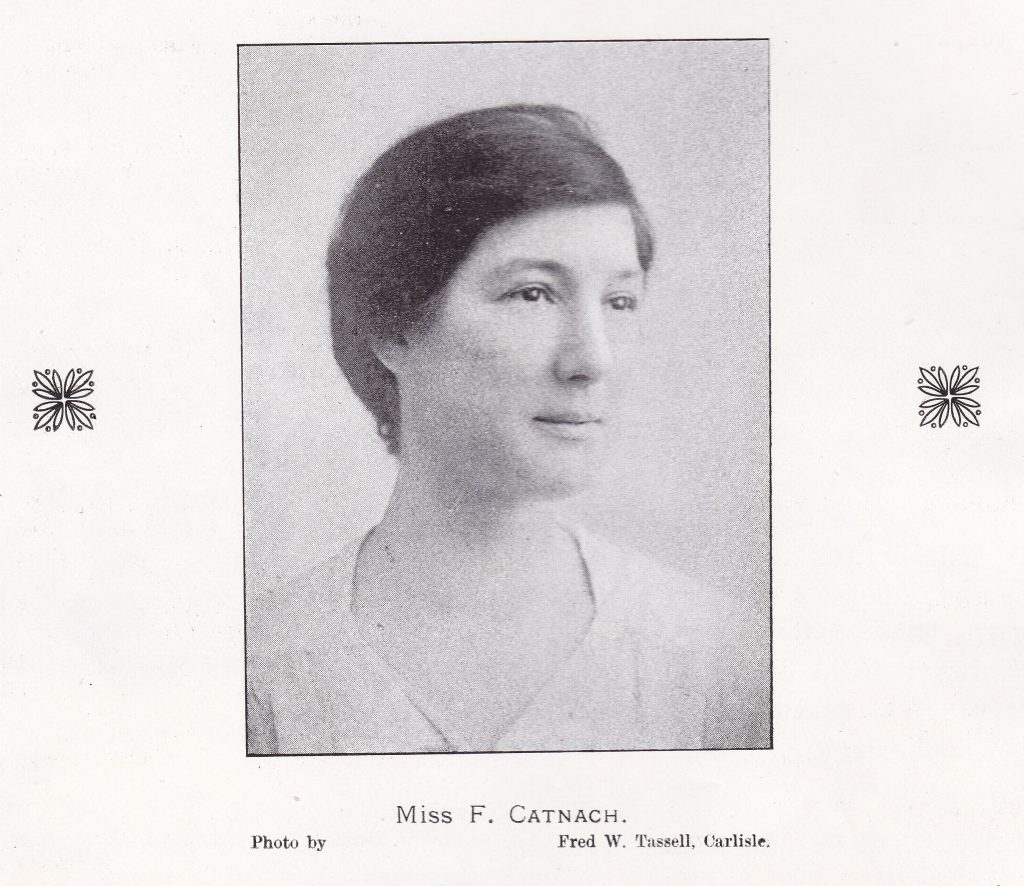
Florence Catnach.

A closer look at our mini conference: From HM Factory Gretna to the Cadbury Factory

By Archive

Miss F Catnach was a tricky person for our volunteer researcher, Cathy, to research, because initially we only had the above photo of her and her first initial. However, she not only found her Christian name, but also uncovered a fascinating family backstory that includes suffrage, charity work and the Cadbury Factory in Birmingham! Florence had a very important role at HM Factory Gretna–she was the Chief Supervisor in the Mossband Section. Learn more about this fascinating woman by coming along to our ONLINE mini-conference on July 31st from 10-12 and hear Cathy speak about her!

Tickets are FREE and available here!

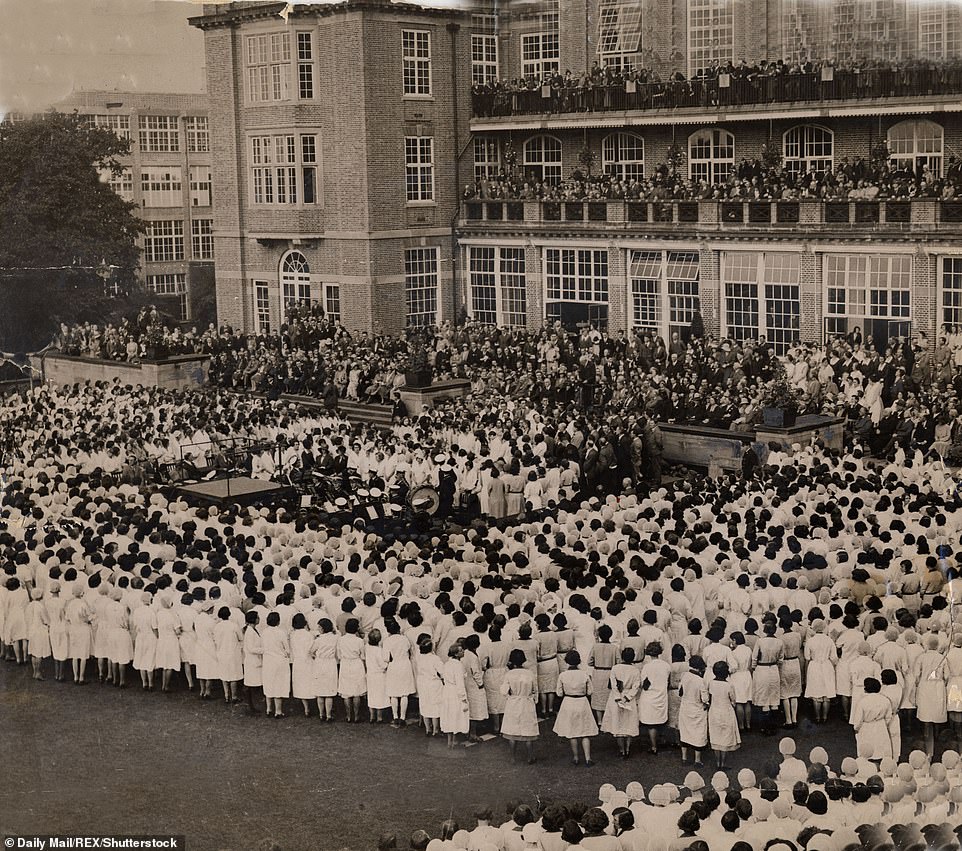
A photo of Cadbury’s centenary celebrations in 1931. Florence is somewhere in this picture.

A colourful banner which reads Disability Pride Month.

Disability Pride Month: Working in the Heritage Sector as a Disabled Person and Telling Disability History

By Archive

This month (July) is Disability Pride Month, and in this post, I want to talk both about working in a museum as a disabled person and the importance of researching and sharing disability history.

As I neared the end of my PhD, I came to the conclusion that what I loved most about the study of history was sharing that knowledge with people. And, when a job came up at The Devil’s Porridge Museum that gave me the incredible opportunity to continue historical research whilst also gaining vital in-museum experience, I jumped at the chance. 

But I was also a little nervous.  

I have Hypermobility Spectrum Disorder (HSD). HSD is a connective tissue disorder that affects joints and ligaments. Often grouped together with Ehlers-Danlos Syndrome, HSD is different for everyone a little differently. I often have joint subluxations—where joints such as my knee cap or thumb pop out of place and partially dislocate. This is extremely painful, and can also happen at any moment. These subluxations often leave me with chronic pain, and I sometimes need to use mobility aids and braces to feel a bit more stable. Another part of my condition is ‘brain fog’. This generally happens when I’m going through a flare up—when I’m in a lot of pain and/or dealing with recurrent subluxations. Brain fog spaces me out a little, and makes it difficult for me to concentrate. The combination of chronic pain and joints that pop out whenever they please also make me a lot more tired than usual—my body spends a lot of time recovering from subluxations and this can be exhausting! HSD is a life-long condition that varies a lot—sometimes I can walk and exercise and drive without pain, but other times I struggle making it up and down the stairs in my flat. 
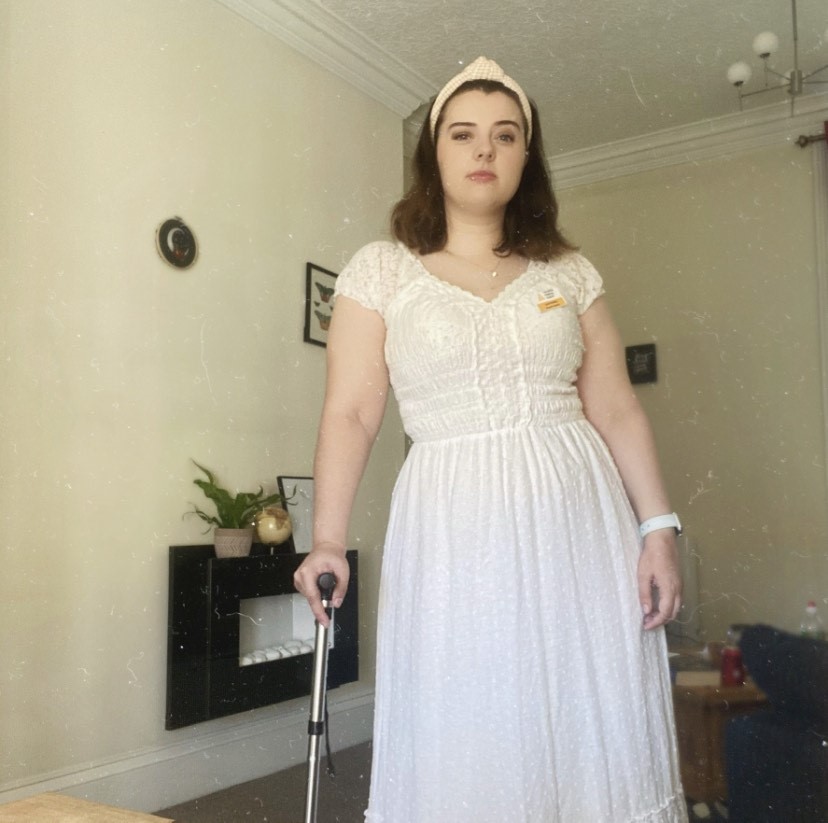
Laura is pictured in a white dress, holding a mobility aid for support.

My trusty mobility aid.

Being a disabled person is sometimes tricky. Having rest days around big events to try and ensure I can make it is normal. Phoning up train stations, or places to visit to ask about lift access and how many stairs the building is similarly something I do pretty regularly. And some days I can’t drive or walk at all. So beginning a full-time job in a museum at the other side of the country was daunting. The heritage sector has made great strides forward in accessibility in recent years, with increased focus on the need to make culturally important sites and museums accessible for all.

If there’s one positive thing the last year of lockdowns has given us, it’s the increased pivot by many organisations towards the digital. In museums, this took the form of virtual exhibitions, and online talks, opening up a route for people–no matter their location, or their physical ability to be present–to virtually visit museums. Not only can such a move widen audiences, but also it means that a more diverse audience can access a rich cultural heritage. For me, beginning my job at the Porridge during lockdown, I worked remotely for months. Whilst this was sometimes lonely and frustrating, it showed me that I could do a good job from home.
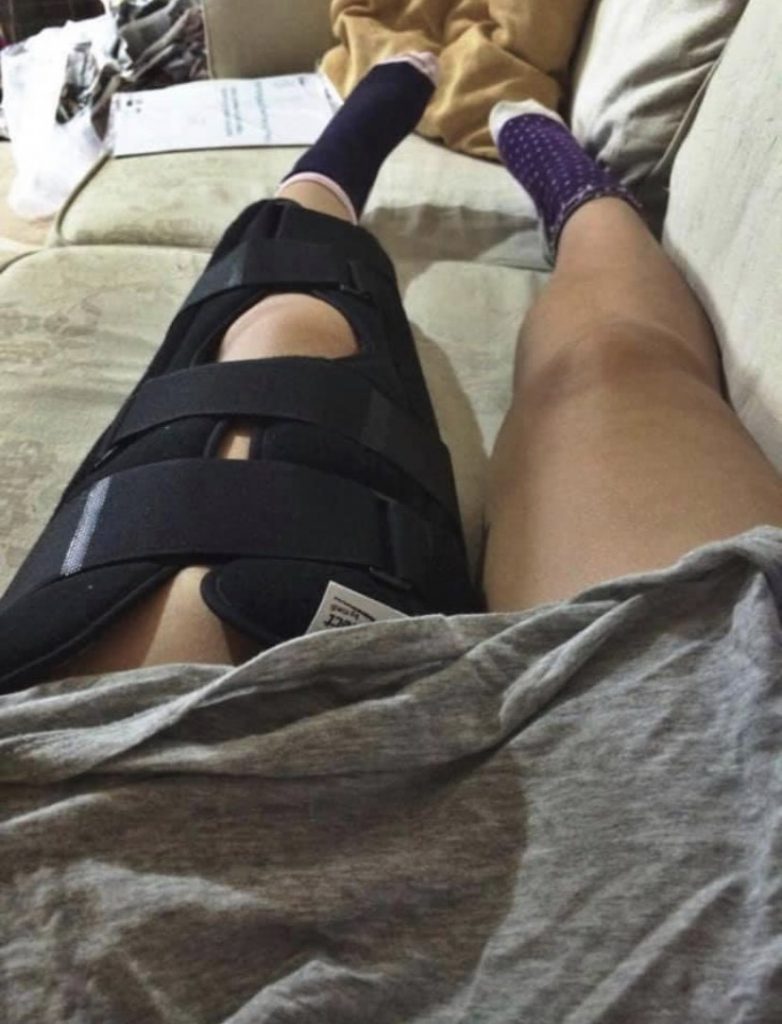
Laura's legs are pictured, one of them is in a knee brace

The knee brace I wear after a dislocation

When I finally moved to the area and got to work in the museum for the first time, I was so excited. There is something so special about sitting at a desk in arms reach of a interesting historical object that I’m sure many of my fellow history nerds can relate to. Not only that, but I got to meet my colleagues for the first time, as well as actually seeing the museum for the first time. It was an incredible experience.

But it was also tinged with a bit of fear. When you live with a chronic condition like HSD, you learn to be aware of warning signs of a coming flare-up. I knew that my HSD would inevitably worsen at some point, and I wanted my employers to be aware that as a result of my disability, I might need some adjustments. Telling people about my condition was, as always, scary. HSD isn’t very well known, and as a ‘invisible illness’ I’ve (in the past) encountered some people that struggle to believe that I have a disability. But disabilities come in all shapes and sizes, and aren’t always visible at first glance. However, my colleagues at The Devil’s Porridge were kind, keen to understand, and willing to make the necessary adjustments for me, which was brilliant. Together, we devised a support plan and I work from home once a week, with the option for more home working if my HSD flares up. I can also use the lift when stairs are too much for me. The Devil’s Porridge Museum is staffed mainly by dedicated volunteers, and they were also made aware of my condition–I didn’t want to worry them all by having a random dislocation at work!

It’s crucially important for disabled people to both be able to work within the heritage sector, and also for sites and museums to be accessible for disabled visitors–and I believe these two goals are interrelated. According to an Arts Council England Report in 2017/18, only 4% of museum workers were disabled, leading The Museum’s Association to conclude that diversity remained static within the sector. This is a disappointing statistic. History should be accessible to everyone, and this is especially so when it comes to areas that have traditionally been neglected, like disability history.

A fascinating and wide-ranging area of history, disability history is (to me) endlessly interesting and also very poignant. It can be viewed from a number of perspectives from development of medical treatments, to the records of charities and work-houses, to recollections of disabled people themselves. Historic England have compiled a great overview of disability history in England, whilst both The National Archives and The Institute of Historical Research also have resources and tips on researching disability history in the archives. The history of disabled people cannot be divorced from the wider historical context of time and place, and this is never more true than during, and in the aftermath of World War One.
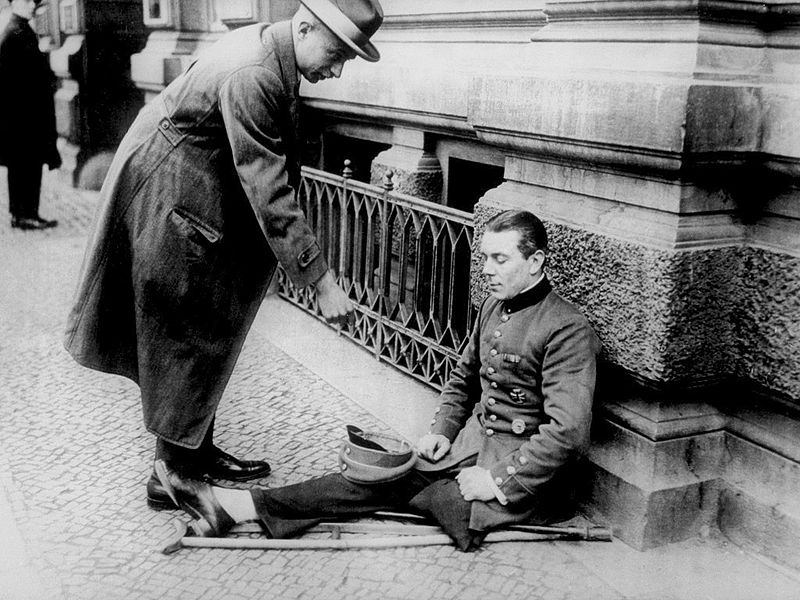
Attribution: Bundesarchiv, Bild 146-1972-062-01 / CC-BY-SA 3.0

Much has been written about the horrific injuries soldiers at the Front received during the Great War. According to Martina Salvante, 8 million people were disabled in World War One. Not only did these people have to reconcile their disabilities with a post-war world, but many also struggled with ‘shell shock’, a form of traumatic disorder. This influx of disabled veterans also raised questions about the treatment and attitudes towards disabled people–organisations were established to help support this men, whether in re-training them to work in a new occupation or with living independently.

However, it wasn’t only disabled soldiers who had to readjust to life with a disability. Many who worked in munitions factories, such as HM Factory Gretna were also disabled. Some had arrived at the factory disabled or injured and were unable to do active service. Eric De Clemont lost his eye and contracted miner’s phthisis before the outbreak of war. Considered unfit for active service, Eric spent the war working in the cordite section as a sub-section officer at Gretna. Others were disabled through their work at Gretna. Victoria May McIver lost the lower part of her arm in an accident at the factory. In later life, one of her son’s friends was amazed at her skills at potato peeling, balancing the potato in the crook of her elbow.
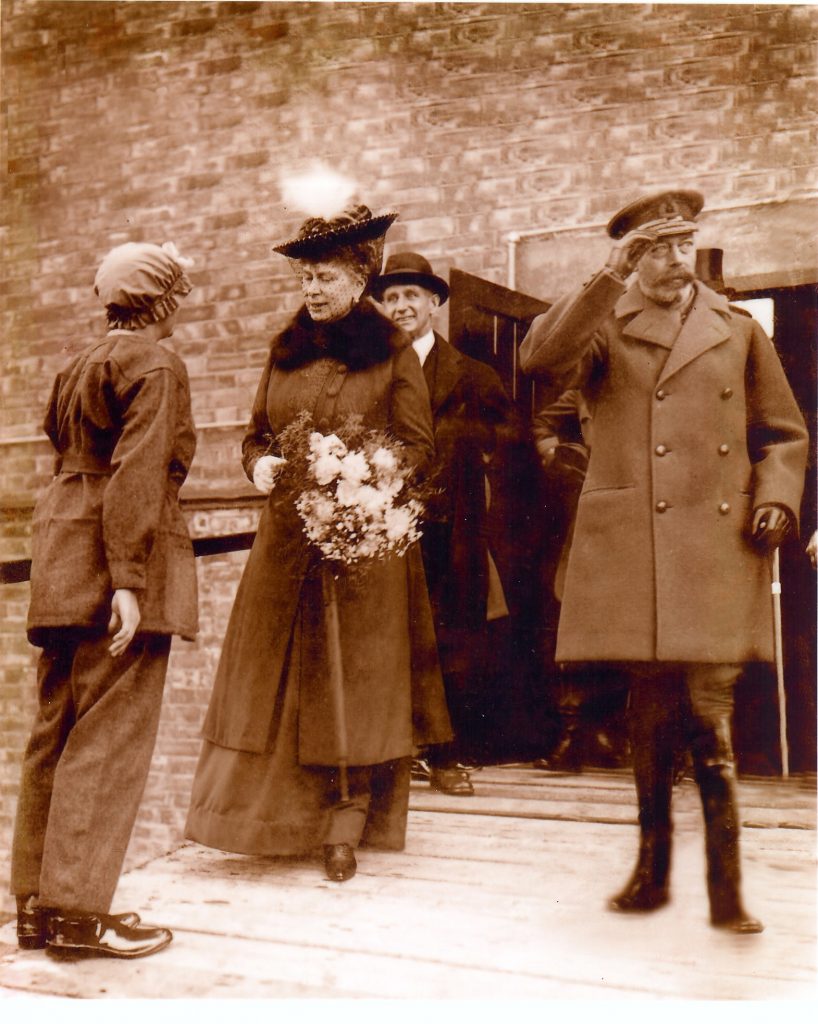
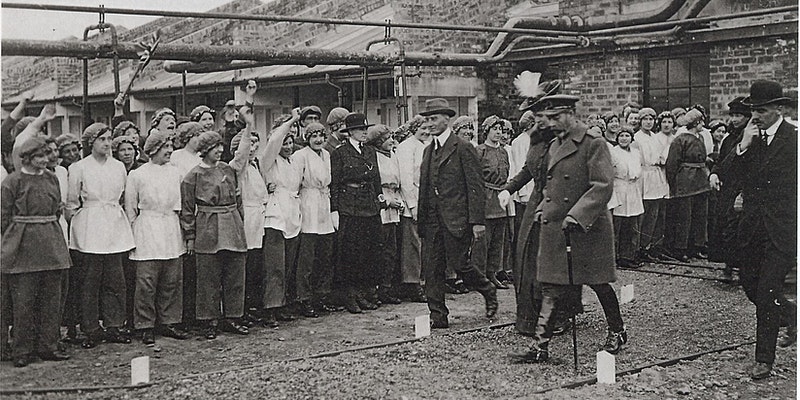
A munitions worker, Victoria May McIver, is pictured giving Queen Mary a bouquet of flowers. The king stands next to his wife.

Victoria gives a bouquet of flowers to Queen Mary during the Royal Visit to Gretna in 1917. She was chosen to present the bouquet to the Queen on account of being the youngest munitions worker at Gretna Works Hospital.

There are many accounts of workers afflicted with chronic illnesses after working at HM Factory Gretna. There are accounts of women whose whites of their eyes turned yellow, and many suffered breathing problems long after the war was finished. The health impact of working in munitions during WW1 still isn’t clear, and may never be, due to a fragmentary nature of records kept and a lack of understanding of the medical effects of working with cordite. However, what I think is clear is that munitions factories like HM Factory Gretna often operated as hubs for disabled people to work in wartime, and this is a crucial, and often untold part of the history of disability in WW1. Many men considered ‘unfit’ for active, front line service were diverted into working in munitions, as an acceptable, yet maybe not as prestigious, alternative to being a soldier. These men contributed to the war effort in a different, but no less powerful way, by supplying the Front with ammunition. Similarly, all munitions workers risked injury and death as a result of their work in factories and with dangerous and volatile chemicals. Many, like Victoria May McIver, lost limbs, others were disabled in less visible but no less traumatic ways. These conditions would often dog them throughout their lives, and was a direct result of their wartime work.

Whilst the horrific injuries soldiers received during the war increased visibility for disabled people in the UK, it would be decades before The Chronically Sick and Disabled Persons Act of 1970 gave statutory provision to disabled people. Disability history isn’t widely known–it isn’t taught in schools, and even when (inevitably) other areas of history overlap with the history of disability, the focus is generally on medical developments and disabled people aren’t centred as historical actors in their own story. This needs to change. As a historical researcher and disabled person, I have been woefully ignorant of this history, but it is important to learn it, and to share it.

Disabled history is a crucial part of our collective national story, and the disabled workers at HM Factory Gretna, and other munitions factories, during World War One are a very small part of this wider rich and complicated history.



The royal visit to H.M. Factory Gretna during World War One with lots of happy munition workers.

The Miracle Workers Project Update: Mini-Conference

By Archive
A chance to hear about the excellent historical research done so far on The Miracle Workers Project in a free online event.


In March 2021, The Devil’s Porridge Museum launched it’s Miracle Workers Project, which aimed to research the 30,000 people who worked at H. M. Factory Gretna during World War One. Thanks to a generous grant from the D&G Costal Communities Fund, volunteers at the museum have been systematically researching and compiling information on those who worked at Gretna.

This free online event will share what the volunteers have uncovered so far, from women’s football teams at the factory to police to explosives and chemists. We will also be hearing from Dr Chris Brader, who wrote his thesis on the women workers at Gretna, who will be speaking about his research.

10AM – 11AM – short, informal talks by our volunteers, sharing their research.

11AM-11:45AM – talk by Dr Chris Brader, with time for questions.

Booking your free place on eventbrite here: https://www.eventbrite.co.uk/e/the-miracle-workers-project-update-mini-conference-tickets-162272199517

This event will be held via Zoom and a joining link will be sent on the day.

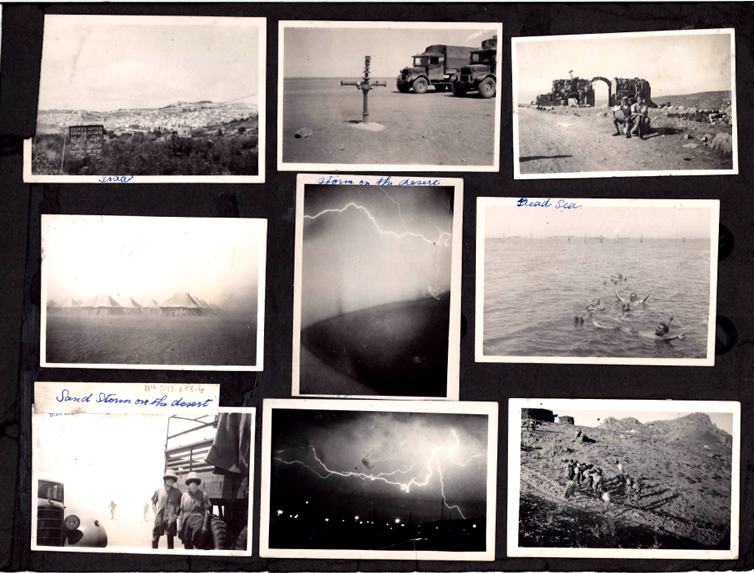
A photo album with a collection of photos of a lightning storm, swimming and a dessert.

Sandstorms, Swimming and Stories: Creative Writing Workshop.

By Archive
Draw inspiration from mystery photographs in the museum’s collection to create your own short story.

Can you imagine what it would be like to get stuck in a desert sandstorm, fly an aeroplane, or swim in the Dead Sea?


The Devil’s Porridge Museum contains countless old photographs from all around the world. The only thing is we don’t know much about them … but we can imagine what stories the images could contain!


Join us at our creative writing workshop run by local writer Kerrie McKinnel, and create your own short story using these images and more as inspiration.


Suitable for young people with big imaginations.


Kerrie McKinnel is a writer, graduate from the University of Glasgow’s MLitt Creative Writing, and Events Manager for Lockerbie Writers group. She has run a number of successful writing workshops and events. You can find out more about her on her website: www.kerriemckinnel.com


Due to Covid restrictions booking your place via Eventbrite is essential.

Book your place here: https://www.eventbrite.co.uk/e/sandstorms-swimming-and-stories-creative-writing-workshop-tickets-161640243319

Part of a poster for a Tiktok takeover happening in 2021.

TikTok Takeover!

By Archive

Join us to take over The Devil’s Porridge Museum’s TikTok account, creating and publishing your own videos!

The Devil’s Porridge Museum will be running a TikTok Takeover where you can create, shoot, edit and publish TikTok’s for the museum!

We will be using historical objects, the museum’s surroundings and dressing up materials to create fun short videos to share history with people worldwide.

Starting Thursday June 10th and continuing weekly, this takeover will run at the museum, and you can drop in to join us anytime between 3:30 and 6pm.  Perfect for young people aged 12 and upwards!

Because of COVID restrictions, pre-booking via Eventbrite is essential. You can book here:

https://www.eventbrite.co.uk/e/tiktok-takeover-tickets-156915116337

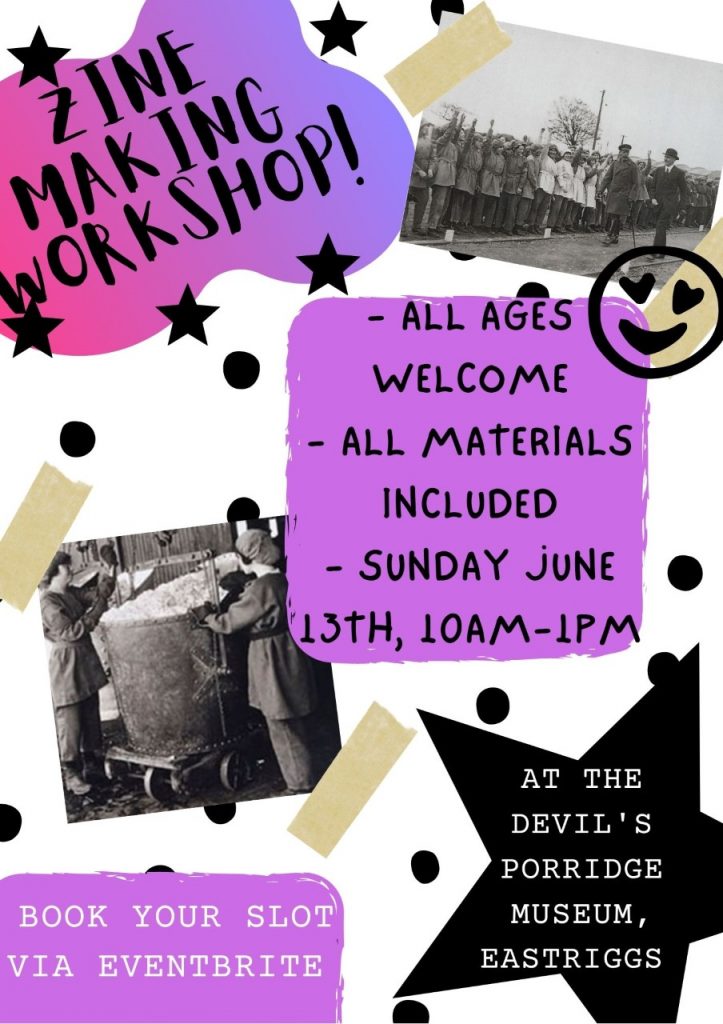
Poster for a past Zine workshop which took place in June 2021.

Zine Making Workshop

By Archive


Join us at this youth workshop to create a Zine about the life of the Gretna Girls with all the materials you need included!

Zines are DIY magazines that contain words, images, artwork and much, much more! Originating in the 1930s, Zines became a counter-cultural phenomenon in the 1980s, when riot girls rallied against sexism in punk culture in their Zines. More recently the hit Netflix movie ‘MOXIE’ has again brought Zines to the fore.


The girls and women who worked at HM Factory Gretna may have lived in a time before Zines, but they too faced hardship, danger and sexism whilst working in explosives in WW1. They also left us art and poems in their autograph books, and in the end of war magazines, the Mossband and Dornock Farewell. Using these and other documents in The Devil’s Porridge Museum’s archives, this Zine workshop will use imagined history to make the Gretna Girl’s come to life!


All you need is yourself, a creative outlook and some big ideas to take part in this fun workshop.


Pre-book your place on eventbrite here:

https://www.eventbrite.co.uk/e/zine-making-workshop-tickets-156666891891?aff=ebdsoporgprofile

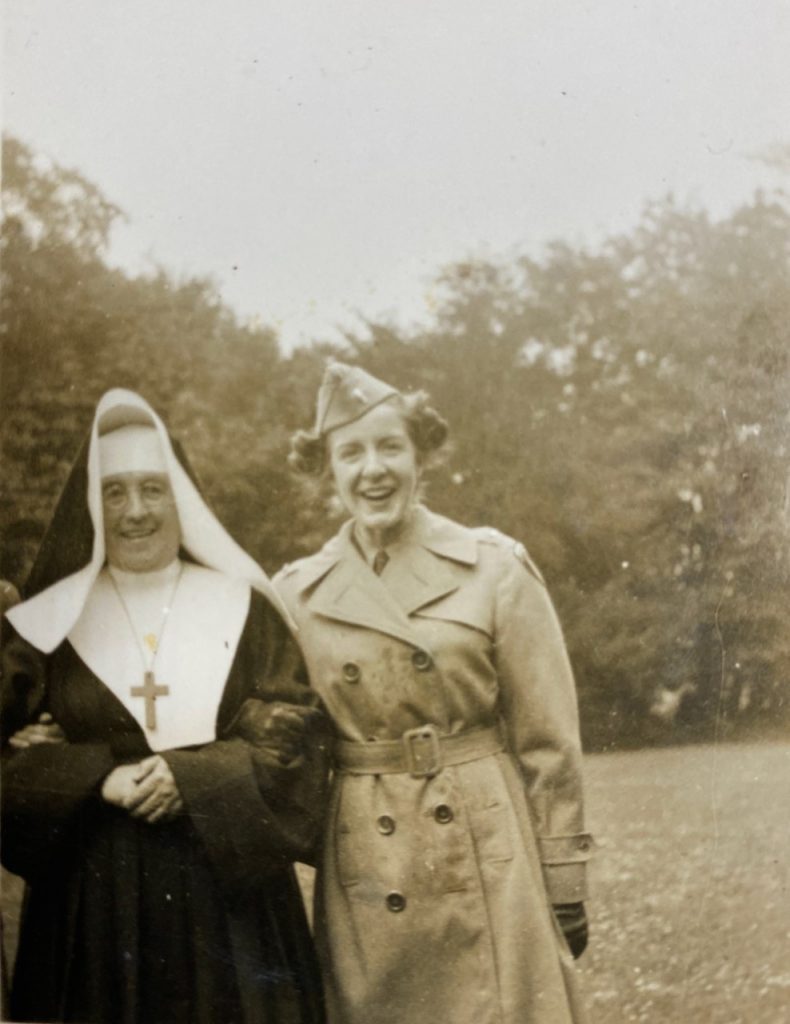
Naughton and Sister Imelda

A closer look at one of our conference papers

By Archive

A closer look at one of the talks that will feature in our online conference on May 20th and 21st. Tickets available now via Eventbrite:

https://www.eventbrite.co.uk/e/148423724355


Talk Title: They Were Soldiers, These Women: A Women’s Army Corps Officer in the Supreme Headquarters Allied Expeditionary Force

Talk delivered by Patrick Naughton


The family’s recent discovery of primary documents (letters, diary, etc.) from one of my ancestors who served as a Captain on the staff of General Dwight Eisenhower as he commanded the Supreme Headquarters Allied Expeditionary Force (SHAEF) during World War II (WWII) highlights a unique perspective of the war.


What makes this Captain’s experience so distinctive is the fact that they served in the Women’s Army Corps. Marcella Naughton’s two years with SHAEF provided her a front row seat to meet, witness, or experience almost every influential person or event in the European Theater of Operation. Naughton’s personal story shines a light on an underappreciated American experience in WWII: that of the 210,000 female officers and enlisted soldiers who honorably served their nation during the conflict. It also presents a unique viewpoint on SHAEF operations, which up to this point have primarily been documented from a male perspective.


The current desire to achieve true diversity and inclusion in western militaries and society at large makes this article especially poignant to discuss and publish now. I addition, her issues with Post Traumatic Stress after the war will also speak to a whole generation of warriors from the past twenty years of conflict – men and women. The first draft of the article is complete and currently sits at 12,898 words with endnotes.

Biographical information about speaker:

Patrick Naughton is a U.S. Army officer and a Military Historian. He is currently serving as a Legislative Liaison to the U.S. Senate in Washington, D.C. Naughton is a recipient of the General Douglas MacArthur Leadership Award, a former Interagency Fellow, and a Congressional Partnership Program Fellow with the Partnership for a Secure America. He holds a Master’s degree in History from the Army Command and General Staff College and a Bachelor of Arts degree in History from the University of Nevada, Las Vegas. He has published in several venues and his work can be found at: www.patnaughton.com.

Translate »
BOOK NOW