Category

Archive

A Dickin Medal.

New Display at the Museum

By Archive

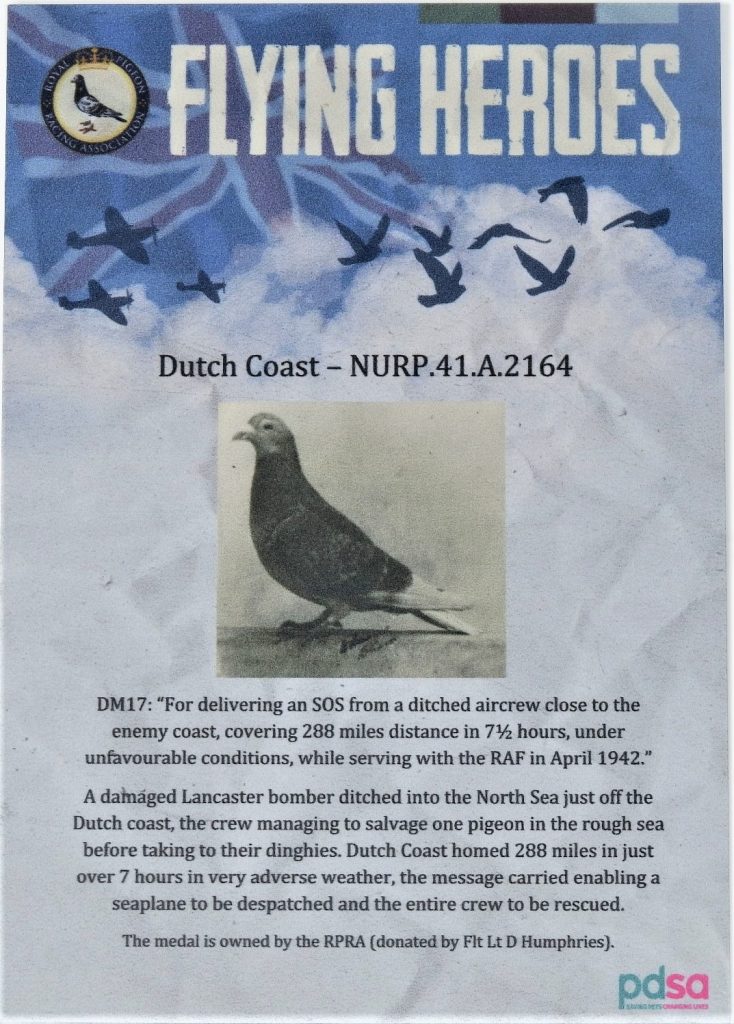
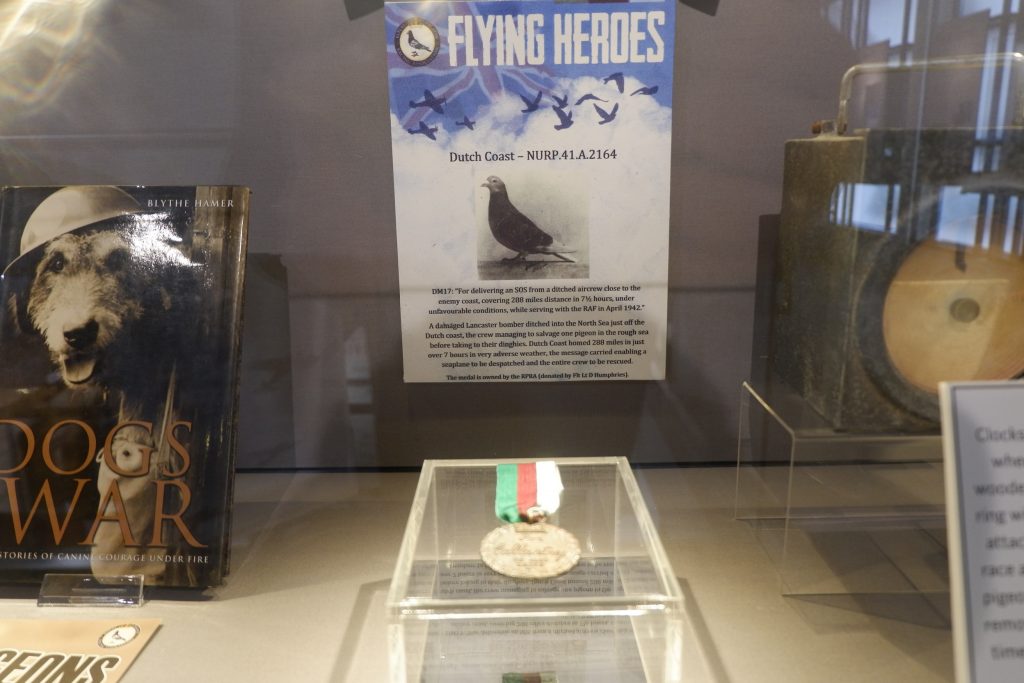
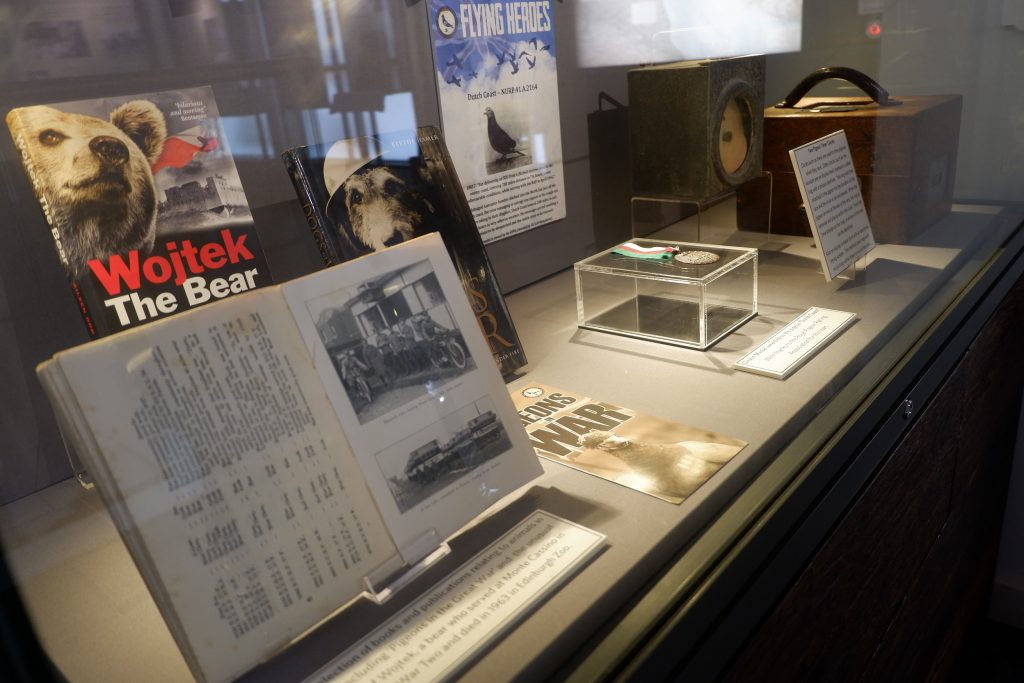
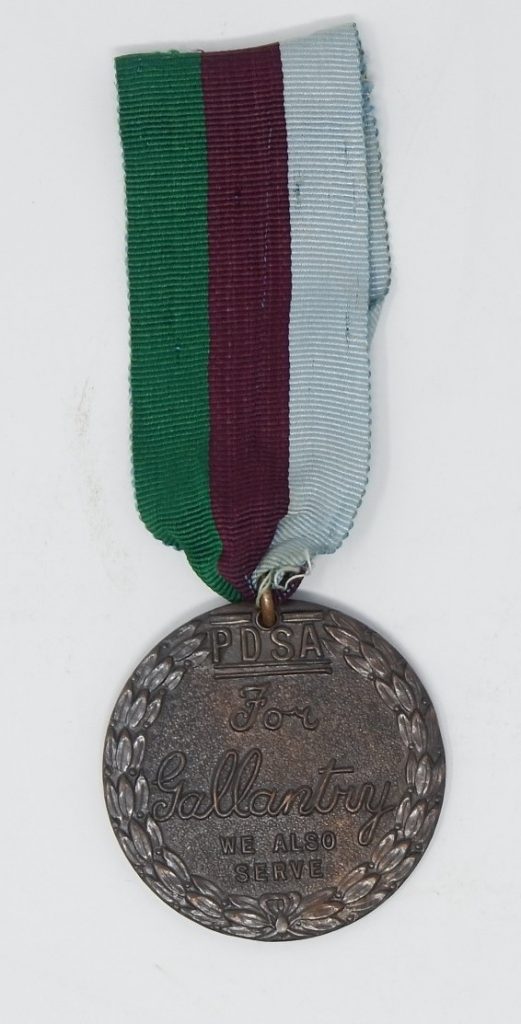
We’re very happy to have a Dickin Medal on display in the Museum for the next 6 months. This is one of only 3 on display in the country and one of only 71 Dickin Medals in existence. This particular medal was awarded to a pigeon called Dutch Coast, he was on board a Lancaster Bomber which went down in the North Sea in 1942. He flew 288 miles over 7 hours in terrible weather. He delivered his message and the lives of all the crew were saved as a result of is actions.

In 1943, Maria Dickin, the Founder of the People’s Dispensary for Sick Animals (a charity known as the PDSA) created the Dickin Medal to honour the work done by animals in World War Two and to recognise their conspicuous gallantry or devotion to duty. Since its introduction in 1943, the Dickin Medal has been awarded just 71 times: 31 dogs, 32 World War Two messenger pigeons, three horses and one cat have been awarded. We are very honoured to have the Dickin Medal here on loan to The Devils Porridge Museum from the Royal Pigeon Racing Association.

Animals have been used in war for thousands of years. Over 16 million animals served in the First World War. Cats and dogs were trained to hunt the giant rats that infested the trenches. By 1918, 8 million horses would lie dead in the mud, many next to soldiers they served with. The use of cavalry in war declined after World War One but animals remain an important part of the Armed Forces.

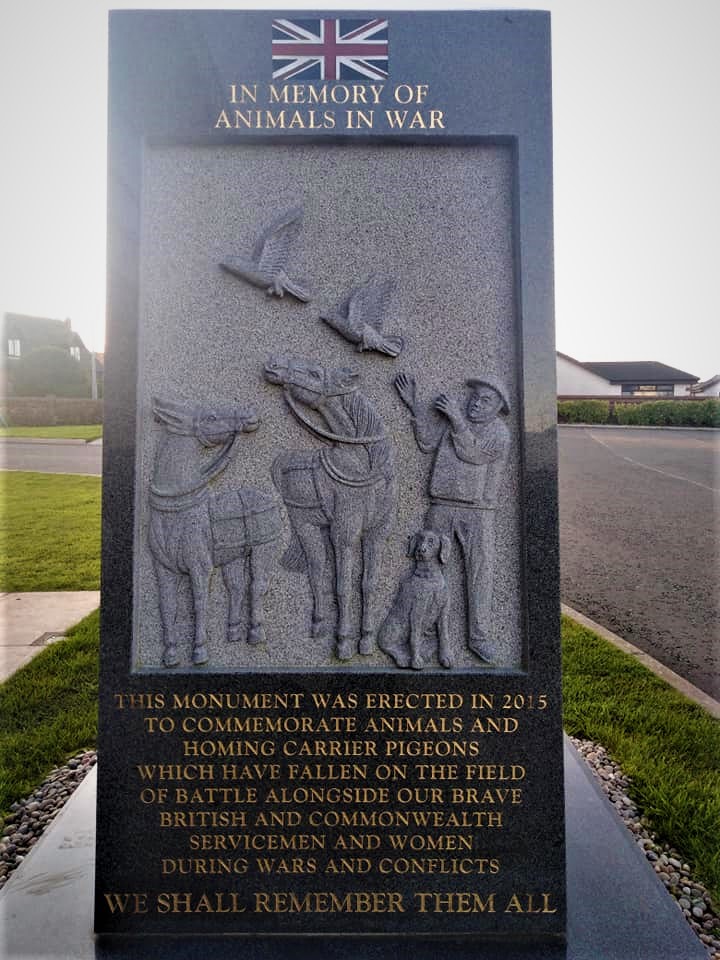
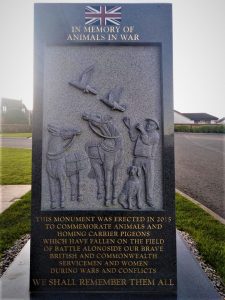
The War Memorial which we have outside the Museum was gifted to us by the Animals in War Group, Carlisle in 2015, as a lasting permanent reminder of the enormous sacrifice made by animals in war.

Landgirl Film Project Premiere at Annan Lonsdale Cinema

By Archive

This takes place on the 10th of March at the Annan Lonsdale Cinema. Booking is essential! If you would like to book a place please phone: 01461 700021 or email: info@devilsporridge.org.uk


Hear the oral history of a Carlisle Landgirl from World War Two as filmed, edited and animated by local young people.


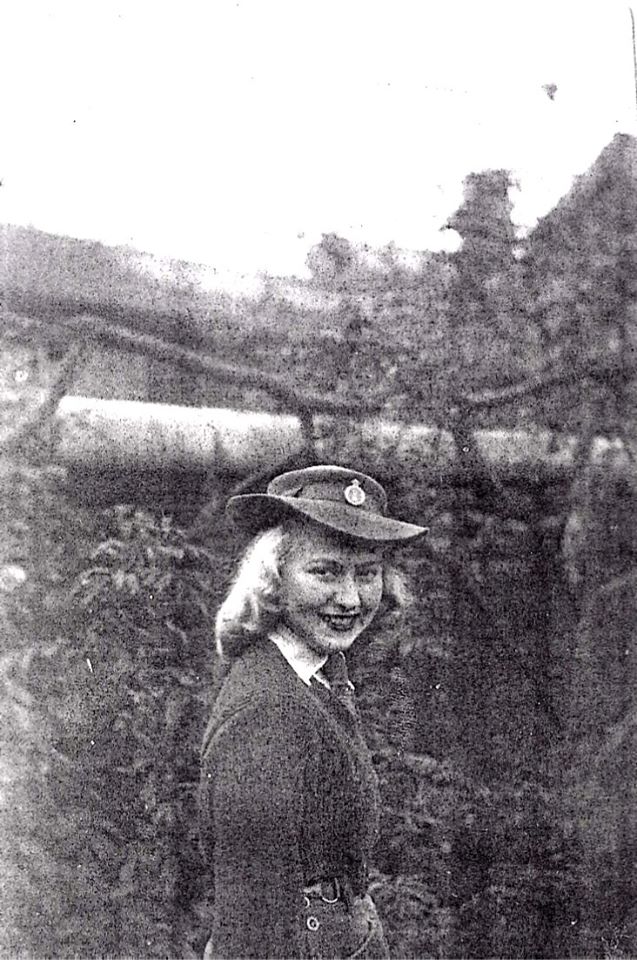
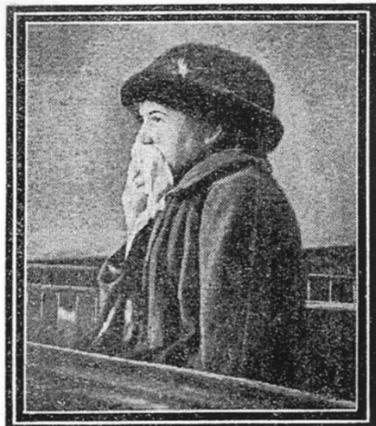
In World War Two, thousands of young women did their war work on the land. This film will focus on the experiences of Bettie (Photographed). She was a young girl in Carlisle when World War Two started and she spent most of the war in Cumbria working on different farms. Her film involves tales of cows, rat catching and mole baiting along with other wonderful experiences she had along the way .


This cinema screening is free to attend. There will be brief talks by those involved in the project as part of the evening as well.


With thanks to Annan Lonsdale Cinema for generously hosting this event.

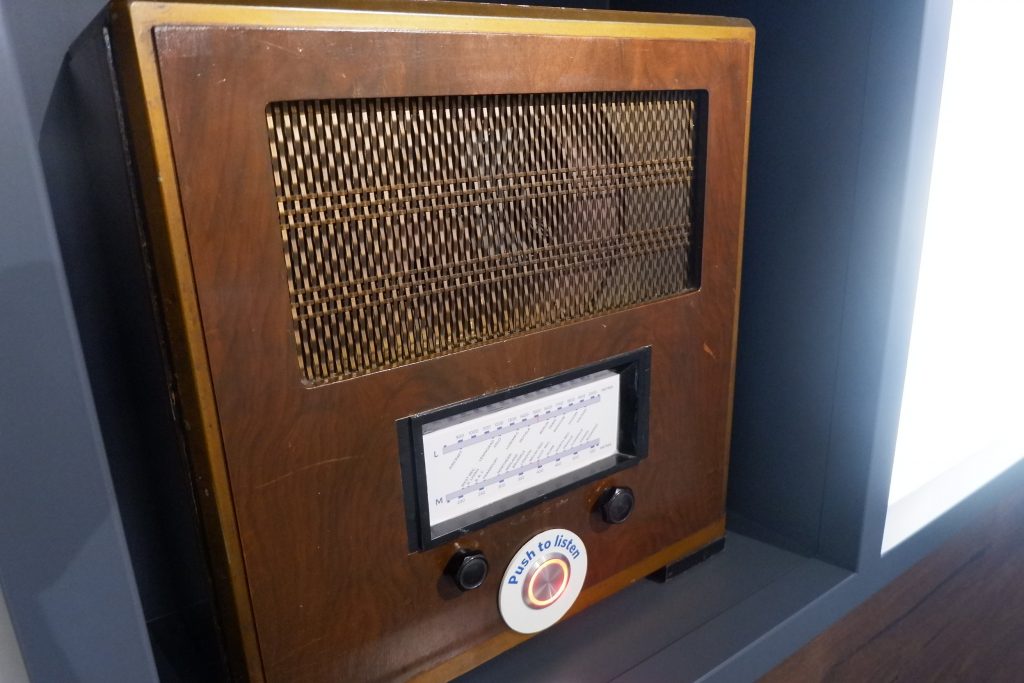
A radio on display in The Devil's Porridge Museum.

A Look Inside The Museum

By Archive

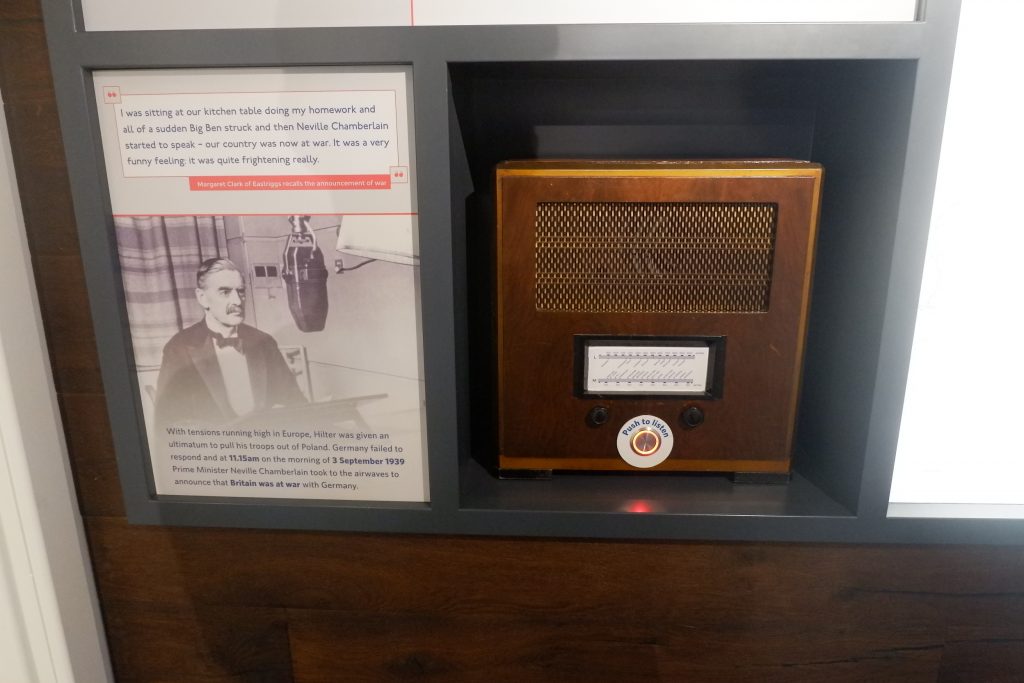
This display is the start of the timeline of the Second World War which is located on the top floor. This display follows on from a timeline of pre Second World War which explains the build up to the conflict.


The display includes a voice extract from Neville Chamberlin (who was Prime Minister at the time) when he took to the airwaves to announce to the country that Britain was at war with Germany. It also includes a quote from a local woman named Margaret Clark recalling the moment the announcement was made, “I was sitting at our kitchen table doing my homework and all of a sudden Big Ben struck and then Neville Chamberlin started to speak – our country was now at war. It was a very funny feeling, it was quite frightening really.”

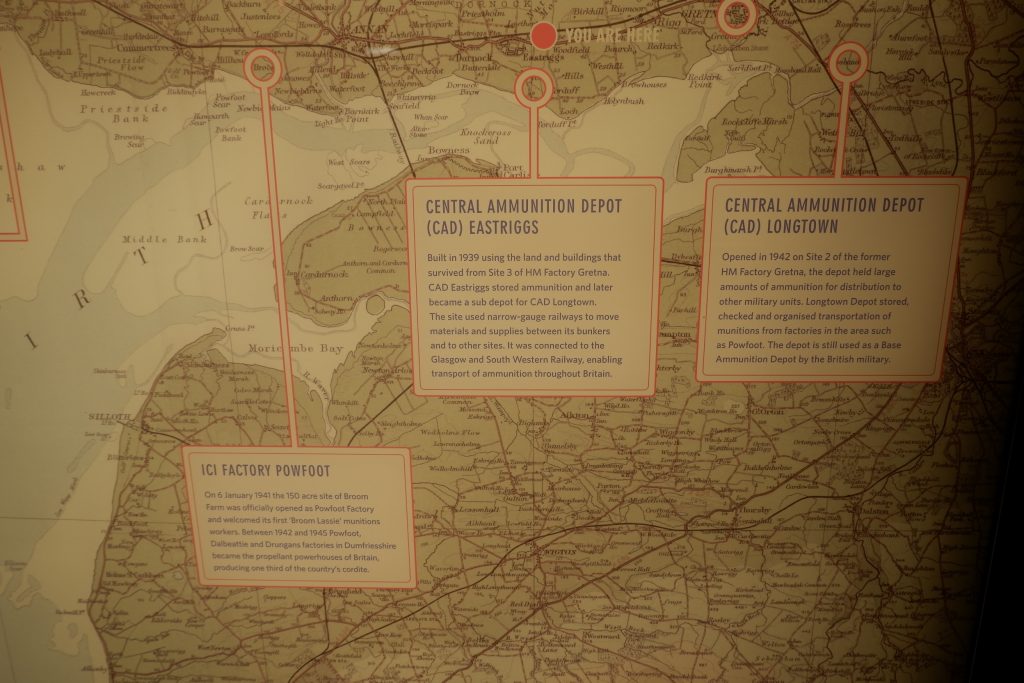
Rumours of a new munitions factory at Gretna had been circulating since 1937.  In a strategic move the government decided to spread the risk by building a number of smaller factories. Three months after the war was announced, His Majesty’s Inspector of Explosives gave the go ahead to build Powfoot Munitions Factory on the Solway Firth, just 8 miles (12km) away from where the Museum is now.


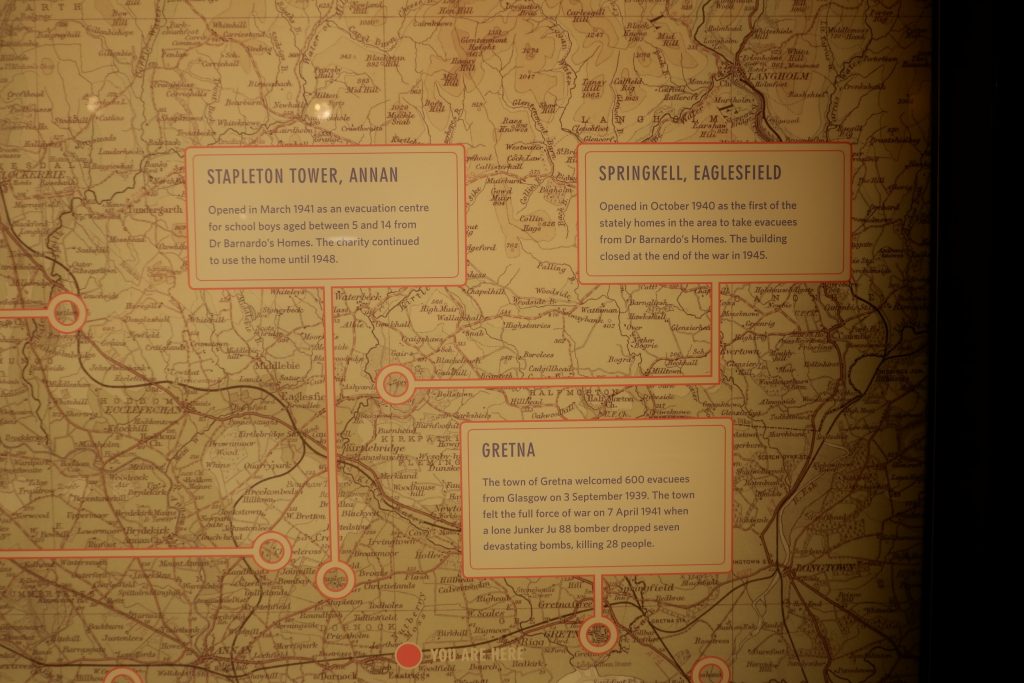
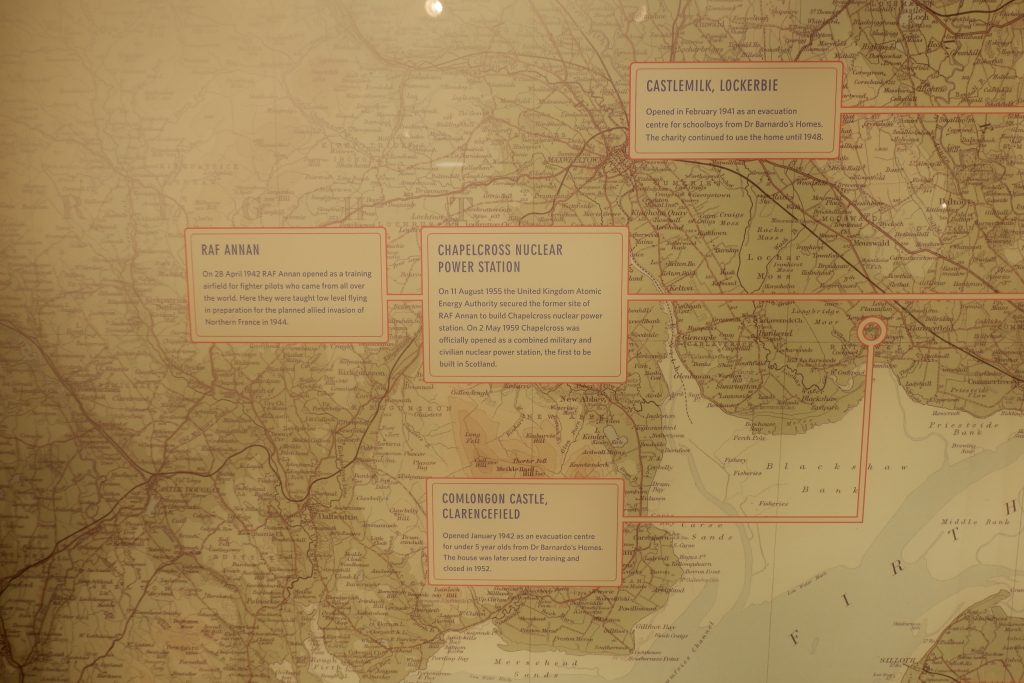
The map below shows some of the key points which were used during the Second World War in the local area such as RAF Annan, ICI Powfoot and many of the homes used for evacuation of children.

Kate Hume

Talk: The Strange Case of Kate Hume

By Archive

The Strange Case of Kate Hume

Tuesday 25th February at 7pm

£3 per person, payable on the door

No need to book
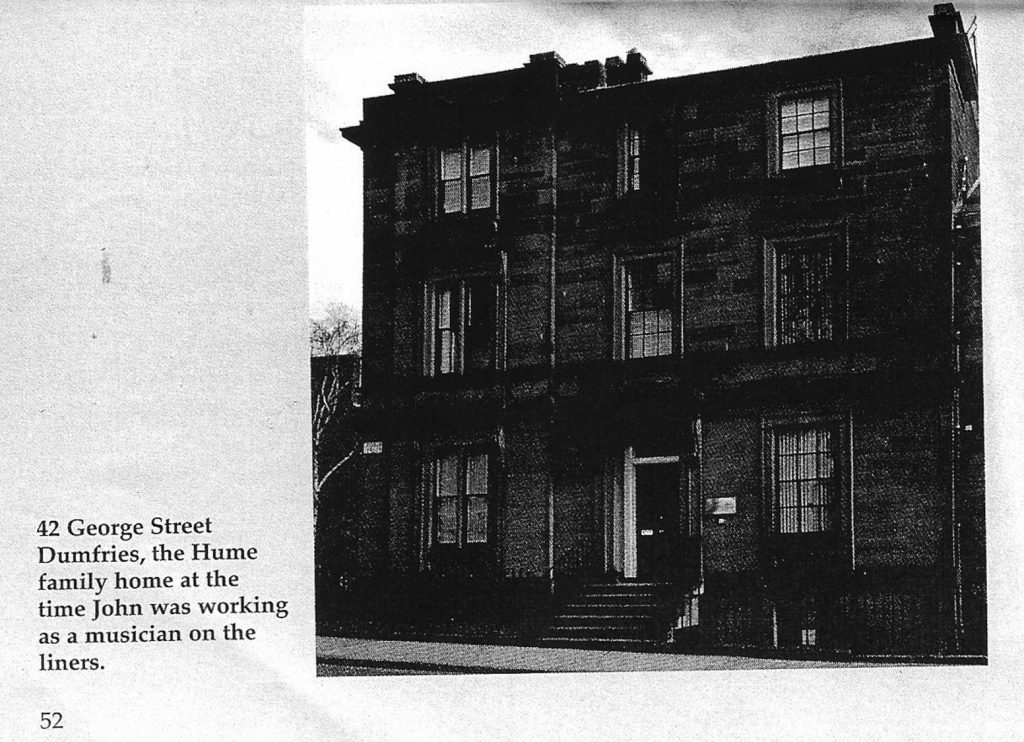
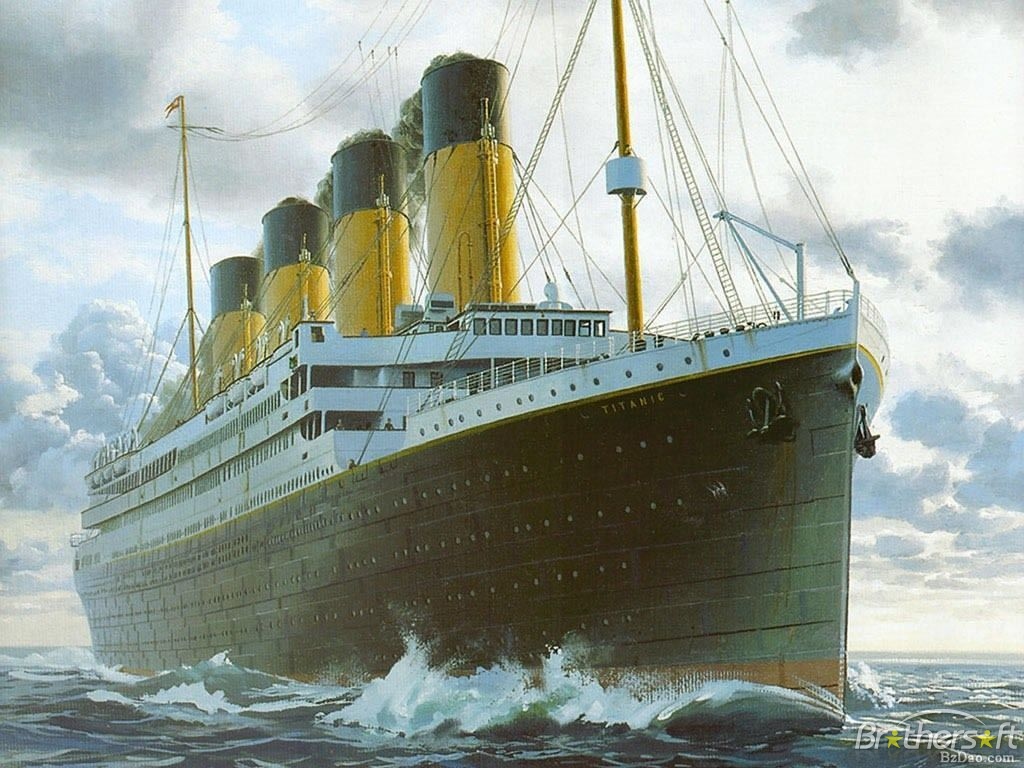
The family of Andrew Hume, a music teacher living in Dumfries, was it seemed beset by tragedy. After the loss of his son ‘Jock’, a bandsman on the Titanic, in 1912, it was reported in September 1914 that his elder daughter Grace, a nurse working for the Red Cross in Belgium, had been brutally murdered by the advancing German army.
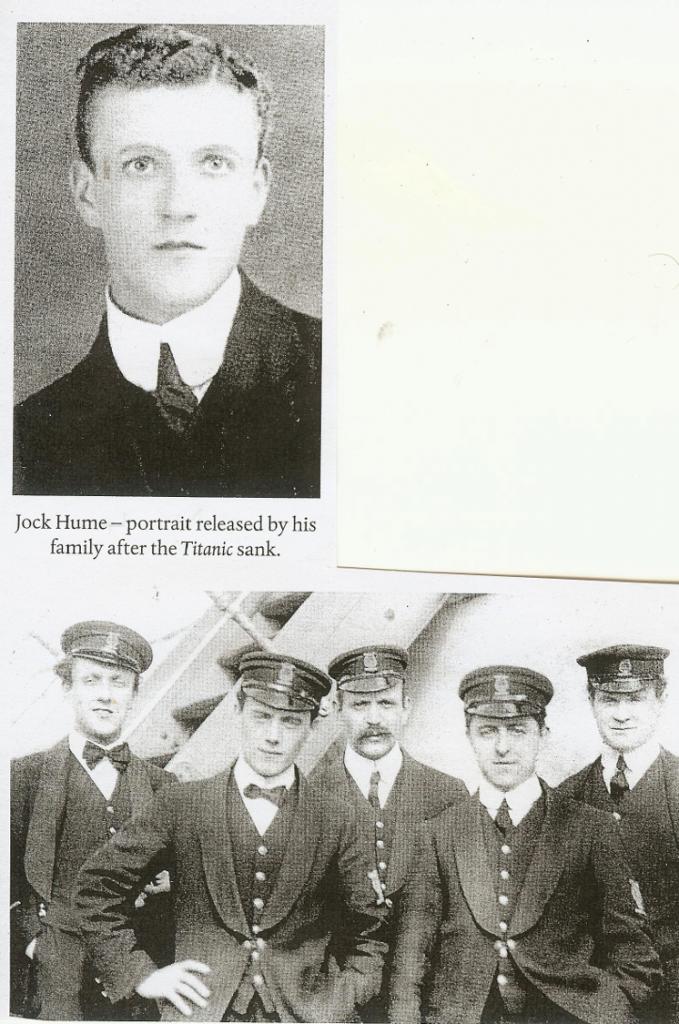


The Hume family’s troubles understandably achieved national prominence. But this was more than a personal disaster. It takes us to the heart of the wider issue of wartime ‘atrocities’ and their impact on the way the First World War was understood at the time and since.


This talk will present a fascinating glimpse into local life at the start of the Twentieth Century.  The talk will be presented by David Dutton who has taught for many years at the University of Liverpool and is now Ramsay Muir Emeritus Professor of Modern History there.  He has written or edited seventeen books and around a hundred chapters and journal articles on twentieth-century British political and diplomatic history.

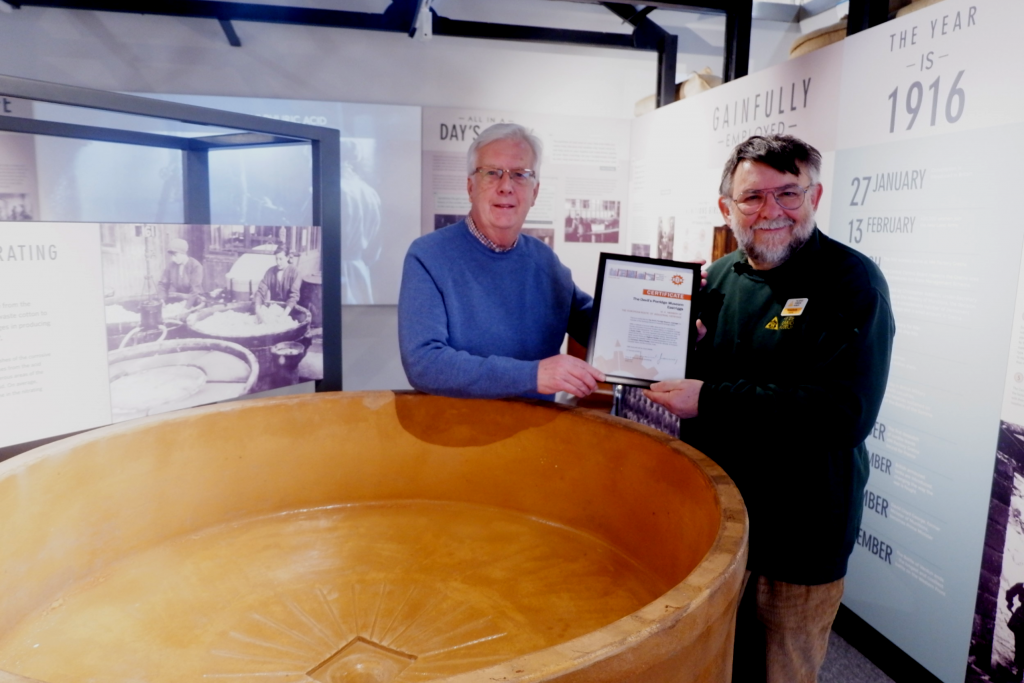
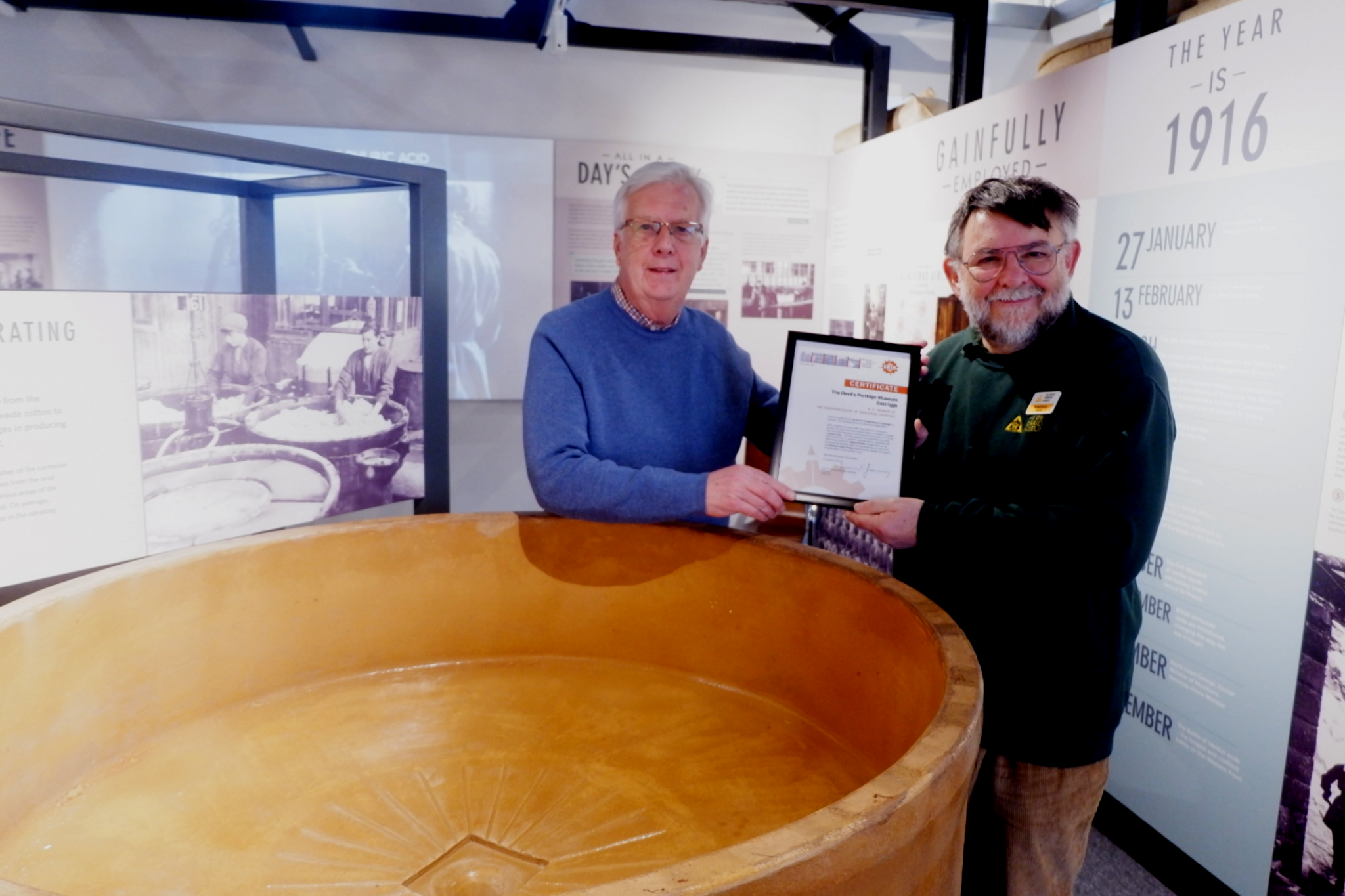
Jonathan from ERIH presents Museum Chairman Richard Brodie with a certificate of membership for display within the Museum.

Visitor from European Route of Industrial Heritage

By Archive

The Devil’s Porridge Museum was very pleased to join the prestigious European Route of Industrial Heritage (ERIH) at the end of 2019.  This weekend, we were visited by Jonathan, the British Representative of this organisation.  He thoroughly enjoyed his visit to the Museum and was most impressed by its quality and the originality of the history it recounts.

Jonathan from ERIH presents Museum Chairman Richard Brodie with a certificate of membership for display within the Museum.

Jonathan met with Judith, the Museum Manager and Richard, Museum Chairman to discuss opportunities for the Museum to get involved in ERIH projects and programmes and ways in which ERIH can help promote the Museum across Europe.  We hope to work with this organisation more in future.  For more details on ERIH (including a page on The Devil’s Porridge Museum), see: https://www.erih.net/

A map on display in The Devil's Porridge Museum.

New display within the Museum

By Archive

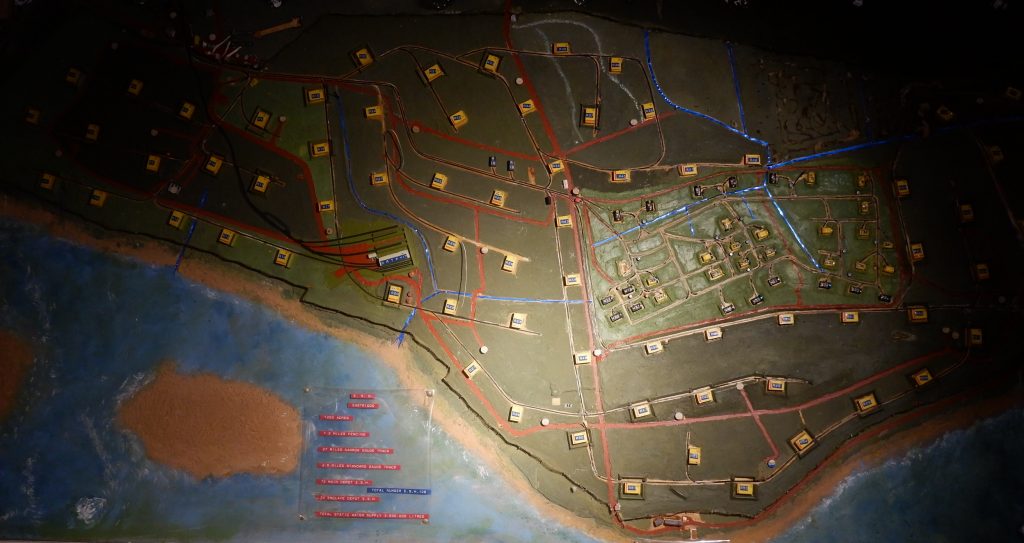
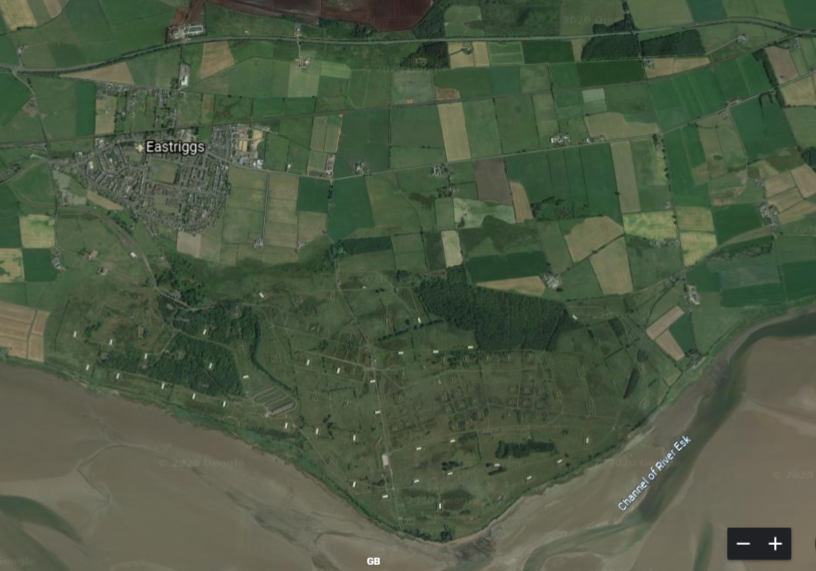
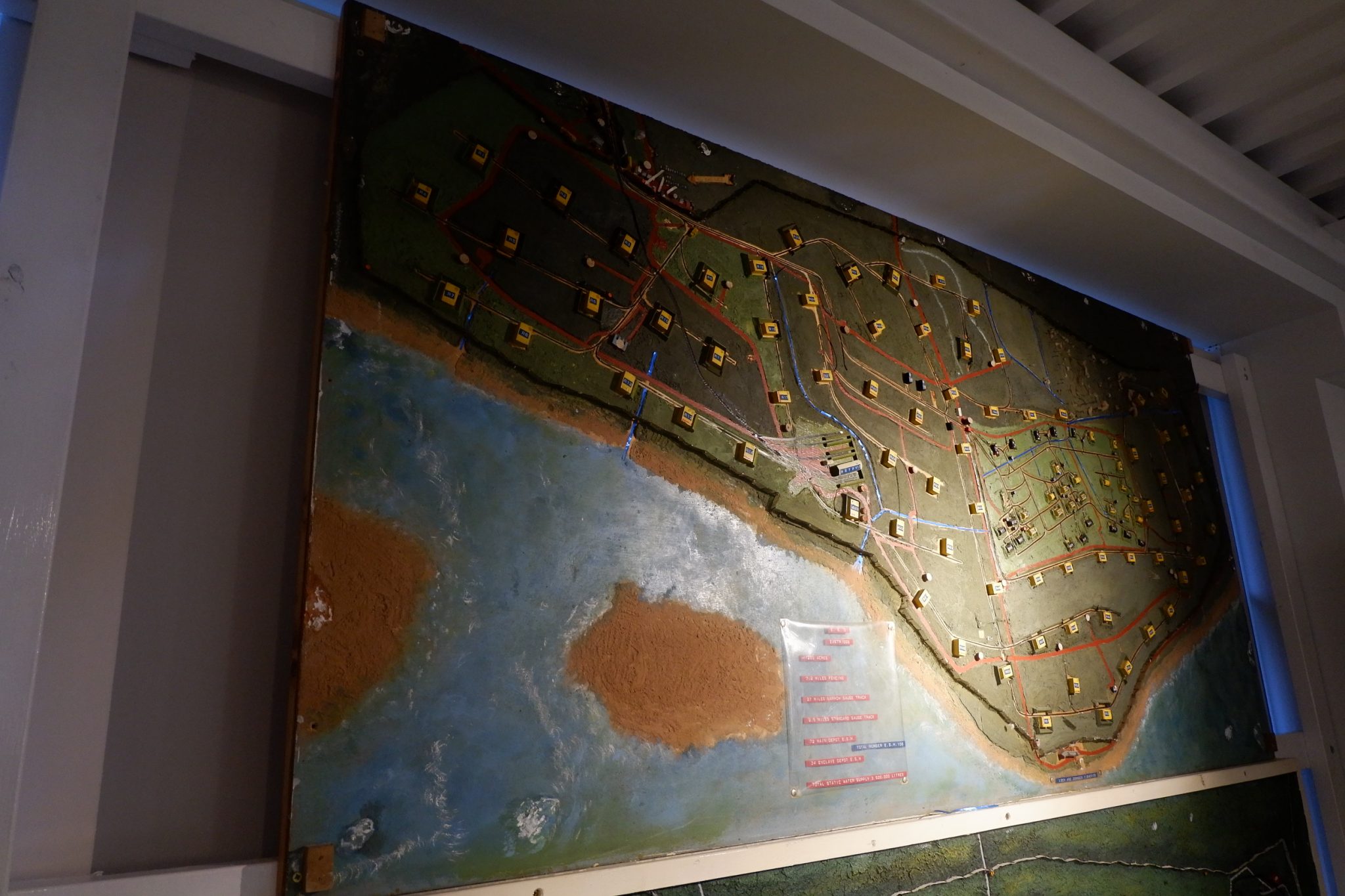
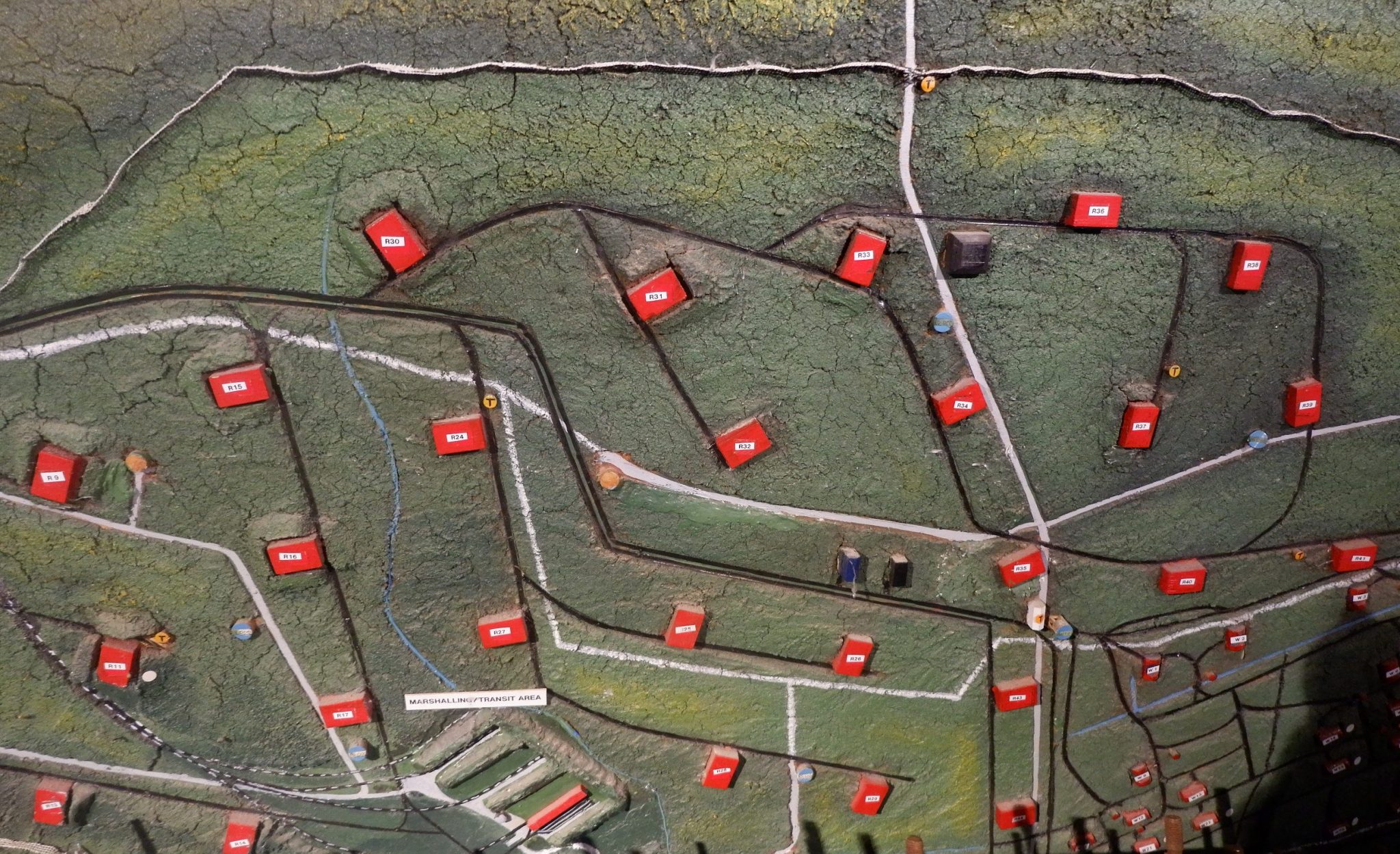
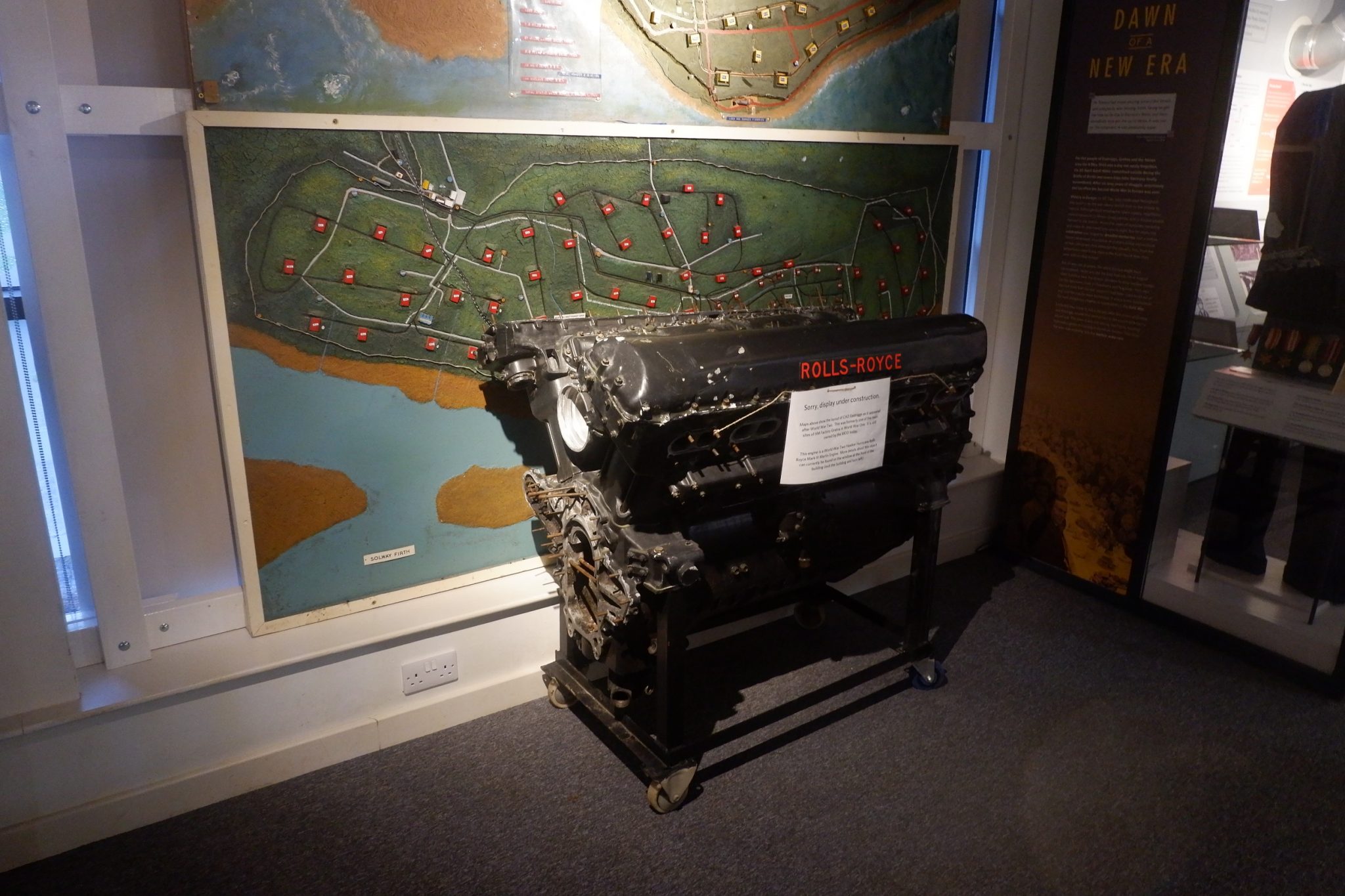
We have a new display within the Museum showing the Eastriggs depot after World War Two.  This site was originally HM Factory Gretna (the greatest munitions factory on earth in World War One).  After the War, most of the Factory plant was sold off but the land was retained by the MOD (who still own it today as ESD Eastriggs).

This aerial photograph, from Google Earth, shows Eastriggs (where the Museum is located) and the site of ESD Eastriggs on the Solway.

In World War Two, the site was used as a storage depot for weapons (we know some of the weapons from one of our local sites ended up in the USSR via the Arctic Convoys, for more detail see: https://www.devilsporridge.org.uk/world-war-two-ammunition-shipped-to-russia).  These two maps show the Eastriggs site after that period and will surely bring back memories for any who worked there or has memories of Eastriggs and area at that time.

ESD Eastriggs

Also on display in this area of the Museum is a Hawker Hurricane Rolls Royce Mark III Merlin Engine which dates from World War Two.

Thanks to Neil and Graham for creating this display (and getting the engine upstairs which was a challenge!) and to Calum for these photos and the temporary sign on the Engine (permanent interpretation panels will go on display soon).

If you are interested in World War Two in this area, this book is a must: https://www.devilsporridge.org.uk/product/the-solway-military-coast-book

If you are specifically interested in the depots of Eastriggs and Longtown in World War Two, this may interest you (this booklet is contained within The Solway Military Coast book as a chapter so no need to purchase both): https://www.devilsporridge.org.uk/product/the-ministry-of-defence-depots-longtown-and-eastriggs


Quintinshill Signal Box

Quintinshill Signal Box

By Archive

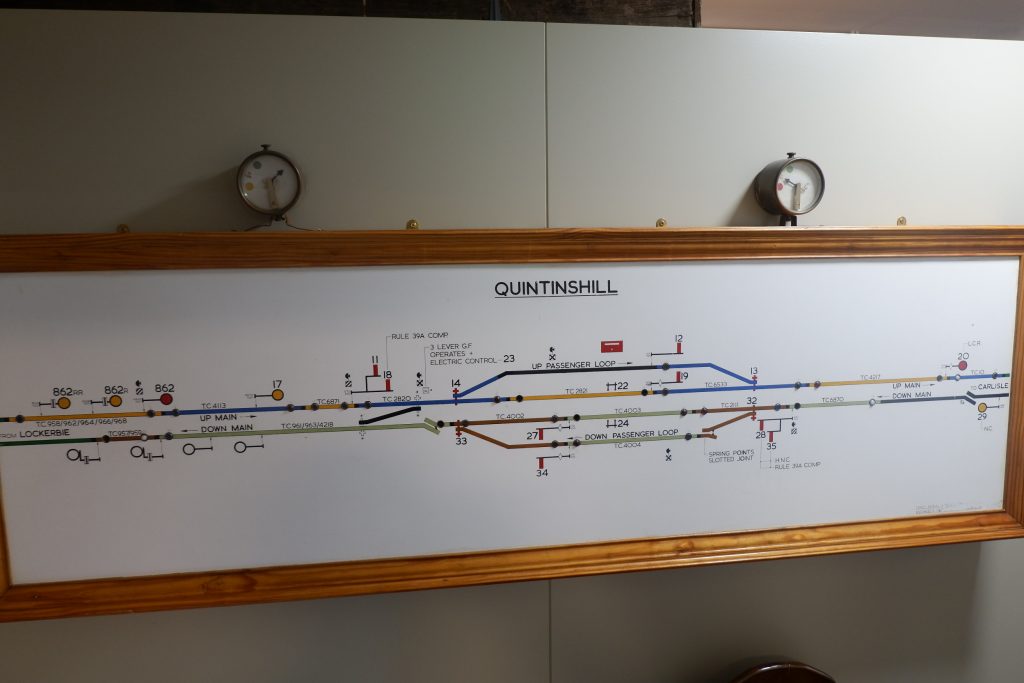
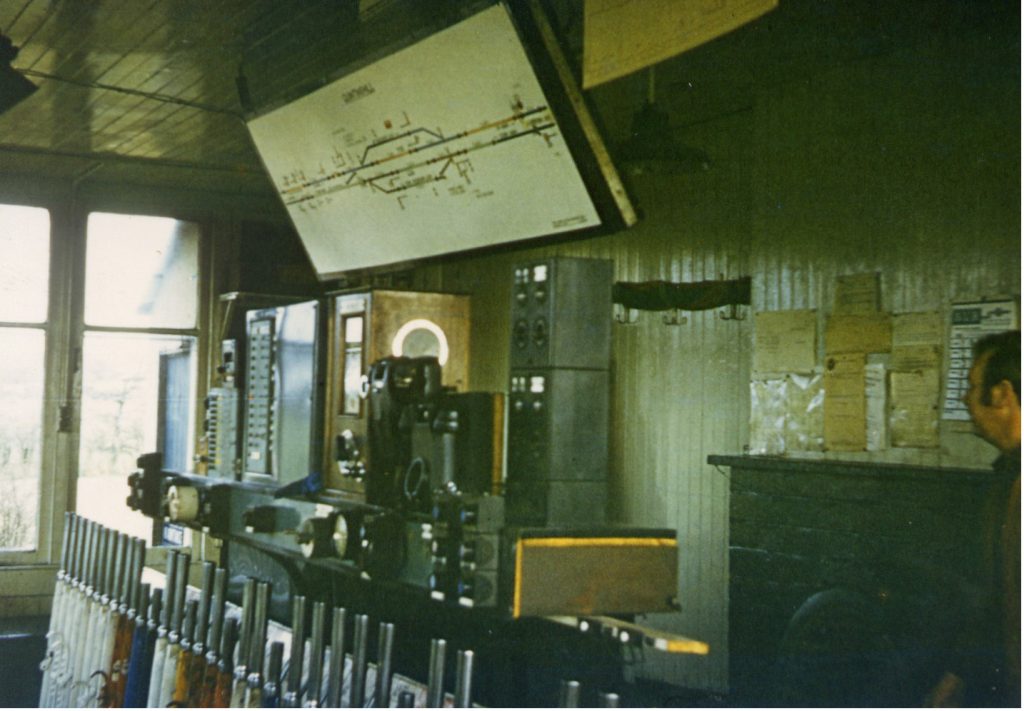
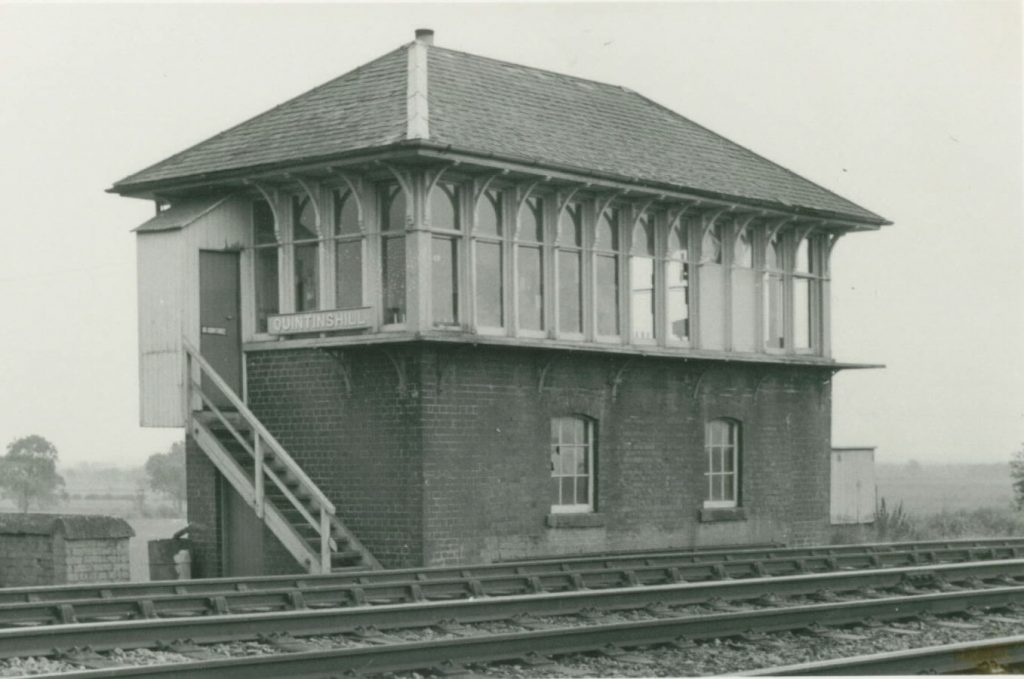
A new object was put on display at the Museum over the Christmas break, it is a Caledonian Railway Type CRS4 from Quintinshill signal box. It was on display there for many years and can be seen below.


The Signal box (below) was opened in 1903 and had 45 levers. This object became the last operational CRS4 type box working the West Coast mainline between Gretna and Glasgow. The signal box closed in 1973 and control went to the Carlisle Signalling Centre.


If you would like to know more information about Quintinshill see one of our previous articles here: https://www.devilsporridge.org.uk/ww1-bugle-from-quintinshill

Front cover of an events booklet from 2020.

Events at the Museum in 2020

By Archive

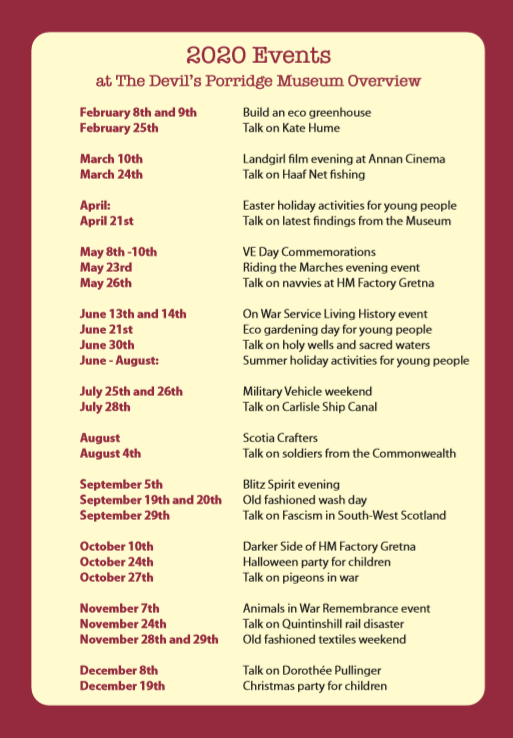
The Devils Porridge are holding many events each month at the Museum this year. If you would like to know more information about these events you can see an overview below (more information will be on our Facebook page):


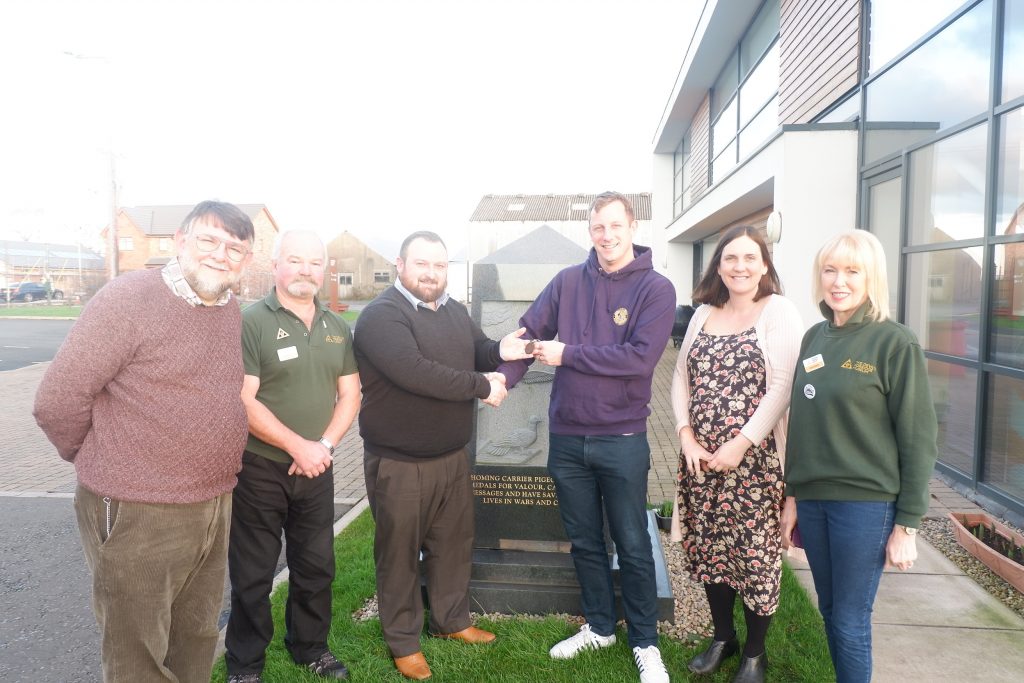
A group of people stood by the animals in war memorial outside The Devil's Porridge Museum.

Dickin Medal

By Archive

The Devils Porridge has a fantastic new item on loan – a Dickin Medal. The Dickin Medal was created by Maria Dickin, founder of the PDSA in 1943 to recognise the brave contributions made by Animals in War. It has been awarded just 71 times – 31 dogs, 32 World War Two messenger pigeons, three horses and one cat have been awarded. The medal is on loan from the Royal Pigeon Racing Association (the RPRA) and is one of only three medals they have loaned from their collection across the UK. The medal commemorates ‘Dutch Coast’ a pigeon who delivered an SOS from a ditched air crew in 1942. The pigeon covered 288 miles in 7.5 hours. The entire crew were rescued as a result of this action.

“The Museum has a memorial outside to commemorate Animals In War” said Judith Hewitt, Museum Manager, “and last year members of our Young Historians Club worked with the RPRA and the Carlisle Animals In War group to curate an exhibition about all the animals who also served. We are delighted to be able to bring this rare object to our region and to share it with our visitors. It will go on display within the next few weeks and will offer something different for everyone (especially animal lovers) to see.”

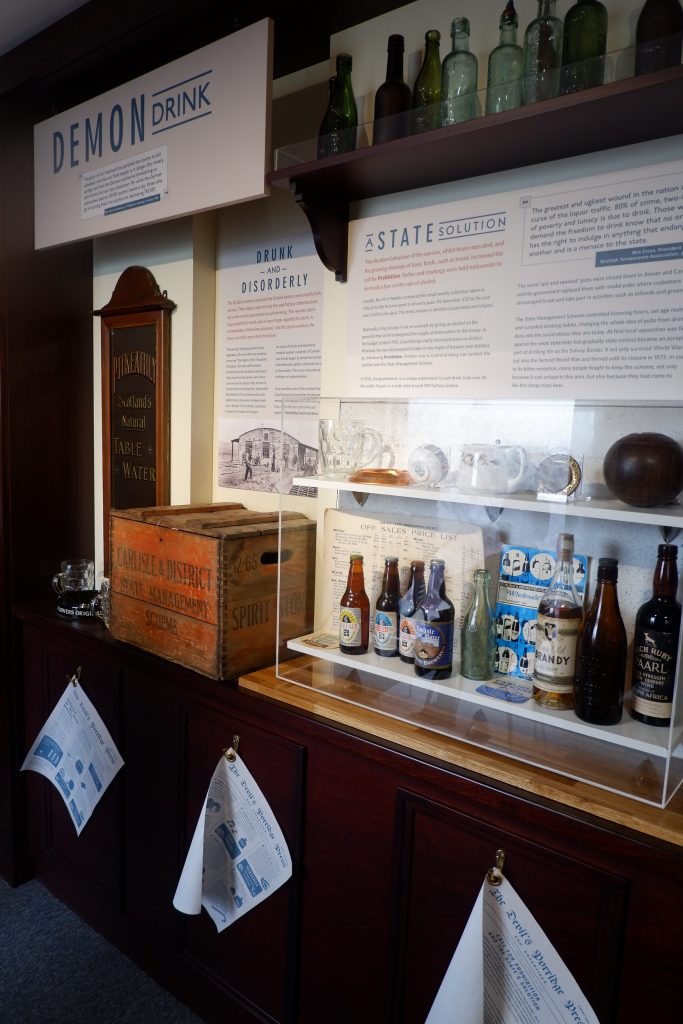
The State Management Display inside The Devil's Porridge Museum.

State Management Display

By Archive

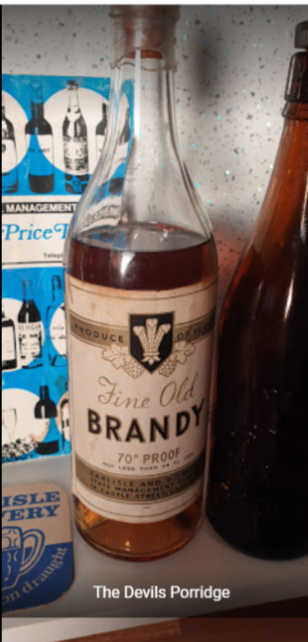
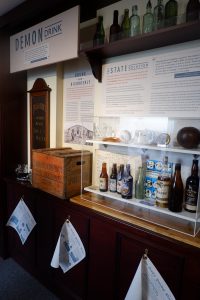
A recent visitor to the Museum took a photo during their visit of our State Management of alcohol display (specifically a bottle of Brandy which must date from the 1970’s at least!) here we share a little bit more about this unique social experiment in Cumbria and Dumfries and Galloway.

Ten thousand (mainly Irish) navvies built HM Factory Gretna, the greatest factory on earth in World War One. They worked in difficult conditions to build the factory in a hurry and within eight months, it was fully operational and producing the Devils Porridge (cordite, an explosive)

The arrival of these hard working and hard drinking men caused social problems. Alcohol was a particular issue. On one famous night, ‘The Night of a Thousand Whiskies’, a barkeeper in Carlisle lined up 1000 shots of whisky for the navvies to consume. They drank their drink and then roamed around the streets of Carlisle raising hell. The residents of Carlisle and Annan were adamant: something had to change.

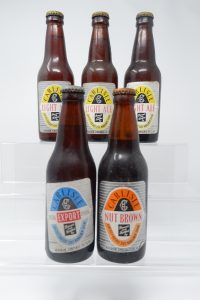
Some bottles of alcohol from the State Management Scheme

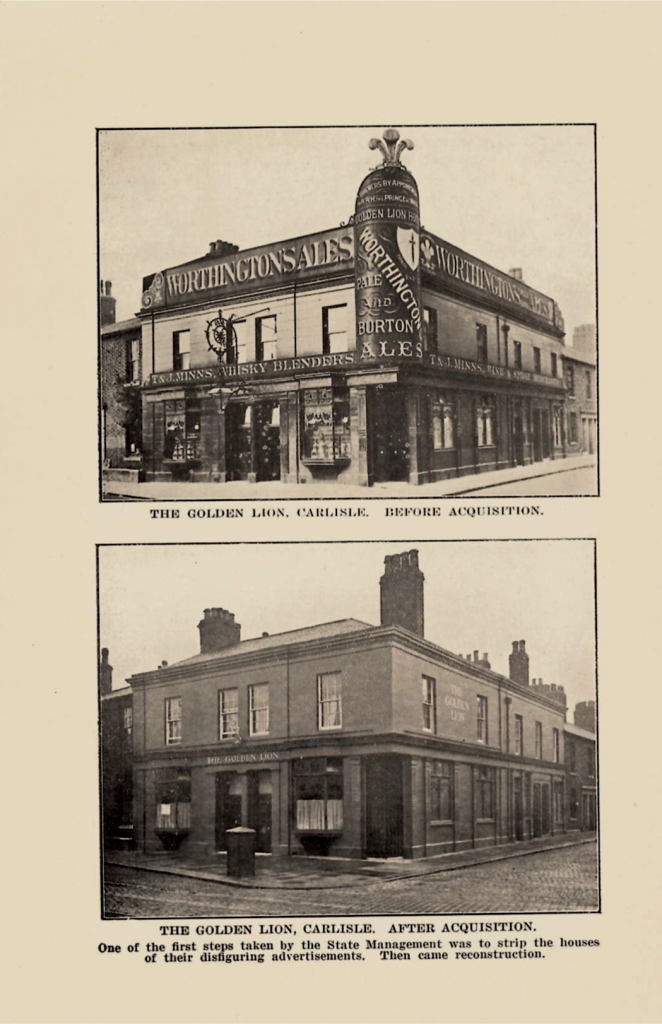
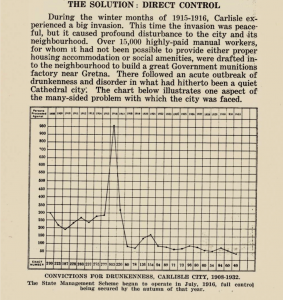
So the state took control of the alcohol supply: limiting people to buying one drink at a time, taking over the pubs, inns and taverns to make them more social with bowling greens and restaurants as well as producing their own alcohol (a weaker brew). This control of alcohol became known as the State Management Scheme or the Carlisle Experiment. It was introduced in World War One in response to a perceived immigrant disruption of social life but it remained long after the migrant navvies had left.

Statistics demonstrating the success of State Management

The State Management of Alcohol in parts of Cumbria and South West Scotland lasted until 1973. It is one of the most tangible impacts of HM Factory Gretna on this region. Many people from across the region were employed within state management.


The Devils Porridge Museum has a display relating to this experiment which showcases different bottles of wine, sherry and alcohol as well as showcasing beer pump stoppers, coasters and even dining sets (there were state managed hotels as well). A recent visitor donated to us a crate of State Managed beer. The bottles are full but I wouldn’t like to drink one! You often wonder what else is hiding out there in someone’s attic or garage and what part of the fascinating story of our region it helps to tell?

State Management Display in the Museum

Translate »
BOOK NOW