Category

Archive

The Devil's Porridge Museum's podcast logo with a cartoon munition worker and soldier.

New Online Podcast

By Archive

Welcome to the Devil’s Porridge Museum Podcast!


Over the last few weeks museum staff and volunteers have been working on an inter-generational  oral history project. This project is now available for you to enjoy in the form of the Devil’s Porridge Museum Podcast.


Through conversations and interviews, our volunteers and others from the local community will be sharing their personal stories and memories with the Devil’s Porridge Museum Podcast team.


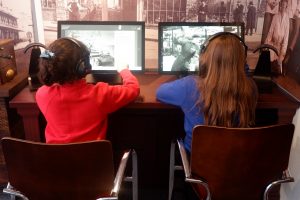
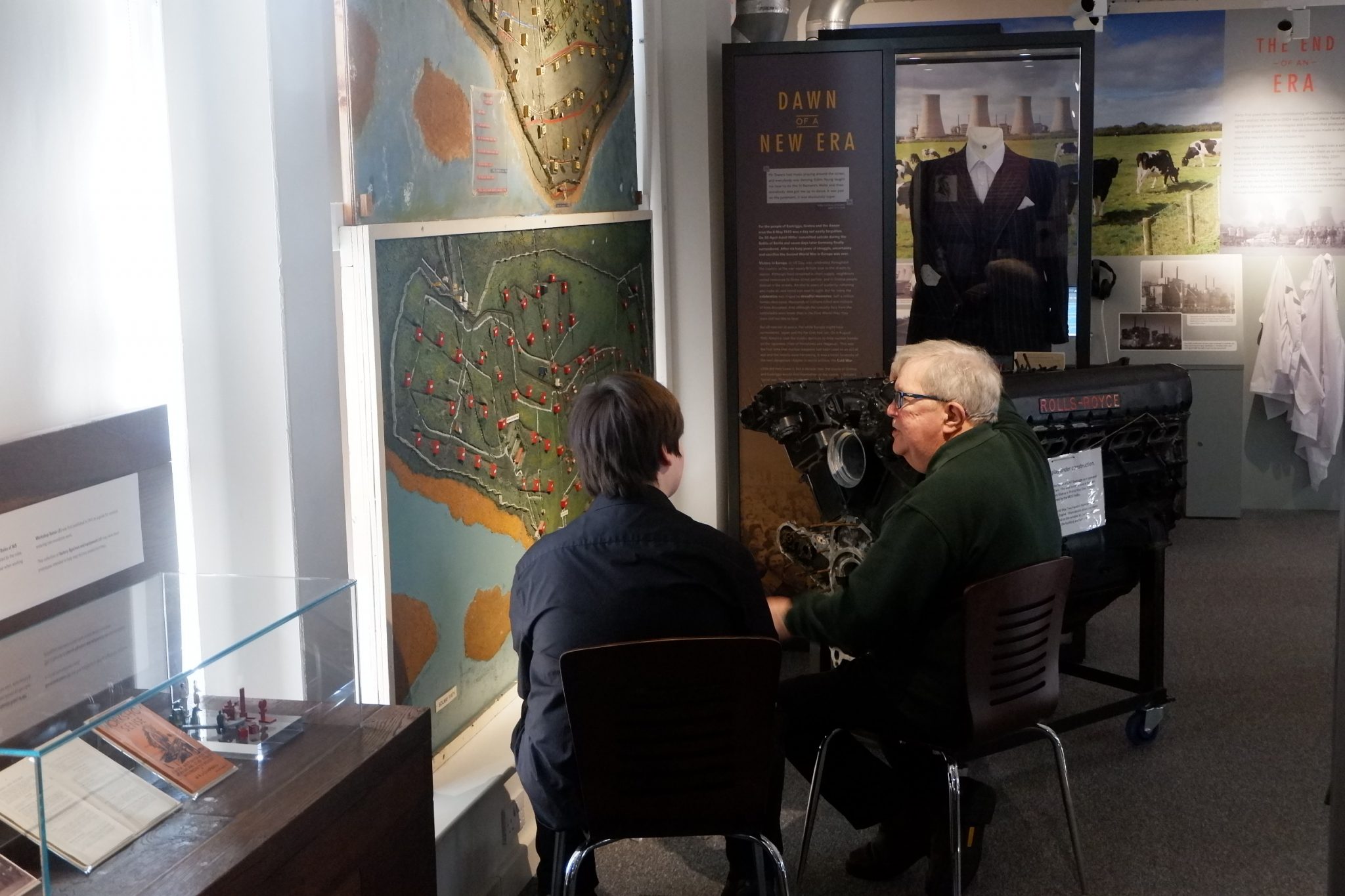
The first podcast features museum Chairman Richard Brodie, discussing the origins of the museum with some young visitors. More episodes will follow over the coming weeks, so please come back and listen to more instalment throughout the summer.


If you would like to get involved with the project to share your own stories and memories or if you would like to find out more about joining our production team please contact Steven@devilsporridge.org.uk


You can listen to the Podcast below:

If you would like to know more about the Museum, its collection and history, you might be interested in our Museum guidebook (just £2.50 from our online shop):

The Devil’s Porridge Museum Guidebook


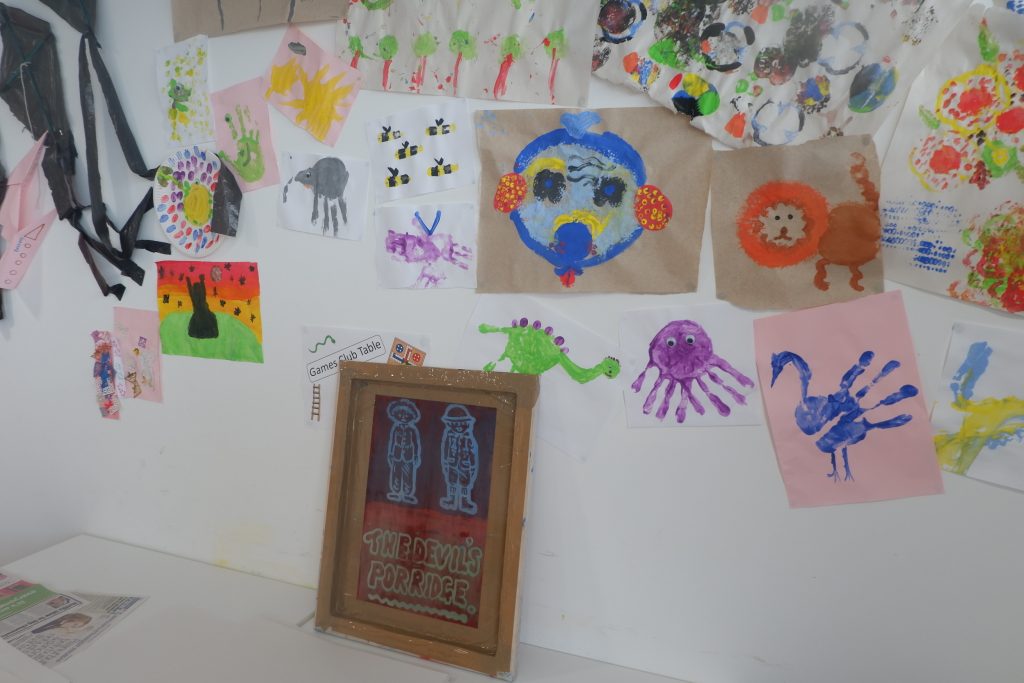
Some children's artwork on a wall in The Devil's Porridge Museum.

The Devils Porridge Online Events

By Archive

While the Museum is closed we have decided to run some of our Kids Clubs online, these clubs will be broadcast on Facebook live or just posted as a video on Facebook around the time tha. In addition to our online Book Bug sessions we are also going to be running other weekly online activities . On Tuesday afternoons we will be posting an Arts and Crafts video taking viewers through each step in different craft project each week, Wednesday morning at 9.30 our Facebook live book bug sessions will take place, on Thursday afternoons as part of our Young Historians Club a new history activity sheet will be made available on our website and through a link on our Facebook page and on Friday afternoon via our Facebook page we will either have colouring activities or a drawing workshop video.


Tuesdays – Posting an afternoon Arts and Crafts video taking viewers through each step in different crafts projects each week.

Wednesdays – Tune into our Facebook live Bookbug session at 9.30am


Thursdays – For our Young Historians club a new history activity sheet will be made available on our website and on Facebook.

Fridays – On our Facebook page will have either colouring activities or a drawing workshop video.

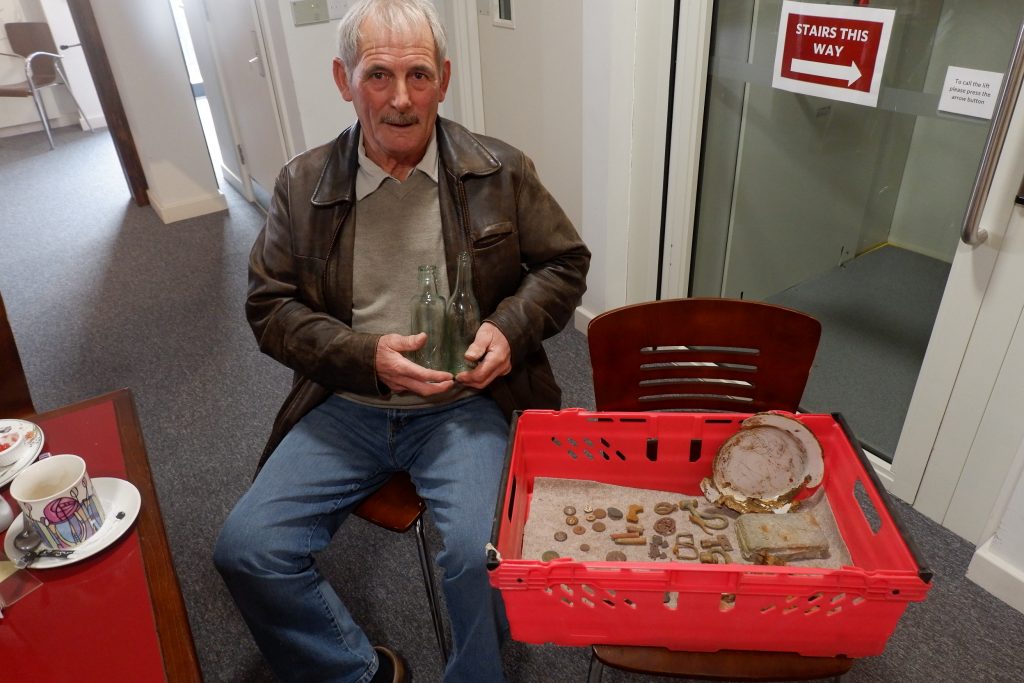
A man with his metal detector finds.

Finds from a metal detector

By Archive

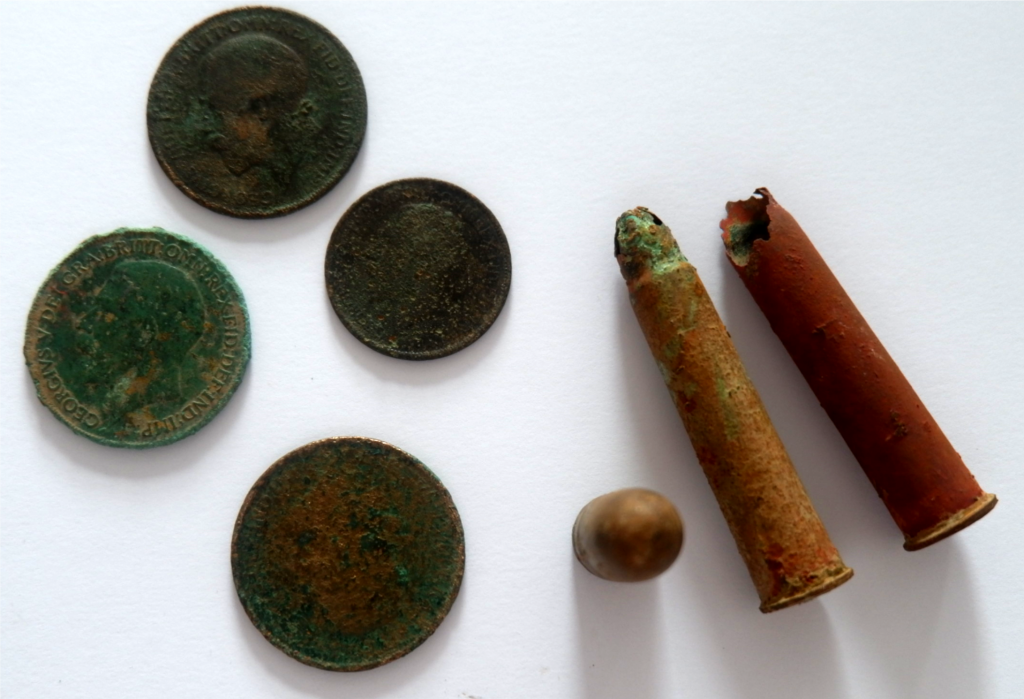
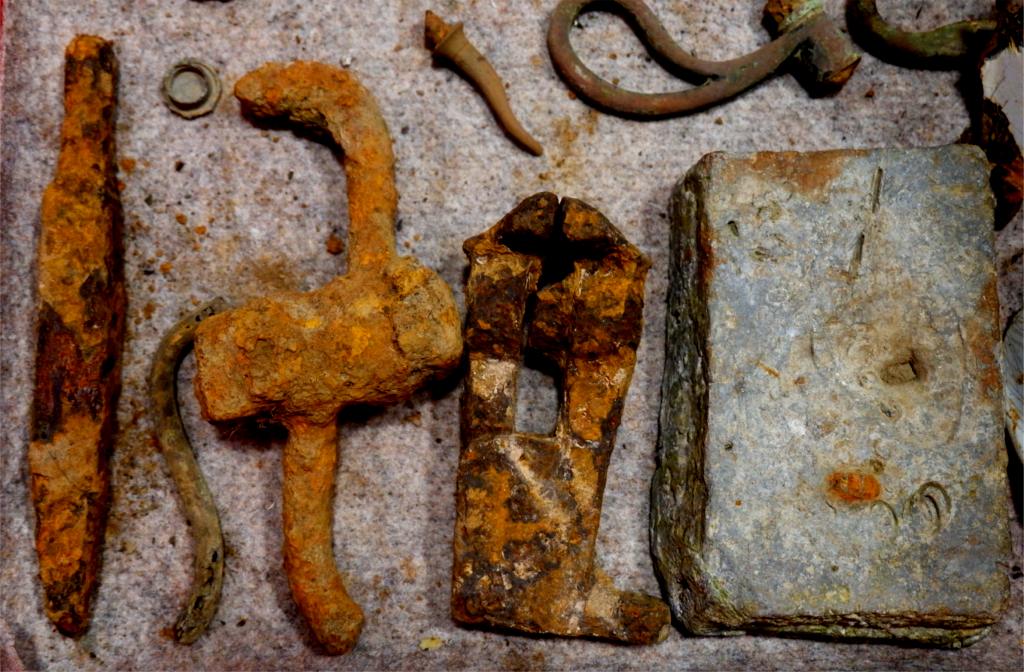
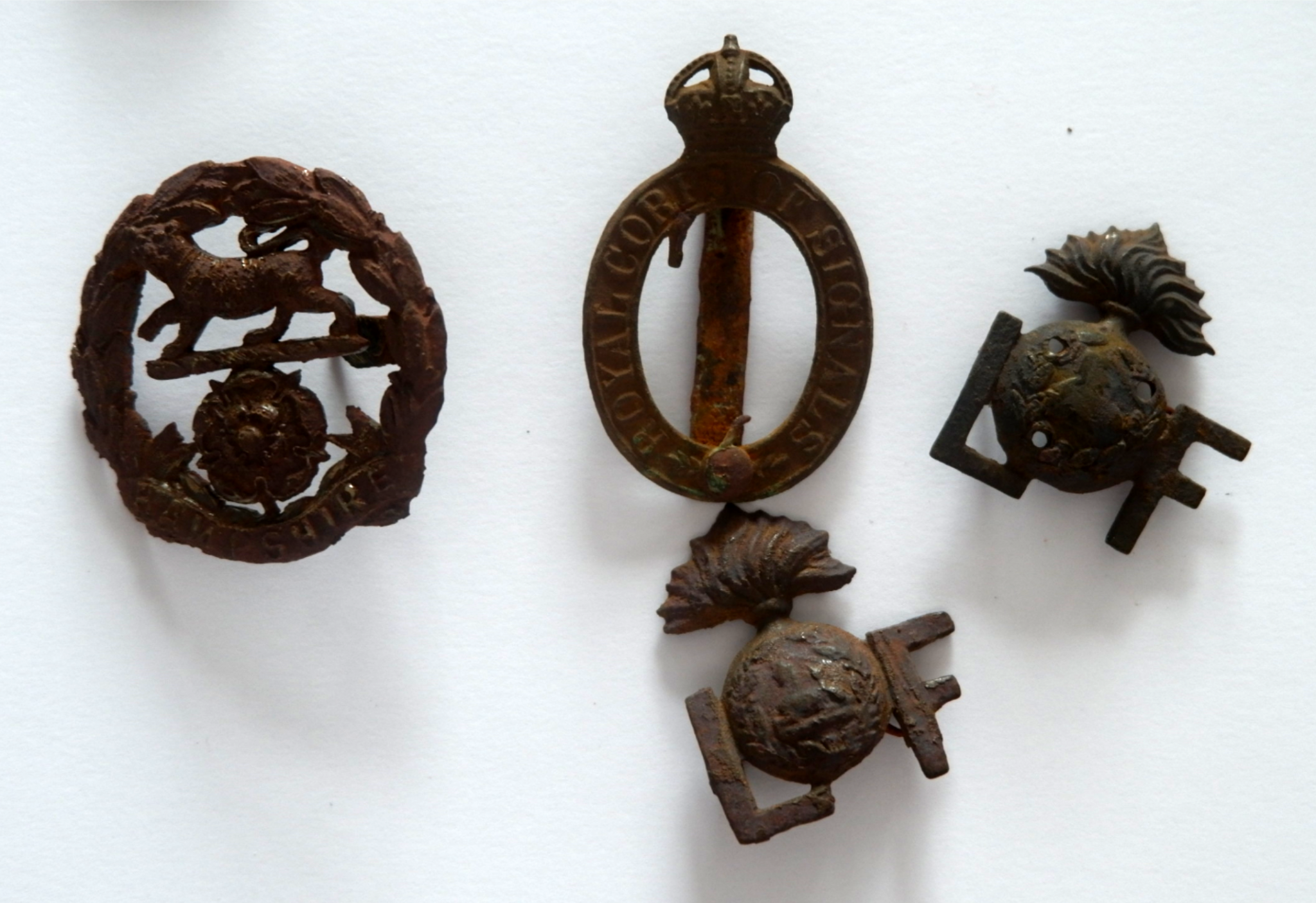
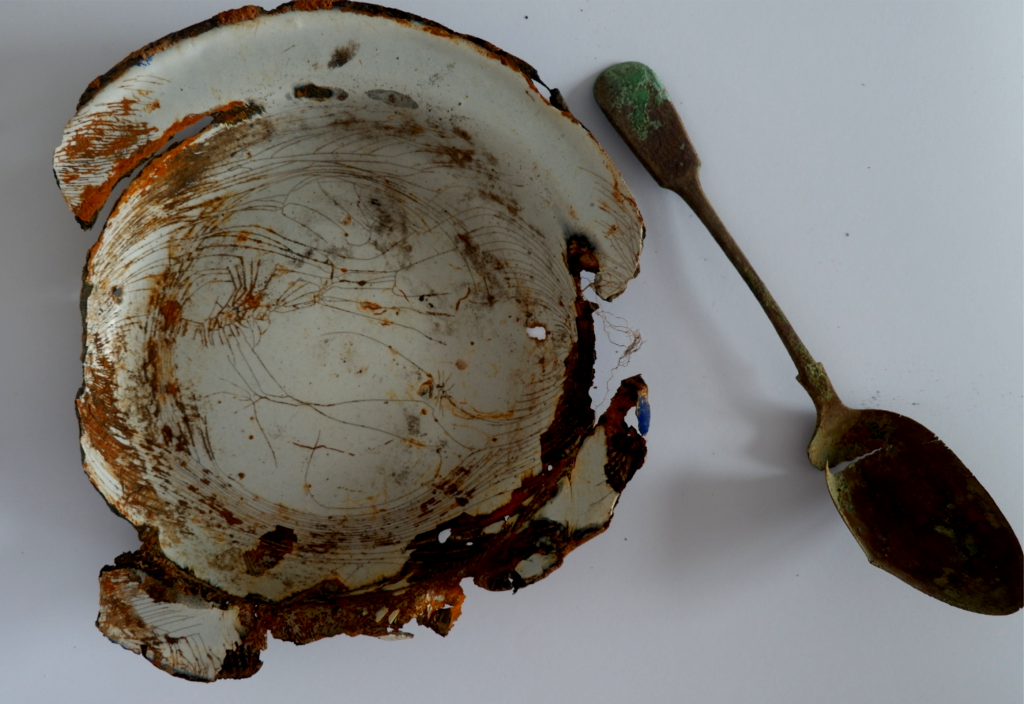
A gentleman recently visited the Museum.  He is an amateur metal detector.  He spent time recently (with the landowner’s permission) exploring a field in Cumbria, near Keswick where a Roman fort had been.   He didn’t discover any Roman material that he is aware of but he did discover several objects which seem to relate to World War One and we are very grateful to him for donating them to the Museum.

metal detector finds gfro

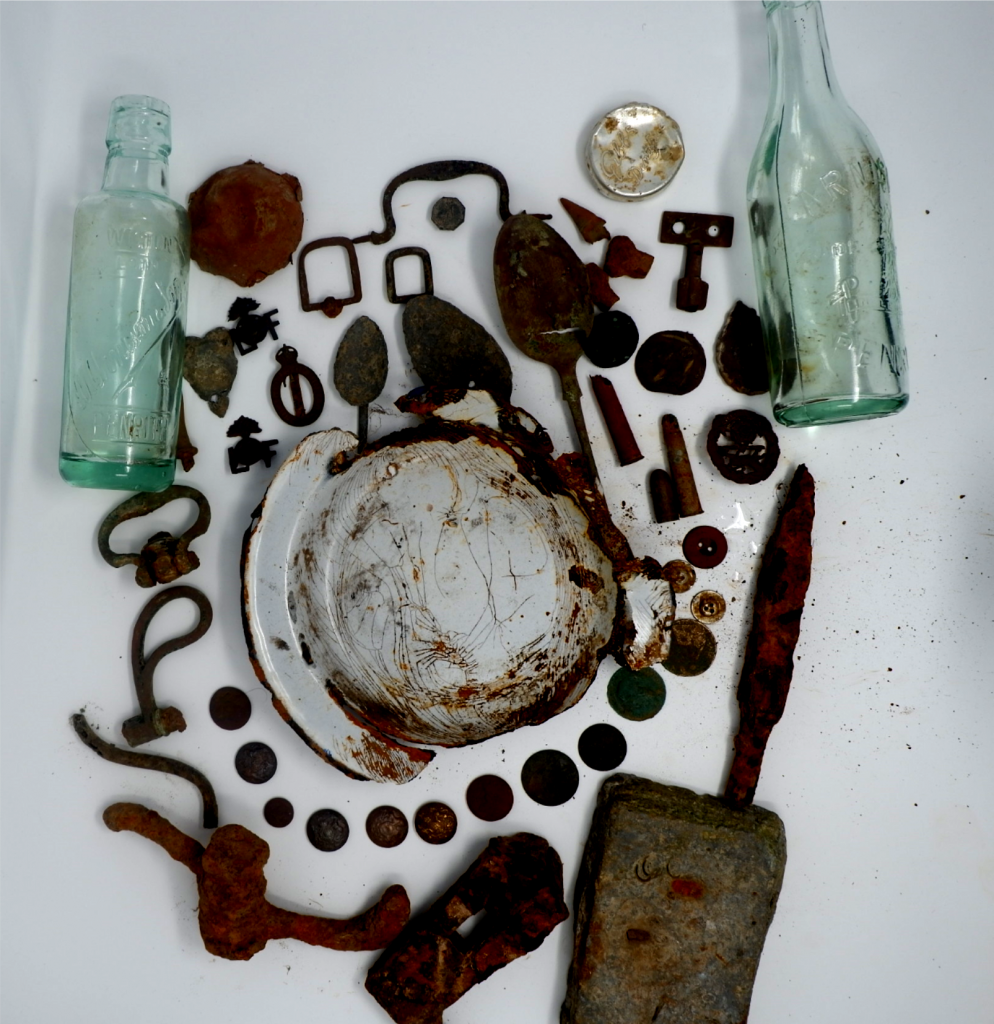
The whole collection of recently donated objects.  There were 53 items altogether.

More research is needed into the location of the finds to see how it may have been used in the early twentieth century (the donor speculated that it may have been an army training ground) but we thought you’d like to see this unusual collection of items, some seemingly agricultural, others seem to be military and others are a complete mystery (at the moment).

Bullets and coins.

Agricultural items and a mysterious solid lead block (on left).

Military badges.

A spoon and mess tin.

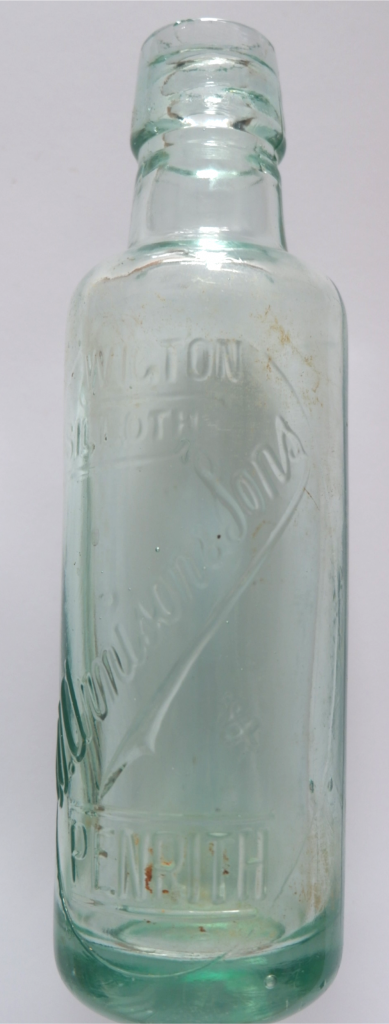
One of the two glass bottles found. One is from Penrith and the other says Wigton, Silloth and Penrith on it.

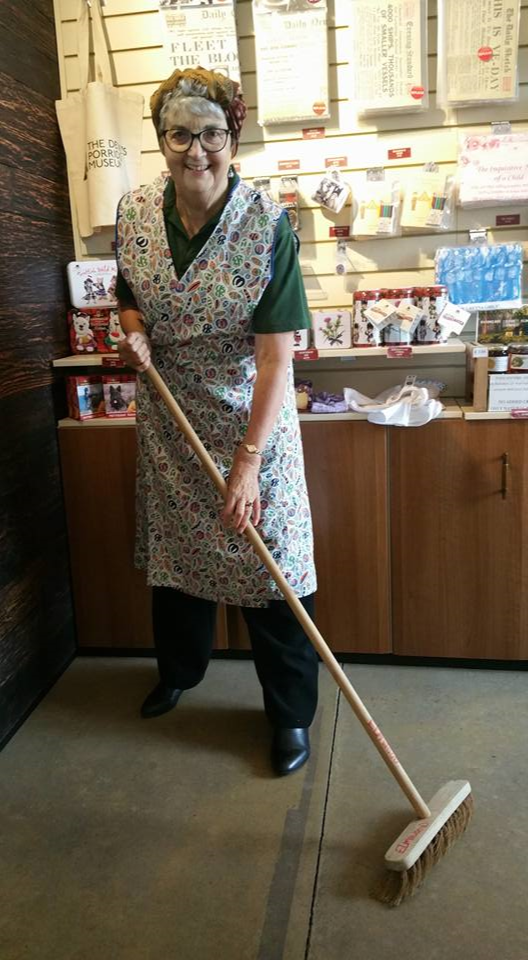
A smiling person dressed in a apron with a broom.

Photographs, tour and information about Eastriggs online

By Archive

Just over a year ago, Sheila Ruddick, who was the Museum’s Secretary and a Trustee for over twenty years, took a group of young people on a tour of Eastriggs.  She showed them all the sites she had researched over the years for her own interest, for the Museum and for the map she produced ‘Eastriggs: Commonwealth Walk Guide’ (which is available from the Museum online shop – see below).

The young people (and Judith, the Museum Manager) enjoyed their afternoon exploring Eastriggs and listening to all the things that Sheila had to say.  Sadly, it was not long after this that Sheila’s health declined and she passed away much to the sadness of all at the Museum.

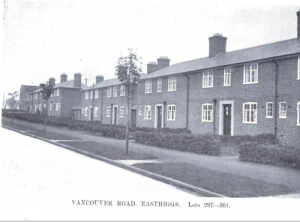
Vancouver Road as shown in an Auction Book from 1924 (when the Factory and townships were sold).

In case you aren’t aware, Eastriggs was built in World War One to house workers at HM Factory Gretna.  It originally had a cinema, dance hall, fire station and other amenities such as hostels for the workers.  The township was built along garden city principles and is named ‘The Commonwealth Village’ because its street names reflect the global nature of the workforce in the Factory (people came from India, Australia, South Africa etc. to contribute to the war effort here).

The young people involved have been working on and off on this map project for a year (there have been lots of interruptions due to study leave, people going to university etc.) but we have finally got an online version of the map in a condition to share with you.

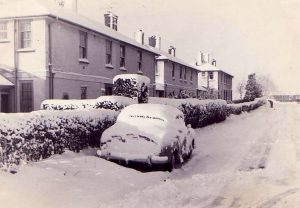
Snow on The Ridge. Date unknown.

You will find photographs and information online (155 posts in total) here:

https://www.historypin.org/en/eastriggs-the-town-that-world-war-one-built-2/geo/54.985551,-3.169917,11/bounds/54.828984,-3.34302,55.14151,-2.996814/paging/1/pin/1128318

On some photos, you can compare the historic images with the current google street view image.   The photos date from different decades and there is information relating to who lived in some of the houses too.

The Green, Eastriggs, still recognisable today, it was originally built in World War One to include shops, a bank, cinema and dairy.

This project is by no means complete – we find out more every day and we will continue to add it to this website.  Members of the public can also share their own photographs and information to create a hub of Eastriggs history.

This map is not quite perfect but please do bear in mind that it was made completely for free by our young volunteers.  The important thing is that we are making as much information available to the public as possible – hope you enjoy having a look through it!

You can buy a paper copy of Sheila’s map here:

Eastriggs Commonwealth Walk Guide

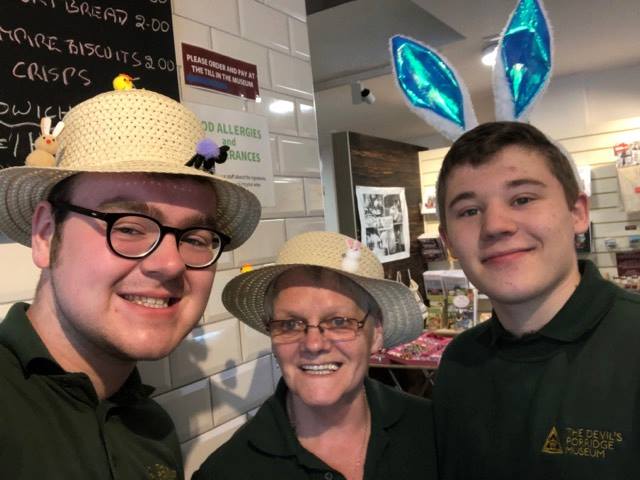
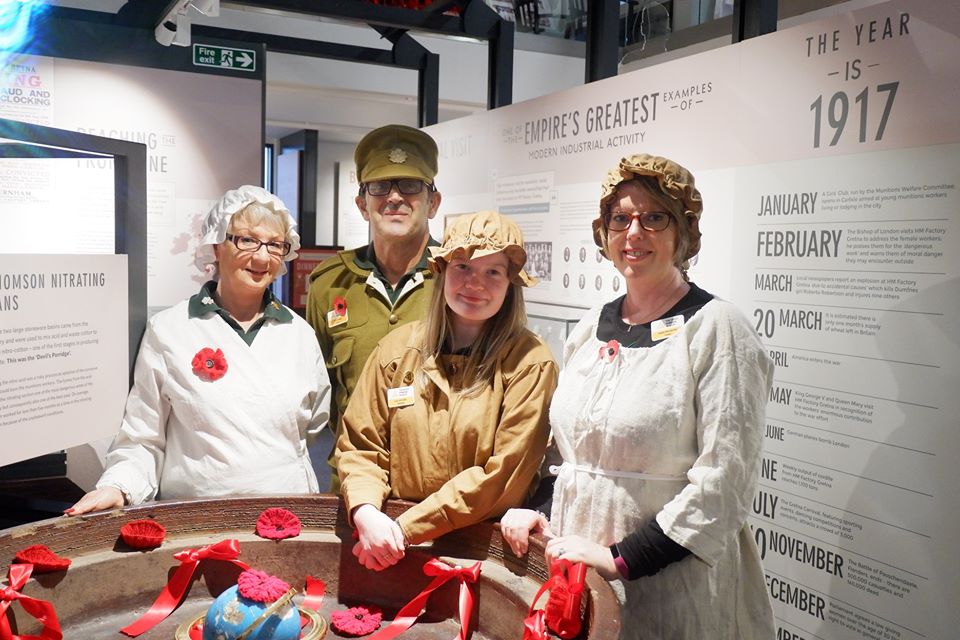
Some of the museum's team with Easter hats on.

Easter on the Ration

By Archive

Everyone is familiar with the Easter tradition of chocolate eggs but what happens when chocolate and other sweet treats are rationed?


During World War Two, in an attempt to reduce the strain placed upon the merchant fleet and other vessels supplying Britain with food from around the world, rationing was introduced effecting all aspects of life in Britain. Cloths were rationed as was petrol, wood and other raw materials and fuel required for the war effort were also short in supply and subject to rationing, all of which came into force January 8th, 1940 just a few months after the outbreak of war.


However, food is probably the first thing people think of when rationing is mentioned, and all sorts of both essential and non-essential items were added to the ration list. Some food items were not rationed such as potatoes and carrots. Other fruit and vegetables that could be grown in Britain were also not subject to rationing although they did become scarce and harder to find in the shops.


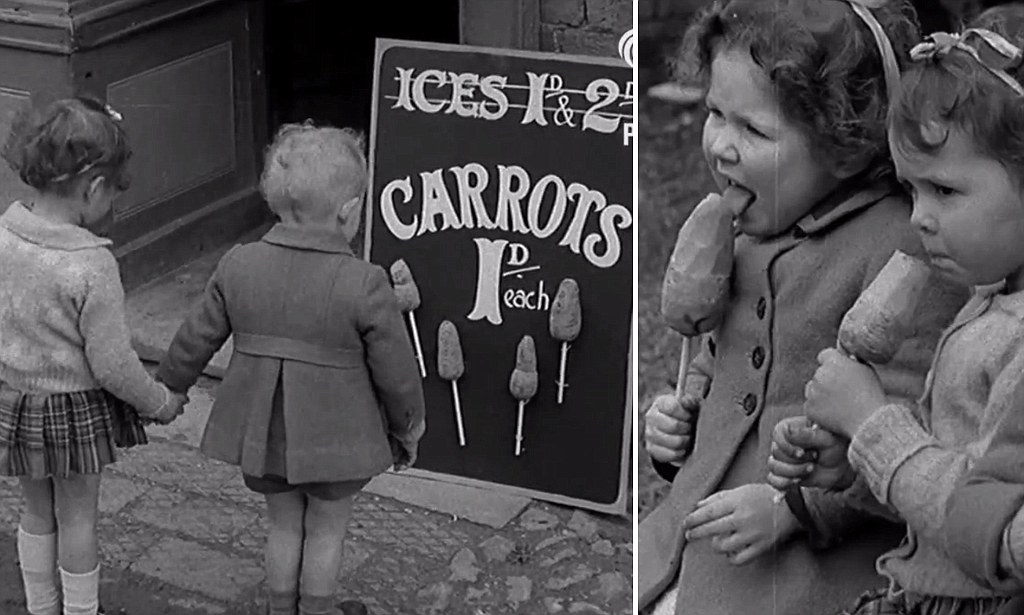
But what about sweets and chocolate eggs for Easter? The rationing of sweets and chocolate began in July 1942. Even before chocolate rationing came into force Cadbury’s had ceased production of their ‘Dairy Milk’ as the government had banned the use of fresh milk in manufacturing in 1941, instead they produced ‘Ration Chocolate’ which was a poor substitute and definitely did not come in the form of an Easter egg! Shops sold carrot lollies and other vegetables on a stick as a replacement Easter treat.


The stringent rules of rationing began to be loosened in 1948 but it was not until 1953 that the rationing of sweets and chocolate was finally over. As well as sweets and chocolate: eggs, cream, butter, cheese, margarine and cooking fats were all taken off the rationed list almost a decade after the end of World War Two.


To celebrate the end of rationing one sweet shop in Clapham common gave 800 children 150lbs of lollipops during their midday break from school; and another London factory opened its doors to hand out free sweets to all comers. It was not just school children that delighted in the end of the restrictions, many adults queued on their lunch breaks to be able to get boiled sweets and boxes of chocolates to take home.

Romany Society Certificate

Romany Society Certificate

By Archive

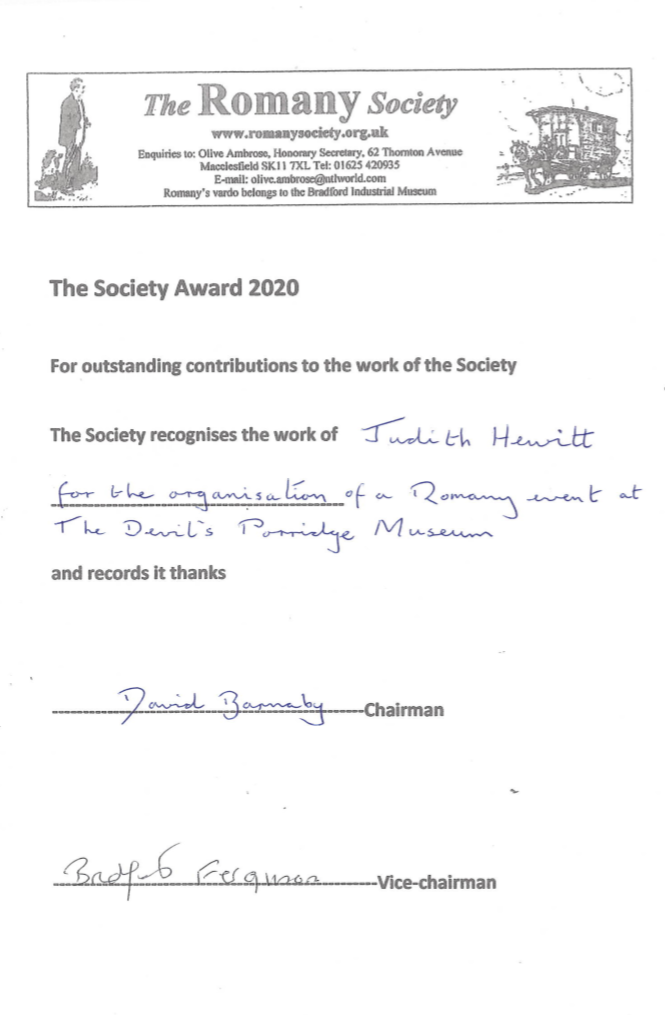
Judith Hewitt, the Museum Manager, was given an award by the Romany Society to thank her for organising a talk on Romany on the BBC (G Branwell Evans) at the Museum in 2019. The talk was by David Barnaby who has written about Romany quite widely and donated his archive of Romany research to the Museum. Before finding fame as ‘Romany of the BBC’, G Branwell Evans was a Methodist Minister in Carlisle. He had strong views on the State Management of alcohol scheme (which he published about) and also set up a mission for the workers at HM Factory Gretna with his wife Eunice. They were amongst the people who met the King and Queen during their state visit to the Factory in 1917. Thanks to the Romany Society for recognising the Museum’s work in celebrating anyone connected with HM Factory Gretna in World War One.


We have a book about him available from our online shop: https://www.devilsporridge.org.uk/product/reading-romany

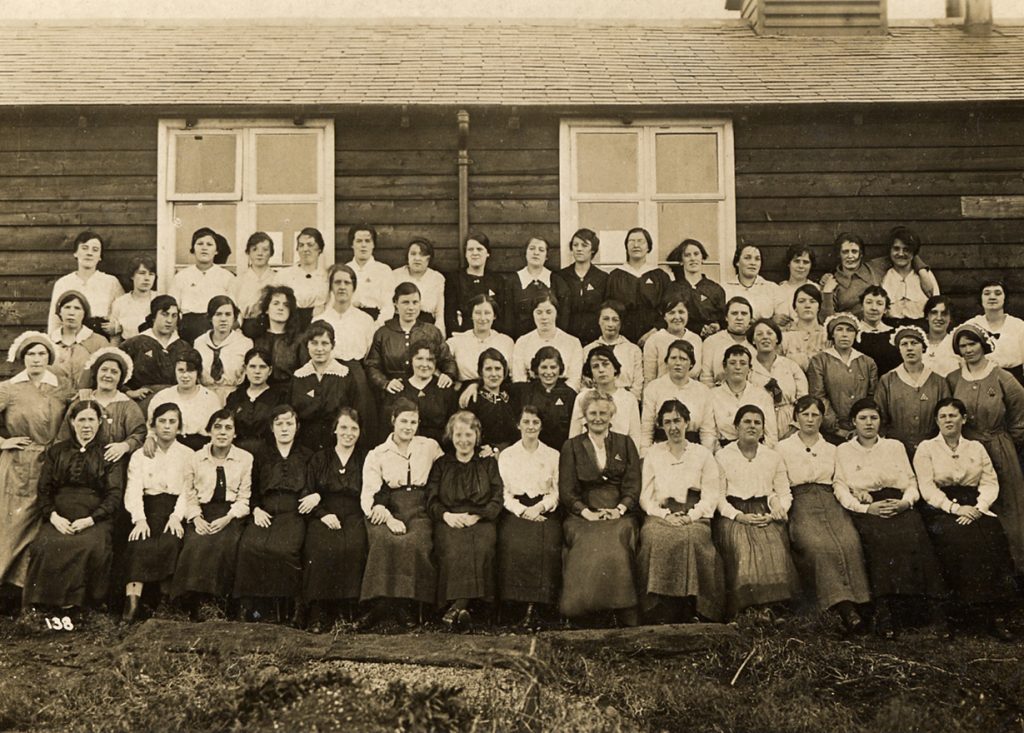
Group of Gretna Girls.

Munition Workers Poems Part 2

By Archive

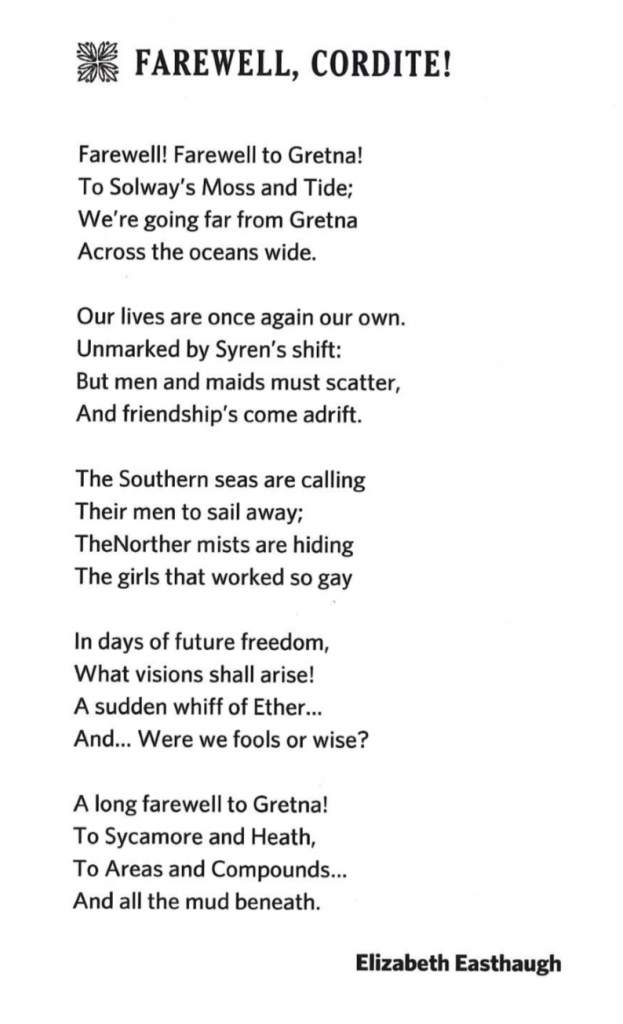
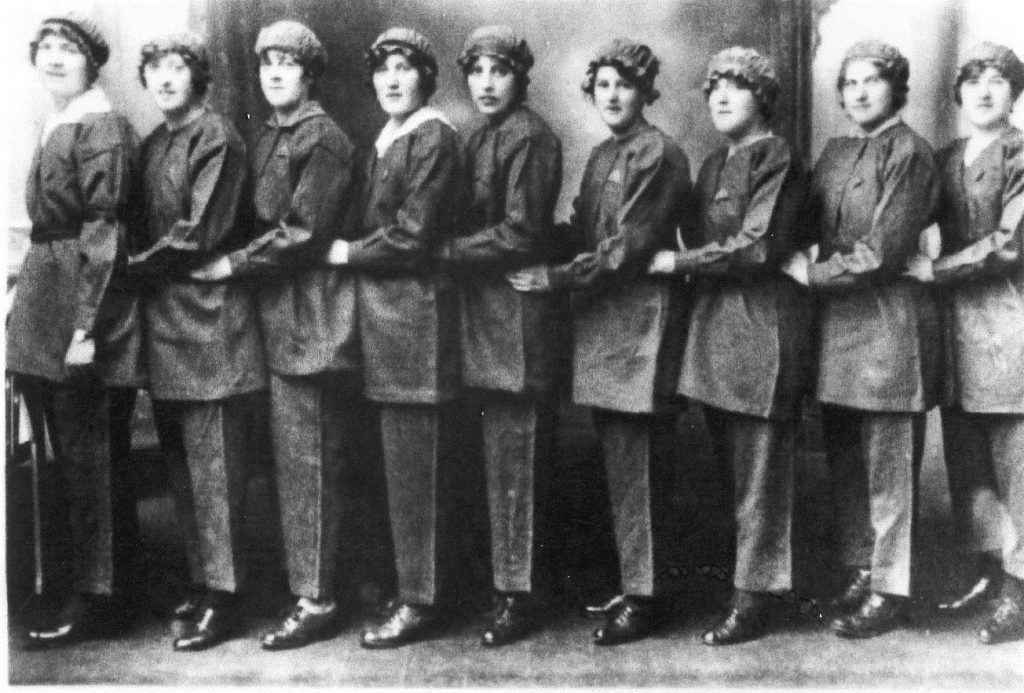
This is another of the poems from the book which we have in the Museum’s shop. We are posting poems from this book written by women for Women’s History Month this month. This one was written by Elizabeth Easthaugh about the munitions factory in Gretna and is called “Farewell, Cordite!”.


You can see the poem below:


If you would like to purchase the full book you can see it here:

Munition Workers’ Poems

A storage area full of boxes.

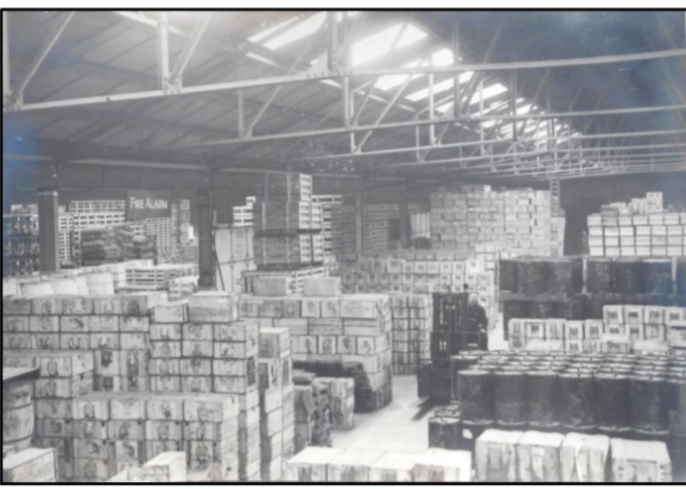
New display featuring objects from Eastriggs and Longtown munitions depots

By Archive

This article was written by Alastair Ritchie, who is one of our young volunteers.  He recently completed The Prince’s Trust Award while volunteering in the Museum.

Ammunition Line Display 

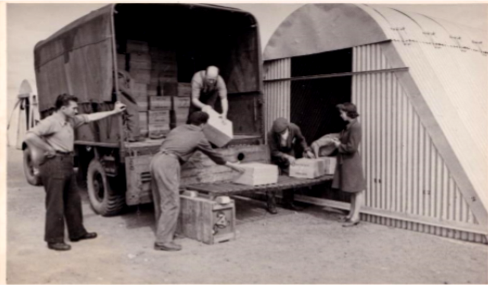
A while ago the museum was kindly donated 2 rollers and 4 trestles which we believe were used at the Eastriggs or Longtown depot. Since then we have sought to find a place for them, which we have now found (thanks to Neil McGarva for this suggestion). The items have been arranged in a way which will help to demonstrate their use, under the stairs in front of the window so it will be something for people to see when coming in from the car park or walking round the building.
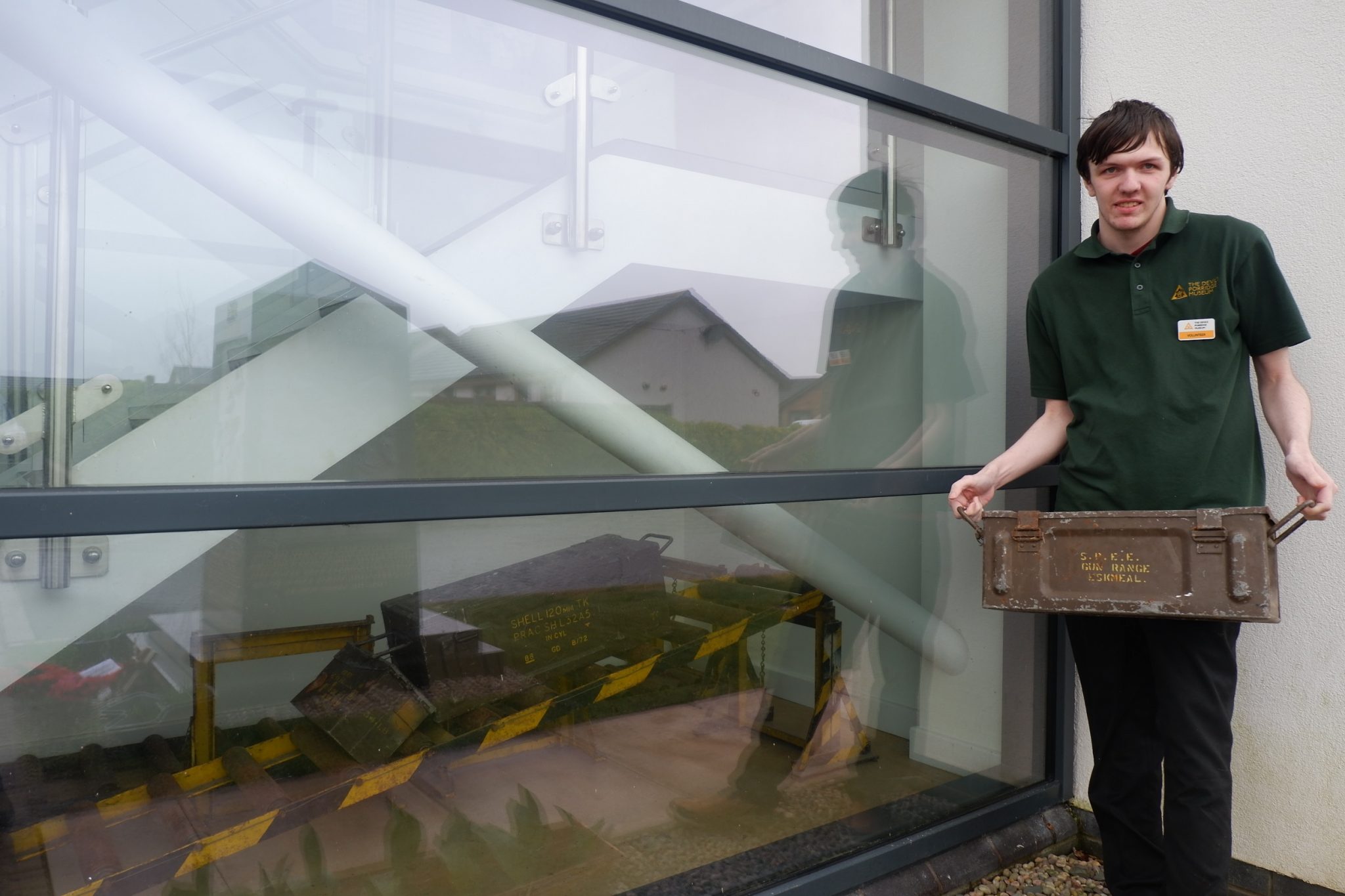
Alastair near the display (which is hard to photograph due to being behind glass). He is holding an ammunition storage box.

Thanks to the efforts of our volunteers  Alastair and George along with Digital Marketing Modern Apprentice Morgan, the area has been cleared, cleaned and arranged to ensure it both looks good and gives some insight into how these items might have been used.

If you are interested in some more information on our display then here are a few facts about it…
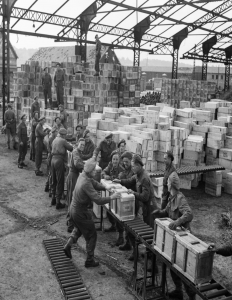
  • The rollers were used in both WW1 and 2 (some would have been mechanised by the Second World War though) to assist in moving all types of ammo, firstly from the train to the magazine and secondly from one part of the factory to another.

  • The rollers were able to make moving large amounts of tank shells, bullets of all types, artillery shells, bombs though these were limited in type and navy shells more efficient.

  • In order to improve the rollers longevity they were made very durable, requiring little maintenance beyond the occasional greasing and replacing of the yellow and black paint which could easily be done by the women and men who worked with them.

    A group of people of load their crate onto the line that then leads into storage where it will stay until use.

  • Rollers could also be set up in long lines that might run up to 6 rollers long, allowing multiple teams to work on different parts, doing a varied tasks including….

  • placing empty open boxes onto the line

  • placing shells into boxes or removing ones from the line to be placed in storage or shipped out

  • sealing boxes

  • taking boxes off to be either placed in storage or on a train to be taken away for use

  • We have been told by Robin, a Trustee at the Museum (he worked within Eastriggs and Longtown depots for many years and is a former Inspector in the Ministry of Defence Police) that at the depot the process was referred to as “hand-balling” by some staff.

  • The rollers were a earlier version of the modern assembly lines without power and were used throughout the depot until the introduction of forklifts and other modern equipment.

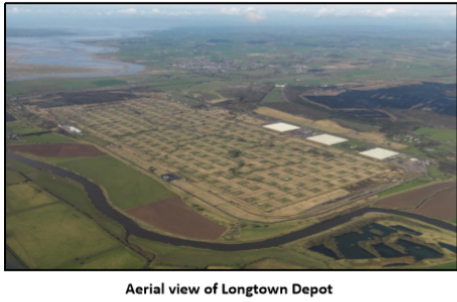
  • In total the Rollers could hold somewhere between 13-15 tons which was vital as the Eastriggs depot could house up to 10–30,000 tons of material while Longtown could hold almost twice that amount as it was split between the COD (Central Ordnance Depot) which stored inert material such as boxes and packaging for various forms of ammunition and the CAD (Central Ammunition Depot) which stored various types of small arms to artillery shell ammunition.


Group of worker using multiple rollers to assist them in moving crates around. This was essentially the rollers job to make moving heavy object safer, easier and most importantly faster.

The following book may be of interest if you would like to know more about the depots and the local area in World War Two:

The Solway Military Coast book

After this article was published, a member of the public came forward with the following information and photographs, we thank him for sharing this with us:

  • The beginning of the process in what was known as the In-Transit this is where the ammunition/explosives are received into the building

  • Operatives would breakdown the pallets and load the containers/boxes onto the rollers and they would then be pushed through a hatch into the Process area where Ammunition Examiners would carry out various tasks:

  • Safety Inspection

  • Modification

  • Repairs

  • A pedestrian gate in the rollers where examiners could work on both sides of the rollers

  • Once this was done the containers/boxes would be moved along the rollers to the Out-Transit, here operatives would add markings

  • The rollers were used in all types of industry including the ships for deep sea dumping
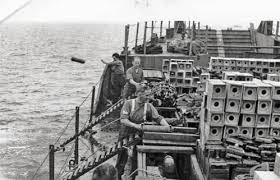
 

Just after the war some of the excess ammunition was thrown into the sea
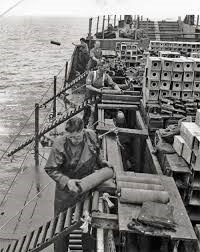
This process was known as Deep Sea Dumping fortunately it is now Banned



Mother’s Day at the Museum

By Archive

The Devils Porridge – a great place for Mother’s Day

Why visit the Museum on Mother’s Day?


The central story of The Devils Porridge Museum concerns the 12,000 women who worked at HM Factory Gretna in World War One. This includes a look at the difficult and dangerous work they did, accidents and health caused by this work, their housing an living conditions, their social lives including dances, cinemas and societies as well as their notable achievements (some young women met the Kind and Queen, others were awarded MBE’s). The Museum also looks at the monitoring of the young women by the Women’s Police Force and how the role of women was altered by World War One.

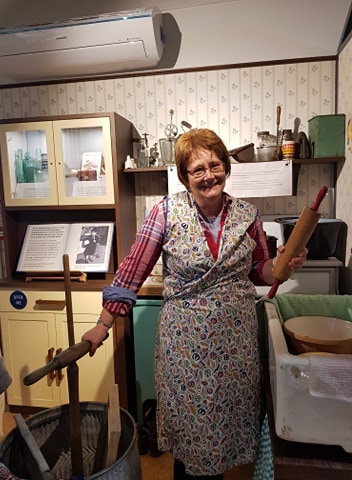
Our first floor displays look at the impact of conflict on the Solway Coast from 1939 onwards. Find out about children who were sent to the countryside as evacuees, take a nostalgic look at a 1940’s house (complete with kitchen and rationing style foods) and explore the stories of women who worked in the ATS or in munitions in World War Two.

March is also Women’s History Month and the Museum would be a great place for mother’s to visit to discover the history of women at war in the local area.

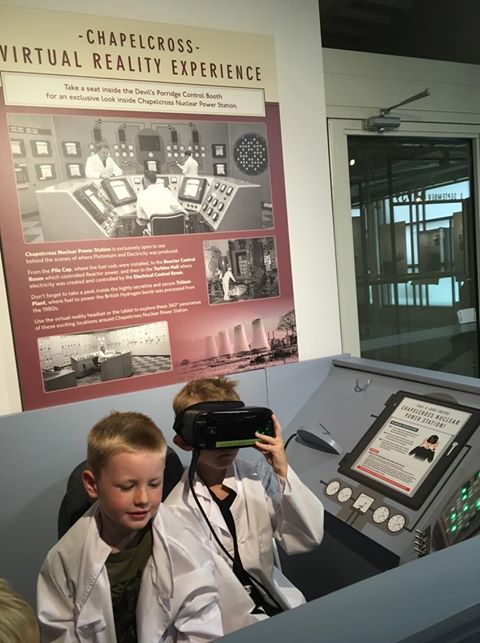
Children love the Museum, In 2019, we were shortlisted for the ‘Most Family Friendly Museum in the UK’ award by Kids in Museums. Over 800 Museums were nominated and we made it to the final 15. There are dressing up opportunities, lots of things to interact and play with, touchscreens, audio-visual displays and games. We also have a virtual reality experience taking a look inside Scotland’s first ever nuclear power station – Chapelcross. All children visiting the Museum are given a clocking in card in which they can stamp as they visit and exchange for a reward at the end. With a children’s menu, baby changing facilities, high chairs and a lift, we are well set up for visitors of all ages and requirements.

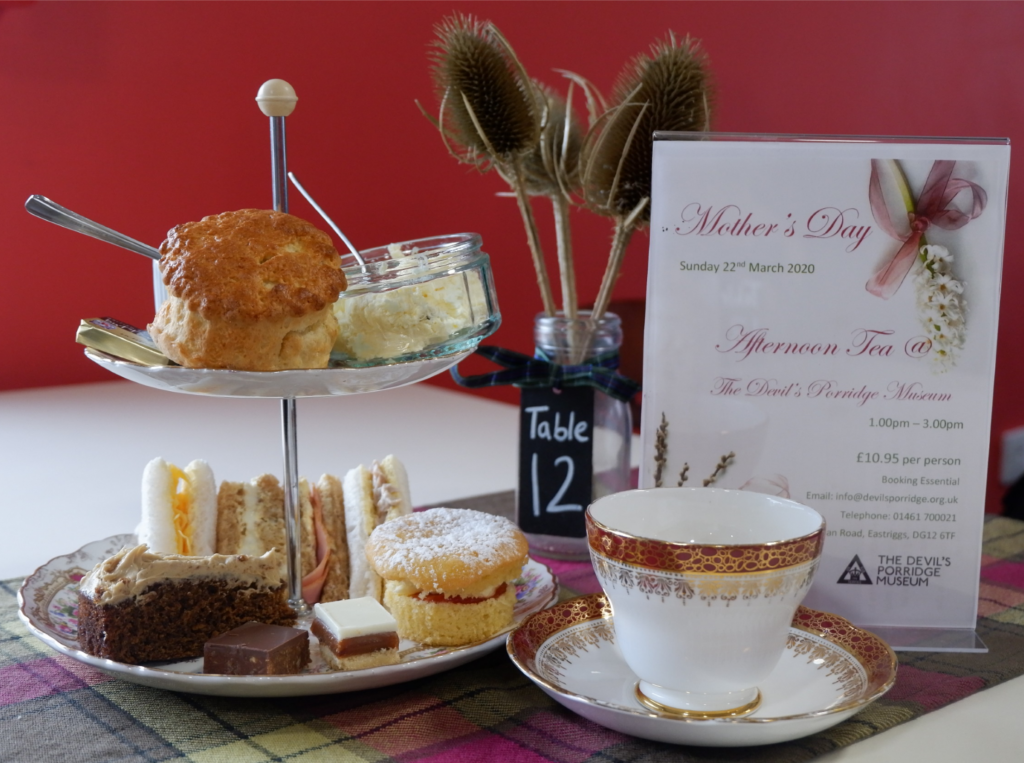
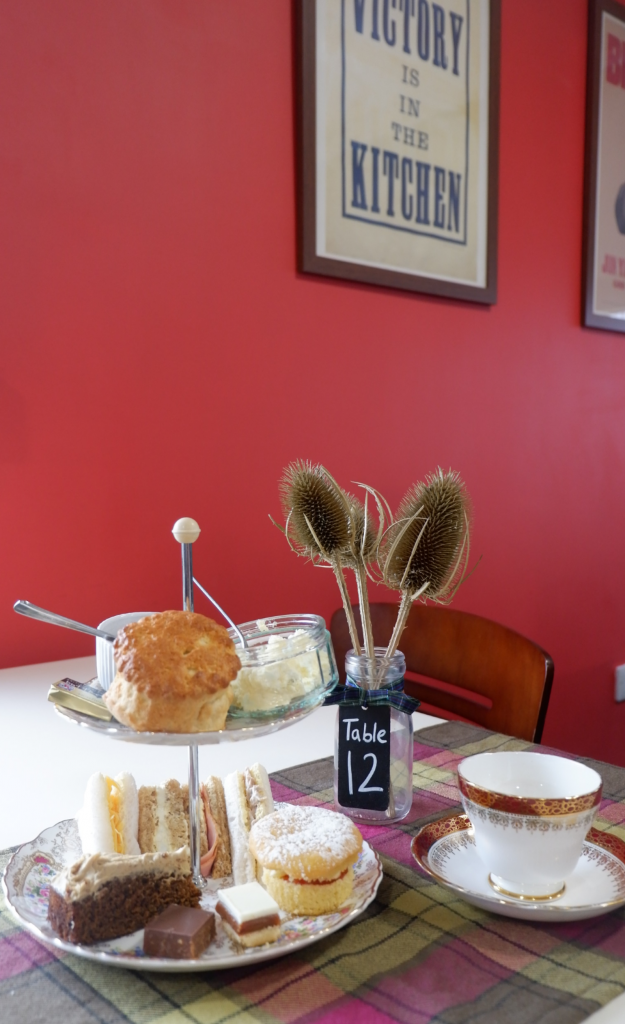
One more great reason to visit us this Mother’s Day – a chance to treat your Mum to a delicious, homemade afternoon tea in our café. The Museum is 5 star rated and we use local ingredients in the café as much as possible. The afternoon tea will include delicious sandwiches along with a selection of sweet treats such as home-baked miniature cakes and biscuits all served with a vintage style tea service. Perfect for before, after or midway through your visit. If you want, you are welcome to just book for Afternoon Tea, you do not have to visit the Museum to take part in this experience.

Entry to the Museum is £6 per adult, £5 concessions (including children – a family ticket is also available for £15). Afternoon Teas must be booked in advance and cost £10.95 per person. To book your space, email: info@devilsporridge.org.uk or phone 01461 700021

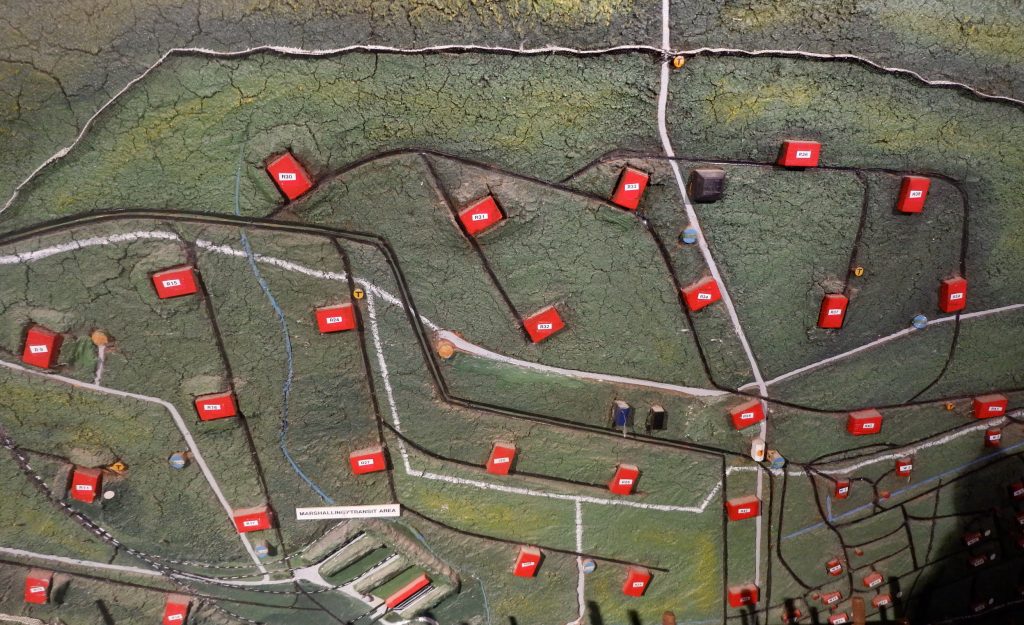
Close up of a map on display in The Devil's Porridge Museum.

Eastriggs Depot Display

By Archive

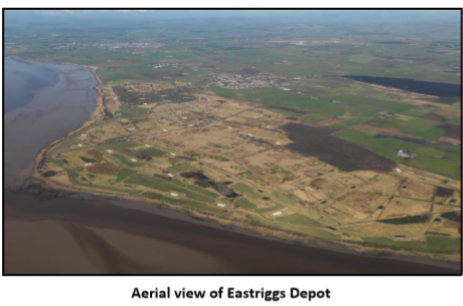
Yesterday, I spoke to Robin who is one of our volunteers and a Trustee at the Devil’s Porridge, about a new map display of the Ammunition Depot in Eastriggs. Robin had previously worked in the depot as an Inspector in the Ministry of Defence Police (MDP).  He was the Officer in charge of the MDP complement which policed the Depot at Eastriggs and Longtown and has extensive knowledge of the base.

He told me that the depot was primarily used for the storage of ammunition such as rockets, bombs, missiles, and vast amounts of bullets. He then went on to explain that the depot is full of buildings called ESH (Explosive storehouses), used to store the ammo.
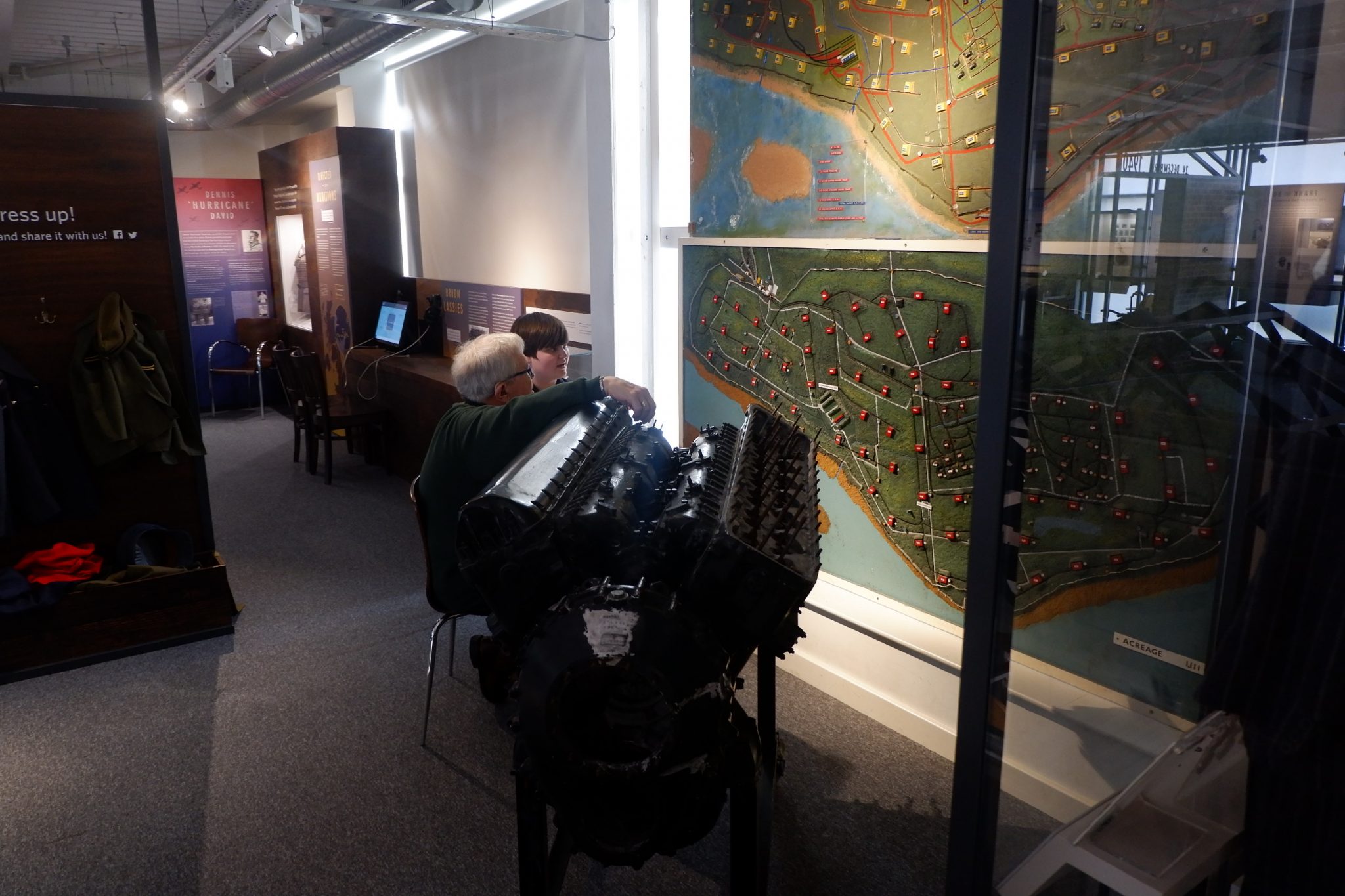
“An Explosive Storehouse, is a building designed to minimise the damage to the surrounding area if the ammo explodes. The walls are made of 4” of brick, while the roof is made of 12” of concrete and the whole building is surrounded by a large dirt and concrete mound called a traverse. If the ammo inside explodes, the walls will collapse causing the concrete roof to fall down onto the fire, which will suffocate the fire. However, the explosion that broke down the walls could cause what’s called a chain reaction setting off all the other ESH to explode. That’s why the traverse is surrounding it, in theory, it will block the explosion reaching other ammunition stores.”

I went on to ask just how many ESHs there are in the depot.
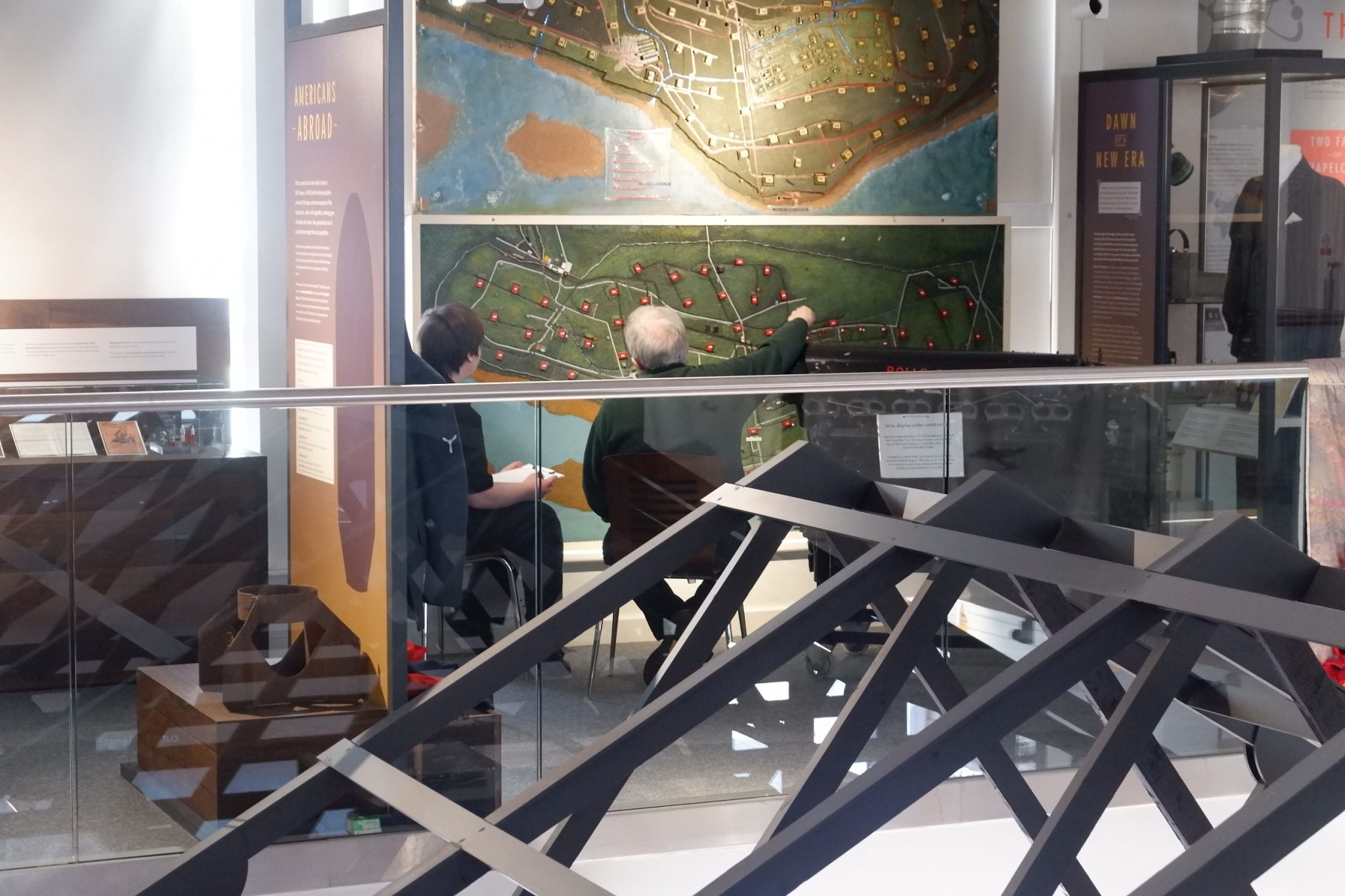
“Well, there are 72 in the main depot, spaced evenly apart, and another 34 in the enclave depot. The Enclave depot has been there since the first world war and the main depot was built around it.”

“Supplies would arrive mainly via train, on the standard gauge track (marked in black with white lines) at the main gate and would be delivered directly to the Marshalling or Transit Area. The train would arrive at a double platform where its cargo would be transferred to a train on the narrow gauge railways. The train with the cargo would then follow all 27 miles of the narrow gauge tracks (marked in black on the map) to each ESH arriving at R1, followed by R2 and so on. This train would also return with cargo gathered from the ESH and deliver it to the Transit area for transport out of the depot. Deliveries via lorry would be taken to the Road loading Area, where it would then be transported via the roads to the correct ESH.”

I then asked Robin what his role at the depot was.

“I was the Officer in charge of the MDP complement which policed the Depot at Eastriggs and Longtown.  I used to patrol the perimeter of the depot with the dog handlers.  The fence was 7.2 miles long, we would check for holes in the fence and intruders. I would also work the checkpoint at the main gate confiscating contraband like phones, cigarettes, lighters and such.”

Written by Connor Rayson, young volunteer at the Museum on a placement with us from Lowland Training Services.


Translate »
BOOK NOW